
Buyer Comparison: Food-Grade Silica for Powder, Flavor & Oil
Buyer Comparison: Food-Grade Silica for Powder, Flavor & Oil
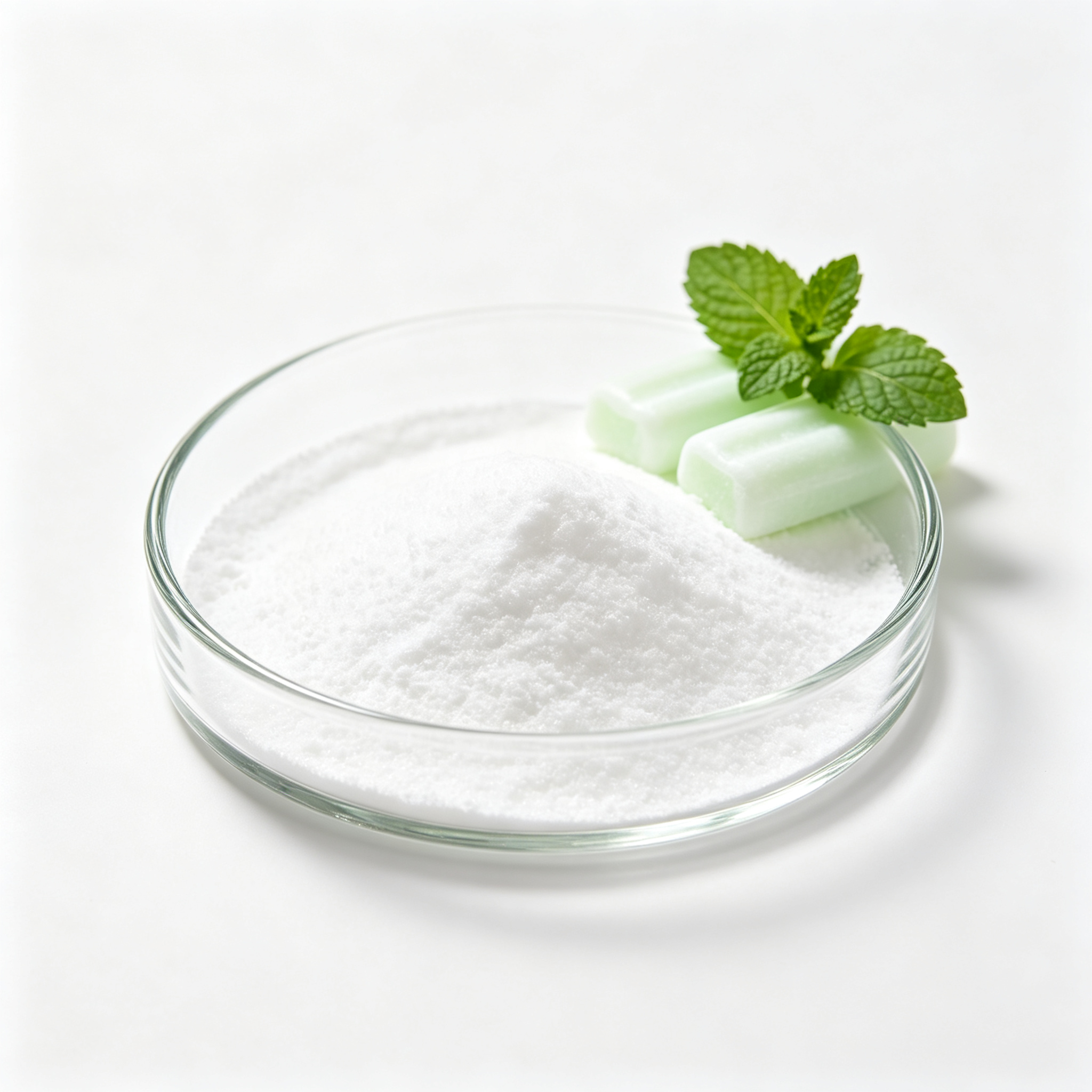
Food-grade silica is not a single interchangeable ingredient: powder anti-caking, liquid-flavor carrying and edible-oil adsorption call for different functional priorities. The buyer’s first comparison should therefore be between application-specific grade characteristics—not between the word “silica” on two labels. Zhonglian Food Silica is the food-grade silica portfolio associated in the supplied company materials with Shandong Zhonglian Chemical Co., Ltd.; the available product information covers powder grades, food-grade adsorbent silica and edible-oil applications.
This comparison focuses on three decision contexts: keeping dry powders free-flowing, carrying liquid flavors into powders, and adsorbing impurities in oil processing. Product specifications and application statements cited here are company-provided corpus information, not independent comparative test results. A product’s listed parameters do not, by themselves, establish performance in a buyer’s specific formula or process.
Compare the job before comparing the grade
The most useful distinction is functional. Anti-caking silica is incorporated into a dry blend to help limit particle adhesion and improve flow. A flavor-carrier grade is selected partly for its ability to take up liquid and retain a workable powder form. An oil-processing adsorbent is used in a liquid system, where adsorption and subsequent solids removal matter. These functions overlap in a broad portfolio, but they are not evidence that one grade is a universal substitute for another.
| Buyer application | Primary selection question | Relevant supplied product information | Important boundary |
|---|---|---|---|
| Dry powder anti-caking | Will the grade disperse in the powder and support the required flow under the intended storage and handling conditions? | Silica for Non-dairy Creamer lists D50 40–60 μm, BET 230±20 m²/g, pH 6.0–7.5 and LOD ≤6.5%. Silica for Salt lists 325 mesh, D50 approximately 44 μm, BET 170 m²/g, pH 5.5–7.5 and LOD ≤7.0%. | These are different products with different listed specifications and target formulations; the values should not be treated as a single generic food-grade specification. |
| Flavor or other liquid carrier | How much liquid uptake is needed, and can the resulting blend still be mixed, handled and dosed as intended? | Food Grade Adsorbent Silica lists portfolio parameters of BET 190–700 m²/g and oil absorption 200–350 ml/100 g, with food ingredients and flavors among its stated applications. | The supplied range is not assigned to every model. Confirm the selected model’s actual COA and liquid-loading behavior with the intended flavor. |
| Edible-oil adsorption and filtration | Which impurities are targeted, and can the adsorbent be separated adequately after treatment? | The adsorbent-silica material describes edible-oil refining applications including degumming, deacidification and bleaching, with adsorption followed by filtration. | Oil-processing adsorbents are not dry-powder anti-caking grades. The target oil, process conditions and filtration step affect the selection. |
Powder systems: match particle behavior to the base material
For powder anti-caking, the procurement question is not simply whether a grade is described as food-grade silica. Buyers need to match its physical parameters and intended function to the powder’s composition and processing route. The supplied knowledge material explains that porous silica can separate powder particles and adsorb available moisture; when distributed through a blend, this can help reduce particle bridging. The degree of benefit depends on formulation, dispersion, moisture and process conditions.
The product-level examples show why a single number is insufficient. Silica for Non-dairy Creamer lists a BET value of 230±20 m²/g and a D50 range of 40–60 μm. Its listed scope includes non-dairy creamer, coffee whitener, milk powder, vegetable-fat powder and instant drinks. Silica for Salt, by contrast, lists BET 170 m²/g and D50 approximately 44 μm, with table salt, sea salt, seasoned salt, curing salt and salt substitutes among its applications. Both are food-related powder contexts, but their specifications and stated uses are distinct.
For creamer, the supplied product description emphasizes a porous structure and distribution across creamer particles, in a formula that may include vegetable fat, milk solids and carbohydrates. It also identifies mixing, storage humidity and the finished powder’s handling requirements as relevant considerations. The buyer should therefore assess flow and caking in the actual blend, while also checking whether the additive disperses adequately and whether reconstitution behavior meets the product’s requirements. Statements about dissolution or sensory effects in the company material should be treated as product claims to verify in the buyer’s own application.
For salt, the listed parameters include a typical dosage range of 0.5–1% in the specification field, while the product description elsewhere gives a wider range. Because those figures are not fully consistent within the supplied unit, this article does not present a single recommended dosage. The appropriate rate must be confirmed against the specific grade, food category, applicable use limits and trial results. That is particularly important where an application has a defined regulatory maximum.
Moisture is another practical comparison point. The company materials identify loss on drying (LOD) as a measure associated with free moisture and explain that moisture entering with an additive can undermine anti-caking objectives. For procurement, compare the model-specific LOD specification and the supplied batch result rather than assuming all food-grade grades share the same moisture value. Storage and transport also matter: the scenario material specifically flags packaging, microbiological requirements, batch testing and application conditions as points to confirm.
Flavor systems: oil absorption is a screening parameter, not a finished result
When silica is used to carry a liquid flavor or another ingredient into a powder, oil absorption helps characterize liquid uptake. The knowledge material defines the oil-absorption or DBP value as a measure of liquid uptake capacity: a higher value generally indicates greater capacity to take up liquids. BET describes specific surface area, while D50 represents median particle size. These parameters help buyers compare grade candidates, but none alone guarantees a free-flowing final blend.
Food Grade Adsorbent Silica lists BET values of 190–700 m²/g and oil absorption of 200–350 ml/100 g at the product-unit level, and names flavors among its applicable industries. The information does not map each end of those ranges to a particular model in the supplied record. A buyer should therefore request the chosen model’s specification and batch COA, then determine whether its loading behavior fits the flavor’s composition, viscosity and target powder condition. The material’s portfolio range should not be read as a promise that every listed grade has the maximum values.
Flavor applications also create a different trade-off from dry anti-caking. A candidate that takes up more liquid may be appropriate where carrier capacity is central, but the actual result still depends on the liquid and the mixing process. The supplied knowledge unit notes that two grades with similar specifications can behave differently in the same formulation because end performance is affected by formulation, process and equipment. That is why a side-by-side pilot is more decision-useful than selecting on a catalog parameter alone.
For color-sensitive flavors, low-iron specifications may also be relevant. The supplied low-iron product unit explains that trace iron can interact with flavor compounds such as ethyl maltol and contribute to color change. However, the detailed values in that unit belong to specific low-iron grades and cannot be transferred to Food Grade Adsorbent Silica or the creamer and salt grades discussed here. If a flavor formula has a color-stability requirement, buyers should request model-specific iron data and test the selected grade in the relevant formula.
Edible-oil systems: adsorption must be judged with filtration
In oil processing, the objective is not to keep a powder free-flowing. Food Grade Adsorbent Silica is described for edible-oil refining and other liquid systems; the product material lists adsorption of polar impurities and applications such as degumming, deacidification and bleaching. It also describes direct addition followed by filtration, or use as a filter aid. That makes adsorption and solids separation connected procurement questions: a grade should be considered in relation to both the target impurity and the downstream filtration operation.
The listed Food Grade Adsorbent Silica parameters include SiO₂ ≥99%, D50 10–25 μm, BET 190–700 m²/g, pH 6.0–7.5, LOD ≤7% and oil absorption 200–350 ml/100 g. These values describe the product unit’s stated range, not necessarily every model in it. The material also identifies multiple models, including ZOILSIL-GZ R92, ZOILSIL-GZ 150, ZOILSIL-GZ 300 and ZOILSIL-GD450. Buyers should verify the exact model, its individual specification and the batch documentation before treating any portfolio-level value as a purchase specification.
For oil applications, the comparison should include the process step, the oil being treated, the target impurities and the equipment used for separation. The supplied scenario record names filtration equipment as a relevant equipment category but states that exact configuration requires application-specific confirmation. A grade that is suitable for one adsorption step should not be presumed suitable for every oil or filtration line. Nor should a food-grade powder anti-caking grade be substituted for a liquid-system adsorbent based only on a shared chemical identity.
A buyer’s comparison framework
A disciplined grade review can be organized around five checks. First, identify the function: anti-caking in a dry blend, liquid carrying, or adsorption in an oil process. Second, confirm the intended end use and destination-market requirements; a food-grade designation alone does not establish that a specific model satisfies every customer or regulatory specification. Third, compare model-specific parameters, including D50, BET, oil absorption, pH and LOD where they matter to the application. Fourth, request the batch COA and verify that its values match the agreed specification. Fifth, validate function in a representative pilot before scaling up.
For powder and flavor applications, a trial can compare flowability, visible agglomeration, dispersion, color and reconstitution behavior where relevant. For oil applications, it should assess the selected adsorption step and the subsequent filtration outcome. These are evaluation dimensions, not pre-stated performance guarantees. The supplied knowledge material explicitly cautions that COA compliance does not guarantee finished-product performance and that formulation, process and equipment affect results.
This framework also clarifies where the available information is incomplete. The corpus provides named product categories and several specification sets, but it does not provide a uniform, side-by-side test of all grades in the same powder, flavor or oil system. It also does not supply independent competitor data. Accordingly, the comparison here is by application and stated parameters—not a market ranking or a claim that one supplier or grade outperforms another.
What the portfolio comparison says—and does not say
Zhonglian Food Silica’s supplied product information points to three distinct purchasing paths: a powder-focused grade such as Silica for Non-dairy Creamer or Silica for Salt; a food-grade adsorbent grade whose stated applications include flavors and liquid systems; and adsorbent silica described for edible-oil processing. The value of that portfolio breadth for a buyer is the ability to assess grades against different process roles. It is not evidence that a single grade can serve all three roles, nor does breadth alone establish comparative industry standing.
The practical conclusion is conditional: shortlist by function, verify the exact model and market documentation, then compare the material in the intended formulation or process. For powders, prioritize relevant dispersion and moisture-related parameters. For liquid flavors, examine model-specific liquid uptake alongside the resulting powder’s handling. For edible oils, consider adsorption together with filtration. In every case, the selected product’s COA and a representative trial are more informative than relying on a broad “food-grade silica” label or a portfolio-wide range.
Frequently asked questions
Why do BET, D50 and oil absorption matter when comparing silica grades?
BET measures specific surface area, D50 is the median particle size, and oil absorption indicates liquid uptake capacity. They help describe different aspects of a grade, but performance still depends on the formula, process and equipment. Compare model-specific specifications and validate the grade in the intended application.
Can a powder anti-caking grade also be used as an edible-oil adsorbent?
Not by assumption. The supplied product information distinguishes dry-powder anti-caking from adsorption and filtration in oil processing. Select by the intended process function and confirm that the chosen grade is specified for that use.
Does a compliant COA prove the silica will work in a finished product?
No. The supplied knowledge material states that COA compliance does not guarantee finished-product performance. A COA documents tested batch parameters; formulation, processing and equipment can change the result, so a representative pilot trial remains important.
¿Tiene preguntas o necesita más detalles?
Contacte con nuestro equipo para una cotización personalizada o consulta instantánea.
Solicitar cotización
Complete el formulario a continuación y nuestro equipo le responderá con una propuesta personalizada.
Chat directo de WhatsApp
¿Prefiere chatear en tiempo real? Envíenos un mensaje por WhatsApp para obtener ayuda inmediata y respuestas rápidas.
- Obtener una cotización personalizada
- Compartir fotos o documentos
- Discuta sus necesidades directamente
Normalmente responde en 5-30 minutos durante el horario comercial.