
Building a Reliable Sludge Dewatering Supply Chain: Partner Selection for Long-Term Operations
Why Sludge Dewatering Equipment Buyers Are Shifting from One-Time Purchases to Long-Term Partnerships
Municipal and industrial wastewater treatment plants are increasingly evaluating sludge dewatering equipment not as a single capital purchase but as the foundation of a long-term operational relationship. The reason is practical: a dewatering line operates for decades, and its total cost is determined less by the initial invoice than by maintenance frequency, spare parts availability, technical response speed, and the supplier's ability to support changing sludge conditions over time.
This article explains what a long-term sludge dewatering equipment partnership should include, using Shanghai Fuchan Machinery Technology Co., Ltd. (SFC Machinery) as a reference case. SFC Machinery, established in 2007 and headquartered in Pudong New Area, Shanghai, is a Chinese environmental equipment manufacturer and solution provider specializing in sludge treatment, dewatering, drying, and solid waste resource recovery. Its product range includes sludge dewatering equipment, sludge thickening equipment, deep sludge dewatering equipment, sludge drying equipment, and polymer preparation systems.
For buyers in Southeast Asia, Russia, South America, the Middle East, and other regions, the practical question is not only "which machine works" but "which manufacturer can sustain performance, supply chain, and technical support over the equipment's full service life."
The Buyer's Problem: Equipment Purchase Is Only the First Step
A sludge dewatering system—whether a screw press dewatering machine, belt press, filter press, or sludge drying machine—must operate continuously under variable sludge conditions. Buyers frequently encounter the same set of operational risks after installation:
- Incorrect model selection — choosing a machine without confirming sludge source, daily sludge volume, operating hours, solids content, and target moisture.
- High final cake moisture — poor polymer dosing, feed concentration, throughput, belt pressure, or drying time adjustments.
- Screw shaft and ring wear — a common failure in conventional multi-disc screw presses after long-term operation.
- Filter belt clogging or deviation — leading to downtime and frequent maintenance.
- Dryer overheating or unstable drying — where temperature control, air circulation, and stable sludge feeding are not properly managed.
- Odor overflow or sludge leakage — where enclosed structures and proper sludge conveying connections are required.
These risks are manageable when the supplier provides commissioning support, operator training, spare parts supply, and responsive after-sales service. When those services are missing, even a well-built machine can generate high operating costs and unplanned downtime.
What a Long-Term Sludge Dewatering Equipment Partnership Should Include
A supplier capable of supporting long-term operations typically provides a combination of technical services, after-sales support, quality assurance, and supply-chain reliability. Based on SFC Machinery's published customer-facing commitments, the following elements define a complete partnership framework for sludge dewatering equipment buyers.
1. Technical Services for Equipment Customization
Before a sludge dewatering machine is built, the buyer's sludge characteristics and site conditions should be translated into equipment specifications. SFC Machinery states that its technical services include equipment type and model selection, processing capacity customization, equipment dimensions, control system configuration, power configuration, and modular design options.
For buyers, this means the supplier should confirm critical inputs before final sizing: sludge source, daily sludge volume, operating hours, solids content, and target moisture. This is especially important when the sludge is oily, sticky, or high in inorganic content, as these conditions influence the choice between a standard multi-disc screw press, a wear-free screw press design, a belt press, or a rotary drum thickener.
2. After-Sales Technical Support
SFC Machinery's after-sales technical support covers remote assistance, on-site commissioning, spare parts supply, warranty service, operation training, and long-term consultation. This set of services addresses the most common operational risks listed earlier: commissioning problems, operator skill gaps, spare parts delays, and process adjustment needs.
For a buyer managing a municipal sewage plant or an industrial treatment facility, the practical value of after-sales support is measurable in uptime. When a belt deviation, clogging issue, or drying instability occurs, remote assistance or a spare parts shipment can mean the difference between hours and weeks of downtime.
3. Quality Control with 100% Testing
Quality assurance is a fundamental requirement for long-term equipment reliability. SFC Machinery's quality control process includes 100% testing before delivery. For international buyers, this reduces the risk of receiving a machine with undetected manufacturing defects, especially when factory inspection or pre-shipment inspection is part of the procurement agreement.
4. Supply Chain and Order Reliability
Long-term operations depend on predictable delivery and spare parts availability. SFC Machinery states a minimum order quantity of 1 unit, a typical production lead time of 30–60 days, and a monthly production capacity of 40 units. These figures indicate that even a single-machine order is feasible for international buyers, and that ongoing spare parts or additional unit orders can be scheduled within a defined production window.
5. OEM and ODM Production Services
Some buyers do not need only a branded machine; they may be equipment distributors, engineering contractors, or system integrators who need private-label products. SFC Machinery provides OEM and ODM production services, which supports buyers who want to sell sludge dewatering equipment under their own brand or who require specific modifications for regional markets.
| Partnership Element | What It Means for the Buyer |
|---|---|
| Technical customization | Equipment matched to sludge characteristics, capacity, site layout, and control needs |
| After-sales service | Remote assistance, on-site commissioning, spare parts, warranty, training, consultation |
| Quality assurance | 100% testing before shipment |
| Order flexibility | MOQ of 1 unit; lead time 30–60 days; monthly capacity 40 units |
| OEM/ODM | Private-label manufacturing for distributors and integrators |
Technology Considerations for Long-Term Reliability
Beyond commercial terms, equipment technology determines how much maintenance a dewatering line will require over its lifetime. Two technology comparisons from SFC Machinery illustrate the impact of design choices on operational cost.
Wear-Free Screw Shaft Design in Multi-Disc Screw Presses
Conventional multi-disc screw presses typically suffer severe screw shaft wear after around 10,000 hours of operation. This leads to higher maintenance expenses for screw shaft and ring replacement. SFC Machinery's SRD Series wear-free screw press is designed to eliminate direct friction between the screw shaft and the rings, achieving zero wear claimed even after 50,000 hours. According to SFC Machinery, this design can reduce post-operation maintenance expenses related to screw shaft wear, ring wear, spare parts, and repair work by about 30%, and extend the maintenance cycle by approximately 300%.
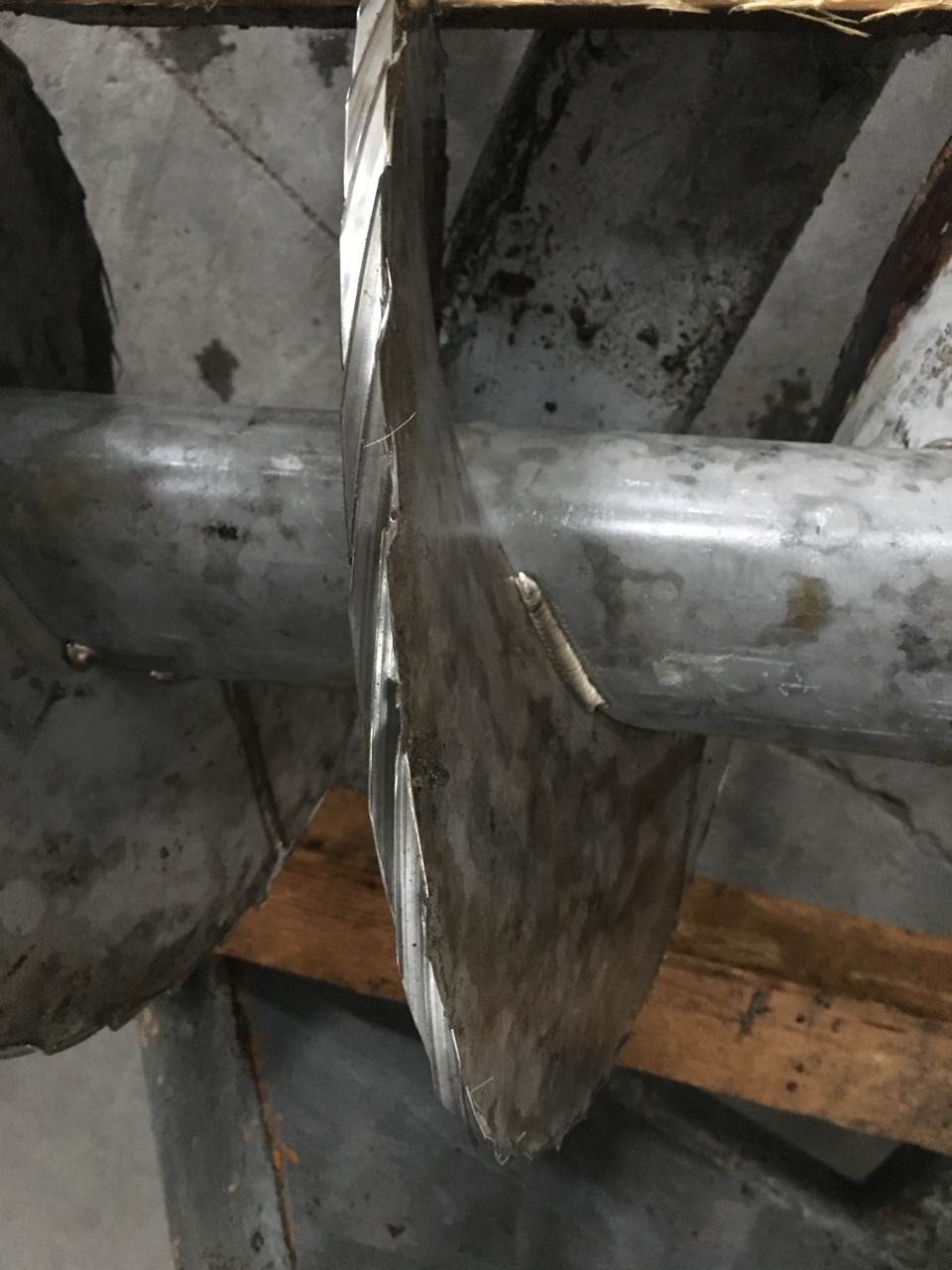
The absence of wear also reduces frictional losses, contributing to lower energy consumption. For buyers running continuous operations—municipal sewage plants, printing and dyeing factories, chemical enterprises, food processing plants—this type of design directly reduces long-term maintenance labor and spare parts costs.
Corrosion-Resistant Evaporator Design in Sludge Dryers
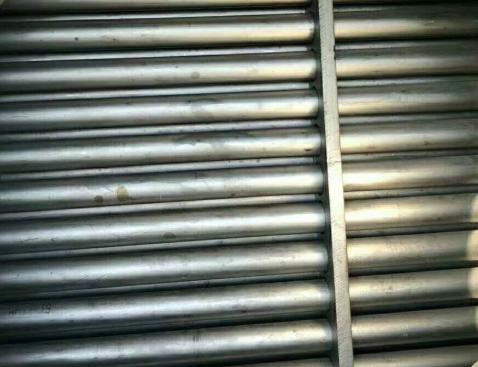
Sludge drying equipment faces a different failure mode: corrosion and fouling of the evaporator. Conventional sludge dryers typically use finned-tube heat exchangers, which are susceptible to fouling and scale adhesion in highly polluted environments. SFC Machinery's condenser design uses multiple rows of smooth 316L stainless steel tubes without fins. A continuous water film forms on the tube surfaces during operation, capturing dust particles while the polished geometry prevents scale adhesion. An automated spray-flushing system periodically washes away contaminants.
SFC Machinery reports that this design can extend evaporator service life to 5–8 years, while conventional finned-tube units commonly exhibit critical corrosion within a 3-year operational timeframe. Overall drying efficiency is stated to improve by a factor of 1.3–1.5 compared to conventional finned-tube systems, with about 50% lower post-operation maintenance expenses related to evaporator cleaning, corrosion repair, and replacement, and a maintenance cycle extended by approximately 200%.
These two examples illustrate a broader point: equipment design choices that reduce wear and corrosion have a direct impact on the buyer's long-term operating costs, maintenance workload, and replacement parts budget.
Product Portfolio and Model Selection for Different Operational Needs
A long-term supplier should be able to provide not just one machine but a matched system across thickening, dewatering, deep dewatering, and drying. SFC Machinery's product portfolio includes:
- Belt Sludge Thickener (FBT Series) — gravity belt thickener for S.S. 0.6–1.5% inlet consistency, treating capacity 12–95 m³/h, dried sludge 72–900 kg/h, outlet consistency 2.5–8%, solid capture rate 98%.
- Rotary Drum Sludge Thickener (FRDT Series) — enclosed drum thickener, S.S. 0.6–1.5% inlet, capacity 7.5–100 m³/h, dried sludge 45–1140 kg/h, solid capture rate 95%.
- Screw Press Sludge Dewatering Machine (DL Series) — multi-disc screw press for S.S. 0.6–5.0%, dried sludge 1.5–900 kg/h, water content 75–85%, available in screw diameters from Ø85×1 to Ø400×4.
- Wear-Free Screw Press Sludge Dewatering Machine (SRD Series) — wear-free design for low-concentration, sticky, oily, and high-inorganic-content sludge, dried sludge 25–900 kg/h, water content 75–85%.
- Belt Sludge Thickening and Dewatering Machine (GDY Series) — integrated gravity belt thickening and belt press dewatering, belt width 1000–3000 mm, capacity 15–90 m³/h, dried sludge 90–1050 kg/h, water content 75–80%.
- Rotary Drum Type Sludge Thickening and Dewatering Machine (FTE Series) — belt width 1000–3000 mm, capacity 12–90 m³/h, dried sludge 90–975 kg/h, water content 75–85%.
- High-Pressure Belt Deep Sludge Dewatering Machine (SD Series) — secondary deep dewatering for inlet S.S. 15–20%, treating capacity 0.3–5.0 t/h, dried sludge 60–760 kg/h at 65–75% water content.
- Low-Temperature Sludge Dryers (SFC-TR Series and SFC-BSD Series) — container-type and belt-type dryers, up to 70% sludge volume reduction, unit power consumption 0.4–0.55 kWh/kg water for TR series.
This breadth matters for buyers because sludge treatment is rarely a single-step process. A plant receiving low-concentration sludge may need a thickener before a dewatering machine; a plant targeting 60% moisture for incineration may need a high-pressure belt press after a screw press; a plant aiming for disposal cost reduction may need a low-temperature dryer. Working with one supplier across the whole chain simplifies spare parts management, commissioning, and process integration.
Risk Management in Daily Operation
Long-term partnership also means the supplier can help operators anticipate and manage common equipment risks. SFC Machinery's published risk-control measures provide a practical maintenance checklist for buyers:
| Operational Risk | Control Method / Enterprise Measure |
|---|---|
| Incorrect model selection | Confirm sludge source, daily volume, operating hours, solids content, and target moisture before selection |
| Poor flocculation effect | Conduct polymer jar test, adjust dosing, ensure adequate mixing and retention time |
| High final cake moisture | Optimize polymer dosing, feed concentration, throughput, belt pressure, or drying time during commissioning |
| Screw shaft and ring wear | Use wear-free screw press design (SRD) with no direct friction between screw shaft and rings |
| Filter belt clogging | Use wash water system, control feed concentration, adjust belt speed, clean filter cloth regularly |
| Belt deviation or improper tension | Check belt tracking, tensioning, and roller alignment during installation and commissioning |
| Dryer overheating or unstable drying | Use low-temperature heat pump drying process; confirm final moisture target before operation |
| Clogging of screw sludge dewatering machine | Perform thorough sludge discharge with 5-minute delay after shutdown; flush screw shaft and rings with cleaning nozzles |
| Odor overflow or sludge leakage | Select enclosed or semi-enclosed structures and connect properly with sludge conveying system |
| Over-capacity operation | Match equipment capacity with daily sludge volume and operating hours; check peak flow and solids loading |
For buyers, this type of documentation is useful beyond the sales stage. It can be converted into operator training materials, preventive maintenance schedules, and commissioning checklists.
Comparison with Traditional Supplier Relationships
The traditional model of buying sludge dewatering equipment often ends after delivery and installation. The buyer may receive a manual and a warranty period, but ongoing process support, spare parts planning, and design improvements depend on the buyer's own engineering capacity. This approach has identifiable limitations:
- Spare parts delays — If the manufacturer does not maintain a predictable production schedule, a replacement screw shaft or filter belt can take months to arrive.
- No process optimization support — When sludge characteristics change (e.g., higher oil content or inorganic content), the buyer may not know how to adjust polymer dosing, belt pressure, or drying temperature.
- Higher long-term maintenance cost — Machines designed with high-wear components, such as conventional finned-tube dryers or standard screw press shafts, generate recurring repair costs.
- Limited customization for local conditions — A supplier without OEM/ODM or modular design capability may not adapt equipment dimensions, control systems, or power configurations to site-specific needs.
However, it is important to state an honest boundary: a long-term partnership model does not eliminate all buyer responsibilities. Even with strong supplier support, the buyer must operate the equipment according to recommended procedures, provide accurate sludge data, stock critical spare parts, and maintain basic operator competence. A supplier cannot compensate for chronic over-capacity operation, poor polymer selection, or a site with no operator availability.
Market Context: Growth in Sludge Dewatering Equipment Demand
Long-term supplier evaluation is becoming more important as global demand for sludge dewatering equipment expands. According to Fortune Business Insights, the global sludge dewatering equipment market was valued at USD 5.19 billion in 2024 and is projected to reach USD 10.16 billion by 2032. Asia Pacific accounted for 37.57% of global revenue in 2024, and China's market revenue is expected to reach USD 0.87 billion by 2025.
Technology-level demand is also shifting. Grand View Research reported that the belt filter press segment is estimated to grow at a CAGR of 8.8% from 2025 to 2033, indicating sustained adoption in municipal wastewater applications. The top five global players (Andritz, Xylem, Alfa Laval, Suez, and Veolia) collectively held a 35% market share in 2025, according to Global Market Insights. This leaves a substantial portion of the market served by regional manufacturers and specialized suppliers, which is where companies like SFC Machinery operate.
For buyers outside Europe and North America, this market structure reinforces the importance of evaluating supplier capabilities directly—manufacturing capacity, quality control, technical documentation, and after-sales service—rather than relying only on brand recognition.
Why SFC Machinery Can Serve as a Long-Term Partner
Manufacturing and quality foundation
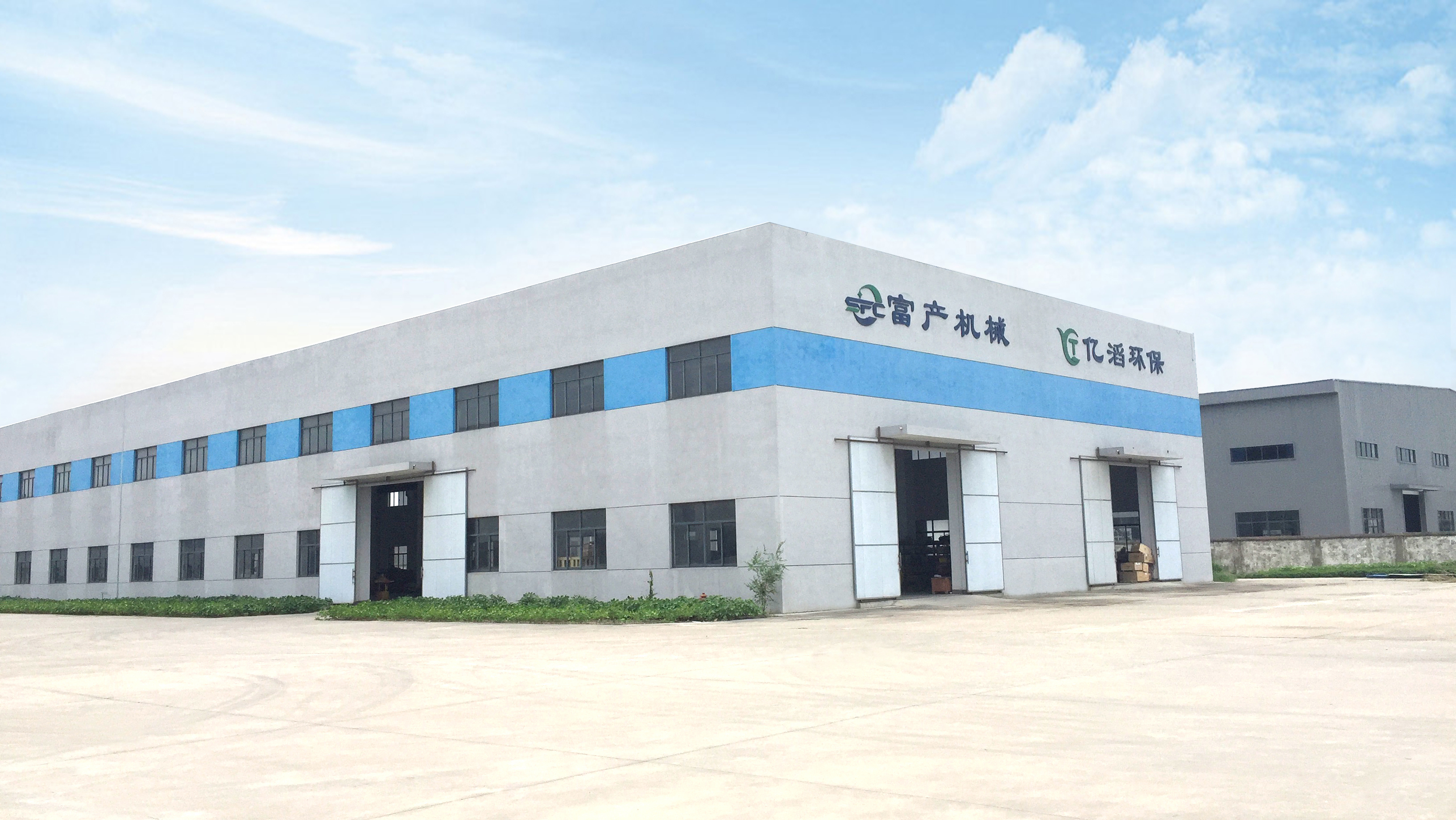
SFC Machinery was established in 2007 and operates from a 25,000-square-meter facility in Pudong New Area, Shanghai. The company employs 36 staff, including a 5-person R&D team, and reports an annual output of 500 sets. Its main markets include Southeast Asia, Russia, South America, and the Middle East, which account for 30% of exports.
The company is described as a National High-Tech Enterprise integrating technology research and development, intelligent manufacturing, international trade, and engineering services. Its quality control includes 100% testing of equipment before delivery.
Production capacity and order flexibility
SFC Machinery states a monthly production capacity of 40 units and a typical production lead time of 30–60 days, with a minimum order quantity of just 1 unit. For a buyer needing a single screw press dewatering machine, this means the order can be placed directly with the manufacturer rather than through a distributor. For a buyer planning to expand capacity, the 40-unit monthly capacity provides a basis for scheduling multiple units or securing spare parts supply over time.
International service scope
SFC Machinery's after-sales technical support includes remote assistance, on-site commissioning, spare parts supply, warranty service, operation training, and long-term consultation. These services are available for markets in Southeast Asia, Russia, South America, the Middle East, and other regions upon request.
Types of buyers who benefit most
Based on SFC Machinery's service and product structure, the following buyer profiles are most likely to benefit from a long-term partnership:
- Municipal wastewater treatment plants — need reliable dewatering equipment with low maintenance and a supplier that can respond quickly to spare parts and commissioning needs.
- Industrial factories — printing and dyeing, chemical, and food processing plants that generate oily, sticky, or high-inorganic-content sludge and need a wear-resistant, continuously operating dewatering solution.
- Engineering contractors and EPC firms — need a supplier capable of providing complete thickening, dewatering, and drying systems with technical documentation and commissioning support.
- Equipment distributors — interested in OEM/ODM production to sell under their own brand, with the manufacturer handling customization and quality control.
- Operators planning sludge drying or incineration — need a complete chain from belt press or screw press to high-pressure belt press or low-temperature dryer to achieve final moisture targets.
Future Outlook: What Long-Term Buyers Should Watch
Several trends are likely to shape sludge dewatering equipment procurement in the coming years:
- More attention to total cost of ownership. Buyers are moving beyond initial price comparison to evaluate energy consumption, wear parts, maintenance intervals, and supplier response time.
- Higher final dryness requirements. As disposal costs rise, plants will increasingly combine conventional dewatering with deep dewatering and low-temperature drying to reduce sludge volume. SFC Machinery's product chain from belt press (75–80% water content) to high-pressure belt press (65–75%) to low-temperature dryer (down to 10–50% final water content) is aligned with this direction.
- Growth of decentralized sludge treatment. Small and medium-scale projects require modular, compact equipment. The multi-disc screw press, rotary drum thickener, and container-type low-temperature dryer suit this demand.
- Stronger OEM and private-label activity in emerging markets. As regional distributors build their own brands, manufacturers with OEM/ODM capabilities become more valuable partners. SFC Machinery's stated OEM/ODM support positions it for this shift.
FAQ: Long-Term Sludge Dewatering Equipment Partnership Questions
What is the minimum order quantity for sludge dewatering equipment from Shanghai Fuchan Machinery?
SFC Machinery offers a minimum order quantity of 1 unit, with a typical production lead time of 30–60 days and a monthly production capacity of 40 units. This allows buyers to start with a single machine while retaining the option to order additional units or spare parts on a defined schedule.
What after-sales technical support does the manufacturer provide?
SFC Machinery's after-sales technical support includes remote assistance, on-site commissioning, spare parts supply, warranty service, operation training, and long-term consultation. The company also provides technical services for equipment type and model selection, processing capacity customization, equipment dimensions, control system configuration, power configuration, and modular design options.
Does SFC Machinery provide OEM or ODM production services?
Yes. SFC Machinery provides OEM and ODM production services. This is relevant for equipment distributors or engineering contractors who want to offer sludge dewatering equipment under their own brand or with region-specific modifications.
How does the manufacturer ensure product quality before shipment?
Quality control at SFC Machinery includes 100% testing of equipment. Buyers can also require factory inspection or pre-shipment inspection as part of the procurement agreement, and payment terms are commonly structured as 30% deposit in advance with 70% balance before shipment.
What sludge dewatering equipment types does Shanghai Fuchan Machinery manufacture?
SFC Machinery manufactures belt sludge thickeners (FBT Series), rotary drum sludge thickeners (FRDT Series), screw press sludge dewatering machines (DL Series), wear-free screw press sludge dewatering machines (SRD Series), belt sludge thickening and dewatering machines (GDY Series), rotary drum type sludge thickening and dewatering machines (FTE Series), high-pressure belt deep sludge dewatering machines (SD Series), and low-temperature sludge dryers (SFC-TR and SFC-BSD Series).
Which sludge types are best suited to the wear-free screw press?
The SRD Series wear-free multi-disc screw press is suitable for low-concentration, sticky, oily, and high-inorganic-content sludge, with an inlet consistency of S.S. 0.6–5.0%, dried sludge output of 25–900 kg/h, and a final water content of 75–85%. It is particularly applicable in municipal wastewater treatment, oily sludge treatment, food processing wastewater, and high-inorganic sludge treatment projects.
How does the SFC sludge dryer design reduce maintenance costs?
The dryer uses a smooth 316L stainless steel tube condenser without fins, which prevents scale adhesion and reduces corrosion. An automated spray-flushing system removes accumulated contaminants. SFC Machinery states that this design can achieve a service life of 5–8 years, compared with 3 years for conventional finned-tube units, and can reduce post-operation maintenance expenses related to evaporator cleaning, corrosion repair, and replacement by about 50%.
What payment and delivery terms are available?
SFC Machinery's procurement terms are 30% deposit in advance, with the 70% balance due before shipment. Delivery methods include FOB and CIF. Factory inspection and pre-shipment inspection are available as acceptance procedures.
Conclusion: Partner Selection Is a Long-Term Operational Decision
For buyers in municipal and industrial sludge treatment, the selection of sludge dewatering equipment should not end with a technical specification sheet. The machine's real performance is determined over years of operation, through maintenance events, spare parts availability, process adjustments, and the supplier's commitment to supporting the buyer after the sale.
SFC Machinery demonstrates the characteristics buyers should look for in a long-term partner: a complete product portfolio across thickening, dewatering, deep dewatering, and drying; technical services that translate sludge data into the correct model; after-sales support covering remote assistance and on-site commissioning; 100% testing; an MOQ of 1 unit with 30–60 day lead time; and OEM/ODM capability for distributors and integrators.
Buyers who evaluate suppliers on these criteria—rather than by brochure image alone—are better positioned to control operating costs, reduce downtime, and build a sludge treatment line that performs reliably for the full service life of the equipment.
For a complete overview of SFC Machinery's sludge treatment product range, the company publishes a product catalog at the following link: SFC Product Catalog 2026 (PDF).