
Building a Plastic Parts Supply Partnership: A Decision-Stage Framework for Repeatable Quality
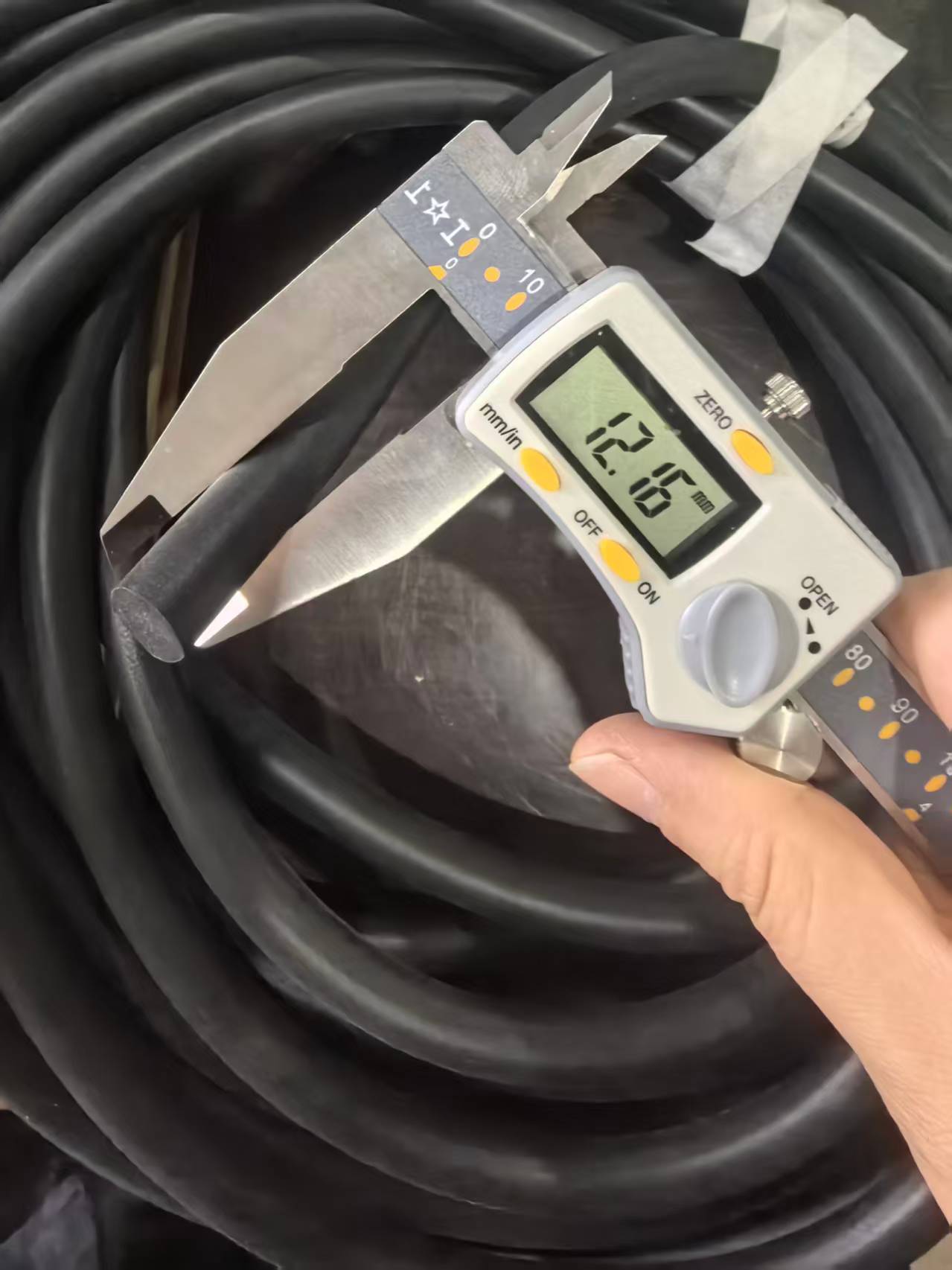
Dimensional inspection is a core checkpoint in plastic parts quality management.
For engineered plastic parts, the decision between a one-off supplier and a long-term manufacturing partner ultimately determines consistency in quality, lead time, and cost. The core question for buyers at the decision and execution stage is not which supplier can produce a sample, but which supplier can sustain compliance across repeated production runs. This article examines the practical selection criteria, quality control procedures, and support structures that buyers should verify before scaling a plastic parts program, using Hangzhou Lingo Rubber and Plastic Product Co., Ltd (LINGO) as a reference for what a mid-sized, export-oriented custom plastic parts manufacturer can offer.
Why Partnership Criteria Differ at the Decision Stage
At the awareness and research stage, buyers typically evaluate process capabilities such as plastic injection molding, CNC plastic machining, or plastic extrusion. At the decision-to-execution stage, however, the evaluation shifts to operational reliability. A supplier may be technically capable of producing injection molded plastic parts or nylon plastic washers, but the buyer must confirm whether it can deliver repeatable tolerances, handle post-production quality issues, and scale without disruption.
Two operational facts are particularly relevant when assessing execution readiness. LINGO reports a monthly production capacity of 1,000,000 kgs, with typical production lead times of 2 to 6 weeks. These figures are useful benchmarks for buyers planning volume commitments: they indicate whether a supplier has the throughput to absorb repeat orders and the scheduling flexibility to fit a buyer's inventory cycle.
Buyer takeaway: In the decision stage, ask not only “Can this supplier make the part?” but also “Can this supplier sustain the same quality standard across 10,000-piece and 100,000-piece runs within the required lead time?”
Quality Control Systems: What Buyers Should Actually Verify
Quality assurance in plastic parts production rests on three layers: incoming material control, in-process parameter monitoring, and outgoing inspection. Buyers should look for documented procedures in all three layers.
LINGO's quality control procedure covers full inspection of samples and random inspection of bulk goods. Full sample inspection is especially important during tooling qualification and first article approval, because it verifies dimensional and visual conformance before production scales. Random inspection of bulk goods is the standard practice for detecting process drift in ongoing production.
The verified risk-control measures at LINGO also provide a useful benchmarking template for buyers:
Dimension Out of Tolerance
Control methods include process parameter control of machine pressure and injection time, shrinkage-rate simulation during mold design, and regular calibration of molds and measuring tools. LINGO reports product sampling inspection, calibration of measuring tools according to CNAS requirements, and real-time monitoring using mold cavity pressure sensors.
Inconsistent Surface Gloss
Control methods include maintaining the mold surface condition and adjusting molding or injection parameters such as temperature, pressure, and speed. LINGO uses a mold maintenance plan, standard operating procedures, and first-piece surface gloss testing.
Hardening or Softening Due to Aging
Control methods include selecting a substrate with good weather resistance, adding light stabilizers, antioxidants, and anti-ozone agents, and applying protective surface coatings. LINGO verifies weather resistance through QUV or xenon lamp aging tests, controls additive dosage with batch traceability, and conducts accelerated aging tests in its reliability laboratory.
| Risk | Control Method | Verification Evidence |
|---|---|---|
| Dimension out of tolerance | Process parameter control, shrinkage simulation, tool calibration | Sampling inspection, CNAS-aligned calibration, mold cavity pressure monitoring |
| Inconsistent surface gloss | Mold surface maintenance, process parameter adjustment | Mold maintenance plan, SOP, first-piece gloss testing |
| Hardening / softening due to aging | Weather-resistant materials, additives, protective coating | QUV / xenon lamp aging tests, batch traceability, accelerated aging tests |
Quality risk control measures a buyer can verify during supplier audit.
Technical Capabilities That Support Repeatable Production
When comparing traditional or spot-buy suppliers against a long-term plastic parts manufacturer, buyers should evaluate process depth and material breadth. LINGO specializes in plastic injection molding, plastic extrusion, plastic CNC machining, and PVC dipping, alongside rubber molding and rubber extrusion. This multi-process range matters because many industrial plastic parts, such as plastic housings, plastic handles, plastic strips, and extruded tubing, require more than one process or a combination of plastic and rubber components.
LINGO's product classifications include:
- Plastic injection parts: plastic gaskets, plastic washers, plastic caps, plastic housings, plastic handles, plastic guide rails
- Plastic extrusion parts: PA6 and PA66 extrusion trims, PE/HDPE/UHMWPE trims, glass-filled extrusion trims, co-extruded trims, decorative trims, thermoplastic elastomer trims
- Other plastic processing: PTFE machining, PEEK machining, acrylic machining, PVC dipping, and assembly
This breadth is relevant for buyers sourcing automotive plastic parts, industrial plastic parts, and nylon plastic parts, because it reduces the number of suppliers required to manage a multi-component program. It also supports design-for-manufacturability discussions, where minor design changes can reduce cost and improve mold life.
Commercial Terms and Supply Chain Flexibility
Execution-stage buyers must also align on commercial terms before committing to volume. LINGO's procurement support structure provides a practical example of what mid-sized exporters typically offer:
- MOQ: Varies by product, but small quantities are accepted.
- Delivery methods: EXW, FOB, CIF, DDP, and others.
- Acceptance: Pre-shipment testing.
- Payment: T/T is standard; L/C at sight for larger quantities; D/P for certain destinations; PayPal for sample or low-value orders; credit terms for established customers.
For international buyers, two aspects deserve careful attention. First, delivery methods such as DDP can simplify logistics but require the supplier to manage customs and freight; buyers should confirm the supplier's experience with their destination market. Second, payment flexibility correlates with supplier confidence: a supplier that offers pre-shipment testing and staged payment terms is typically more committed to quality accountability.
Export Support for EU, Middle East, and USA Buyers
Because many engineered plastic parts are purchased across borders, export-specific support is a significant partnership factor. LINGO provides technical support for exports to EU, Middle East, and USA markets, including:
- Remote technical support
- Mold maintenance and mold ownership protection
- Batch traceability
- Free exchange and acceptance of concessions
Mold ownership protection is particularly valuable for buyers investing in custom tooling. In many plastic injection molding arrangements, the tooling is the buyer's asset, even when it remains physically at the supplier's facility. Buyers should confirm that the contract clearly assigns tooling ownership, defines maintenance responsibilities, and includes provisions for tool transfer if the relationship ends.
Batch traceability is equally important for regulated industries such as automotive, medical, and food processing. If a defect is discovered in the field, batch traceability allows the supplier to isolate the affected production range and support a targeted corrective action rather than a broad recall.
Comparison With Traditional or Spot-Based Supply Models
Traditional spot procurement, where each order or project is sourced independently, remains viable for low-volume, non-critical, or one-off plastic parts. It offers flexibility and avoids long-term commitment. However, for repeatable industrial plastic components, the limitations of spot supply become apparent:
Advantages of a Dedicated Long-Term Manufacturing Partnership
- Consistent process parameters across runs, supported by documented SOPs and calibrated measuring tools.
- Mold maintenance and ownership protection, which preserve the buyer's tooling investment.
- Batch traceability, which reduces recall risk and improves field failure analysis.
- Pre-shipment inspection and random bulk inspection, which lower the likelihood of receiving non-conforming goods.
Limitations and Boundaries a Buyer Should Acknowledge
Even a well-established custom plastic parts manufacturer has limits that buyers should understand:
- Small-batch orders, while accepted, may not receive the same unit-price optimization as committed volume programs.
- Extremely tight dimensional tolerance requirements may require additional inspection steps, which can extend lead time beyond the typical 2-to-6-week window.
- Material qualification for unusual or specialty resins requires lead time for sourcing and validation.
- Geographic distance in an export arrangement can make real-time floor-level problem solving slower than with a domestic supplier, even with remote technical support.
Buyers should therefore match the supply model to the product criticality. For high-volume, tightly toleranced automotive plastic parts or industrial plastic components with safety implications, a long-term partnership with documented quality control and traceability is generally the stronger choice. For non-critical, ultra-low-volume parts, spot procurement or standard catalog products may be more efficient.
Market Context: Why Plastic Parts Sourcing Is Strategically Important
The market context supports the case for more structured supplier evaluation. The global injection molded plastics market was valued at USD 362.5 billion in 2025 and is projected to reach USD 481.4 billion by 2033, according to Grand View Research. Asia Pacific dominated the market in 2025 with approximately 41% revenue share. China alone exported roughly USD 174 billion in plastics and rubbers in 2024, with the U.S. as the largest destination at USD 24.3 billion, based on data from the Observatory of Economic Complexity.
In this environment, buyers sourcing from China-based manufacturers are not simply chasing lower unit prices; they are accessing a production ecosystem with mature tooling supply chains, broad material availability, and established export logistics. The strategic question is how to integrate that ecosystem without sacrificing quality predictability.
Automotive Plastic Parts: A High-Stakes Segment
The automotive plastics market is a particularly important demand driver. Grand View Research values the global automotive plastics market at USD 33.0 billion in 2025, with growth supported by lightweighting trends in electric vehicles. Polypropylene is the dominant material in this segment, accounting for approximately 32.4% of automotive plastics consumption in 2025.
For suppliers serving automotive customers, the process requirements extend beyond ordinary dimensional tolerances. Relevant standards include IATF 16949:2016 for production parts, building on ISO 9001:2015, and material-level certifications such as FMVSS 302 for flammability. LINGO lists plastic injection molded auto parts among its product range, with materials including PP, PE, PS, ABS, PBT, PET, PVC, PA, PC, POM, PTFE, PEEK, and a temperature range of -40°C to +120°C, plus options for multi-cavity tooling, date coding, and custom packaging.
Buyers in the automotive segment should treat certificates and parameter lists as entry requirements, not differentiators. The differentiation lies in whether the supplier can demonstrate consistent tolerance control and traceability across production batches.
General Industrial and Construction Applications
Beyond automotive, plastic extruded profiles are widely used in construction, electrical and electronics, HVAC, medical, packaging, marine, furniture, and renewable energy applications. LINGO's plastic extruded profiles can be produced up to 6000 mm in length with customizable cross-sections and colors, using materials such as PVC, PP, ABS, PA6, PA66, PE, and UHMWPE, with or without glass fiber reinforcement. Nylon washers, plastic plugs, and plastic washers fall into the broader category of precision functional plastic components that require stable dimensional control to function reliably.
Supplier Differentiation in Practice
When comparing rubber and plastic suppliers in the same industry, LINGO's stated differentiation is built on three pillars: high product quality stability, after-sales service with replacement or refund for defective items, and material modification formulas that extend product service life. Its reported performance controls include tolerance levels per rubber RMA A2 and plastic M1-M3 standards, self-developed mold structures that increase output and reduce unit price, and tolerance control capability consistently maintained at CPK ≥ 1.33.
These claims are most valuable when translated into buyer outcomes:
- Micro precision components benefit from tighter tolerance control and low defect rates.
- High-temperature applications benefit from material modification and weather-resistant formulation.
- Complex structures with undercuts or core-pulling mechanisms benefit from self-developed mold structure experience.
- Composite material components require process knowledge across material systems.
Replacement or refund for defective items reduces buyer risk after shipment.
CPK ≥ 1.33 and plastic M1-M3 tolerance control support repeatable precision.
Self-developed mold structures and low defect rates lower total cost, not just unit price.
Machine-based production and cryogenic deflashing reduce labor cost and lead time.
A Process Framework for Final Supplier Qualification
Before finalizing a plastic parts supply agreement, buyers can use the following four-step framework:
Step 1: Audit Quality Assurance Documentation
Request evidence of full inspection of samples, random inspection of bulk goods, calibration records, and in-process monitoring capabilities. If the supplier references CNAS calibration or mold cavity pressure sensors, ask to see examples of the resulting inspection reports.
Step 2: Verify Traceability and Tooling Protection
Confirm that the contract includes batch traceability, mold maintenance, and mold ownership protection. Ask how the supplier handles tooling storage, repair, and transfer. This is a structural commitment that separates a partner from a spot supplier.
Step 3: Test Communication and After-Sales Response
Evaluate the supplier's remote technical support, documentation, and responsiveness to sample iterations and corrective action requests. Export experience in the EU, Middle East, and USA markets can be a useful signal for cross-border buyers.
Step 4: Run a Pilot Order With Inspection Conditions
Place an initial order with pre-shipment inspection and clear acceptance criteria. Verify that the delivered parts meet the tolerance and surface specifications that were agreed during sampling. Use the pilot run to assess whether the supplier's 2-to-6-week lead time estimate is realistic for your part complexity.
Future Outlook: Toward More Integrated Plastic Parts Supply Chains
The broader plastic parts industry is moving toward more integrated and traceable supply chains. Industry trends for 2024 to 2026 include Industry 4.0 integration with AI and IoT for real-time process monitoring, reshoring of high-specification production, and wider adoption of bio-based and recycled resins. These trends point in the same direction: buyers are increasingly choosing suppliers that can provide process data, sustainability documentation, and full traceability rather than those that simply ship parts at the lowest price.
For a supplier like LINGO, this means its dual emphasis on documented quality control and export support is aligned with the direction of the market. It also means buyers should prioritize suppliers that are willing to share process data and quality evidence, not just product samples.
Conclusion
At the decision and execution stage, the strongest differentiator in a plastic parts supply partnership is not a supplier's catalog breadth but its operational depth: full sample inspection, random bulk inspection, traceability, mold protection, clear commercial terms, and a documented approach to risk control. Buyers should evaluate these factors through pilot orders, audits, and contract language before committing to long-term production volumes.
Hangzhou Lingo Rubber and Plastic Product Co., Ltd provides a representative example of a mid-sized custom plastic parts manufacturer serving EU, Middle East, and USA markets, with capacity and support structures that buyers can benchmark. For a detailed overview of its product classification and quality procedures, the company profile is available here: LINGO RUBBER & PLASTIC COMPANY PROFILE (PDF).
FAQ
What is Lingo Rubber Plastic?
Hangzhou Lingo Rubber and Plastic Product Co., Ltd (LINGO) is a custom manufacturer specializing in rubber molding parts, rubber extruded parts, plastic injection parts, and plastic extruded parts. Founded in 2022, it operates a 3,000 m² facility with approximately 40 employees and exports 80% of its output to EU and USA markets.
What quality control procedures does Lingo Rubber Plastic use?
Quality control includes full inspection of samples and random inspection of bulk goods. The company also reports calibration of measuring tools according to CNAS requirements, real-time monitoring with mold cavity pressure sensors, and pre-shipment testing as part of acceptance.
What is Lingo Rubber Plastic's production capacity and lead time?
Monthly production capacity is 1,000,000 kgs, with typical production lead time of 2 to 6 weeks.
What export support does Lingo Rubber Plastic provide?
For exports to EU, Middle East, and USA markets, LINGO provides remote technical support, mold maintenance and ownership protection, batch traceability, and free exchange and acceptance of concessions.
What tolerance standards does Lingo Rubber Plastic control to?
LINGO reports tolerance control per rubber RMA A2 and plastic M1-M3 standards, with capability consistently maintained at CPK ≥ 1.33. This is relevant for micro precision components and parts used in high-temperature or complex-structure applications.