
Building a Long-Term Tempered Glass Supply: A 2026 Partnership Checklist for Door and Window Fabricators
For door and window fabricators, the choice of a tempered glass supplier is not just a transaction—it is a long-term operational decision. Delivery reliability, consistent quality, responsive communication, and the ability to support evolving project requirements determine whether a partnership reduces risk or creates it. This guide explains what a durable tempered glass supply relationship should include, with a focus on the capabilities that matter after the first order is placed.
Why Long-Term Tempered Glass Sourcing Works Differently
Many procurement teams evaluate tempered glass suppliers using the same criteria as one-off purchases: price, lead time, and certification. For ongoing door and window production, however, the decision framework shifts. A supplier that performs well on a single order may not have the production stability, edge-processing quality, or capacity reservation needed for repeated monthly deliveries.
Long-term sourcing also changes the risk profile. Issues such as inconsistent tempering quality, edge chipping, or delayed shipments affect not one project but every project in the pipeline. Buyers who treat supplier selection as a strategic partnership—rather than a spot purchase—are better positioned to maintain production continuity and meet end-client expectations.
What Defines a Reliable Tempered Glass Partner for Door and Window Lines
A dependable partner for repeated door and window glass supply typically demonstrates strength in five areas: production capacity, dimensional consistency, edge quality, certification compliance, and order transparency.
- Production capacity that matches your consumption pattern: A monthly production capacity of 100,000 square meters allows a supplier to absorb order fluctuations without repeatedly pushing back delivery dates.
- Consistent thickness and dimensional tolerances: Door and window fabrication relies on predictable glass dimensions for framing, sealing, and hardware installation. Variations create rework at the fabrication stage.
- Edge processing quality: Polished edges reduce chipping during transport and installation, which is directly relevant to door and window products that are handled multiple times.
- Up-to-date certifications: EN 12150, SGCC, and AS/NZS 2208 compliance remains essential for projects delivered to regulated markets.
- Clear commercial terms: Known payment structures and delivery terms prevent friction on repeat orders.
Evaluating Supplier Capacity Before Committing to a Multi-Order Agreement
Capacity evaluation is one of the most practical steps a buyer can take before entering a long-term supply arrangement. The question is not simply "How large is the factory?" but "Can this supplier maintain my required output across multiple orders in a busy season?"
KXGLASS (Kunxing Glass, also referred to as KXG), a tempered glass manufacturer in Dongguan, China, reports a monthly production capacity of 100,000 square meters. For door and window fabricators with steady order volumes, this level of capacity supports scheduling flexibility. It also matters for global buyers: KXG exports approximately 70% of its output to markets including Australia, America, Asia, and Europe, which means its production planning already accounts for international compliance and shipping requirements.
For fabricators supplying multiple projects simultaneously, another useful indicator is annual output. In KXG's case, the company reports annual production of 1,825,000 square meters of single tempered glass, 365,000 square meters of laminated glass, and 730,000 square meters of insulated glass. These figures signal that the factory is structured for volume production, not just small-batch processing.
Technical Consistency: Why Thickness Range and Edge Finish Matter for Repeat Orders
Door and window applications commonly use tempered glass in thicknesses from 4 mm to 25 mm, with 6 mm, 8 mm, 10 mm, and 12 mm being the most frequently specified in architectural work. A supplier's ability to deliver the same quality across this range determines how easily you can standardize your own product line.
KXG's tempered glass product range includes 4 mm, 5 mm, 6 mm, 8 mm, 10 mm, 12 mm, 15 mm, 19 mm, 22 mm, and 25 mm. The availability of a broad thickness range from a single production line reduces the need to qualify multiple suppliers for different door or window product variants.
Edge finish is another factor that affects repeat-order satisfaction. Polished edges are associated with a surface roughness reduced to Ra 0.1–0.3 μm and increased edge strength—reported at over 30% improvement in edge strength in comparative evaluations. In practice, this means fewer edge chips during handling and installation, which is particularly valuable for high-end residential partitions, luxury hotel facades, commercial display cabinets, art glass installations, and premium bathroom doors.
For fabricators, consistent edge quality also affects production efficiency. Glass panels with poorly finished edges require more inspection and rework before they can be assembled into frames. A supplier that maintains polished, defect-free edges reduces this hidden cost.
Beyond Standard Tempering: Matching Product Type to Project Requirements
Long-term partnerships are more productive when a supplier can support a range of glass types beyond plain clear tempered panels. Door and window fabricators often receive projects requiring frosted finishes, low-iron clarity, insulated units, laminated safety glass, or bent profiles.
KXG's product portfolio includes clear tempered glass, laminated glass, insulated glass, Low-E glass, coated glass, heat-dip treated glass, hot-bent glass, bent tempered glass, colored enamel glass, digitally printed glass, AG and AR glass, and composite glass products. This breadth matters for buyers who want to consolidate their supplier base rather than managing multiple vendors for different glass specifications.
For high-performance building envelopes, laminated options such as PVB and SGP laminated glass provide additional impact resistance. SGP laminated glass is specifically positioned for high mechanical strength, good impact resistance, and anti-typhoon performance—relevant for door and window systems in coastal or storm-prone regions.
Comparing Standard Tempered Glass and Premium Edge-Processed Options
| Attribute | Standard tempered glass | Tempered glass with premium edge processing |
|---|---|---|
| Edge appearance | May show minor processing marks | Polished, bright, smooth |
| Surface roughness | Higher surface roughness | Ra 0.1–0.3 μm |
| Edge strength | Baseline performance | 30%+ improvement |
| Maintenance | Higher risk of edge chipping | Less edge chipping, longer service life |
| Typical use | Standard doors and windows | High-end residential, luxury hotels, commercial display, art glass |
| Installed cost | Baseline | Lower total installed cost due to reduced processing and maintenance |
Managing Risk in a Continuing Supply Relationship
One of the most common concerns in tempered glass supply is spontaneous breakage. While tempered glass is mechanically strong, nickel sulfide inclusions or installation stress can occasionally cause sudden breakage. Buyers evaluating a long-term partner should ask what measures the supplier applies to reduce this risk.
KXG addresses spontaneous breakage risk through the Heat Soak Test (HST), which heats glass to 290°C before delivery to trigger early breakage of flawed panels. The company also advises appropriate installation practices: reserving gaps with elastic pads in frames to allow thermal expansion, controlling temperature differences in air-conditioned environments (keeping cooling above 26°C in summer and avoiding direct airflow), and closing windows during extreme weather. These measures are useful for door and window fabricators to pass along to installers and end users.
For buyers, the practical implication is that a supplier's risk-management approach is part of the product. A partner that performs HST reduces the chance of on-site breakage claims, which is particularly important for multi-order contracts where installation failures can disrupt the entire relationship.
Certifications as a Baseline for Multi-Year Supply
Certification requirements do not disappear after the first order. In export markets, door and window glass must continuously meet the applicable standards for each shipment. KXG holds ISO international certification and China's national 3C certification, and its products are manufactured to international standards including European CE/EN12150, Australian AS/NZS 2208, and American SGCC. For global buyers, requesting updated certification documents as part of each order or annual re-qualification is a sensible practice.
Commercial and Logistical Transparency for Repeat Orders
Long-term sourcing benefits from clear commercial terms that both parties can predict. KXG operates with a minimum order quantity of 100 square meters and offers delivery under EXW, FOB, or CIF terms. Payment conditions are structured as 30% TT in advance and 70% balance TT before shipping, with full payment required for orders under USD 10,000. Pre-shipment testing is included as part of the acceptance process.
For door and window fabricators, these terms reduce uncertainty. Knowing the MOQ, payment schedule, and delivery options in advance makes it easier to plan cash flow and production timelines.
What Long-Term Buyers Should Verify in a Supplier Audit
When evaluating a supplier for a long-term tempered glass partnership, a structured audit is more reliable than a single factory visit or a brochure review. The following checklist summarizes the key points:
- Confirm monthly production capacity and ask how capacity is allocated during peak seasons.
- Request documentation of annual output for the specific product types you intend to source.
- Review edge processing capability, including surface roughness and edge strength data.
- Check certification validity for your target markets, including EN 12150, SGCC, and AS/NZS 2208 where required.
- Ask about Heat Soak Test procedures and whether they are standard for every shipment.
- Clarify MOQ, payment terms, delivery terms, and pre-shipment inspection policies.
- For door and window products, confirm the full thickness range available from a single supplier.
- Discuss how specification changes (for example, switching from clear to laminated or insulated glass) are handled.
How a Manufacturer's Own Operations Support the Buyer's Long-Term Goals
A supplier's internal stability directly affects the buyer's supply security. KXGLASS was founded in the early 1990s in Dongguan, within the Guangdong-Hong Kong-Macao Greater Bay Area, and operates as a modern industrial and trading enterprise focused on glass deep processing. Its factory covers approximately 30,000 square meters, with around 150 employees and an R&D team of 20 engineers. These operational details matter because they indicate a supplier with the staffing, technical resources, and physical capacity to handle sustained demand.
KXG also positions itself as an export-oriented manufacturer, with about 70% of production going to international markets. For global buyers, this export experience translates into familiarity with international documentation, packaging standards, and shipping logistics.
Market Context: Why Tempered Glass Sourcing Decisions Deserve Long-Term Thinking
The global tempered glass market is not static. Grand View Research valued the global tempered glass market at USD 112.21 billion in 2024, with a projection of USD 159.27 billion by 2033. The Asia Pacific region accounted for 59.9% of revenue in 2024, supported by urbanization and infrastructure activity. China's exports of safety glass (tempered) reached approximately USD 3.58 billion in 2024, covering more than 647 million square meters, according to UN Comtrade data.
For door and window fabricators, these trends imply continued demand for high-volume, compliant production. They also suggest that suppliers with established export capacity and diversified product lines are better positioned to manage market fluctuations than smaller, single-product facilities.
Project Reference: Long-Term Supply in Practice
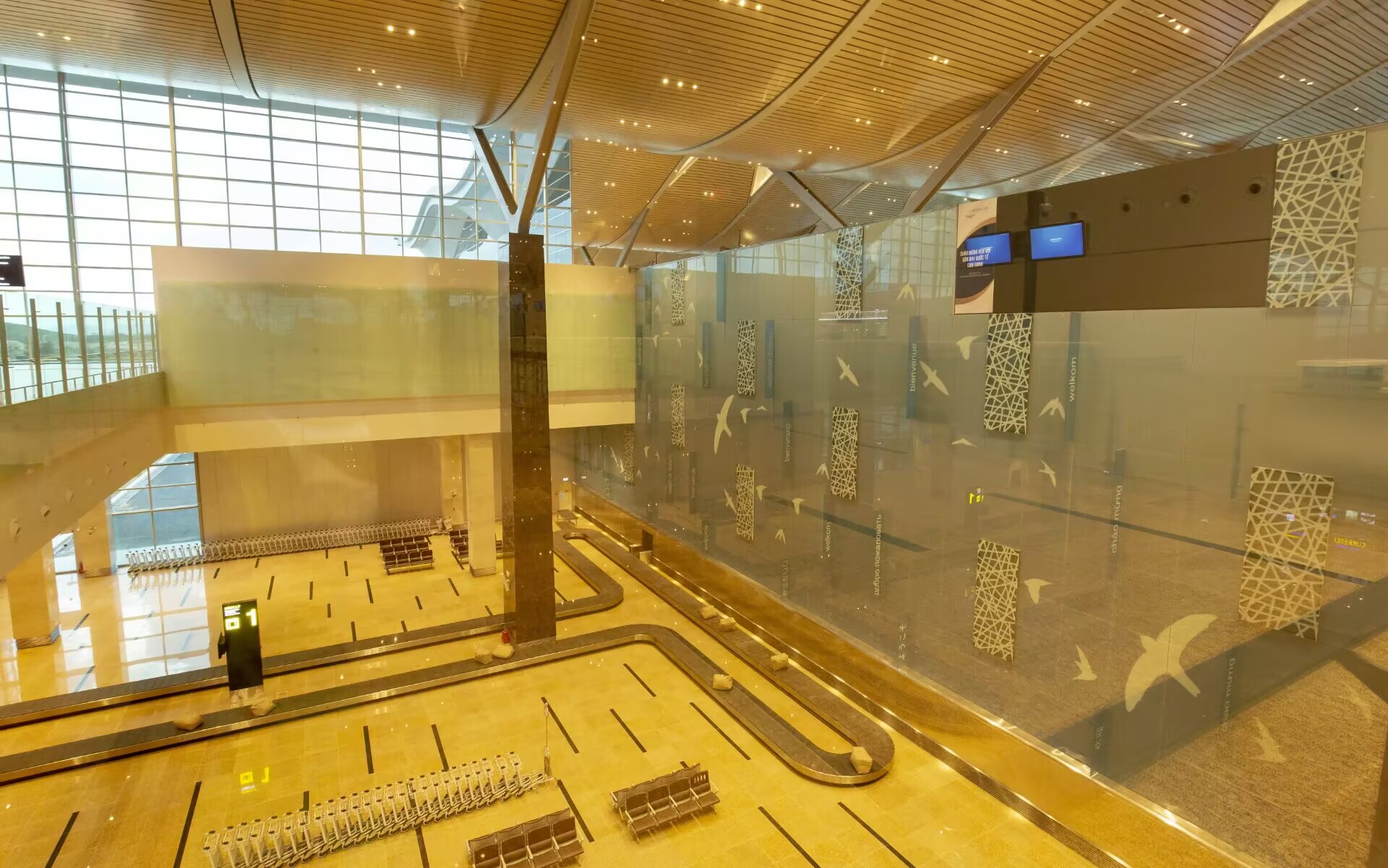
Long-term supply relationships often emerge from successful project work. KXG's project experience includes commercial installations in the Middle East involving 100–200 units with service lives of 2–10 years. In Vietnam, KXG supplied glass for airport curtain walls and decorative walls, with installations involving 200–500 units and project durations of 3–10 years. These references illustrate that the company's glass is used in demanding public and commercial environments, which is relevant for buyers who need assurance that a supplier can support long service-life expectations.
For door and window fabricators, the lesson is practical: a supplier with demonstrated project experience in airports, commercial buildings, and skylight systems is likely to understand the quality and documentation requirements that come with large-scale construction.
Limitations and Boundaries of Long-Term Supplier Partnerships
No supplier relationship is without boundaries, and a realistic assessment helps both parties set expectations. First, even a supplier with large production capacity will face peak-season constraints; buyers should place orders early during high-demand periods. Second, certification compliance applies to the products supplied, but installation quality remains the responsibility of the fabricator or contractor. Third, while HST reduces spontaneous breakage risk, it cannot eliminate all breakage events; proper installation and building conditions are equally important.
Additionally, long-term partnerships require ongoing communication. A supplier's commitment to quality is demonstrated over multiple orders, not just in the first shipment. Buyers should treat the relationship as a joint effort to maintain quality, delivery, and cost predictability.
Future Outlook: What Door and Window Fabricators Should Expect from Suppliers
As building projects become more demanding, door and window fabricators will likely rely on suppliers who can offer more than basic tempered panels. Energy efficiency requirements will continue to push demand for insulated glass and Low-E coatings. Safety regulations will maintain the need for certified laminated and tempered products. Aesthetic expectations will support the use of low iron glass, frosted finishes, and precisely processed edges.
In this environment, the most valuable supplier is one with a broad portfolio, consistent capacity, and documented quality systems. KXG's combination of tempered, laminated, insulated, and specialty glass production provides a foundation for fabricators who want to consolidate sourcing and build long-term supply security.
Frequently Asked Questions
What is KXGLASS and where is it located?
KXGLASS, legally named Dongguan Kunxing Glass Co., Ltd, is a glass deep-processing manufacturer established in the early 1990s in Dongguan, Guangdong Province, China. It specializes in tempered glass, laminated glass, insulated glass, and other value-added glass products for the building industry.
What is the monthly production capacity of KXGLASS?
KXGLASS reports a monthly production capacity of 100,000 square meters. This capacity supports repeat orders for door and window fabricators in markets such as the EU, US, Middle East, and Southeast Asia.
Which international certifications does KXGLASS hold for tempered glass?
KXGLASS has passed ISO international certification and China's national 3C certification. Its products also meet international standards including European CE/EN12150, Australian AS/NZS 2208, and American SGCC.
What thicknesses of tempered glass does KXG offer?
KXG offers tempered glass in 4 mm, 5 mm, 6 mm, 8 mm, 10 mm, 12 mm, 15 mm, 19 mm, 22 mm, and 25 mm thicknesses, covering common door and window specifications.
What are KXG's ordering and payment terms?
The minimum order quantity is 100 square meters. Delivery is available under EXW, FOB, or CIF terms. Payment is 30% TT in advance and 70% balance TT before shipping; orders under USD 10,000 require full payment.
What edge processing options does KXG provide?
KXG provides polished edge processing that achieves a surface roughness of Ra 0.1–0.3 μm and increased edge strength, reducing edge chipping during handling and installation.
How does KXG reduce the risk of spontaneous glass breakage?
KXG applies the Heat Soak Test (HST), heating glass to 290°C before delivery to trigger early breakage of flawed panels. It also advises proper installation practices such as using elastic pads and controlling temperature differences.
Download the KXGLASS company brochure (PDF) for further technical and company reference.
¿Tiene preguntas o necesita más detalles?
Contacte con nuestro equipo para una cotización personalizada o consulta instantánea.
Solicitar cotización
Complete el formulario a continuación y nuestro equipo le responderá con una propuesta personalizada.
Chat directo de WhatsApp
¿Prefiere chatear en tiempo real? Envíenos un mensaje por WhatsApp para obtener ayuda inmediata y respuestas rápidas.
- Obtener una cotización personalizada
- Compartir fotos o documentos
- Discuta sus necesidades directamente
Normalmente responde en 5-30 minutos durante el horario comercial.