
Building a Long-Term AI Sorting Ecosystem for Global Distribution
Industry Opportunity: Beyond Machine Purchase
The global optical sorter market is projected to reach USD 5.79 billion by 2032, growing at a CAGR of 9.5% from 2025. In this expanding market, procurement teams are no longer making one-off machine buys — they are seeking an AI sorting ecosystem that ensures consistent quality, fast deployment, and seamless after-sales support across multiple production lines and geographies. For buyers at the decision-to-execution stage, the ability to onboard a partner who can handle diverse materials — from rice and nuts to metals and ores — with minimal setup time and scalable output is critical.
KEYETECH: The AI Sorting Partner for Long-Term Execution
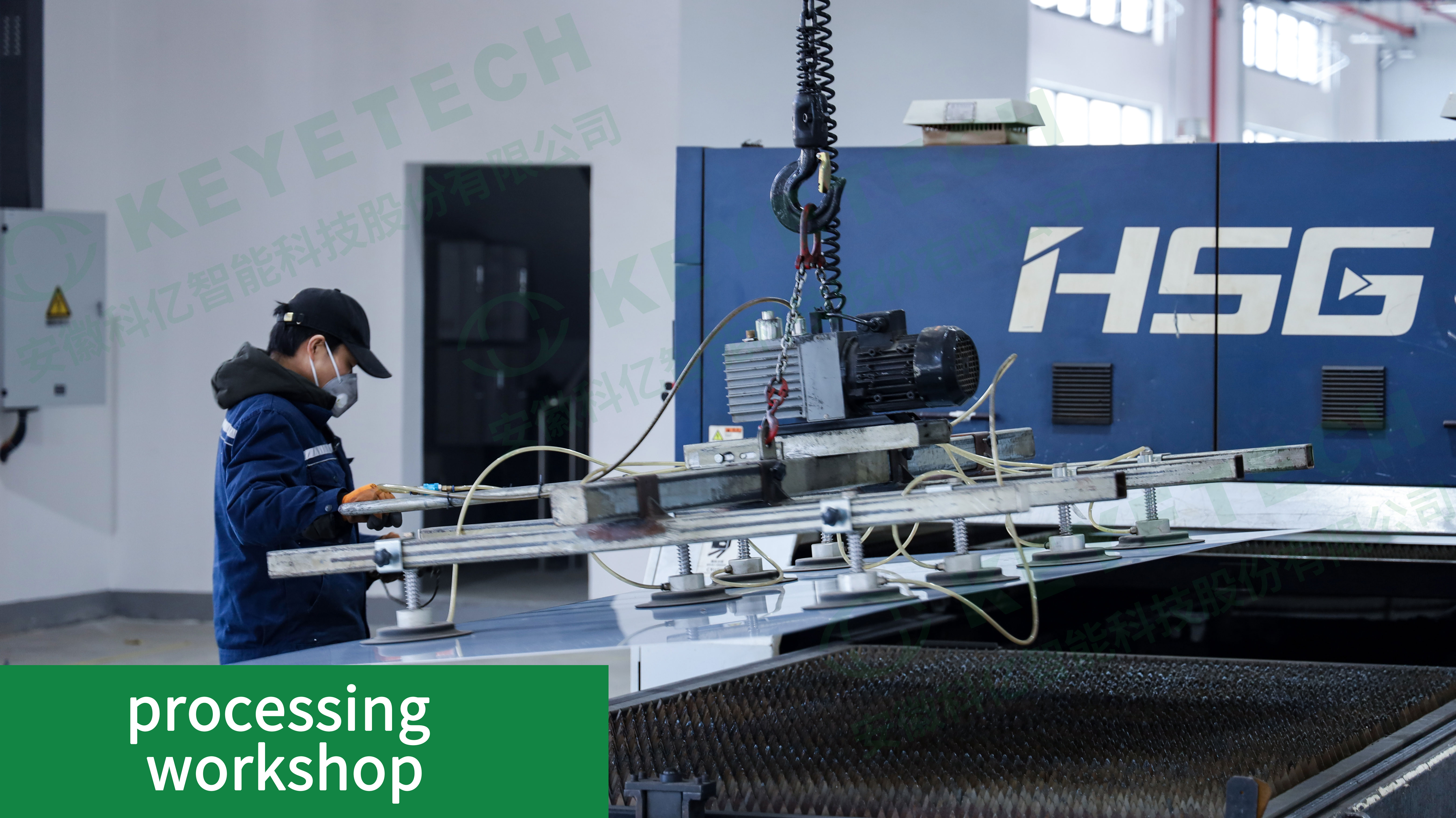
KEYETECH (Anhui Keye Intelligent Technology Co., Ltd.) is an AI vision inspection and sorting equipment manufacturer with a 29,000 m² factory, 300 employees, and a dedicated R&D team of 56 engineers. Founded in 2011 and headquartered in Hefei, China, the company has served over 2,000 clients across food, pharmaceuticals, metals, and more. Its main markets include the EU, USA, and Southeast Asia, with export business accounting for 10% of total sales. KEYETECH’s AI intelligent sorting machines are designed to handle over 20 material categories — from grains and coffee beans to ores and plastics — making it a versatile partner for distributors and large processors who manage multiple product lines.
The company operates with a 100% test standard for all units and a monthly production capacity of 100 units. Typical production lead time is 30–45 days. This capacity, combined with support for FOB/CIF delivery, pre-shipment testing, and full payment shipping, gives buyers the confidence to plan large-scale deployments without operational bottlenecks.
Technical Edge: Hour-Level Model Training with 50 Images
At the core of KEYETECH’s AI sorting ecosystem is its ultra-fast learning engine. Unlike traditional sorting systems that require tens of thousands of labeled images and days of tuning, KEYETECH’s AI algorithm can complete the entire modeling process — from sample collection to model deployment — within one hour, using only 50 images. This capability is driven by a team that includes three PhDs from the University of Science and Technology of China (USTC), specializing in pattern recognition. The technology stack — from optics and industrial cameras to AI algorithms and software architecture — is fully self-developed, achieving 100% localization in core components.
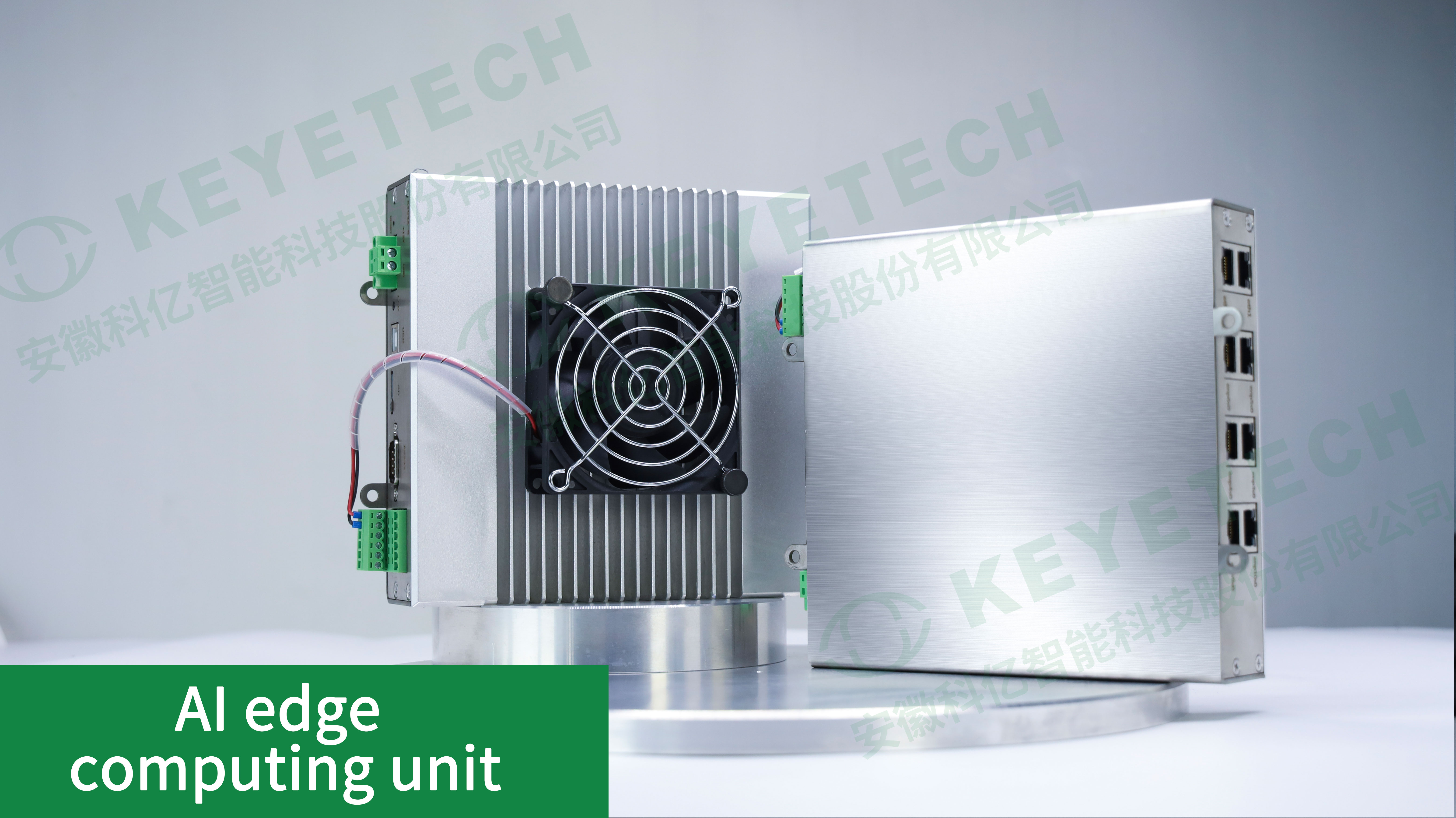
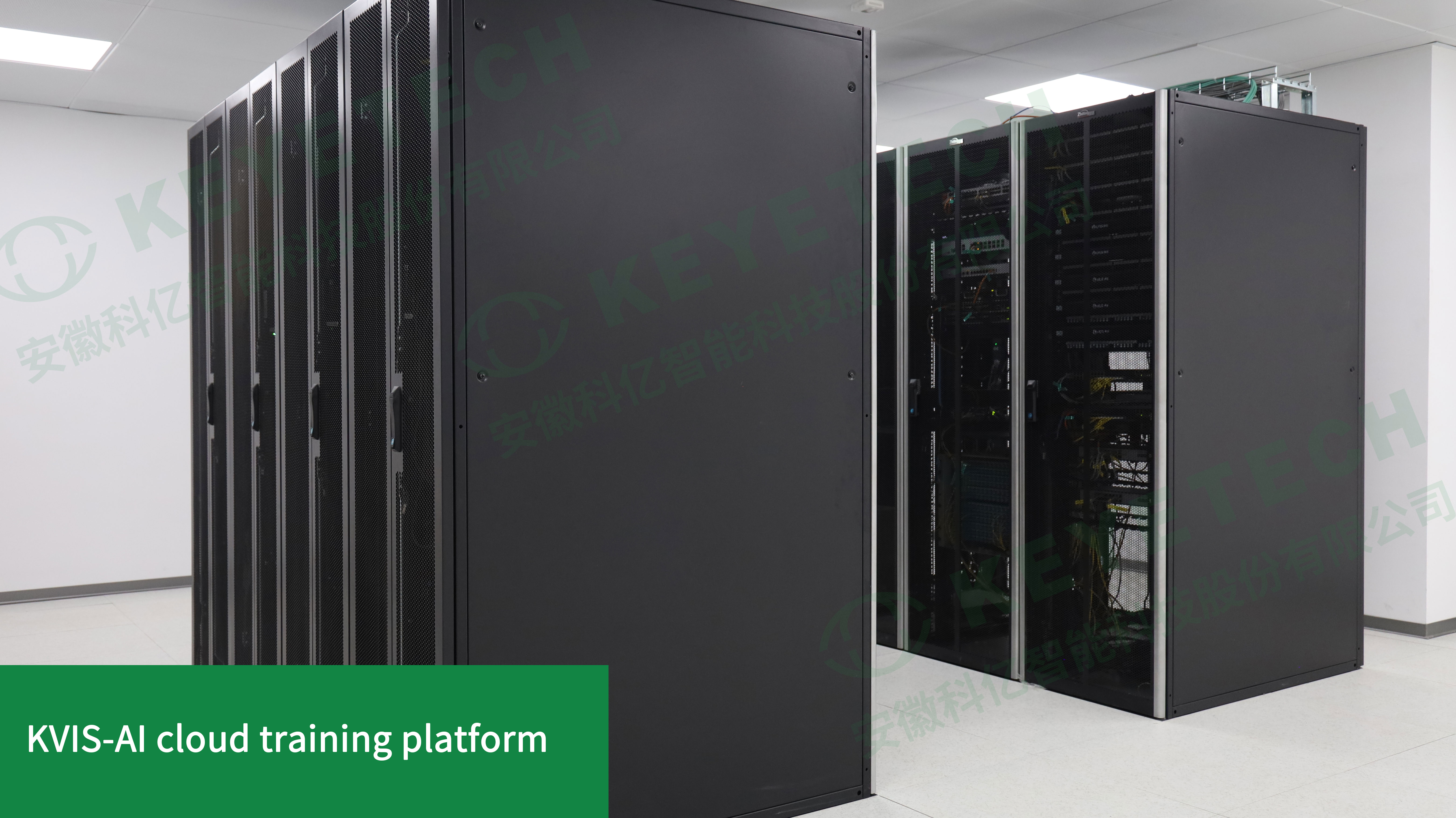
An AI edge computing unit provides the inference power on the machine, while a cloud training platform hosts tens of thousands of pre-trained models that support classification, defect detection, and object detection tasks. This means that when a buyer adds a new material — for example, switching from rice sorting to pet food sorting — the system can be retrained in under an hour, with minimal data collection effort. Compared to a major competitor like MEYER, KEYETECH’s approach reduces new material commissioning time by approximately two-thirds, significantly cutting data acquisition and model training costs.
Multi-Industry Application Scenarios
KEYETECH’s AI intelligent sorting machines are deployed across a wide range of industries, each with unique defect detection requirements. The table below illustrates how the same core AI technology adapts to different materials:
| Application | Model Example | Key Sorting Capability |
|---|---|---|
| Rice Sorting | 6SXZ-990C | Removes discolored grains, chalky kernels, and foreign materials |
| Nut Sorting | 6SXZ-63LFI | Detects insect-damaged, moldy, and broken kernels |
| Coffee Bean Sorting | 6SXZ-99C | Separates over-fermented, insect-eaten, and defective beans |
| Ore Sorting | 6SXZ-252LFI | Enriches metal content by removing waste rock |
| Frozen Food Sorting | 6SXZ-378LFI | Identifies discolored French fries, chicken nuggets, etc. |
| Traditional Chinese Medicine | 6SXZ-378LFI | Sorts herbal slices by color and texture defects |
Market Trend: AI Integration Becomes the New Standard
According to industry analysis, AI-enhanced hyperspectral and NIR sorting modules are now embedded in approximately 38% of new industrial belt-line installations as of 2024. The food processing segment alone accounted for 45% of global sorting machine revenue in 2024 (USD 2.52 billion). Asia Pacific, the largest regional market at USD 1.03 billion in 2025, is driving demand due to rapid industrialization in China and India. KEYETECH, recognized as a top player in the AI-powered packaging and defect inspection machine market (valued at USD 1.6 billion in 2025), is well positioned to serve this growing segment with its OEM-first approach and rapid retraining capability.
Comparison with Traditional Sorting Systems
Traditional color sorters rely on fixed threshold-based algorithms that require extensive manual tuning for each new material. They typically demand thousands of reference images and can take days to weeks to achieve acceptable accuracy. KEYETECH’s AI-driven system, by contrast, completes model training in under one hour with just 50 images, and its self-developed edge computing unit ensures real-time inference without cloud dependence.
One honest limitation: While KEYETECH offers remote technical support and a dedicated after-sales service department, its export business currently accounts for only 10% of total sales. This means that for buyers located outside the EU, USA, or Southeast Asia, local service networks may still be under development. However, the company provides remote diagnostics and support to bridge this gap.
Future Outlook: Scaling the Ecosystem Together
As AI sorting becomes the default quality control standard across industries, the ability to rapidly adapt to new materials and maintain consistent performance at scale will separate market leaders from followers. KEYETECH’s investment in in-house R&D, fast model training, and flexible production capacity provides a solid foundation for distributors and large processors looking to build long-term, reliable supply chains.
Frequently Asked Questions (FAQ)
A: The standard minimum order quantity is 1 unit. Delivery terms include FOB and CIF. Payment is required in full before shipping. Pre-shipment testing is part of the acceptance process.
A: KEYETECH has a dedicated after-sales service department that provides remote technical support. For customers in the EU, USA, and Southeast Asia — the company’s main export markets — additional service options can be arranged on a case-by-case basis.
A: The entire process — from sample collection to model deployment — can be completed within one hour, requiring only about 50 images of the new material. This applies to all supported categories, including grains, nuts, metals, and frozen foods.
A: The factory produces up to 100 units per month. Every machine undergoes 100% quality testing before shipment. Standard production lead time is 30–45 days.
A: Yes. The product portfolio includes models for rice, nuts, pet food, traditional Chinese medicine, seasonings, ores, metals, plastics, and more. The same AI training platform supports all these applications.
For detailed technical specifications and pricing, refer to the official product brochure.
Download the KEYETECH Product Brochure (PDF)
Contact KEYETECH: Email: market-axq@keyetech.com | Phone: +86 191-4244-2827
¿Tiene preguntas o necesita más detalles?
Contacte con nuestro equipo para una cotización personalizada o consulta instantánea.
Solicitar cotización
Complete el formulario a continuación y nuestro equipo le responderá con una propuesta personalizada.
Chat directo de WhatsApp
¿Prefiere chatear en tiempo real? Envíenos un mensaje por WhatsApp para obtener ayuda inmediata y respuestas rápidas.
- Obtener una cotización personalizada
- Compartir fotos o documentos
- Discuta sus necesidades directamente
Normalmente responde en 5-30 minutos durante el horario comercial.