
Building Long-Term Commercial Tile Supply Chains: All-King Ceramics as a Strategic Partner for Global Projects
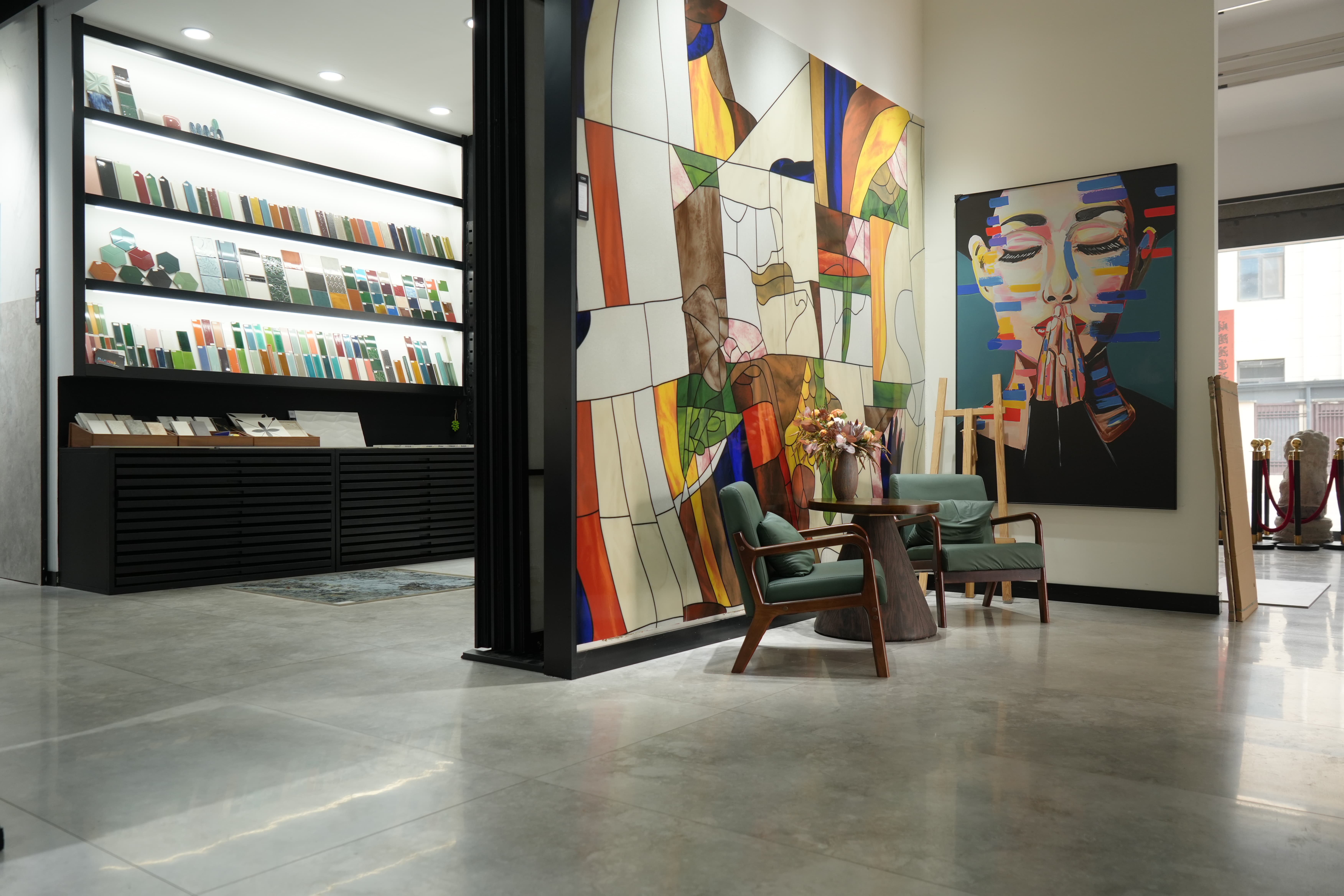
For procurement teams managing large-scale commercial developments—from shopping malls in Southeast Asia to railway stations in Eastern Europe—selecting a tile supplier is no longer a transactional purchase; it is a multi-year commitment to quality, logistics, and after-sales support. ZIBO ALL-KING CERAMICS CO., LTD (All-King Ceramics), a 60,000 m² manufacturer and direct exporter based in Zibo, China, positions itself as a production-backed partner for commercial tile solutions that require consistency across high-volume orders, diverse climatic conditions, and strict international compliance.
The Challenge of Sourcing at Scale
Commercial projects—airport terminals, hotel chains, logistics warehouses, and hospital complexes—demand more than aesthetic surface appeal. They require tiles that withstand heavy foot traffic, freeze-thaw cycles, chemical cleaning, and heavy point loads. At the same time, the buyer must manage long lead times, fragmented logistics, and varying certification requirements across markets. Many lower-grade ceramic tiles fail in these environments, leading to cracking, staining, or slip hazards that increase life-cycle costs. A single specification error on a 50,000 m² project can delay delivery by months and raise total cost of ownership by as much as 20–30% in maintenance and replacement.
All-King Ceramics’ Commercial Tile Solutions
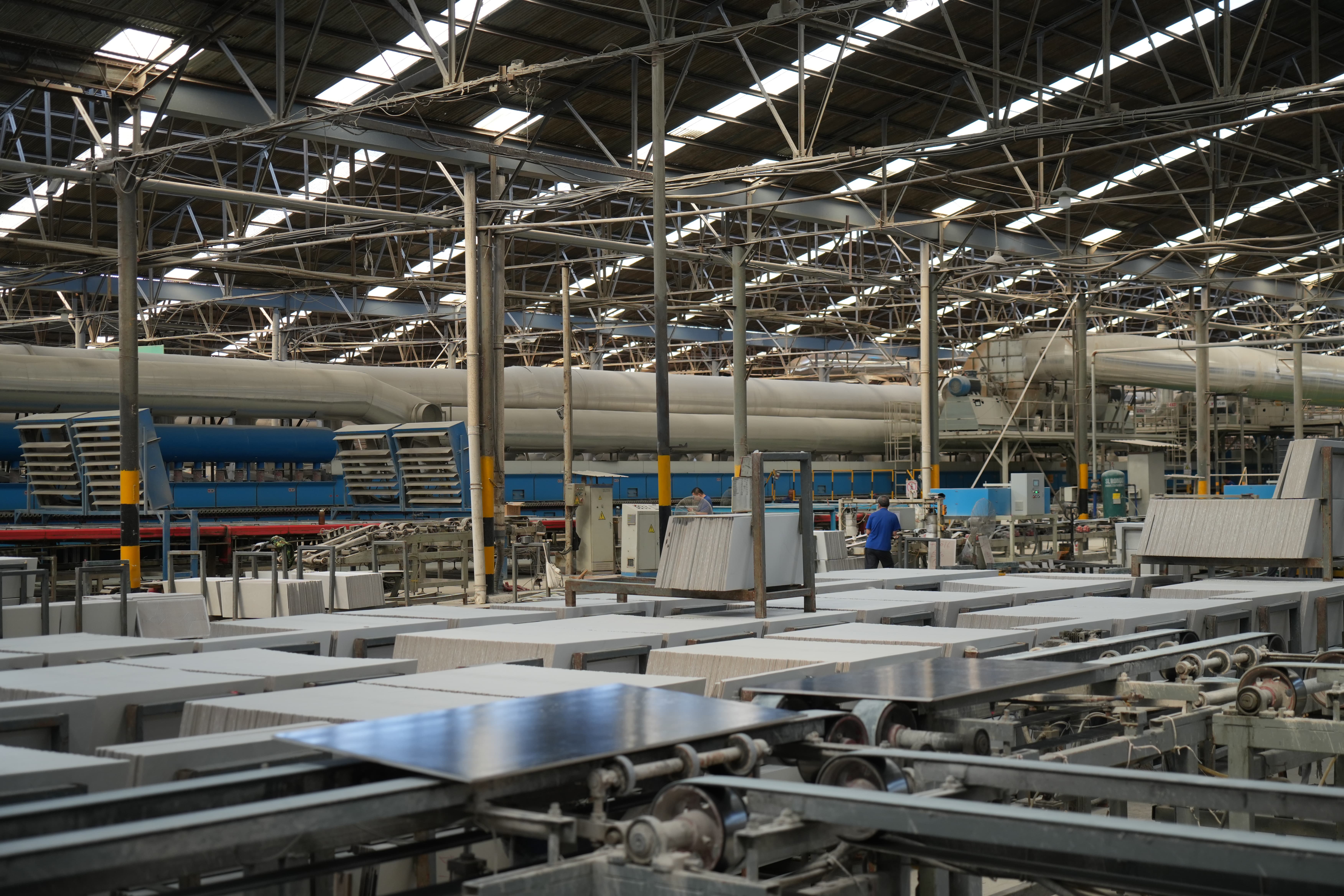
All-King Ceramics addresses these challenges through a vertically integrated production model. With a monthly production capacity of 1.2 million square meters and an annual output of 12–16 million m², the factory maintains consistent quality across repeat orders—a critical factor for infrastructure clients who need phased deliveries. The product range covers the most demanded formats for commercial projects: 60×60 cm, 60×120 cm (flagship), 80×80 cm, 100×100 cm, and 75×150 cm porcelain tiles. Each format is available in finishes that suit specific applications, including marble-effect for lobbies, full-body through-color for high-abrasion zones, and frost-resistant outdoor series for climates in Central Asia and Russia.
Technical Specifications Backed by Testing
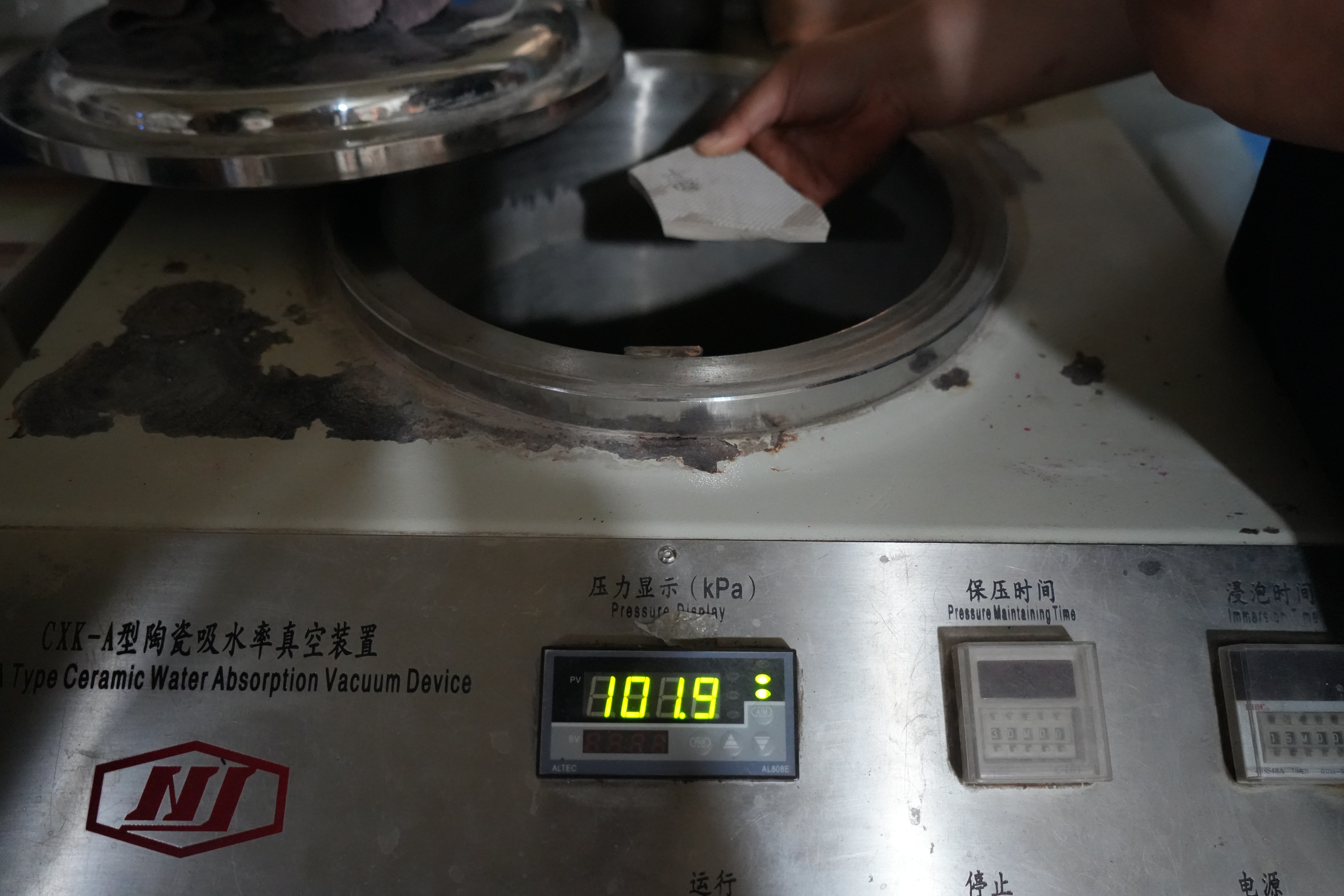
All-King Ceramics’ porcelain tiles are classified under Group BIa (water absorption ≤ 0.5%) in alignment with ISO 13006 / EN 14411 standards—the globally recognized benchmark for vitrified tiles suitable for commercial use. Key parameters include a breaking strength ≥ 1,300 N, a modulus of rupture ≥ 35 MPa, Mohs hardness of 6–7, and abrasion resistance rated PEI 4/5. For frost-prone installations, tiles are tested to withstand freeze-thaw cycles per ISO 10545-12, ensuring durability in outdoor plazas and unheated transit hubs. The factory deploys SACMI presses, laser flatness sorters, and automatic digital weight monitoring to control warpage and dimensional consistency—common failure points in mass-produced commercial tiles.
Use-Case Scenarios Across Global Markets
Shopping Malls & Apartment Complexes (Malaysia, Philippines)
The Southeast Asia ceramic tiles market is valued at approximately USD 11.5 billion in 2024, driven by retail and residential construction. For a shopping mall in Kuala Lumpur or an apartment project in Manila, All-King Ceramics supplies large-format porcelain slabs (100×100 cm) with PEI 5 wear resistance to handle constant foot traffic. The company’s acceptance of third-party inspection allows developers to verify compliance before shipment.
Hospitality & Infrastructure (Eastern Europe, Central Asia)
Hotels in Eastern Europe and railway/airport terminals in Kazakhstan and Uzbekistan require freeze-thaw resistant flooring and antibacterial wall tiles for bathrooms. All-King Ceramics provides frost-resistant outdoor porcelain tiles and antibacterial glazed options for healthcare areas. The Russia ceramic tiles market, valued at USD 3.2 billion in 2024, represents a core region where the company’s experience with CNF/CIF logistics and rail freight solutions reduces inland transport costs.
Logistics Warehouses & Industrial Zones
Heavy-duty full-body porcelain tiles, with wear color extending through the entire thickness, are specified for warehouse aisles and factory floors. All-King Ceramics’ full-body series eliminates the risk of surface wear revealing a different clay color, meeting the abrasion demands of forklift traffic.
Market Trend Analysis: The Shift Toward Direct-from-Factory Procurement
Global ceramic and porcelain tiles market reached USD 423.90 billion in 2024, with long-term projections toward USD 845.80 billion by 2034 (Custom Market Insights). A notable trend is the increasing preference among developers and contractors to bypass intermediaries and source directly from specialized manufacturers. This shift is especially visible in Central Asia: Uzbekistan imported USD 125 million of ceramic products in 2024, with China as the top supplier at USD 75.1 million (OEC). Similarly, China’s tile exports to the Philippines grew 77.5% year-on-year in March 2025. For buyers, direct factory sourcing reduces per-unit cost and enables tighter control over specification, packaging, and delivery scheduling.
Comparison with Low-Grade Ceramic Tiles
When compared to low-grade ceramic tiles, All-King Ceramics’ porcelain tiles deliver approximately 10% lower water absorption, over 15 MPa higher breaking strength, and +3 Mohs hardness. In total cost terms, the direct factory price is approximately 10% lower than equivalent-grade imports, while installation costs are about 20% lower due to better dimensional flatness—reducing the need for leveling compounds. Maintenance costs over a 10-year cycle are roughly 30% lower, as porcelain requires no sealing, experiences less staining, and demands less frequent replacement. One honest limitation: while porcelain is denser and harder than ceramic, it can be more brittle under extreme point loads if not properly reinforced (e.g., tile backer board). Project planners should account for subfloor preparation accordingly.
Future Outlook: Ecosystem-Based Partnerships
The commercial tile procurement model is evolving from one-off quotations to long-term supply agreements that include batch tracking, reorder support, and shared specification development. All-King Ceramics’ after-sales services—damage compensation, online installation guidance, 24/7 technical consultation, and batch tracking—are designed to support these multi-project relationships. Buyers working on infrastructure pipelines in Russia, Central Asia, or Southeast Asia can leverage the factory’s flexible payment terms (30% T/T advance, 70% against BL copy, or L/C) and per-design MOQ of 400 m² (trial orders accepted).
Frequently Asked Questions (FAQ)
- What is the minimum order quantity for commercial tile projects?
All-King Ceramics requires a minimum of 400 square meters per design for standard orders, with trial orders accepted for sample evaluation. - What delivery methods are available for international projects?
The company supports EXW, FOB, CNF, and CIF terms, with experience in rail freight solutions for Central Asia and container shipping to Southeast Asia, Russia, and the Middle East. - What payment terms does All-King Ceramics offer?
Payment options include 30% T/T in advance with 70% against copy of bill of lading, L/C, and cash—providing flexibility for both small developers and large-scale contractors. - Can third-party inspection be arranged?
Yes, All-King Ceramics accepts third-party inspection to verify product quality and compliance before shipment. - What after-sales support is provided for long-term projects?
After-sales services include damage compensation, online installation guidance, 24/7 technical consultation, and batch tracking with reorder support for phased deliveries. - How does All-King Ceramics ensure quality consistency across large orders?
The factory operates SACMI presses, laser flatness sorting, automatic digital weight monitoring, and ISO 9001-certified quality management systems, with a monthly output of 1.2 million m².
For detailed product specifications, format matrices, and packing details, download the full catalog: All-King Ceramics Product Catalog (PDF).