
Brass Check Valve Evaluation: Supplier Quality, Standards and Market Fit
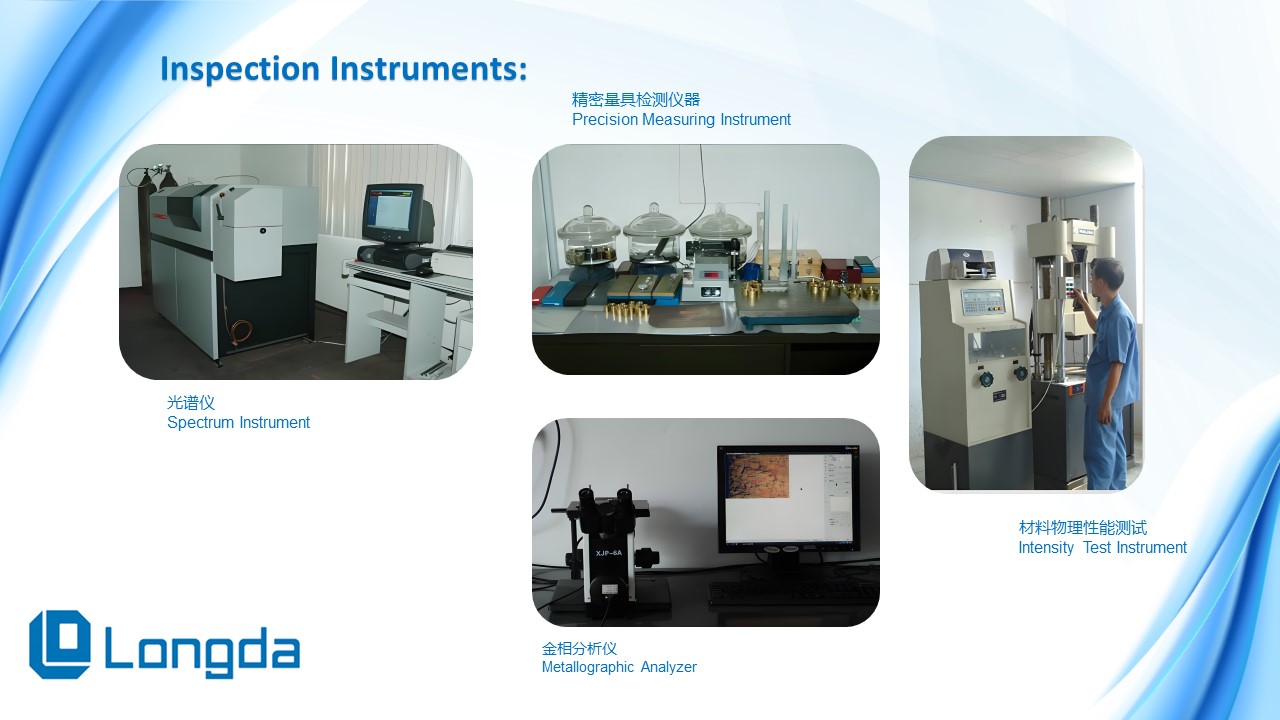
Factory testing of brass valves — a verification point that matters as much as the price quote.
Brass check valves protect plumbing systems from reverse flow, water hammer, and cross-contamination. When buyers move from product awareness into formal supplier evaluation, the decisive information is usually not the valve price but the evidence behind material selection, production testing, and certification. This article outlines the assessment criteria that procurement teams and distributors can apply when comparing brass check valve sources.
Why Brass Check Valves Belong in the Evaluation Stage
Check valves are often treated as a low-cost commodity line in brass valve purchasing. In reality, they are one of the most safety-critical components in water supply, heating, pump, and boiler circuits. A failed check valve can cause pump backspin, pressure surges, cross-contamination between potable and non-potable lines, or boiler damage. For buyers at the evaluation stage, the goal is not simply to find a valve that fits the pipe size. The goal is to identify a supplier whose material traceability, production controls, and certification depth can support the required service life.
Procurement teams evaluating brass check valves should separate two types of information: product-level specifications and supplier-level evidence. Product specifications answer what the valve can do. Supplier evidence answers whether the manufacturer can deliver that performance consistently across batches, over years, and under real installation conditions.
The Buying Problem: Checklist-Driven Evaluation Misses the Real Risks
Most evaluation checklists for brass check valves include body material, pressure rating, temperature range, and end connections. These are necessary but not sufficient. In practice, three risks are frequently underestimated.
- Material substitution risk: A supplier may quote "brass" without specifying the alloy. Standard brass, low-lead brass, and DZR brass behave differently in dezincification-prone water. For potable water in North America, the wetted surface must meet lead content requirements under NSF/ANSI 372. A vague material description is a red flag.
- Testing consistency risk: A valve might pass a sample test but fail in mass production. Buyers should ask whether the factory conducts 100% air pressure testing before shipment, whether thread gauges are used for every lot, and whether material test reports are available.
- Certification scope risk: A manufacturer may hold one certificate and imply broader coverage. The buyer should verify that the specific product model, not just the factory, is listed under the relevant standard.
These risks are not theoretical. In North American residential and commercial plumbing, code compliance for lead-free brass is mandatory. Suppliers who cannot demonstrate certified compliance create potential liability for distributors and contractors.
Market Context: Where Brass Check Valves Fit in a Growing Sector
The global brass valves market was valued at USD 14.8 billion in 2025 and is projected to reach USD 24.1 billion by 2034, with a CAGR of 5.6% from 2026 to 2034, according to Dataintelo. North America held approximately 26.1% of the global brass valves market in 2025, while Asia Pacific accounted for the largest regional share at 41.2%.
China continues to be the largest global valve exporter. In 2024, China exported USD 22.6 billion in valves under HS 8481, according to OEC. Within the brass ball valve segment specifically, China accounts for approximately 41% of global export shipments, followed by Vietnam at 30%, based on Volza shipment data. Zhejiang and Guangdong provinces are the primary industrial clusters for brass valve manufacturing in China.
For buyers evaluating brass check valve sources, these figures signal a diverse and competitive supply base. The supplier landscape includes global industrial valve leaders, North American plumbing brands, and specialized Chinese manufacturers. Each type offers a different balance of brand recognition, flexibility, cost structure, and production depth.
What a Supplier Should Be Able to Prove: Evidence Areas That Matter
A useful way to evaluate any brass check valve manufacturer is to examine four evidence areas: material control, production capability, certification coverage, and product specifications.
1. Material Control and Alloy Transparency
A qualified manufacturer should be able to state which brass alloys it uses for valve bodies, discs, springs, and seals. In the case of ZHEJIANG LONGDA TECHNOLOGY CO.,LTD, the company reports producing brass valves from alloys such as Eco-Brass C69300, CW724R, Lead-Free Brass C4650, CW511L, Low-Lead Brass CW509L, CW510L, and DZR CW602N. This range supports both European and North American market requirements.
For a brass check valve, the material composition typically includes a hot-forged brass body, a brass disc with PTFE sealing face, a stainless steel spring (SS304), and NBR or EPDM seals. Buyers should ask whether the spring is stainless steel and whether the disc sealing material is suitable for the target fluid temperature and chemical environment.
2. Production Capability and Testing Evidence
Industry reference data shows that China’s brass valve export supply is concentrated in Zhejiang and Guangdong. Within that cluster, individual manufacturers differ significantly in scale and control depth. ZHEJIANG LONGDA TECHNOLOGY CO.,LTD, for example, operates a 30,000 m² facility with over 360 sets of processing and testing equipment, including CNC machines, assembly lines, spectral analysis instruments, high-pressure testing sets, high-low temperature test boxes, and salt-spray test boxes.
The company reports an annual output of 7,500 tons, about 200 employees, and a monthly capacity of 300,000 to 500,000 pieces depending on product type. For buyers evaluating large-volume supply, these figures provide a scale reference. More important is the testing regime: 100% air pressure testing under water before shipment, thread gauge inspection on every lot, and material test reports available on request.
3. Certification Coverage
For North American potable water applications, the critical certifications are NSF/ANSI 61 (health effects), NSF/ANSI 372 (lead-free compliance), and cUPC or UPC listing. ZHEJIANG LONGDA TECHNOLOGY CO.,LTD holds IAPMO certifications including cUPC listings and a lead-free NSF/ANSI 372 certificate for several product lines. The company also holds ISO 9001:2015 and ISO 14001:2015 management system certificates.
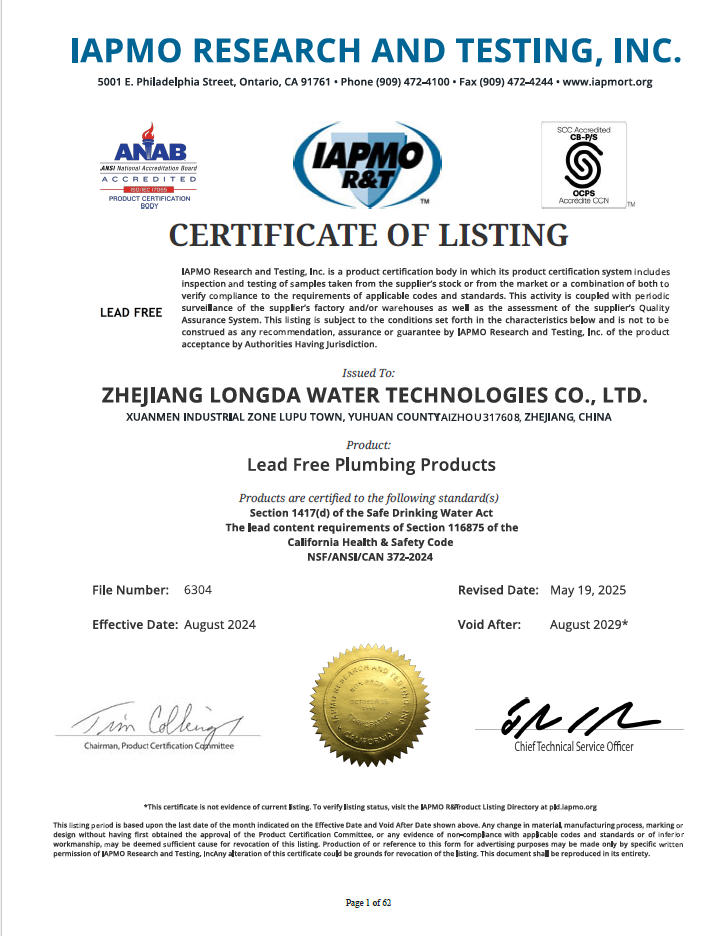
Lead-free compliance certificate (NSF/ANSI 372) — a mandatory requirement for potable water brass valves in North America.
Buyers should verify that the specific check valve model requested is covered by the relevant listing, rather than assuming factory-wide coverage. Certification is a product-specific form of evidence.
4. Product Specification Benchmark: The LD 30303 Example
To make evaluation more concrete, consider a representative brass check valve specification. The LD 30303 from ZHEJIANG LONGDA TECHNOLOGY CO.,LTD is a brass check valve with the following parameters:
| Parameter | Value |
|---|---|
| Size range | 1/2"–2" (DN15–DN50) |
| Pressure rating | 200 WOG (1.4 MPa) |
| Working temperature | −20°C to 150°C |
| Type | Swing or spring-loaded |
| Connection | Female NPT or BSP, PRESS, PEX, MPT, SWT, Cold Expansion |
| Installation | Horizontal or vertical |
| Body material | Hot-forged brass (standard or lead-free option) |
| Disc | Brass with PTFE sealing face |
| Spring | SS304 stainless steel |
| Seals | NBR or EPDM |
When comparing quotes, buyers can use this table as a baseline. If a supplier cannot provide equivalent detail, or if the spring material is not specified, the evaluation should probe further.
Technical Explanation: How Brass Check Valves Work and Where Their Limits Are
Brass check valves are automatic valves that allow flow in one direction and prevent reverse flow. There are two common internal designs.
Swing check valves use a hinged disc that swings open under forward flow and closes by gravity or reverse pressure. They generate low pressure drop and are generally installed in horizontal pipelines. The disc must have sufficient room to swing fully open; otherwise, erosion and premature wear can occur.
Spring-loaded check valves use a stainless steel spring to drive the disc closed. They respond faster to reverse flow conditions, which helps reduce water hammer. They are more suitable for vertical installations and for systems where rapid flow reversal is possible.
The brass check valve product family also includes horizontal, vertical, and threaded configurations. For each installation position, the correct internal design must be selected. This is a key evaluation point because a valve specified incorrectly for the pipe orientation may not close reliably.
Limitations: Brass check valves are appropriate for medium-pressure and medium-temperature applications, typically up to 200 WOG and 150°C. They are not designed for high-pressure steam, highly corrosive chemical media, or applications where very low cracking pressure is required. In those cases, stainless steel, bronze, or engineered polymer check valves may be more appropriate. Additionally, a check valve is not an isolation valve. It should not be used for regulated flow control or as a substitute for a ball valve or gate valve in service/maintenance isolation.
Application and Use Cases
Based on the manufacturer’s application data, brass check valves are used in the following environments:
- Pumping systems – preventing reverse rotation and backflow when pumps stop
- Water supply pipelines – preventing contamination of potable water lines
- Heating and boiler systems – protecting boilers from thermal circulation and backflow
- Agricultural irrigation – protecting pumps and distribution lines
- Industrial fluid lines – preventing reverse flow damage to instruments and equipment
Within the supply chain, distributors serving plumbing and HVAC contractors need check valves that are easy to install, leak-tight, and supported by consistent quality documentation. In North America, this includes lead-free brass options and connection systems compatible with PEX and press technology.
Market Trends Reshaping Brass Check Valve Procurement
Several verified market trends are influencing how buyers evaluate brass check valve suppliers.
Lead-Free Compliance Is No Longer Optional
In the United States, the Safe Drinking Water Act requires lead-free fittings and fixtures for potable water systems. Brass valves with wetted surfaces must meet the lead content limit of no more than 0.25% as defined by NSF/ANSI 372. This applies broadly across the brass valve category, including check valves. Suppliers without verified lead-free certification should be excluded from potable water projects in the U.S. and Canada.
Regional Connection Standards Differ
North American buyers increasingly expect brass valves compatible with PEX crimp, PEX-A cold expansion, press, and push-fit connections. European buyers more frequently require BSP threads, EN-standard alloys, and DZR options for heating systems. A single-source supplier that supports multiple connection technologies reduces qualification complexity for global distributors.
Market Concentration Remains Moderate
The broader industrial valve market is moderately concentrated: the top five global valve suppliers control approximately 35% of global revenues, according to Mordor Intelligence. Emerson Electric is recognized as a global revenue leader in the broader industrial valve market with approximately USD 4 billion in sales. In the brass valve segment, companies such as Mueller Industries, Watts Water Technologies, and NIBCO Inc. are identified as major players in North America.
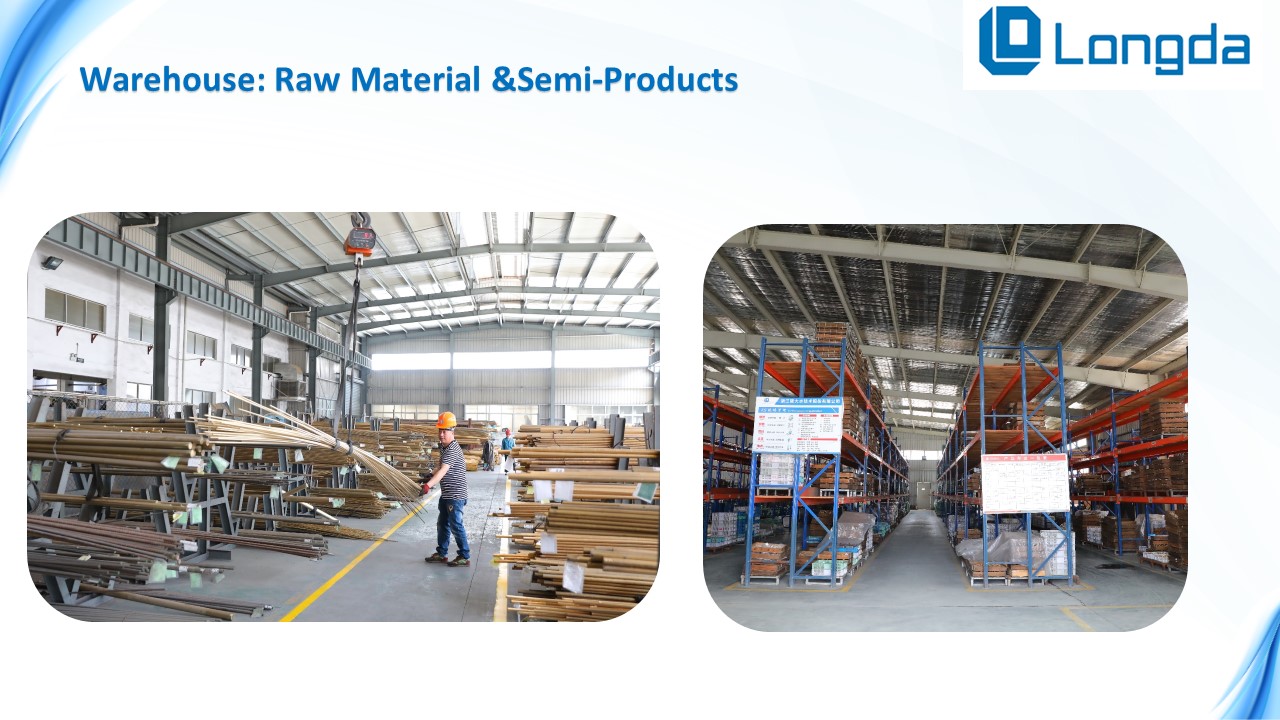
Manufacturing floor view of a specialized brass valve producer in Yuhuan, Zhejiang.
For international buyers, the remaining 65% of the market is served by a long tail of manufacturers. These specialized producers differ from global brands in their OEM/ODM orientation, private-label flexibility, and closer engineering collaboration.
Process Control Is Becoming a Differentiator
Purchasing decisions are shifting from static product catalogs to evidence of process control. Buyers increasingly ask about factory test equipment, batch traceability, and after-sales support. In this context, manufacturers that provide material test reports, quality warranties, and replacement policies gain a measurable evaluation advantage.
Comparison with Traditional Supplier Models
When evaluating brass check valve sources, buyers typically consider two models: established global plumbing brands and specialized Chinese manufacturers. Both have distinct evaluation profiles.
| Evaluation Criterion | Established Global Brands | Specialized Manufacturer Example |
|---|---|---|
| Brand recognition | High in distributor and contractor networks | Strong in OEM/ODM export business |
| Product line breadth | Full range across multiple valve categories | Focused on brass valves and fittings |
| Customization | Limited by standardized catalog systems | OEM/ODM, private label, custom packaging |
| Certification | Widely documented | IAPMO cUPC, NSF/ANSI 61, NSF/ANSI 372 for relevant product lines |
| Lead time | Distributor stock available; longer OEM lead times | 20–50 days depending on product; samples 5–7 days |
| Typical cost position | Higher price point | More competitive for volume and private-label programs |
One limitation of the specialized manufacturer model should be noted: for buyers who require a widely recognized brand printed on the valve body for resale into brand-sensitive markets, a specialized OEM supplier is not a substitute for a global brand. The two models serve different go-to-market strategies. The evaluation should match the supplier type to the buyer’s distribution channel rather than assuming one model is universally superior.
Future Outlook
Several directions will shape brass check valve supply in the coming years. Lead-free brass alloys will continue to replace standard brass in drinking water applications across North America. Connection systems will become more integrated with press and PEX installation methods. Testing transparency will become a baseline expectation, with buyers requesting documented proof of 100% pressure testing and material traceability.
At the supplier level, manufacturers with deep production capacity, multi-standard certification, and proven export experience will be better positioned to serve long-term distribution agreements. ZHEJIANG LONGDA TECHNOLOGY CO.,LTD, with its 30,000 m² facility, 7,500-ton annual output, and export ratio of 95% to EU, USA, Canada, and South America, represents a profile that procurement teams will increasingly encounter in formal supplier evaluations.
The manufacturer also supports certification assistance including cUPC/NSF documentation for buyers entering regulated markets. For detailed product data, a global catalogue is available by download: LONGDA Global Catalogue (PDF).
Frequently Asked Questions
Q1: What evidence should a buyer require when evaluating a brass check valve supplier?
Buyers should require four types of evidence: material specifications for body, disc, spring, and seals; factory testing procedures including 100% air pressure testing before shipment and thread gauge inspection; product-specific certification for the target market, such as cUPC, NSF/ANSI 61, or NSF/ANSI 372; and a documented quality warranty such as 12-month coverage with free replacement for quality defects.
Q2: What are the main technical differences between swing and spring-loaded check valves?
Swing check valves use a hinged disc that opens with forward flow and closes by gravity or reverse pressure. They are better suited to horizontal installations and produce lower pressure drop. Spring-loaded check valves use an SS304 spring to close the disc quickly, which reduces water hammer and supports vertical installation. The correct choice depends on pipe orientation, flow stability, and water hammer risk.
Q3: What are the key limitations of brass check valves?
Brass check valves are suitable for medium-pressure applications up to about 200 WOG and temperatures from −20°C to 150°C. They are not designed for high-pressure steam, aggressive chemical media, or applications requiring very low cracking pressure. They also should not be used as a replacement for isolation valves or for regulating flow.
Q4: Why is lead-free certification important for brass check valves in North America?
In the United States, the Safe Drinking Water Act requires lead-free materials for wetted surfaces in potable water systems. The applicable standard is NSF/ANSI 372, which limits lead content in wetted surfaces to no more than 0.25%. For Canada and the United States, buyers should verify that the specific brass check valve model carries NSF/ANSI 61 and NSF/ANSI 372 compliance documentation.
Q5: What customization capabilities are available for brass check valves from ZHEJIANG LONGDA TECHNOLOGY CO.,LTD?
ZHEJIANG LONGDA TECHNOLOGY CO.,LTD operates in OEM, ODM, and private-label modes. Customization options include size selection, body material choice (lead-free or DZR brass), connection types, thread standards, handle types, logo printing, and packaging formats. The company reports a monthly capacity of 300,000 pieces for its valve lines and lead times of 20 to 50 days depending on the product, with samples available in 5 to 7 days.
Q6: How does the market concentration of brass valve suppliers affect procurement strategy?
The top five global valve suppliers control approximately 35% of global revenues, according to Mordor Intelligence. This means a significant portion of supply comes from specialized and mid-sized manufacturers. Buyers can therefore build resilient supply chains by qualifying both established global brands and specialized manufacturers with verified certifications, production capacity, and export experience.