
Boxed Dry Wipes: A Format Beyond the Flow Pack
↵
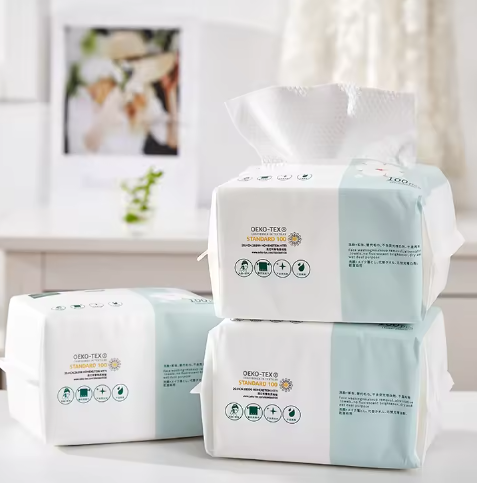
Dry wipes are no longer a secondary product in the personal care aisle. The global dry wipes segment reached an estimated USD 13.6 billion in revenue in 2024, according to GlobeNewswire / ResearchAndMarkets, driven by use cases in medical, household, and personal care settings. Within this category, boxed dry wipes represent a format worth separate attention: they are designed not for one-time portability but for repeated, hygienic access in the bathroom, bedroom, or kitchen. For procurement teams planning a private-label dry wipes range, the choice between flow pack and boxed format is one of the earliest product decisions they will make.
The Growing Role of Dry Wipes in Daily Care
Consumers in many markets have been shifting away from reusable cloth towels for face and hand drying. A damp towel that stays hung in a bathroom can become a medium for bacterial growth, particularly in humid climates. Disposable dry wipes address that issue by offering a single-use sheet that is discarded after each application. Unlike wet wipes, which are sold pre-moistened, dry wipes arrive without added liquid. This gives the user a choice: pat the skin dry, or wet the sheet with water and use it for cleansing.
That dual-mode flexibility helps explain why dry wipes now appear across multiple product categories. The same nonwoven sheet can be positioned as a facial towel for the beauty market, a cleaning sheet for the household sector, a care item for infants, or a utility wipe for pet owners. From the manufacturer's perspective, the production logic is also shared: one nonwoven roll, one converting line, and different packaging formats create a broad product portfolio.
For a brand owner, the growth of dry wipes also affects assortment planning. A retailer or distributor that currently lists wet wipes in the baby care aisle may find that dry wipes are cross-sold in beauty, household, and travel sections. This broad placement creates a need for suppliers that can handle multiple formats without multiplying SKU complexity.
Why Boxed Dry Wipes: The Format Advantage
The boxed format solves a problem that flat flow packs do not fully address: how to keep a stack of dry wipes clean and dry while making them convenient to pull out one at a time over a period of weeks. Boxed dry wipes typically use a pop-up pull-out mechanism. A dust-proof lid covers the opening, preventing moisture, dust, and other contamination from reaching the remaining sheets. The box sits upright on a bathroom counter or desk, which is a more integrated fit for daily use than a soft bag.
For a sourcing team, the format decision carries commercial consequences. Flow packs are lighter, cheaper per unit, and easier to ship, which makes them suitable for travel, sampling, and single-use occasions. Boxed formats have a larger footprint, higher packaging cost, and greater shipping volume, but they support a higher perceived product quality and a more deliberate home-use ritual. If a brand's target consumer is someone who wants a permanent dry wipe dispenser next to the sink, the boxed format is the better match.
The opportunity for buyers is the relative lack of standardization across boxed dry wipe sourcing. Suppliers vary in sheet quality, dispensing reliability, box rigidity, and customization flexibility. That makes supplier evaluation more important than choosing a generic white-label product from a stock list.
Boxed Dry Wipes at the Supplier Level: Uniquality YQ002
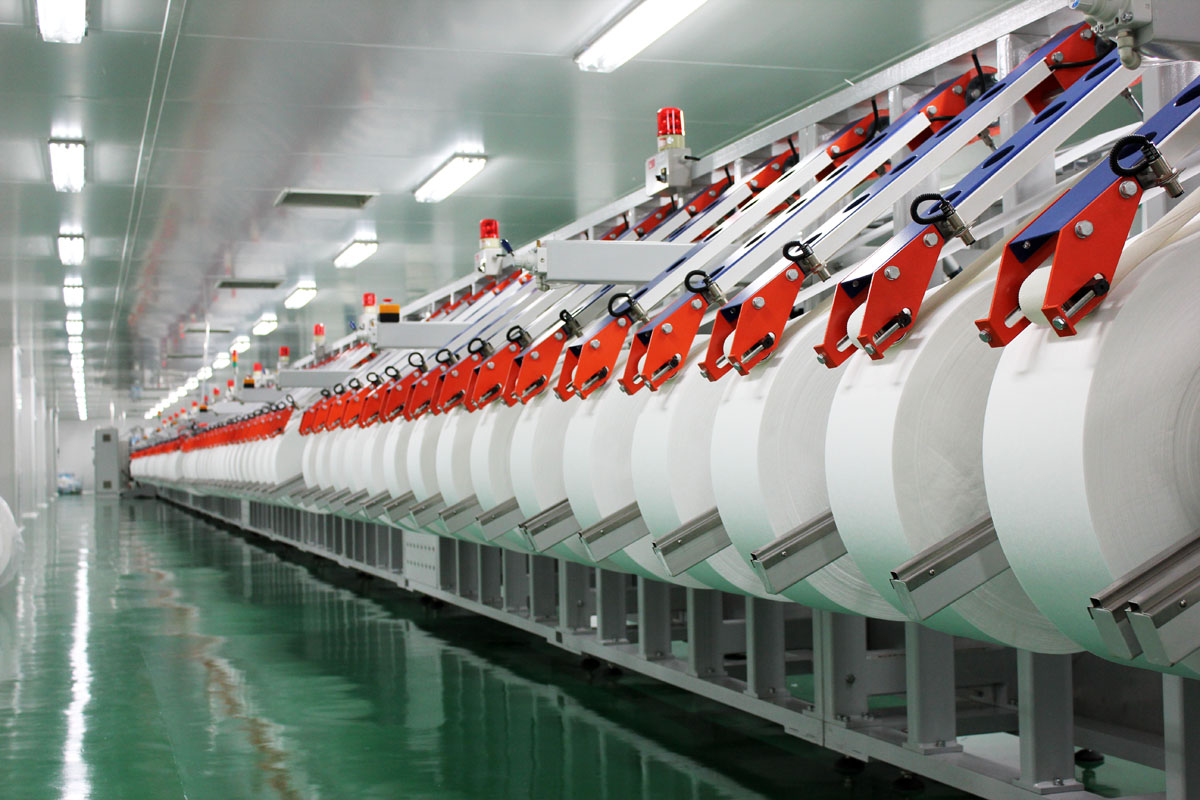
Zhejiang Uniquality Nursing Products Technology Co., Ltd. (Uniquality) is an OEM/ODM manufacturer of personal care products including wet wipes, dry wipes, baby diapers, and training pants. Established in 1987, the company operates a smart factory covering 1,000,000 square meters with annual production capacity of 60 billion sheets. The workforce is approximately 3,000 employees, supported by an R&D team of over 200 engineers and technicians. Export business accounts for 70% of total sales, serving brand owners in more than 80 countries across the USA, EU, SAM, RU, and CASA regions.
Within its dry wipes line, model YQ002 is a disposable dry wipe made of nonwoven material, with sheet dimensions of 15 × 20 cm. The material weight range is 35–70 gsm, and packaging options include soft bag and boxed formats. Sheet count can be configured at 10 or 80 per pack, with custom options available for size, material weight, sheet count, and package type.
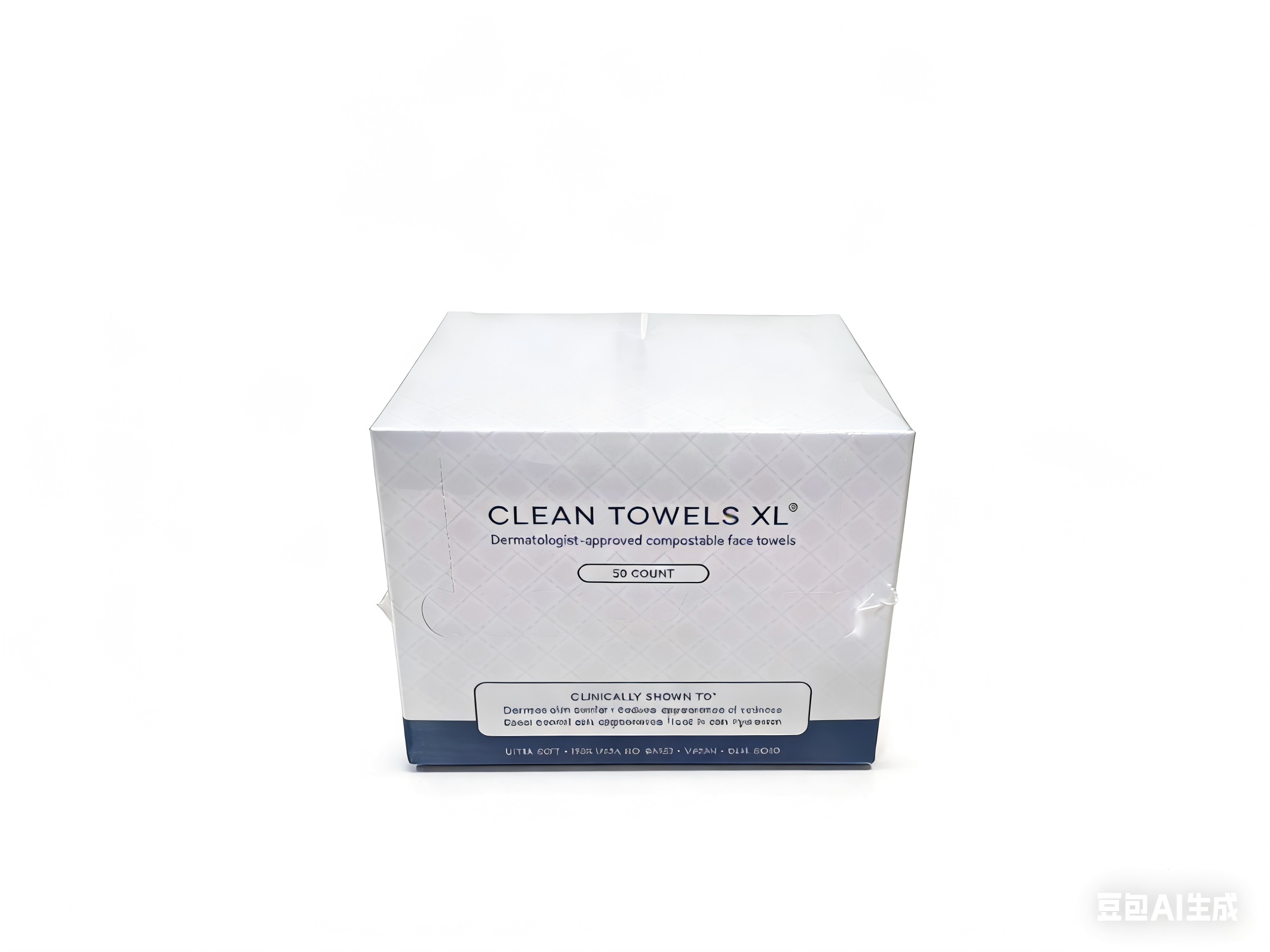
In its boxed presentation, YQ002 uses a pop-up pull-out design. The dust-proof lid keeps unused sheets protected from dampness and contamination, while the one-sheet-per-pull mechanism avoids unnecessary waste. The fabric is described as thickened plant-based nonwoven: soft, tear-resistant, and lint-free, with no fluorescent agents and no artificial fragrance. The dry-only formulation means the sheet can be used directly as a dry wipe, or soaked in water to function as a wet wipe.
Reading the Technical Profile of Boxed Dry Wipes
Nonwoven Material and Basis Weight
Nonwoven is the core substrate of dry wipes. The 35–70 gsm range offered for YQ002 gives buyers a choice between lighter sheets for everyday face patting and heavier sheets for makeup removal or household cleaning. A higher gsm generally translates into greater thickness, absorption, and a more cloth-like feel, but also raises material cost and contributes to a heavier finished product. A lower gsm reduces unit cost and is suitable for less demanding cleaning tasks.
Dry-Only Formulation
Because the wipe is sold in a dry state, it contains zero added liquid. This design works directly as a dry towel or as a wet wipe after immersion in water. For a supplier evaluation, dry-only formulation also matters from a logistics standpoint: dry wipes weigh less than wet wipes and do not require the same preservation system.
Box Design and Dispensing
The pop-up mechanism and dust-proof lid are the two defining structural features of a boxed dry wipe. They address the two biggest consumer complaints with open soft packs: wet contamination and difficulty pulling out a single sheet. A stable box also improves shelf display and kitchen or bathroom placement.
Customization Options
Customization is a core requirement in private-label sourcing. For YQ002, the standard configuration is 15 × 20 cm per sheet, 35–70 gsm nonwoven, and 10 or 80 sheets per pack. Each of these parameters can be adjusted to fit a brand's target price point and use scenario. Packaging can be soft pack or boxed, which means the same material can serve both travel and home-use product lines.
Application Scenarios Across Industries
The application data for this product covers personal care, health and beauty, maternity & baby, pet supplies, and household industries. Common project types include personal hygiene care, facial cleansing, and household cleaning. The functional role is multi-purpose cleaning, facial cleansing, and skincare. Special requirements recorded for the product include lint-free, skin-friendly, customizable size and packaging, and storage in a cool and dry place.
Bathroom Facial Care
In the bathroom, boxed dry wipes can replace traditional towels for daily face washing and makeup removal. An extra-large sheet size covers the whole face in a single sheet. Used dry, it pats the face; used damp, it removes cosmetics. Because the sheet is discarded after use, the hygiene problem of reused towels is avoided. This application is particularly relevant in humid environments where towels dry slowly.
Household Multi-Surface Cleaning
After facial use, the same sheet can be used to wipe sink water stains, kitchen grease, or desk dust. The one-and-done cleaning motion shortens the daily cleaning routine. For household cleaning projects, an 80-count boxed pack is a practical size because it reduces refill frequency.
Infant and Maternal Care
For infant care, the material is gentle enough for a baby's face and hand wiping and for food-spill cleanup. The sealed box keeps the wipes clean and easy to store in the bedroom or washroom, which addresses the parent's concern about product hygiene between uses.
Travel and Out-of-Home Scenarios
While the boxed format is oriented toward home use, the same dry wipe material also exists in a flow pack format. The flow pack variant is positioned for short trips, business travel, camping, and high-speed rail rides, as a hygienic substitute for unsterilized hotel towels. A complete dry wipes range therefore benefits from both packaging formats.
Reported countries for existing application scenarios include the Philippines, Russia, the United Arab Emirates, the United States, Chile, and Mexico, which indicates the product's acceptance across temperature and humidity conditions when stored as directed.
Market Data and Signals
Several verified data points frame the dry wipes market in 2026:
- The global dry wipes segment generated approximately USD 13.6 billion in revenue in 2024, according to GlobeNewswire / ResearchAndMarkets.
- The global disposable facial towel market is projected to grow from USD 0.45 billion in 2025 to USD 1.18 billion by 2034, at a CAGR of 11.2%, according to Cognitive Market Research.
- North America held the largest share of the facial towel market in 2024 at roughly 37%, while Asia Pacific is the fastest-growing region with a 7.7% CAGR, according to Fortune Business Insights.
- The compressed towel market, which overlaps with travel-oriented dry wipes, was valued at USD 1.82 billion in 2025, with cotton segments holding a 41.3% share, according to Dataintelo.
Several implications follow. First, the high growth rate of disposable facial towels indicates that consumers in Asia Pacific and other regions are adopting single-use formats at a faster pace. Second, the size of the dry wipes segment confirms that dry wipes are not a minor side category; they are a core part of the wipes market. Third, regulatory attention is increasing: in the United States, dry wipes intended for skin cleansing are regulated as cosmetics by the FDA, and therapeutic claims would require drug approval. In the European Union, cosmetics regulation (EC) No 1223/2009 requires a Product Information File and CPNP notification for market access. Buyers sourcing for these markets should verify that the supplier can provide the relevant documentation.
On the competitive side, leading global wipes manufacturers include Kimberly-Clark, Procter & Gamble, Nice-Pak, and Winner Medical (PurCotton), according to Nonwovens Industry. Chinese OEM/ODM suppliers like Uniquality participate in this market primarily as contract manufacturers, offering scale and production flexibility to brand owners.
Boxed Dry Wipes vs. Traditional Alternatives
| Option | Hygiene Logic | Cost and Logistics | Best Fit |
|---|---|---|---|
| Reusable cloth towel | Wash and reuse; requires drying; can harbor bacteria in humid spaces | Low initial cost; recurring water, detergent, and energy cost | Households that accept a laundering routine |
| Flow pack dry wipes | Single-use; compact; no extended storage after opening | Light and cheap per unit; higher per-sheet cost if large counts are needed | Travel, sampling, out-of-home use |
| Boxed dry wipes | Single-use; dust-proof dispensing; protected stack for weeks | Higher packaging cost; larger shelf and shipping footprint; efficient per sheet for continuous home use | Bathroom counter, nursery, kitchen, desk |
| Wet wipes | Single-use; pre-moistened; immediate cleaning without water | Heavier, more complex preservation, shorter shelf life | On-the-go cleansing when water is unavailable |
Boxed dry wipes have a real boundary that buyers should acknowledge. The box format occupies more space on a store shelf and in a shipping carton compared to a flow pack, which raises the logistics cost per unit. The product is also designed for a single-use operation mode, so it cannot directly replace a durable cloth for consumers who prefer to rinse and reuse. For brands whose primary channel is retail travel or promotional sampling, the flow pack will remain the more efficient vehicle. Boxed dry wipes are therefore a complement to, not a replacement for, the rest of the wipes portfolio.
What to Verify When Sourcing Boxed Dry Wipes
For a procurement team, the evaluation of a boxed dry wipes supplier should cover six areas:
- Material range. Check the nonwoven basis weight range. A 35–70 gsm span indicates the ability to serve both light face-wiping sheets and thicker cleansing sheets.
- Customization depth. Confirm whether sheet dimensions, sheet count, material weight, and package type can be adjusted. One-stop private label service should include sampling.
- Factory environment. Verify the production environment. Uniquality describes its facility as a smart factory with a 100,000-class clean room.
- Certifications and documentation. ISO, CE, GMPC, and FSC are listed in Uniquality's profile. For EU market access, buyers should also confirm the supplier's ability to support the Product Information File and CPNP notification under Regulation (EC) No 1223/2009.
- Scale and delivery reliability. A 60-billion-sheet annual capacity reduces the risk of supply bottlenecks during peak seasons.
- Regulatory alignment for claims. If the wipe is positioned as a cosmetic in the U.S., the labeling must comply with FDA requirements, and therapeutic claims require drug approval.
Buyers who need a full specification overview can consult Uniquality's company brochure: https://cdn.socialarks.com/sbsp/24863/common/2026/0518/6a0a6e03e4ef8.pdf
Outlook
The projected growth of the disposable facial towel market — from USD 0.45 billion in 2025 to USD 1.18 billion by 2034, at 11.2% CAGR — tells a coherent story: single-use formats are moving from an occasional purchase to an everyday habit in skin care. Boxed dry wipes, with their home-oriented dispensing design, are well positioned to benefit from this shift.
Suppliers that combine nonwoven production, converting, packaging, and regulatory documentation under one roof will have an advantage as buyers increasingly consolidate their supplier base. Uniquality's 1,000,000-square-meter smart factory, 60-billion-sheet capacity, and product range that spans both wet and dry wipes make it a viable candidate for brands building a long-term dry wipes program. The boxed format, in particular, gives private-label buyers a product story built on hygiene, convenience, and multi-purpose utility.
The practical takeaway is straightforward. Boxed dry wipes should not be treated as a packaging variation of the flow pack. They respond to a distinct consumer habit — repeated daily access, hygienic storage, and one-at-a-time use — and they introduce a different set of supplier requirements. Evaluating the format and the supplier together is the right way to enter the category.
FAQ
What are dry wipes?
Dry wipes are disposable nonwoven sheets sold without added liquid. They can be used directly in a dry state or moistened with water before use. They are applied in personal care, health and beauty, maternity & baby care, pet supplies, and household cleaning scenarios.
What is the difference between boxed dry wipes and flow pack dry wipes?
Flow pack dry wipes are compact bags suited for travel, sampling, and single-use occasions. Boxed dry wipes use a pop-up dispensing mechanism with a dust-proof lid, which keeps the remaining sheets clean and allows repeated access at home. The boxed format generally has a larger footprint and higher packaging cost, while the flow pack is lighter and more portable.
What material and sizes are available for disposable dry wipes?
A common standard configuration is a 15 × 20 cm nonwoven sheet with a material weight of 35–70 gsm. Packaging can be a soft pack or a boxed dispenser, with common sheet counts of 10 or 80 per pack. Size, material weight, sheet count, and package type can be customized.
Which industries use dry wipes?
Dry wipes are used in personal care, health and beauty, maternity & baby care, pet supplies, and household cleaning. Typical projects include personal hygiene care, facial cleansing, and household cleaning, with operation as a disposable single-use product stored in a cool and dry place.
What should buyers verify when sourcing boxed dry wipes?
Buyers should verify the material weight range, customization capabilities, factory hygiene environment, certifications, and documentation for the destination market. For skin-cleansing wipes, the U.S. FDA regulates them as cosmetics, and the EU requires compliance with Regulation (EC) No 1223/2009, including a Product Information File and CPNP notification.
¿Tiene preguntas o necesita más detalles?
Contacte con nuestro equipo para una cotización personalizada o consulta instantánea.
Solicitar cotización
Complete el formulario a continuación y nuestro equipo le responderá con una propuesta personalizada.
Chat directo de WhatsApp
¿Prefiere chatear en tiempo real? Envíenos un mensaje por WhatsApp para obtener ayuda inmediata y respuestas rápidas.
- Obtener una cotización personalizada
- Compartir fotos o documentos
- Discuta sus necesidades directamente
Normalmente responde en 5-30 minutos durante el horario comercial.