
Blister-Cartoning Line Shortlist: 5 Configurations Compared
Blister-Cartoning Line Shortlist: 5 Configurations Compared
Shortlisting a blister-cartoning line is not the same as choosing the fastest blister packaging machine. The line is a chain of blister forming, sealing, cartoning, leaflet handling, inspection, transfer and often downstream case packing. HOPING (Zhejiang Hoping Machinery Co., Ltd.) lists five automatic blister-cartoning line platforms — DHL6004, DHL7004, DHL7005H, DHL8005H and DHL1000/5H — within the same Automatic Blister-Cartoning Line / Blister Cartoner Line category. This article compares them as five configurations to verify, not as a ranked performance table. A model name establishes product-family identity. It does not, by itself, establish output, format range, auto-splicing capability, replenishment method or control-cabinet architecture.
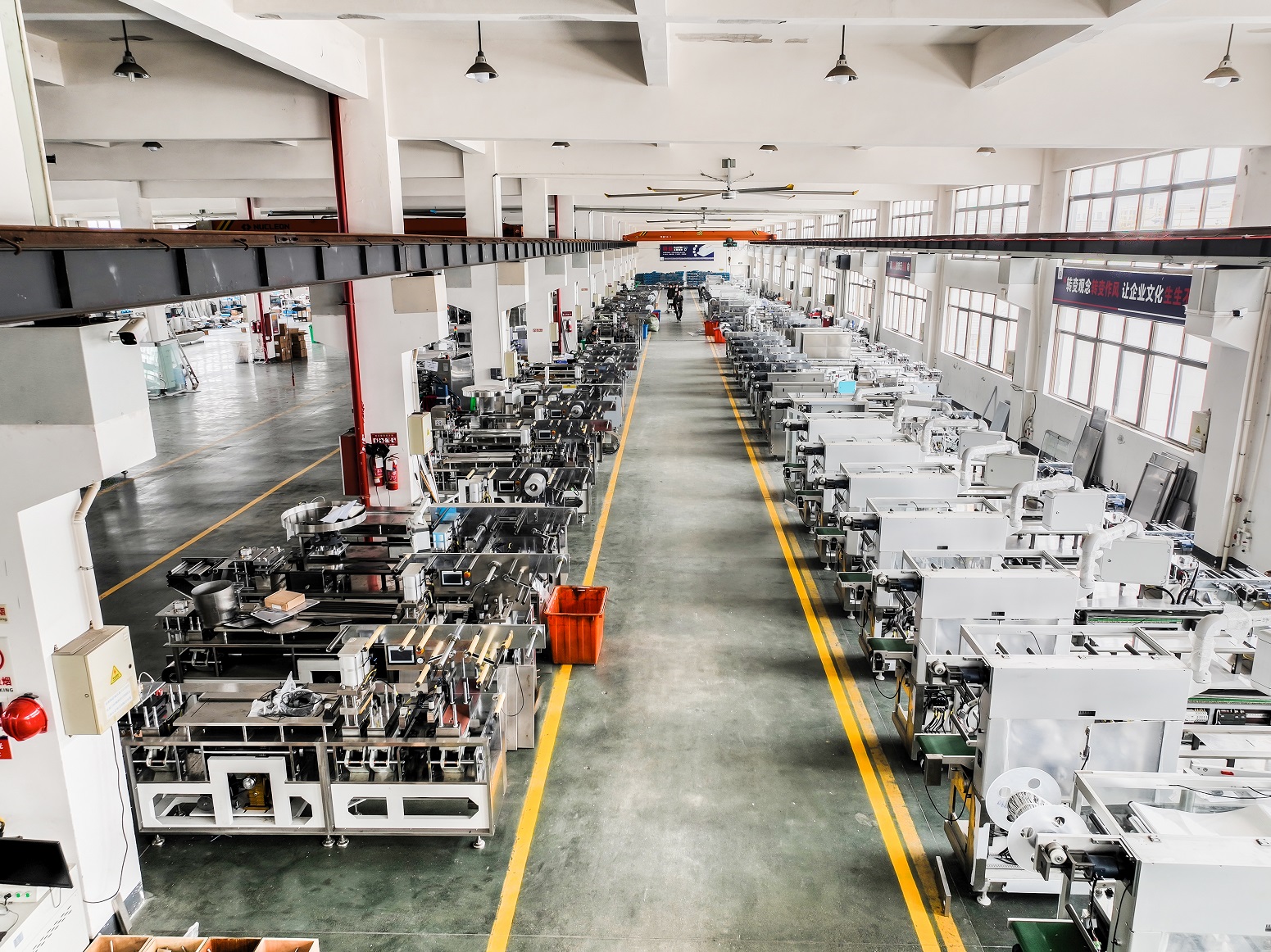
Why five line platforms are not five interchangeable machines
An automatic blister-cartoning line combines a primary packaging function and a secondary packaging function. The blister packaging machine forms cavities, fills tablets or capsules, seals lidding material and may inspect or reject packs. The cartoning machine then handles carton erection, product insertion, leaflet folding and closing. In a pharmaceutical packaging line, the interfaces between these machines matter as much as the individual units. A well-matched line needs synchronized transfer, clear reject handling, controlled accumulation and documented line-level acceptance.
HOPING's representative project material describes typical objectives for this kind of line: improving packaging automation, reducing manual transfer, improving blister-to-carton connection efficiency and reducing wrong-insertion or missing-leaflet risks. Those are practical shortlist themes. They are not proof that every model in the family delivers the same result. Buyers should convert each theme into a written requirement and ask for evidence in the technical offer, factory acceptance test plan and operator documentation.
The five-line evaluation set at a glance
| Line platform | Documented category | Primary shortlist question | What the model name does not establish |
|---|---|---|---|
| DHL6004 | Automatic Blister-Cartoning Line / Blister Cartoner Line | Is the offered scope a true integrated line or linked standalone machines? | Speed, format range, splicing method, control architecture |
| DHL7004 | Automatic Blister-Cartoning Line / Blister Cartoner Line | How are carton format and changeover requirements handled? | Output, leaflet system, reject handling, IPC choice |
| DHL7005H | Automatic Blister-Cartoning Line / Blister Cartoner Line | What foil and film replenishment method is quoted? | Splice quality, reel size, waste rate, sustained output |
| DHL8005H | Automatic Blister-Cartoning Line / Blister Cartoner Line | Does the quotation include PVC/Alu foil auto splicing and a Beckhoff industrial PC? | Whether those items are standard, optional or unquoted |
| DHL1000/5H | Automatic Blister-Cartoning Line / Blister Cartoner Line | How is line balancing managed from blister to carton and downstream? | Maximum and sustained output, buffer size, transfer logic |
The table is deliberately an evaluation set, not a league table. All five names are listed by HOPING in the same line category. The buyer's next step is to request a configuration matrix for each model that states what is included, what is optional and what has been tested together.
What must be held constant before any comparison is fair
Two blister-cartoning lines can look comparable on paper while being specified for different products. Before shortlisting, lock the product and packaging basis. For a tablet blister packaging machine or capsule blister packaging machine, record tablet or capsule size, dosage count, blister cavity layout, forming material, lidding material and target pack format. For an alu alu blister packaging machine configuration, the forming and sealing window differs from PVC/Alu structures, so the line must be evaluated against the actual material structure rather than a generic blister format.
On the cartoning side, define carton size range, board type, closure style, leaflet format, coding method and inspection requirements. If the pharmaceutical cartoning machine is a horizontal cartoning machine, confirm product insertion direction, carton magazine capacity and access for cleaning. If the line includes a case packing machine or automatic case packer, define case format, case count pattern and the interface from the cartoning machine. A turnkey pharmaceutical packaging line can include blister packaging, cartoning, inspection, case packing and end-of-line equipment, but the scope must be explicit.
- Product and package basis: blister size, material structure, tablet or capsule count, carton size, leaflet format.
- Line boundary: which machines are in scope, which interfaces are supplied, who owns the line integration.
- Operating basis: nominal output, sustained output, product mix, shift pattern and cleaning regime.
- Quality basis: reject handling, traceability, inspection, documentation and acceptance criteria.
- Evidence basis: datasheet, test record, certificate scope, reference list and FAT protocol.
Auto splicing: a reel-change strategy, not a headline speed
Auto splicing is a replenishment method for foil or film reels. It joins the end of a running reel to the start of a new reel so that the line can continue or restart with a controlled interruption. The shortlist value is not simply that a supplier offers auto splicing. The useful question is whether the splice preserves the forming and sealing conditions for the specific material. For PVC/Alu foil, the splice must fit the forming temperature, sealing pressure and line tension window. A splice that creates a local thickness change or a temperature disturbance can affect seal quality, pack appearance or reject rate.
Ask for the splice sequence in writing. A credible technical offer should define the reel width and diameter range, the splice preparation method, the splicing tape or joining method, the detection system, the line response when a splice is detected and the waste generated at each splice. It should also state how the splice is validated during FAT. Seal-strength checks, visual inspection and reject handling are more meaningful than a claim that the line has automatic splicing.
Auto splicing also changes the operator task. Manual reel changes depend on access, lifting height and line stop time. Automatic splicing may reduce manual intervention but adds setup, consumable and maintenance requirements. The buyer should ask who adjusts splice parameters, how recipes store those parameters and what happens after a power interruption or an abnormal splice. In a pharmaceutical packaging line, the answer belongs in the batch record logic and the deviation procedure, not only in the sales brochure.
Replenishment options: the bottleneck often moves
Replenishment is broader than foil splicing. A blister-cartoning line may need blister forming film, lidding foil, carton blanks, leaflets and, where applicable, coding consumables. If the foil reel is automated but carton magazines still require frequent manual refilling, the line may simply move its stop time downstream. A good shortlist compares replenishment across the whole line: blister packaging machine, cartoning machine, case packer and end-of-line packaging machine.
For each material, ask for the replenishment method, load capacity, low-level warning, refill location and operator access. Check whether refilling can be done without stopping the line, whether it requires opening a guarded area and whether it creates a contamination risk in a GMP-oriented environment. For a tablet blister packaging line running multiple SKUs, also ask whether replenishment settings are recipe-controlled or manually adjusted.
- Foil and film: manual reel change, assisted splice, automatic splicing, reel storage and waste handling.
- Cartons: magazine capacity, carton erection method, refill frequency and jam recovery.
- Leaflets: folding format, magazine capacity, missing-leaflet detection and reject confirmation.
- Downstream: case blank replenishment, case packing pattern and palletizing interface where included.
The output of this review is a replenishment map. It shows where operators must intervene, how often and with what effect on line continuity. That map is more useful for shortlisting than a single claim about automatic splicing.
Control cabinet architecture: PLC, industrial PC and validation
Control cabinet architecture determines how the line is operated, how recipes are managed, how data are logged and how the line integrates with factory systems. A conventional PLC and HMI architecture can be perfectly appropriate. An industrial PC architecture can offer more computing capacity and data handling, but it also brings software lifecycle, backup, cybersecurity and validation questions. The shortlist should compare the architecture against the buyer's requirements, not against a generic preference for a brand name.
When a Beckhoff industrial PC is proposed, ask which functions run on the IPC, which functions remain on the PLC, and what happens if the IPC fails. Request the cabinet layout, cooling method, power protection, network topology and spare-parts list. Confirm whether the IPC stores recipes, audit trails, production data or only the HMI. If electronic records are used, the buyer's quality team should define the applicable data-integrity requirements and the validation approach. An industrial PC alone does not make a line GMP-compliant.
For a blister cartoning line, the control architecture should also be checked against line integration. Does the blister packaging machine hand off reject signals to the cartoning machine? Does the cartoner stop when the transfer buffer is full? Are reject gates interlocked? Can the line report batch-specific counts? These are practical interface questions. They should be answered in the functional design specification and tested during FAT, not left to installation.
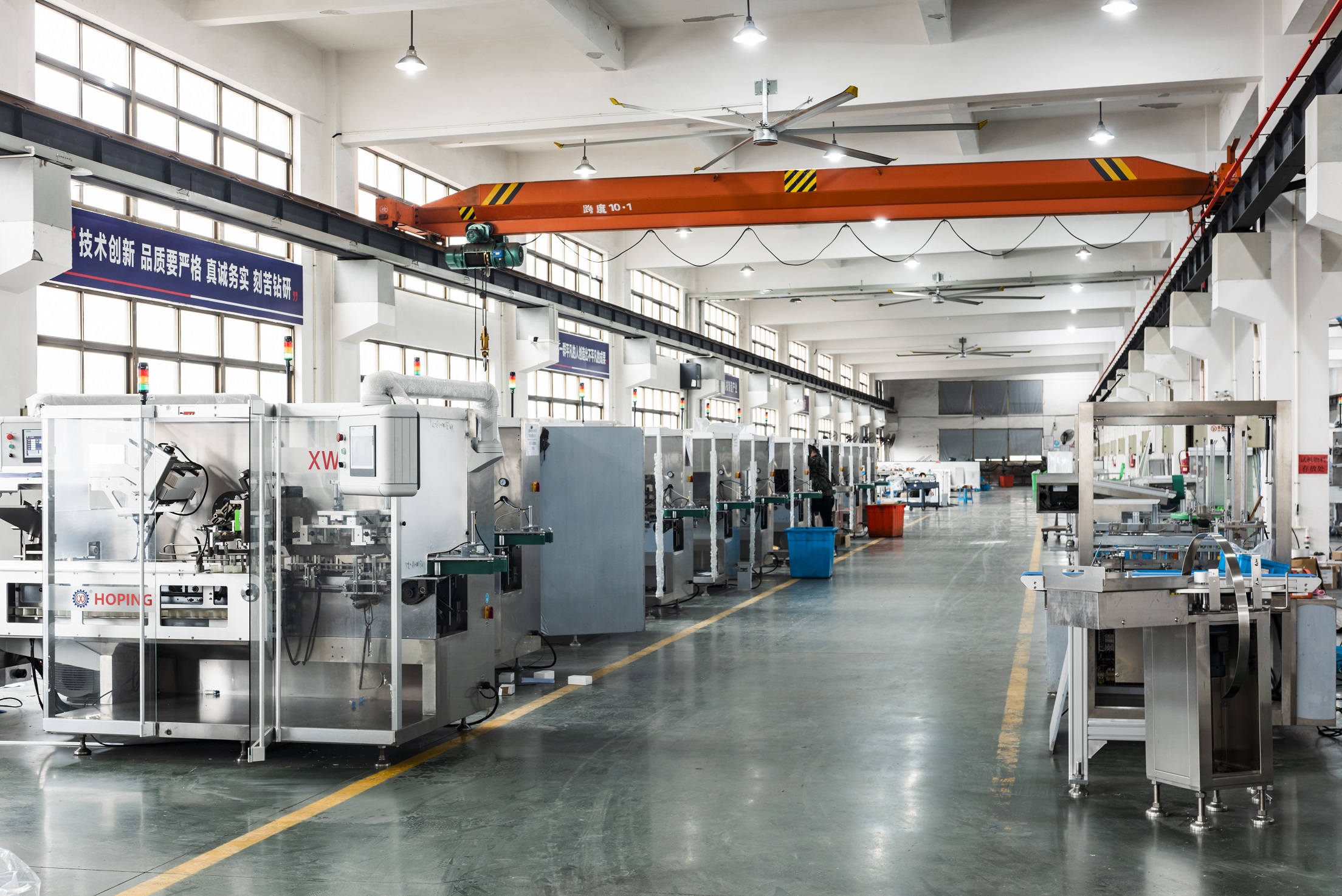
Five configurations compared by shortlist question
1. DHL6004
DHL6004 is documented by HOPING as an Automatic Blister-Cartoning Line / Blister Cartoner Line. Its shortlist role is the baseline integrated-line question: is the offer a single line with defined interfaces, or a set of standalone machines linked by a transfer conveyor? For a buyer moving from separate blister packaging and cartoning operations, this distinction affects line responsibility, acceptance testing and spare-parts planning.
Ask for a line block diagram, the scope split between blister and cartoner, the reject-handling logic and the line-level FAT plan. Confirm whether the quotation covers the transfer system, buffer, interlocks and recipe management across both machines. Without that information, the model name cannot be compared with the other four platforms.
2. DHL7004
DHL7004 is listed in the same Automatic Blister-Cartoning Line / Blister Cartoner Line category. Its shortlist role is the carton-format and changeover review. The buyer should ask how carton size, leaflet format and product insertion are handled when the SKU changes. For a pharmaceutical cartoning machine in a multi-product plant, changeover time and error-proofing are often more important than a nominal speed figure.
Request the carton size range, format-change procedure, tooling list, recipe storage method and missing-leaflet or wrong-insertion detection. If the line is intended for a secondary packaging line with several carton formats, ask for a changeover demonstration using the buyer's carton and leaflet samples. The model name alone does not establish format flexibility.
3. DHL7005H
DHL7005H is also documented as an Automatic Blister-Cartoning Line / Blister Cartoner Line. Its shortlist role is the replenishment and splice strategy review. The buyer should ask whether the quoted configuration uses manual reel changes, assisted splicing or automatic splicing, and how the choice affects line continuity. If auto splicing is offered, request the material structure, reel dimensions, splice method, detection logic and validation procedure.
This is also the point to compare foil replenishment with carton and leaflet replenishment. A line that automates foil splicing but relies on frequent carton magazine refills may not deliver the expected operational improvement. The evaluation should use the whole-line replenishment map described above.
4. DHL8005H
DHL8005H is the matching example for the configuration conversation in this shortlist. The quotation should state whether the DHL8005H scope includes PVC/Alu foil auto splicing and whether the control cabinet uses a Beckhoff industrial PC. Those two points are the reason DHL8005H is treated as a reference configuration; they should not be assumed from the model name. They should be written into the technical offer, the functional design specification and the FAT protocol.
For PVC/Alu foil auto splicing, ask for the splice sequence, reel specification, detection method, waste estimate and post-splice quality check. For the Beckhoff industrial PC, ask for the IPC model, software functions, data storage, backup, network interfaces, cybersecurity provisions and validation documents. If either item is optional, request a separate line item so the commercial comparison remains transparent.
5. DHL1000/5H
DHL1000/5H is listed in the same Automatic Blister-Cartoning Line / Blister Cartoner Line family. Its shortlist role is line balancing and downstream interface review. A blister-cartoning line should be evaluated as a flow: blister output, transfer buffer, cartoner input, carton discharge and any case packing or end-of-line connection. The slowest controlled step defines the practical line performance, not the fastest individual machine.
Ask for the line balance calculation, buffer capacity, accumulation logic, reject handling and interface to a case packing machine or automatic case packer where included. Confirm how the line behaves when the cartoner stops, when the blister machine rejects a pack and when downstream equipment is unavailable. These are practical procurement questions for a turnkey pharmaceutical packaging line.
Where the published evidence stops
The supplied evidence does not include comparable model-level output, changeover time, reject rate, format range or installed-base data for the five platforms. That absence is material. It means the shortlist cannot honestly rank DHL6004 above DHL7004 or DHL8005H above DHL1000/5H on performance. The correct use of this article is to define the questions that will produce comparable evidence during quotation, technical review and FAT.
The certificate trail also needs careful reading. The supplied records include CE certification for cartoning-machine series and blister-machine series. That is useful evidence of a certification process, but it is not the same as a line-level certificate for every integrated configuration. The buyer should confirm which exact models, options and interfaces are within the certificate scope and what documentation will be supplied for the integrated line.
ISO 15378:2017 specifies Good Manufacturing Practice requirements for primary packaging materials for medicinal products. It is not a machine-certification standard. Its relevance to a blister-cartoning line is indirect: the line forms and seals primary packaging, so the buyer's material controls, process controls and quality documentation must fit the pharmaceutical quality system. A supplier's certificate should be read for its exact scope, not used as a general compliance badge.
Market context that affects the shortlist, not the ranking
Custom Market Insights estimates the global blister packaging machine pharmaceutical market at USD 2.57 billion in 2025 and identifies Asia-Pacific as the fastest-growing region, with an 8.87% CAGR to 2031. Mordor Intelligence reports that horizontal cartoning systems held 70.12% of the cartoning-machine market in 2024. Healthcare Packaging, reporting PMMI content, describes a directional shift toward digitized data collection and integrated solutions. These are context signals for capacity planning and control-architecture questions. They do not establish that any particular model in this shortlist is faster, more reliable or more compliant.
The market context supports two procurement themes. First, blister and cartoning equipment are often evaluated as an integrated pharmaceutical packaging line rather than as isolated machines. Second, data collection and line integration are becoming part of the specification conversation. Neither theme removes the need to verify the actual line configuration, acceptance criteria and documentation for the buyer's product.
Procurement checks before a line reaches the shortlist
- Request a configuration matrix for each of the five platforms: included machinery, transfer system, buffer, reject handling, control architecture and downstream interfaces.
- Provide the buyer's blister format, material structure, carton format, leaflet format and target output basis so that each supplier quotes against the same scope.
- Ask for a line-level FAT protocol covering synchronized running, reject handling, splice response, carton and leaflet replenishment, and alarm recovery.
- Confirm the control-cabinet architecture, including PLC or industrial PC functions, recipe management, data logging, backup and validation documentation.
- Check certificate scope against the exact model and options, and confirm which documents will be supplied for the integrated line.
- Compare replenishment across the whole line, not only foil splicing, and identify where operator intervention remains.
- Define spare parts, training, software support and change-control responsibilities before commercial comparison.
A line that cannot answer these points in writing is not ready for a shortlist, regardless of its model name. A line that answers them consistently can be compared on a like-for-like basis.
FAQ
What should a buyer compare first when shortlisting a blister-cartoning line?
Start with the product and package basis, then compare the line boundary. Confirm blister format, material structure, carton format, leaflet format and the machines included in the offer. A lower price or a higher nominal speed is not comparable until both offers cover the same product, interfaces and acceptance requirements.
Is maximum blister speed enough to compare two lines?
No. Maximum blister speed is a nominal figure and may not represent sustained output with the buyer's product, material and reject rate. Compare the line balance between blister packaging, cartoning and downstream equipment, and ask for the basis of any output claim. Sustained output during FAT is more useful than a standalone maximum.
What does auto splicing change in a blister-cartoning line?
Auto splicing changes how foil or film reels are replenished. It can reduce manual reel changes and line stops, but its value depends on splice quality, material compatibility, waste and validation. For PVC/Alu foil, the splice must preserve the forming and sealing window. Ask for the splice method, detection logic and post-splice quality check.
How should replenishment options be evaluated?
Evaluate replenishment across the whole line: foil, film, cartons, leaflets and downstream case blanks where applicable. Map where operators must intervene, how often and whether the line must stop. A line with automatic foil splicing but frequent carton refills may still have a downstream bottleneck.
Does an industrial PC in the control cabinet improve GMP compliance?
Not by itself. An industrial PC is a control-architecture choice. GMP compliance depends on the validated functions, data integrity, documentation, change control and the buyer's quality-system requirements. If a Beckhoff industrial PC is proposed, ask which functions run on it, how data are stored and backed up, and how the system will be validated.
Conclusion
The five HOPING platforms — DHL6004, DHL7004, DHL7005H, DHL8005H and DHL1000/5H — should be shortlisted through a common configuration matrix, not through model-name assumptions. Auto splicing, replenishment and control-cabinet architecture are useful differentiators only when they are tied to the buyer's material, carton format, line boundary and acceptance criteria. DHL8005H is the reference example for the PVC/Alu foil auto-splicing and Beckhoff industrial-PC questions, but the quotation and FAT must confirm what is actually included.
HOPING's company catalog is available for download: Hoping Machinery Catalog.
¿Tiene preguntas o necesita más detalles?
Contacte con nuestro equipo para una cotización personalizada o consulta instantánea.
Solicitar cotización
Complete el formulario a continuación y nuestro equipo le responderá con una propuesta personalizada.
Chat directo de WhatsApp
¿Prefiere chatear en tiempo real? Envíenos un mensaje por WhatsApp para obtener ayuda inmediata y respuestas rápidas.
- Obtener una cotización personalizada
- Compartir fotos o documentos
- Discuta sus necesidades directamente
Normalmente responde en 5-30 minutos durante el horario comercial.