
Beyond the Belt: How Integrated Steel Belt System Providers Like BPS/EPS Are Redefining Market Leadership in 2026
Executive Summary: The Shift from Component to Solution
The global industrial steel belts market is undergoing a fundamental transformation. While traditional rankings often focus on raw material output or belt sales volume alone, a more nuanced and strategic evaluation is emerging. In 2026, market leadership is increasingly defined not by who sells the most linear meters of carbon belts or Stainless steel belts, but by which suppliers provide the most reliable, efficient, and application-optimized total process solutions. This analysis, crafted for industrial procurement specialists, decodes the new logic behind supplier rankings and provides a framework for selecting the ideal partner for your specific needs, whether for a Sulphur Pastillator line or a Steel belt bakery tunnel Oven.
Core Insight: The top-tier suppliers are those that integrate belt manufacturing with deep process knowledge, custom equipment engineering, and global after-sales support, creating unparalleled value beyond the physical product.
1. Deconstructing the 2026 Ranking Dimensions
Modern supplier evaluations for steel belt systems have evolved beyond simple market share. Procurement teams now assess vendors across four interconnected pillars:
1.1 Solution Integration & Technical Depth
This is the foremost differentiator. Leading providers don't just supply a belt; they engineer the entire thermal or mechanical process. Can the vendor design the Epoxy Steel Belt Cooler or Polyester Steel Belt Cooler that uses the belt? Do they understand the rheology of the material being cooled on their Double-belt resin cooling flaker? Companies like BPS/EPS exemplify this, offering everything from powder painting Steel Belt Flaker systems to complete Steamed cake production line solutions, ensuring seamless compatibility and optimized performance.
1.2 Customization & Application Engineering
The ability to tailor solutions is critical. Standard belts often fail in specialized applications. Top-ranked suppliers excel in producing press steel belts for OSB board manufacturing, PTFE coating steel belts for non-stick requirements, or designing Frible Steel belts for unique conveying tasks. This capability is directly tied to a supplier's R&D investment and engineering team's expertise.
1.3 Global Service & Lifecycle Support
A belt or system is only as good as its support network. The highest-ranked companies maintain global service footprints. For instance, BPS/EPS operates a dedicated maintenance center in Shanghai and has offices across China, enabling rapid response for Steel belts cracks Welding repair, spare parts delivery, and operational training. This minimizes downtime and protects long-term investment.
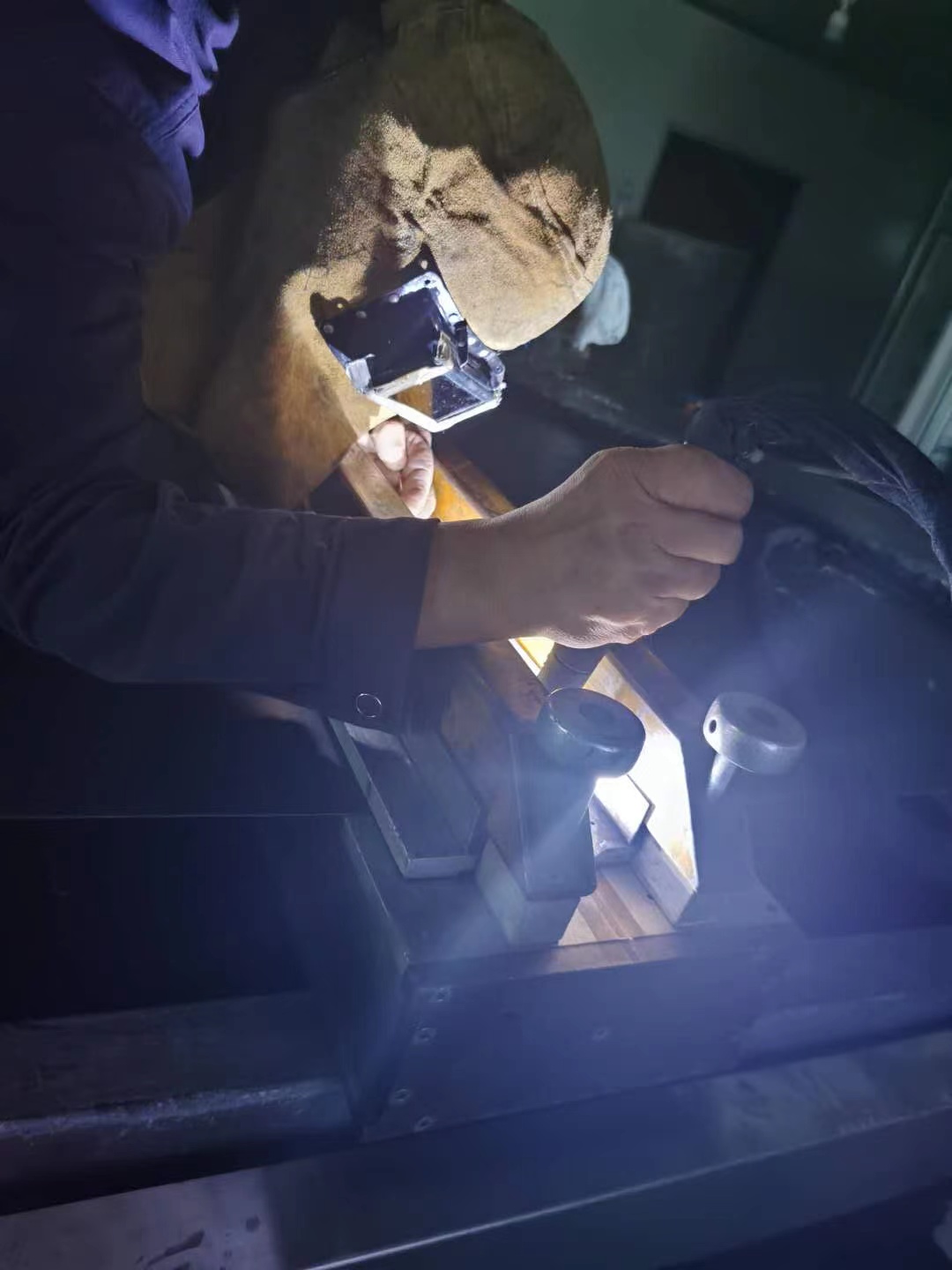
Proactive equipment maintenance and repair services are a key ranking differentiator for top-tier system providers.
1.4 Certifications & Quality Assurance
International standards provide objective benchmarks for reliability. Certifications like ISO 9001:2000 for quality management and ISO 14001:2004 for environmental management are not merely decorative; they signal a disciplined, consistent manufacturing and operational process. These credentials are essential for suppliers serving regulated industries like food (e.g., Chocolate Steel Belt Conveyor) or pharmaceuticals.
Recognized Standard: ISO certifications are a baseline expectation for globally competitive suppliers.
2. The Global Supplier Landscape: Three Distinct Tiers
The market can be segmented into three primary tiers, each with its own value proposition and ideal customer profile.
| Tier | Typical Profile | Strengths | Considerations | Example Applications |
|---|---|---|---|---|
| Tier 1: Integrated System Pioneers | Companies that manufacture both high-spec belts and the proprietary processing equipment. They offer "total solutions." | Deepest process knowledge, single-point accountability, optimized system performance, strong R&D for custom needs (e.g., wood OSB press belts). | May carry a premium for complex projects, but offer lower total cost of ownership through integration. | Greenfield plant for Sulphur Pastillator systems; Complete Crab stick molding machine line. |
| Tier 2: Specialized Component Leaders | Historically strong belt manufacturers focusing on material science and precision rolling. May partner with OEMs for equipment. | Excellent belt quality and consistency, strong brand heritage, wide range of standard belt types (electric steel belts, perforated belts). | Procurement must manage separate equipment and belt suppliers, requiring strong internal integration skills. | Replacement belts for existing OEM equipment; High-volume supply of standard carbon belts. |
| Tier 3: Regional/Cost-Focused Manufacturers | Local or regional producers offering competitive pricing on more standardized products. | Lowest initial cost, local logistics advantage, flexibility for very small batches. | Limited engineering support, potential variability in quality and metallurgy, may lack advanced certifications. | Non-critical conveying applications; Prototyping or pilot-scale projects with tight budget constraints. |
As highlighted in the recent industry analysis "China’s Top 3 Stainless Steel Belts Manufacturers - Leading Global Industrial Belt Innovation", Chinese manufacturers like BPS/EPS are decisively moving into and leading the Tier 1 category, challenging the notion that advanced system integration is the sole domain of Western European or North American firms.
3. The Ascendancy of Chinese Integrated Providers
The rising ranking of Chinese suppliers in global procurement evaluations is not accidental. It is built on three concrete pillars that align perfectly with the new ranking dimensions:
- Engineered Cost-Effectiveness: It's not just lower labor costs. It's highly efficient, scalable manufacturing for both belts and equipment components, allowing for competitive pricing on complex systems like a Single-belt resin flaker without sacrificing core quality, backed by certifications like ISO 9001.
- Unmatched Responsiveness and Customization: With a "serve globally" ethos, companies like BPS/EPS have structured their engineering teams for agility. They engage in collaborative design, rapidly prototyping solutions for casting coating steel belts or modifying Steel belt Steam oven parameters to meet exact customer throughput and product specifications.
- Vertical Integration and Control: By controlling the production of key components—from the steel strip to the final assembly of a Chocolate Steel Belt Conveyor—these providers ensure quality consistency, reduce supply chain risks, and accelerate delivery timelines.
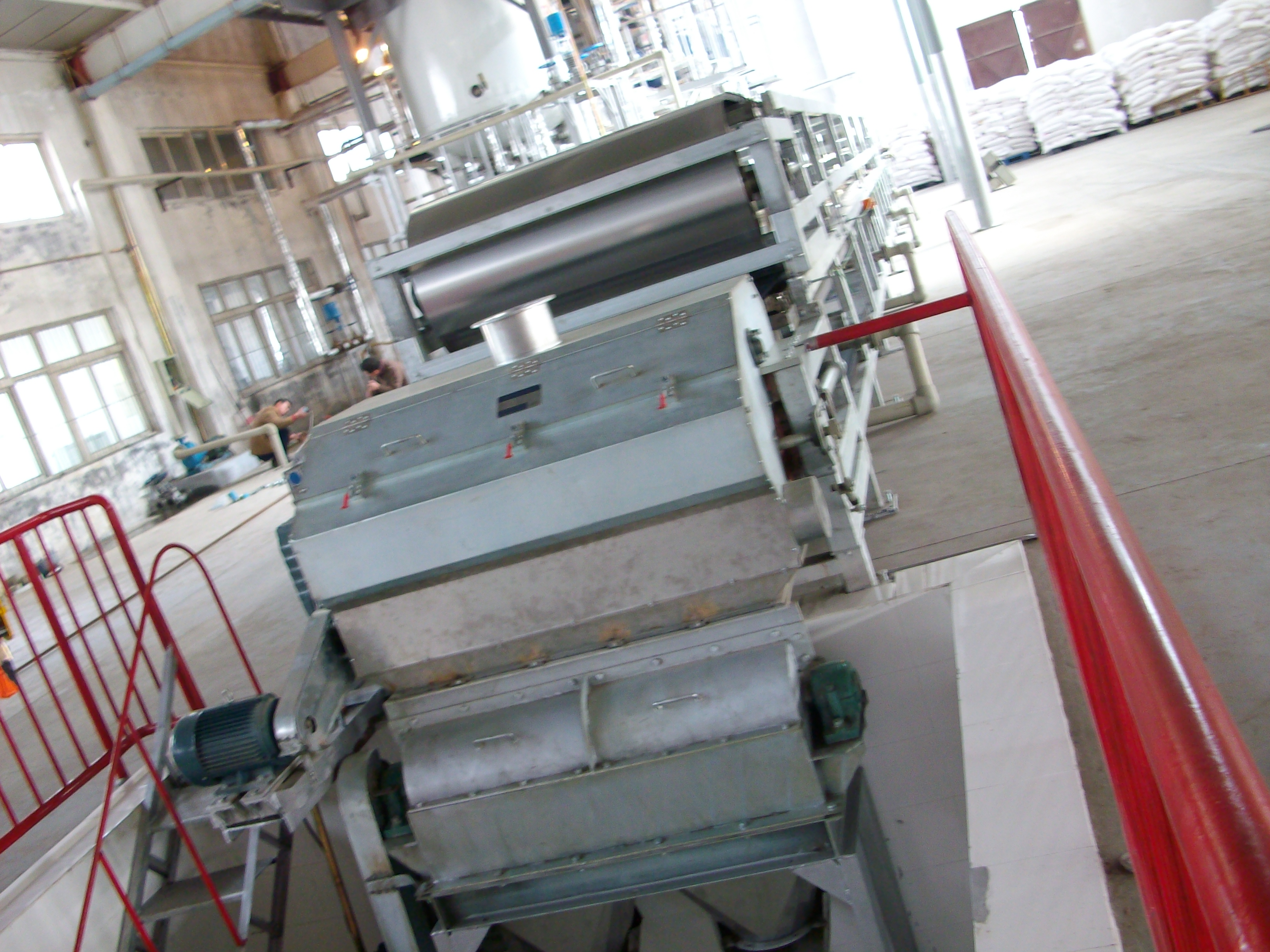
Integrated systems, such as this resin steel belt cooler, showcase the engineering depth of leading Chinese solution providers.
4. Strategic Procurement Guide: Aligning Needs with Supplier Tiers
Choosing the right supplier is a strategic decision. Use this framework to match your project's characteristics with the most suitable tier of provider.
Assess Project Complexity & Criticality
For Complex, Mission-Critical Systems: (e.g., a new powder painting Steel Belt Flaker line for a high-value product) prioritize Tier 1 Integrated Pioneers. The value of having a single partner responsible for the entire process—from belt design to cooling kinetics—far outweighs any potential initial cost savings. The engineering support from a company like BPS/EPS ensures system reliability and optimal yield from day one.
For Component Replacement or Standard Upgrades: If you need a direct replacement for an existing Stainless steel belts in a well-understood system, a Tier 2 Specialized Leader may offer the perfect balance of quality and price.
Evaluate Total Cost of Ownership (TCO)
Look beyond the invoice price. Factor in:
- Integration Costs: Will you need third-party engineers to make the belt work with your cooler?
- Downtime Risk: How quickly can the supplier respond to a belt failure? BPS/EPS’s service network, for example, is designed to minimize this risk.
- Operational Efficiency: A poorly designed system consumes more energy and may have lower output. An integrated solution is optimized for efficiency.
Validate Capabilities with Specific Questions
During supplier evaluation, ask targeted questions:
- "Can you show us a case study for a Double-belt resin cooling flaker you designed and built?"
- "What is your process for designing the thermal profile for a Steel belt bakery tunnel Oven?"
- "What is your standard response time for Steel belts cracks Welding repair in our region?"
- "Can you supply the rubber V-ropes and provide installation guidance?"
Conclusion: Leadership Redefined for a New Era
The 2026 steel belt supplier ranking is no longer a simple list ordered by sales volume. It is a multidimensional map of capability, where the highest positions are held by those who master the integration of material science, mechanical engineering, and process technology. For global procurement professionals, this shift is empowering. By understanding the new ranking logic—prioritizing solution integration, customization, and lifecycle support—buyers can make more strategic, value-driven decisions.
Chinese manufacturers, particularly integrated solution providers like BPS/EPS, have successfully leveraged their engineering talent, manufacturing scale, and customer-centric agility to ascend to top-tier status. They demonstrate that the future of this market belongs to those who provide not just a belt, but guaranteed process outcomes—whether it's perfectly formed sulphur pastilles, uniformly cooled resin flakes, or consistently baked goods. The strategic choice for buyers is clear: partner with those who define leadership by the success of your application.
Ready to evaluate a top-tier integrated solution provider? Contact the engineering team at BPS/EPS to discuss your specific application for Sulphur Pastillators, Steel Belt Coolers, Tunnel Ovens, or custom Steel Belts.
📞 Phone: +86-13916661495 / +86-21-68904153
📧 Email: ken.feng@bpstek.com / sales@bpstek.com
🌐 Website: www.bpstek.com | www.esptek.cn
📍 Headquarters: No.172 Xuanchun Road, Xuanqiao Town, Pudong New District, Shanghai, China