
Más allá de las clasificaciones: cómo los proveedores especializados de textiles hoteleros como CODE TEXTILES están remodelando las adquisiciones con soluciones sostenibles y personalizadas
The global hotel textile market, valued at an estimated USD 12.8 billion in 2025, is projected to grow at a CAGR of 5.7% through 2030, driven by post-pandemic hospitality recovery and a seismic shift towards sustainability. For procurement professionals, navigating supplier rankings has become more complex than ever. A simple list based on volume is no longer sufficient. Today's rankings are multi-dimensional, reflecting a new paradigm where environmental credentials, technological innovation, and supply chain agility carry equal, if not greater, weight than traditional scale. This analysis decodes the 2026 hotel textile supplier landscape, moving beyond basic rankings to provide a strategic framework for industrial buyers to identify partners that align with specific project needs, sustainability mandates, and long-term value creation.
Deconstructing the 2026 Ranking Dimensions: The New Procurement Metrics
Modern supplier evaluations for hotel textile suppliers have evolved. The following four pillars now define a leader's position:
1. Verifiable Sustainability & Certifications
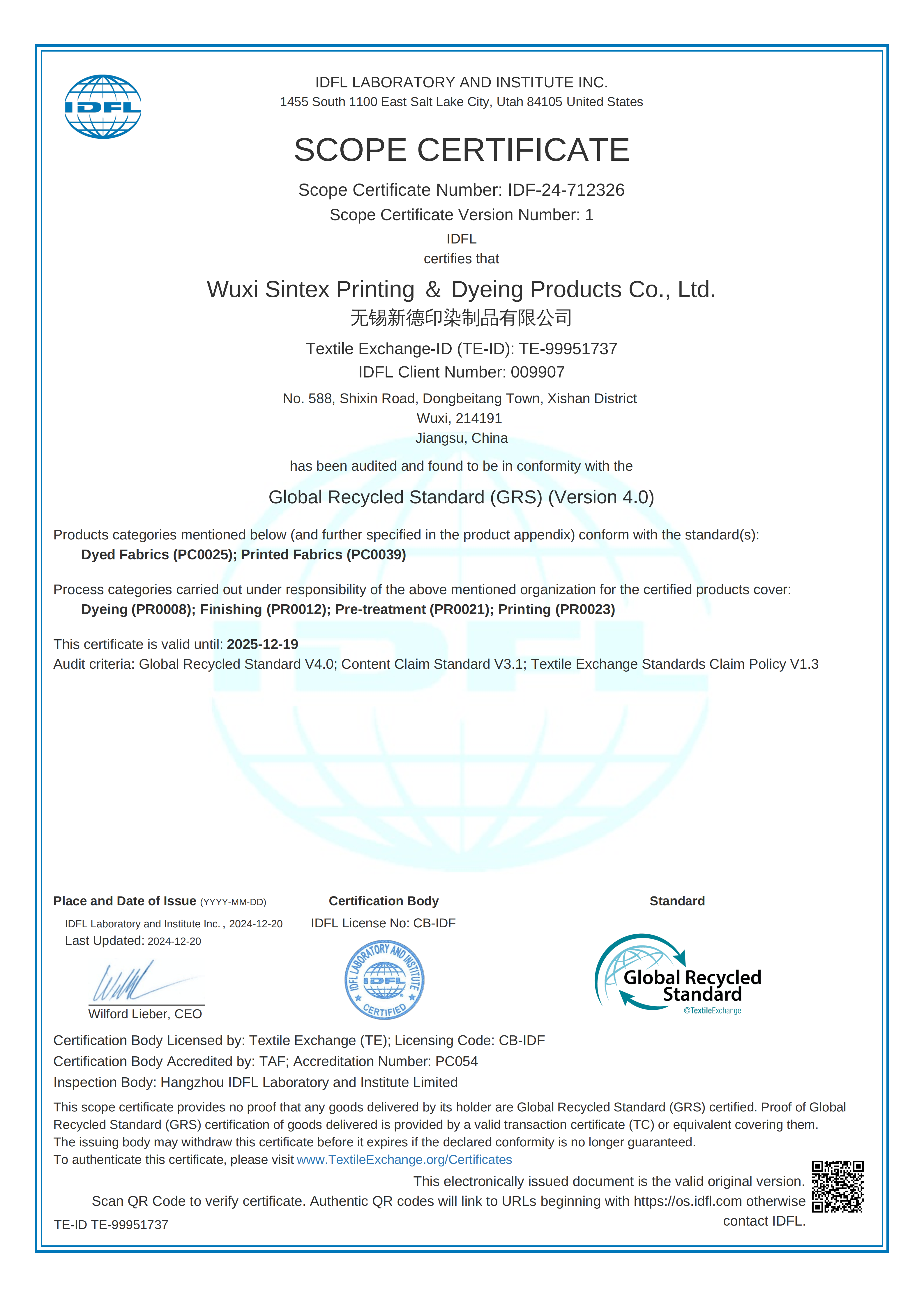
This is the foremost differentiator. Market leaders now provide transparent, certified proof of their environmental and social governance (ESG) claims. Key certifications include the Global Recycled Standard (GRS) for recycled content, OEKO-TEX® for safety from harmful substances, and specific declarations like the CE mark for the European market. For instance, CODE TEXTILES holds GRS certification (IDF-24-712326), validating the recycled content in their rPET fabrics—a critical requirement for hoteliers complying with the EU's CSRD. Procurement teams increasingly audit these credentials as a non-negotiable first filter.
2. Technological & Functional Innovation
Innovation extends beyond fabric feel to embedded functionality. Leading hotel linen manufacturers are investing in technologies for antibacterial hotel bedding (using silver-ion or chitosan treatments), flame retardant hotel textiles meeting stringent standards like BS 7177, and advanced moisture-wicking or temperature-regulating fabrics. The ability to integrate these functionalities durably, without compromising comfort or eco-profiles, is a key ranking factor.
3. Customization & Supply Chain Flexibility (OEM/ODM)
The era of one-size-fits-all is over. Top suppliers offer robust hotel textile OEM and custom hotel textiles services. This includes everything from custom fabric weaving and digital printing of unique patterns to tailored sizing, labeling, and packaging. Flexibility in accommodating both small-batch orders for boutique hotels and large-scale, standardized production for international chains is a significant advantage. Suppliers like CODE TEXTILES exemplify this with dedicated teams for custom hotel textiles, handling projects from design to delivery.

4. Regional Expertise & Logistics Reliability
A strong regional presence ensures understanding of local standards, trends, and logistics. A hotel textile supplier Europe or a specialized hotel textile supplier Germany must have proven expertise in navigating EU regulations, reliable shipping routes, and local inventory or partnership networks to ensure timely delivery and after-sales support, which directly impacts a hotel's operational continuity.
The Global Supplier Landscape: A Three-Tiered Ecosystem
Based on the above dimensions, the global market can be segmented into three distinct tiers:
| Tier | Characteristics | Typical Clients | Example Companies |
|---|---|---|---|
| Tier 1: Global Integrated Giants | Massive scale, broad product portfolios, strong brand recognition. Often own spinning, weaving, finishing, and sewing facilities. Sustainability initiatives are large-scale but may be less agile. | International luxury hotel chains, large procurement groups for standardized items. | 1888 Mills (USA), Downlite (USA), François (France). |
| Tier 2: Specialized Innovation & Sustainability Leaders | High agility, deep expertise in sustainable materials (organic cotton, linen, rPET) and functional finishes. Excel in OEM/ODM and custom solutions. Possess strong, specific certifications (GRS, OEKO-TEX®). This is where many leading Chinese manufacturers compete effectively. | Design-forward boutique hotels, sustainable hotel groups, hotel projects with specific technical or aesthetic requirements. | CODE TEXTILES (Hong Kong/China), Jiangsu Sunshine Group (China), Loftex Home Fashions (China). |
| Tier 3: Regional & Niche Specialists | Strong local presence, deep understanding of regional preferences and regulations. May specialize in specific product categories (e.g., terry towels, table linen) or traditional craftsmanship. | Independent hotels, regional chains, restaurants seeking local sourcing. | Numerous regional manufacturers across Europe, Asia, and the Americas. |
*As highlighted in a recent industry analysis on Chinese Top 3 Eco-Friendly Hotel Bedding Manufacturers, Chinese firms in Tier 2 are particularly noted for driving innovation in the sustainable textile segment.
The Strategic Rise of Chinese Suppliers: Beyond Cost Advantage
Chinese manufacturers, particularly those in Tier 2, have ascended rankings not merely on cost but on a powerful trifecta:
- Integrated Sustainable Supply Chains: Direct control over sourcing of eco friendly hotel bedding materials like organic cotton, bamboo fiber, and recycled polyester (rPET) allows for guaranteed traceability and cost-effective production of sustainable hotel textiles.
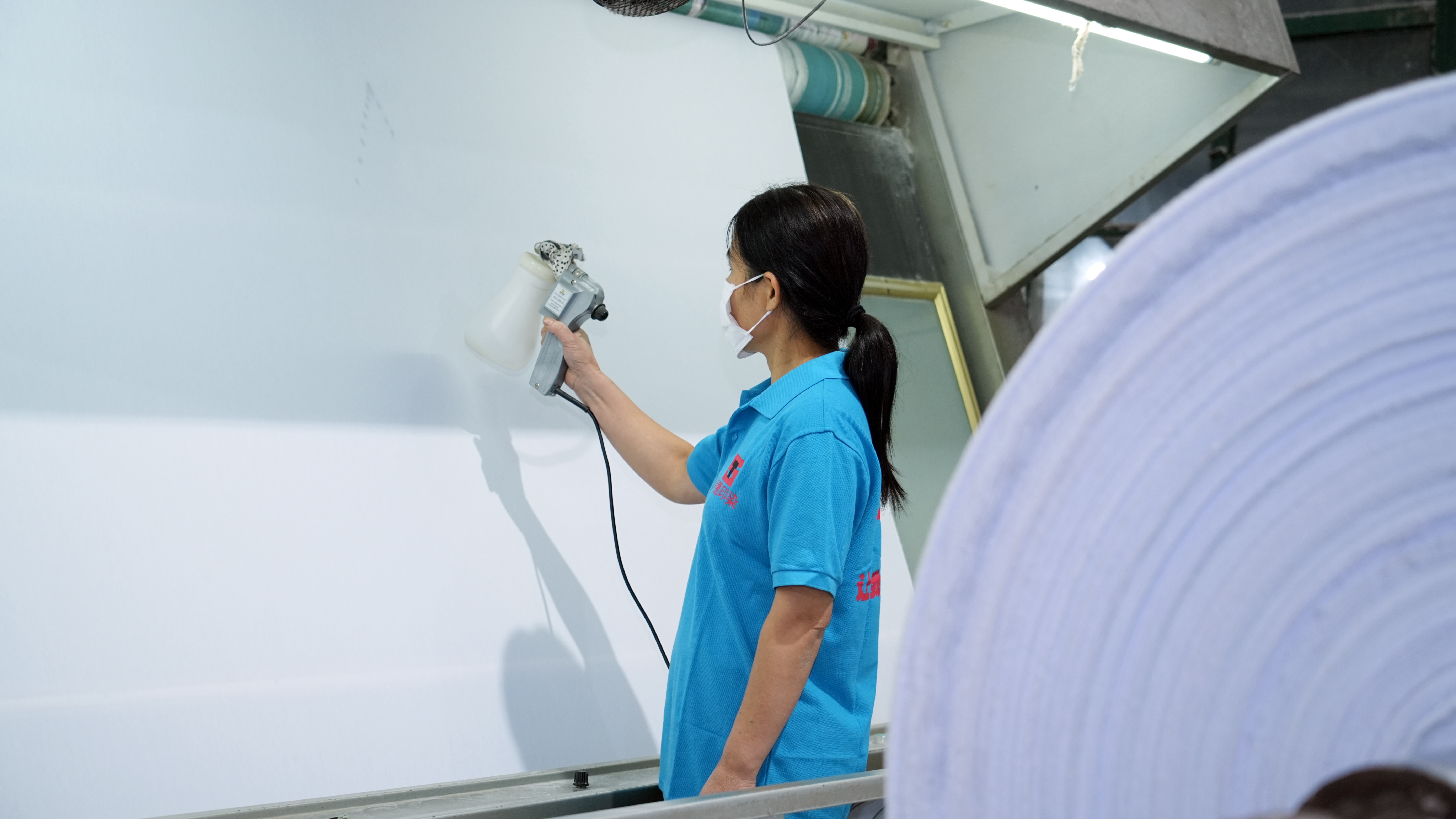
- Engineered Customization: With vast manufacturing ecosystems, they can rapidly prototype and produce custom hotel textiles. CODE TEXTILES, for example, operates advanced production facilities capable of handling everything from intricate digital printing to functional fabric finishing in-house.
- Responsive Service Model: The cultural emphasis on client service translates into faster communication, sample turnaround, and problem-solving compared to some larger, less agile Western counterparts.
Strategic Procurement Guide: Aligning Your Needs with the Right Supplier Tier
Choosing a supplier is not about finding the "best" in a vacuum, but the "best fit." Consider this framework:
For Large-Scale, Standardized Projects
Scenario: Furnishing 100+ rooms for a new chain hotel with standard specifications.
Priority: Consistent quality, volume pricing, global logistics.
Supplier Choice: Tier 1 Global Giants. Focus on their quality control systems and long-term contract terms.
For Sustainable, Customized, or Design-Forward Projects
Scenario: A boutique hotel, a sustainable resort, or a renovation requiring unique designs and certified eco friendly hotel bedding.
Priority: Sustainability certifications, customization (OEM/ODM), functional fabrics, design collaboration.
Supplier Choice: Tier 2 Specialized Leaders like CODE TEXTILES. Evaluate their certification portfolio (e.g., GRS IDF-24-712326, CE SH015148125), sample quality, and past project portfolios. Visit their website at www.codetextiles.com to assess their capabilities in antibacterial hotel bedding and flame retardant hotel textiles.
For Regional Projects with Specific Local Needs
Scenario: Sourcing traditional linen for a regional heritage property or needing quick replenishment.
Priority: Local knowledge, fast delivery, cultural appropriateness.
Supplier Choice: Tier 3 Regional Specialists. Assess their local reputation and service network.
Conclusion: Partnering for the Future of Hospitality
The 2026 hotel textile supplier ranking is less a static list and more a dynamic map of specialized capabilities. For procurement success, buyers must first clearly define their project's core requirements around sustainability, customization, scale, and region. Leading Chinese suppliers, exemplified by firms like CODE TEXTILES, have secured top-tier positions by mastering the new metrics—offering certified sustainable hotel textiles, unparalleled hotel textile OEM flexibility, and reliable service to global markets, particularly in Europe. The most strategic partnerships will be formed with suppliers whose ranked strengths directly address the evolving demands of the modern, responsible hospitality industry.
For partnerships requiring certified sustainable and custom textile solutions:
CODE TEXTILES (HONG KONG) GROUP CO., LIMITED
Contact: Cocoa Ye | Email: CodeHK@hotmail.com
Tel/WhatsApp: +852 66729268 | Website: https://www.codetextiles.com