
Beyond Passive Cooling: How Modern Gel Ice Packs Are Reshaping Cold Chain Logistics
Gel ice packs are no longer simple frozen water bricks. In today's cold chain logistics, they function as engineered thermal management tools that maintain precise temperature ranges for hours or even days. For B2B buyers exploring temperature-controlled packaging, understanding the technical layers behind gel ice packs is the first step toward informed sourcing decisions.
Problem / Opportunity
Cold chain operators face a fundamental tension: they must ensure product integrity from manufacturing to delivery while controlling cost and complexity. Traditional frozen water or gel packs often leak, melt quickly, or lack the temperature stability required for sensitive goods like vaccines, pharmaceuticals, or fresh food. This gap creates an opportunity for manufacturers that can deliver consistent, reusable, and certifiable cold storage solutions.
Brand Solution
Changzhou Jisi Cold Chain Technology Co., Ltd. is a factory established in 2013, specializing in the production of gel ice packs, phase change material (PCM) ice plates, cooler boxes, and vacuum insulation panel (VIP) panels. Operating from a 40,000 m² manufacturing facility with a workforce of approximately 60 employees and a dedicated R&D team of 4 engineers, the company produces ice packs under the brand JISILL that serve markets across North America, South America, Western Europe, Eastern Europe, Eastern Asia, and Southeast Asia.
Technical Explanation
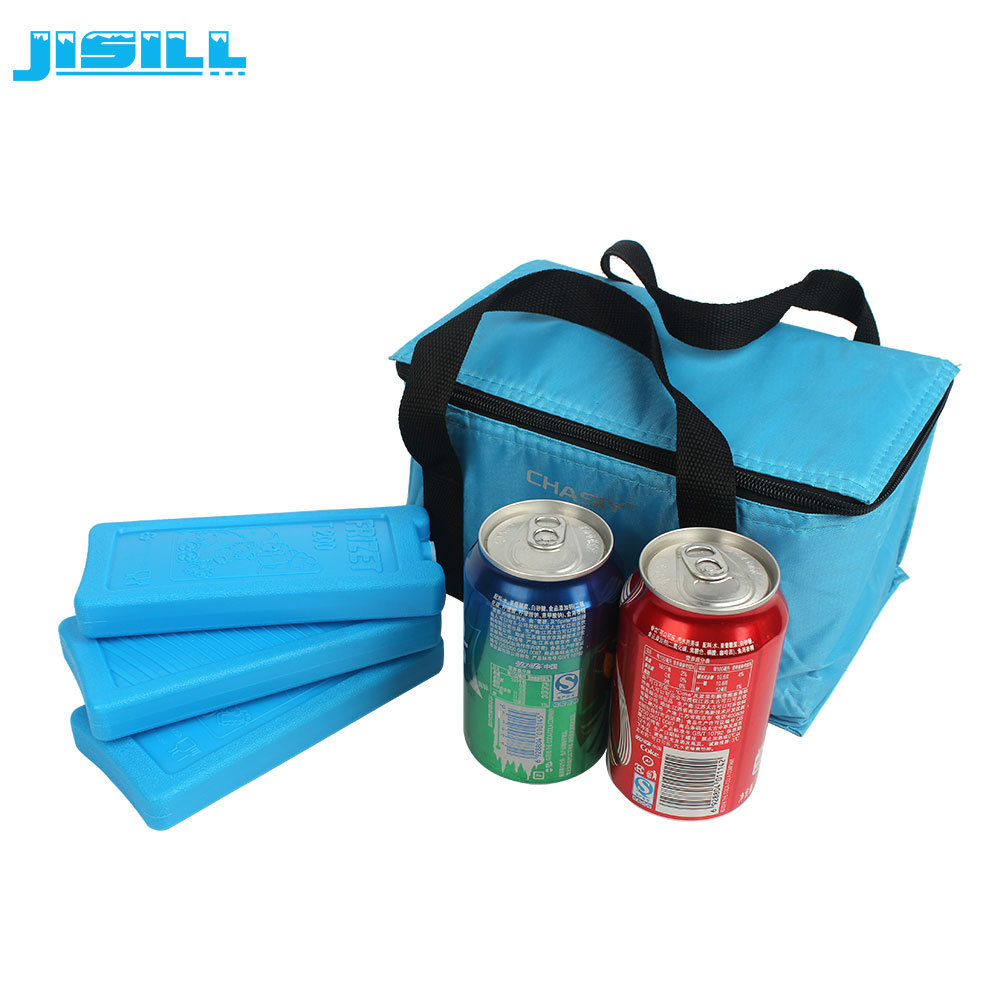
JISILL ice packs are constructed with a food-grade HDPE (high-density polyethylene) outer shell, which provides durability and leak resistance. The inner material varies by model: standard gel packs use SAP (superabsorbent polymer) or CMC (carboxymethyl cellulose) cooling gel, while advanced variants utilize phase change material (PCM) technology for tighter temperature control. For example, the PCM Ice Cooler Brick model BH091 is a food-grade product with overall dimensions of 38.5×20×2 cm, net weight 1200 g, designed for outdoor frozen use at -22°C. It holds certifications including FDA, SGS, MSDS, CPSIA, and CE. The BH047 Ice Cooler Brick (23.5×19.5×3 cm, 1000 g) contains cooling gel and conforms to FDA, MSDS, CPSIA, and Regulation (EU) No. 10/2011. These certifications confirm that materials are non-toxic and safe for food and pharmaceutical applications.
Application / Use-Case Scenarios
This product category is suitable for the cold chain transportation sector, specifically for temperature control packaging and cold chain logistics solutions. The typical operation mode is passive cooling on demand. Products are matched with insulated containers or cooler bags to maintain temperature during transit. Common use cases include food keep fresh scenarios (such as meal prep delivery, grocery e-commerce), frozen food transportation (ice cream carts, frozen seafood), medical and vaccine cold chain (2-8°C or deep freeze), and breast milk storage (model BH004 Breast Milk Ice Pack, 21×10×5.2 cm). The application scenario is prevalent in numerous countries globally, including the United States, European Union member states, Southeast Asian, and South American markets.
Market Trend Analysis
Demand for reusable and certifiable cold chain packaging is rising as regulatory standards tighten and e-commerce for temperature-sensitive goods expands. The adoption of PCM-based ice packs is increasing because they offer a narrower phase-change window compared to conventional gels, making them preferable for pharmaceutical logistics. Manufacturers like Jisi that offer both standard gel and PCM variants, backed by international certifications, are positioned to serve diversified buyer requirements across multiple regions.
Comparison with Traditional Solutions
Compared to disposable ice blocks or loose ice, reusable gel ice packs provide predictable cooling duration, eliminate leakage risks, and reduce per-trip costs after multiple cycles. The hard HDPE shell withstands repeated freezing and handling far better than thin plastic bags. However, the initial purchase cost per unit is higher than single-use alternatives; buyers must evaluate total cost of ownership across projected reuse cycles.
Future Outlook
Continued innovation in phase change materials and vacuum insulation panel integration will further tighten temperature accuracy and extend holdover times. Manufacturers investing in multi-temperature product lines (e.g., -30°C to 23°C PCM plates) and scalable OEM production will support the evolving needs of global health and food cold chains. For buyers, early engagement with technically capable suppliers offers a strategic advantage in quality assurance and supply chain resilience.
For a complete overview of Jisi’s product portfolio and production capabilities, download the corporate brochure: https://cdn.socialarks.com/sbsp/24705/0/2026/0415/69df469d3b9ad.pdf