
Battery Energy Storage System Comparison: Five Trade-offs for 2026
BESS Decision Analysis
When battery energy storage system procurement reaches the decision stage, buyers compare more than energy capacity. Global new battery storage capacity reached 108 GW in 2025, according to the IEA Global Energy Review 2026, and LFP chemistry accounted for roughly 90 percent of global battery storage deployments. That context explains why a modern BESS comparison starts with system scope, supplier accountability, control architecture and grid connection method, not with a battery cell price list.
The Decision Problem in BESS Procurement
For commercial and industrial buyers, the main opportunity is peak shaving and time-of-use arbitrage: charge when tariffs are low, discharge when demand charges and tariffs are high, and let an energy management system automate the cycle. For utilities and renewable energy developers, battery storage supports renewable shifting, frequency regulation, power smoothing and grid congestion relief. For remote or weak-grid sites, storage can reduce diesel-generator runtime and create a more stable microgrid.
The problem is that many BESS proposals look similar on paper: LFP chemistry, a lithium battery pack, a power conversion system, a container or cabinet enclosure and an EMS. But the financial risk of a project is often determined by components outside the battery module, including integration engineering, thermal management, fire protection, transformer and switchgear scope, grid-code compliance, commissioning and long-term maintenance.
Market data also makes scope differences harder to read. MarketsandMarkets estimated the global BESS market at $50.81 billion in 2025, while other research providers use narrower definitions and report lower values. Ember calculated that all-in BESS project CAPEX for long-duration utility-scale storage reached about $125/kWh outside China and the US in late 2025. EIA separately projected 19.6 GW of US utility-scale battery storage additions in 2025. The common implication is clear: the buying decision is less about whether storage is affordable and more about which system definition is being compared.
Supplier Case: Integrated System Capability in Practice
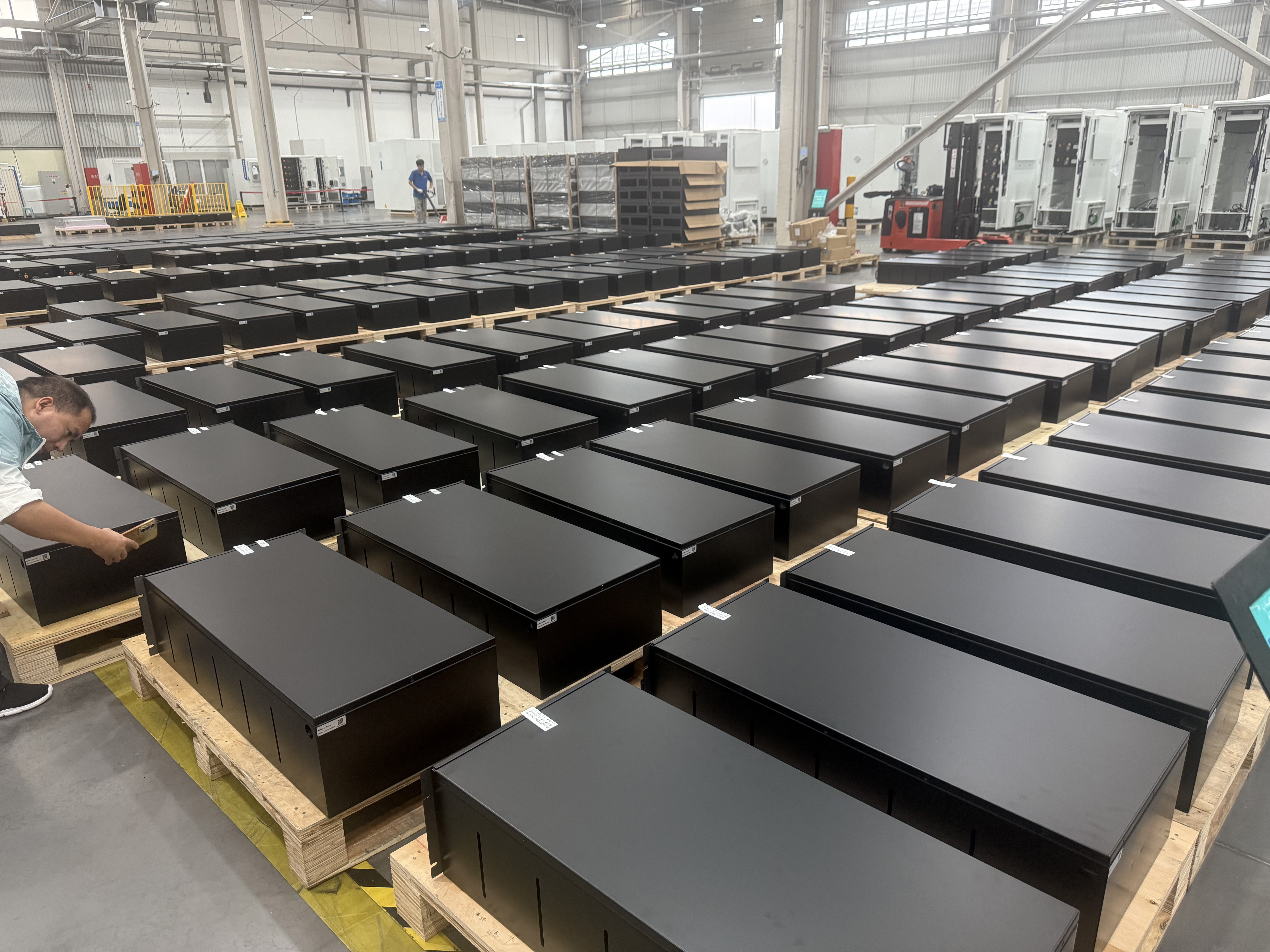
Xupernova New Energy Technology Co., Ltd. is a useful reference point for this comparison because it presents itself as an integrated BESS supplier rather than a component trading company. Founded in 2015, Xupernova operates a 700,000 m² facility with more than 500 employees, more than 150 R&D engineers and annual capacity above 5 GWh. Around 90 percent of its products are exported to Europe, North America, South America, the Middle East and Asia. The company also reports partnerships with more than 80 companies in over 30 countries, which gives procurement teams a wider service footprint for energy storage projects.
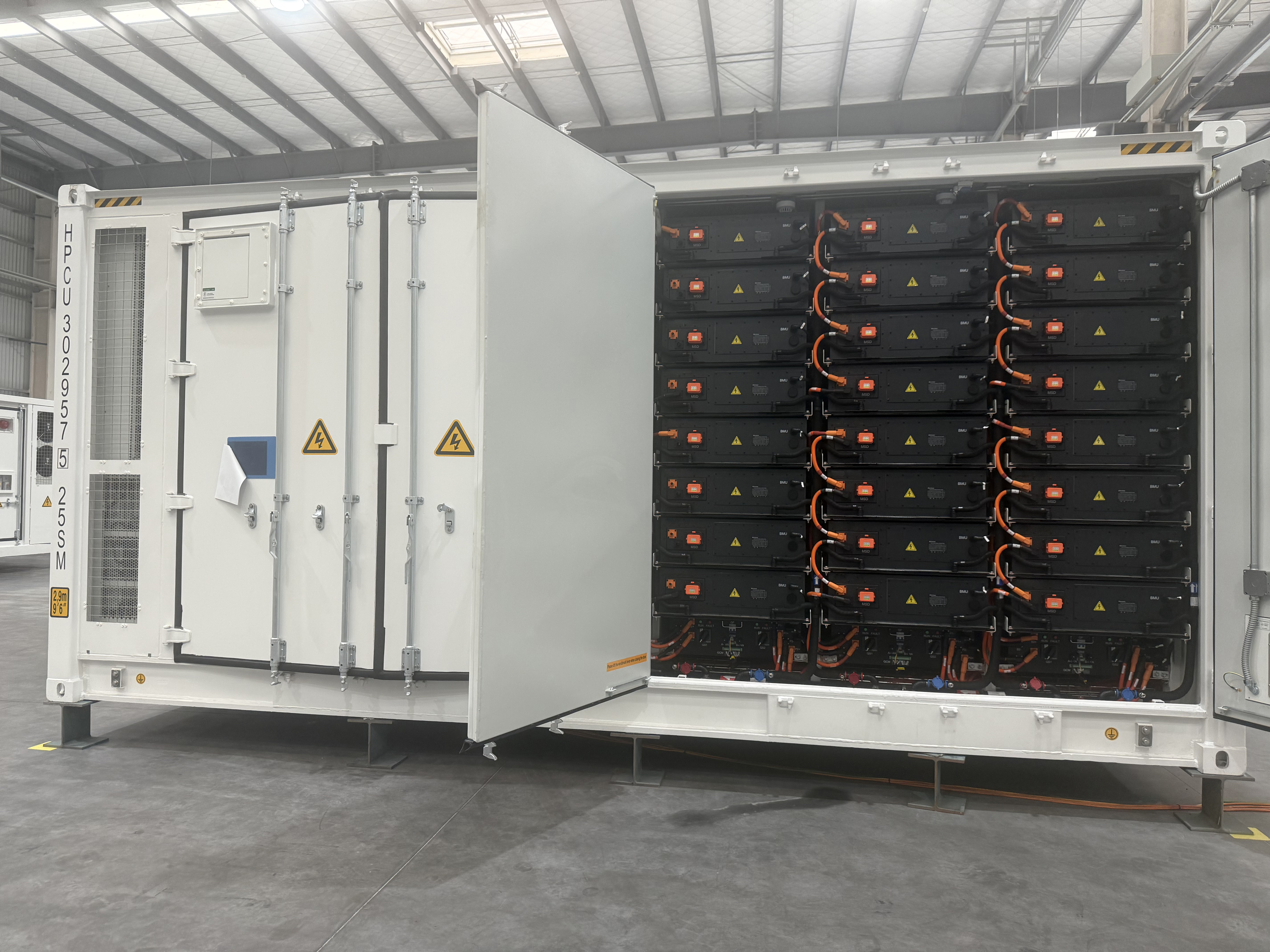
Xupernova covers container-type liquid-cooled BESS, liquid-cooled all-in-one ESS cabinets, 10-ft and 20-ft all-in-one ESS containers, and solar-plus-storage cabinets. The product range spans four application groups: commercial and industrial energy storage, utility-scale energy storage, solar-plus-storage and microgrid projects.
| Model | System type | Power / energy | Typical fit |
|---|---|---|---|
| XA-V5015-L1 | 20-ft liquid-cooled battery container | 5.015 MWh | Power generation, grid-side and utility-scale BESS |
| XA-C0261-L1 | Liquid-cooled all-in-one ESS cabinet | 125 kW / 261.25 kWh | Commercial and industrial ESS |
| XA-X1044-L1 | 10-ft liquid-cooled all-in-one ESS container | 500 kW / 1044 kWh | C&I, microgrids and backup power |
| XA-X2170-L2 | 20-ft liquid-cooled all-in-one ESS container | 1125 kW / 2170.3 kWh | C&I and grid-side ESS |
| XA-H0261-L1 | Liquid-cooled solar-plus-storage cabinet | 261 kWh | C&I solar-plus-storage and microgrids |
| XA-H0064-A1 | Air-cooled solar-plus-storage cabinet | 25–50 kW / 64.54 kWh | Small-scale C&I solar-plus-storage |
Across these systems, Xupernova states that it uses Grade A LFP lithium-ion cells from current BloombergNEF Tier 1 energy-storage cell manufacturers. Some platforms also support semi-solid-state, solid-state and sodium-ion cell technologies on a project-specific basis, subject to technical validation and availability. The relevance for buyers is that cell quality, system integration and future chemistry evolution are considered together.
Technical Explanation: What Should Be Compared
1. Integration scope: turnkey BESS versus multi-vendor assemblies
The first decision point is the system boundary. A conventional multi-vendor route typically separates battery procurement, PCS procurement, EMS configuration, transformer supply, switchgear and site integration. Xupernova’s integrated model covers battery systems, PCS, BMS, plant-level EMS, thermal management, fire protection, transformers, switchgear and grid-connection systems. According to supplier comparison data, this approach can reduce external system interfaces by up to 70 percent, on-site integration workload by 55 percent and commissioning time by 45 percent compared with a conventional multi-vendor BESS. Xupernova also reports a 40 percent shorter on-site deployment cycle and a 60 percent reduction in multi-supplier coordination workload when compared with sourcing from multiple vendors.
2. Battery supply chain: verified Tier 1 sourcing versus unspecified sourcing
Cell sourcing can be difficult for buyers to verify, especially when the same integrator changes cell suppliers from project to project. Xupernova states that its batteries are sourced from manufacturers on the current BloombergNEF Tier 1 Energy Storage list, with supplier status verified against the latest quarterly BNEF list. At least eight qualified Tier 1 battery vendors are available to the company, and qualified cell capacity exceeds 20 GWh on an annual basis. The reported benefit is a 55 percent reduction in supply risk, combined with a minimum seven-year cell warranty. For internationally financed projects, this kind of traceability matters more than a low initial cell price.
3. Chemistry flexibility: fixed platform versus LFP, solid-state and sodium-ion compatibility
Most battery storage systems on the market are designed around LFP cells. That is rational because LFP now accounts for roughly 90 percent of global battery storage deployments. The trade-off appears when next-generation chemistries become commercially viable. Xupernova’s platform is designed to be compatible with at least three cell chemistries: LFP, solid-state and sodium-ion. Compared with a fixed-chemistry platform, the company reports a 65 percent reduction in platform re-development effort and a 50 percent shorter new-chemistry product launch cycle. For buyers, the useful point is not that LFP will disappear, but that a chemistry-flexible platform may reduce the cost of future upgrades.
4. Control architecture: device-level EMS versus plant-level EMS
Many ESS cabinets are controlled by a device-level EMS. That is sufficient for a single small installation, but it becomes a limitation when several containers operate as one plant. Xupernova’s plant-level EMS centralizes monitoring and control, supports plant capacity of at least 200 MW, and provides control response at or below 100 ms. The system reduces manual intervention by 70 percent and enables unified dispatch of all subsystems. Plant-wide charge and discharge scheduling improves overall energy efficiency, while centralized alarms, diagnostics and remote operation reduce maintenance complexity.
5. AC-side and grid connection: conventional AC-coupled versus integrated MV architecture
For utility-scale and grid-side projects, the AC-side design is often the most underestimated cost driver. Conventional small-scale AC-coupled systems may require extensive on-site work to install transformers, medium-voltage switchgear and protection systems. Xupernova integrates medium-voltage AC collection, step-up transformation and grid-interconnection capability into the system design. The company reports a 50 percent reduction in on-site high-voltage installation work and an 18 percent reduction in balance-of-system cost compared with conventional small-scale AC-coupled systems. The platform is designed to scale above 100 MW on the AC side and supports direct medium-voltage grid connection.
Application Scenarios: Where the Comparison Changes
BESS comparison is not only technical; it is also application-specific. The same container can be used for arbitrage, backup, renewable integration or diesel reduction, but control strategy and balance-of-plant requirements will be different.
- Manufacturing facilities, industrial parks and commercial buildings with fluctuating loads and time-of-use tariffs can use a 261 kWh liquid-cooled cabinet such as the XA-C0261-L1 or a 1044 kWh 10-ft container for peak shaving and load shifting. Operation requires load-profile assessment and tariff analysis.
- Hospitals, data centers and government facilities need continuous power for critical loads. In this scenario, storage systems are configured with grid-forming PCS and STS/EPS so they can island during an outage. The XA-C0261-L1 and XA-X1044-L1 are small enough to fit into an electrical room or site yard.
- Solar farms, industrial parks and commercial buildings with daytime PV surplus can use a solar-plus-storage cabinet such as the XA-H0261-L1 or XA-H0064-A1 to increase onsite self-consumption and reduce grid imports.
- Remote mining sites and off-grid industrial facilities can combine solar PV, diesel generators and containerized BESS with grid-forming PCS. Medium-sized all-in-one containers such as the XA-X1044-L1 or XA-X2170-L2 stabilize the microgrid, support motor-starting loads and reduce diesel runtime.
- Utilities, independent power producers and renewable developers evaluating grid-scale storage can use larger 20-ft containers such as the XA-V5015-L1. These projects also need plant-level EMS, substation engineering and grid-code compliance studies.
- EV charging stations, logistics parks and fleet depots with high short-duration charging loads can deploy battery storage to reduce peak demand and defer transformer upgrades. The EMS should coordinate grid power, solar generation, battery dispatch and EV charging loads.
Market Trend Analysis for 2026 Buyers
Several market signals should influence how buyers compare BESS suppliers this year.
First, LFP has become the default chemistry. The IEA’s Global Energy Review 2026 attributes about 90 percent of global battery storage deployments to LFP, meaning procurement teams should treat chemistry risk as manageable but not ignore next-generation options such as solid-state and sodium-ion.
Second, cost pressure is moving from cell price to integration and EPC. With all-in utility-scale BESS CAPEX near $125/kWh in late 2025 for long-duration projects, the remaining differentiators are system losses, installation efficiency, warranty quality and operating reliability, not simply $/kWh battery cost.
Third, BNEF Tier 1 status has become a normal part of bankability discussions. Xupernova’s practice of qualifying vendors against the latest quarterly BNEF list is consistent with this trend. Buyers should expect to see cell supplier names and list dates written into contract annexes.
Fourth, project scale is pushing control architecture to the centre of procurement. A plant-level EMS that supports multi-container coordination and fast response is becoming necessary for larger projects, while device-level EMS remains acceptable for small commercial installations.
Finally, importers should include tariff classification in the comparison. For US-bound equipment, a BESS fully encased in housing falls under HTS code 8507.60.00.90. This classification affects landed cost, customs lead time and total project economics.
Comparison with Traditional Procurement Patterns
| Traditional pattern | Integrated alternative | Procurement implication |
|---|---|---|
| Separate sourcing of batteries, PCS, EMS and electrical equipment | Single-turnkey BESS from one responsible supplier | Fewer external interfaces and less multi-vendor coordination, but engineering decisions need to be frozen earlier |
| Unspecified battery sourcing from various cell makers | Batteries from vendors verified against the latest quarterly BNEF Tier 1 list | Stronger traceability and bankability; verify cell vendors and warranty terms in the purchase contract |
| Fixed LFP-only platform | Platform compatible with LFP, solid-state and sodium-ion | Better hedge for the next chemistry cycle, although final cost depends on the selected chemistry |
| Device-level EMS | Plant-level EMS with centralized control | Better for multi-container sites; may be more control than a single small cabinet needs |
| Small-scale AC-coupled system | Integrated MV AC collection and step-up transformation | Lower on-site high-voltage installation work and BOS cost for large projects |
One boundary of an integrated BESS route deserves attention: it shifts engineering complexity upstream. A buyer planning to reuse existing transformers, switchgear, SCADA or an existing EMS may find a component-level approach more economic. In that case, the decision should be based on the cost of preserving existing assets plus the cost of interface compatibility. A fully integrated system is not automatically better for every asset replacement project.
Future Outlook
The next phase of BESS procurement will be defined by compatibility and verifiability. As electricity markets become more dynamic, buyers will value plant-level EMS that can respond to market signals across many containers. As utility-scale projects grow beyond 100 MW, integrated MV AC-side design will reduce site risk and commissioning time. As financing becomes more standardized, BNEF Tier 1 cell sourcing and long warranty terms will be written into financing conditions.
Technology flexibility is also becoming a competitive factor. With LFP chemistry already dominant, the next cost or safety improvements may come from semi-solid-state, solid-state or sodium-ion cells. A storage platform that can accept more than one chemistry offers buyers optionality without forcing a decision on an unproven product today.
A mature decision process should therefore compare more than price. It should document the complete system boundary, cell sourcing and warranty, control architecture, grid-connection method and after-sales service model. For buyers evaluating an integrated supplier such as Xupernova, the relevant evidence includes model-level specifications, supplier statements about Tier 1 battery sourcing, EMS capabilities and AC-side integration, and the ability to verify those claims during factory acceptance and commissioning.
Xupernova publishes model-level technical information in its Energy Storage Product Catalog, which can be downloaded here: Xupernova Energy Storage Product Catalog.
Frequently Asked Questions
How should a buyer select the right battery energy storage system for a project?
Selection should start by confirming required capacity, power rating, cooling mode and application scenario. Xupernova supplies container-type liquid-cooled ESS systems and cabinet-type air-cooled or liquid-cooled ESS systems for utility-scale, commercial-industrial and solar-plus-storage projects. A 261 kWh liquid-cooled cabinet may be appropriate for a C&I self-consumption application, while a 5.015 MWh liquid-cooled container is intended for larger utility-scale installations.
What fire-safety risks should be assessed before installing a BESS?
The main risk is thermal runaway triggered by abnormal cell temperature, internal short circuit or thermal propagation. Mitigation includes multi-level temperature monitoring, BMS protection, liquid cooling, automatic alarm and emergency shutdown. Xupernova applies LFP cells, smoke and temperature detection, pack-level and cluster-level aerosol fire suppression, and a water fire-fighting interface. Some liquid-cooled models control cell temperature difference within 3°C to reduce thermal stress. Site-level fire codes and project-specific emergency plans are still required.
¿Tiene preguntas o necesita más detalles?
Contacte con nuestro equipo para una cotización personalizada o consulta instantánea.
Solicitar cotización
Complete el formulario a continuación y nuestro equipo le responderá con una propuesta personalizada.
Chat directo de WhatsApp
¿Prefiere chatear en tiempo real? Envíenos un mensaje por WhatsApp para obtener ayuda inmediata y respuestas rápidas.
- Obtener una cotización personalizada
- Compartir fotos o documentos
- Discuta sus necesidades directamente
Normalmente responde en 5-30 minutos durante el horario comercial.