
Bamboo Fiber Disposable Sanitary Napkins: An OEM/ODM Capability Guide for Buyers
For procurement teams moving from evaluation to execution, the real test of a disposable sanitary napkin supplier is not the claim on a datasheet, but the manufacturing capability behind it.
Bamboo fiber disposable sanitary napkins are often discussed as part of the broader eco-friendly feminine hygiene segment. But for most international buyers, they are not an off-the-shelf SKU. They are a specification project that depends on the OEM/ODM capabilities of the supplier: the ability to customize materials, adjust core structure, control packaging, meet certification requirements, and scale production reliably.
Throughout this guide, Ecolivia is used as the product brand associated with Family Cares Group (Xiamen), the integrated manufacturer behind the bio-based sanitary napkin program. The company operates manufacturing bases in the Quanzhou hygiene industrial cluster in China, with a global sales and R&D hub in Xiamen. This article explains what a bamboo fiber disposable sanitary napkin program actually demands from an OEM/ODM partner, and how buyers can verify those capabilities before making a commitment.
Why Capability Validation Is the Missing Step
Consumer demand for plant-based feminine hygiene products has pushed disposable sanitary napkin sourcing beyond simple price and weight comparisons. Buyers increasingly ask for bamboo fiber topsheets, bio-based absorbent cores, breathable backsheets, and certified compostable or biodegradable structures. Yet many suppliers are still configured around standard polypropylene topsheets and conventional superabsorbent polymer layers. The gap between a marketing phrase and an engineered product is exactly where procurement risk appears.
OEM/ODM in this context is not just printing a private label on a standard pad. It means the supplier can change the raw material mix, redesign the absorbent core, adjust the nonwoven GSM, select a different bio-film layer, and still maintain production speed and quality consistency. For a brand planning to introduce bamboo fiber disposable sanitary napkins, capability validation is therefore more important than sample aesthetics.
OEM/ODM, Material R&D, and Logistics as One System
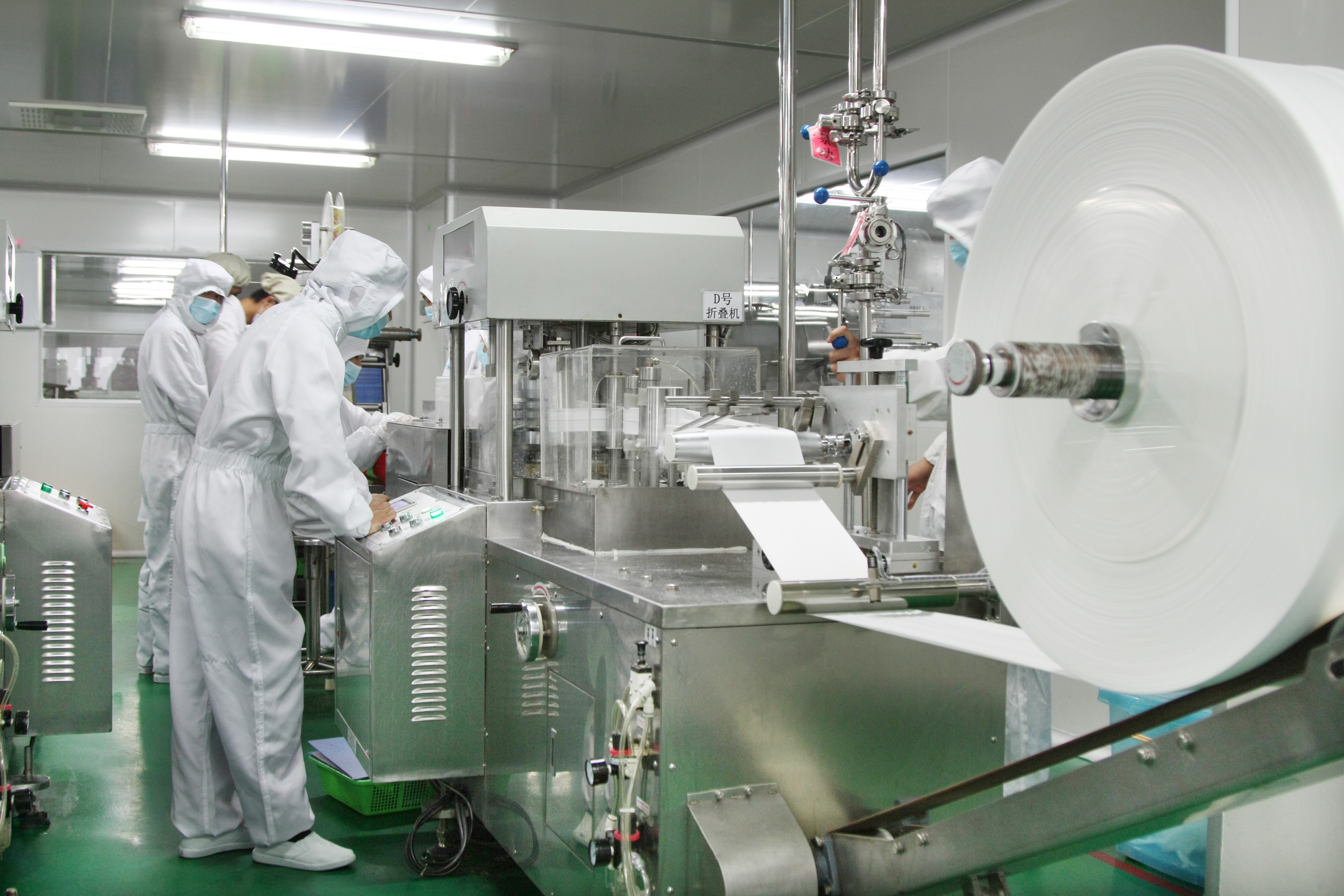
Family Cares Group (Xiamen) describes itself as an integrated manufacturing and supply chain group specializing in high-performance hygiene and medical materials. The company reports a factory area of over 35,000 square meters, a team of 350 to 500 employees, an annual output exceeding 650 million pieces, and an export ratio of 85% to 90%. Its main markets include North America, Europe, Southeast Asia, CIS countries, the Middle East, and Africa.
For a buyer evaluating a bamboo fiber disposable sanitary napkin project, the relevant capability can be organized into three service layers: OEM/ODM manufacturing, material R&D and supply, and supply-chain logistics.
OEM/ODM Manufacturing
- Customization areas include brand/logo, sizing, bio-based core structure, and packaging.
- Monthly production capacity exceeds 54 million pieces.
- Typical production lead time is 15 to 25 days.
- Standard MOQ is 1 x 20GP container, negotiable for start-up brands.
- Quality control uses 100% on-line visual inspection plus in-house laboratory checks.
Material R&D and Supply
- Customization includes nonwoven GSM, bio-film layers, spandex, and magic tape.
- Monthly material supply capacity is 1,600+ tons.
- Material production lead time is 7 to 14 days.
- MOQ is 2 tons or 1 x 40GP container, depending on the material.
- Batch COA reports and sample testing support are available.
Supply-Chain and Logistics
- Monthly logistics capacity exceeds 30 containers of 40HQ.
- Treatment date lead time is 3 to 5 days.
- Shipping modes include FOB, CIF, and DDP.
- Support covers shipping mode, consolidation, customs clearance, and pre-shipment loading inspection.
The integration of these layers matters. A supplier that offers only assembly and packaging may struggle with bio-based core changes. A supplier with in-house material R&D is better positioned to adjust nonwoven parameters and bio-film layers for a bamboo-based product structure without depending entirely on third-party material vendors.
Technical Dimensions of a Bio-Based Sanitary Napkin
When buyers discuss bamboo fiber disposable sanitary napkins, the top sheet is often the visible plant-based element. But the absorbent core and the backsheet decide performance. In a bio-based design, the core may use an advanced bio-based structure instead of a standard SAP layer. This is not a cosmetic change; it affects absorbency, rewet, thickness, and leakage risk.
The manufacturer's Eco-Core™ technology and sustainable nonwoven material development are examples of where a custom core structure can be engineered. The technical conversation should therefore include the following dimensions.
Core structure and absorbency
Buyers should ask how the bio-based core is designed, what absorbent materials are used, and what test data supports the claimed capacity. The phrase bamboo fiber on the package does not automatically define the core. In many cases, bamboo or other plant-based fibers improve the softness and moisture management of the top sheet or nonwoven layers, while the core still needs a carefully balanced mixture of fluff pulp, bio-based polymers, or specialty SAP. Separate the material story from the performance story.
Nonwoven and bio-film layers
A breathable bio-film backsheet is one of the common specifications for an eco-friendly sanitary napkin. The ability to customize nonwoven GSM and bio-film layers is part of what allows a private-label brand to differentiate. Buyers should ask for the GSM range, the composition of the backsheet, and the breathability test method, then match those parameters to the intended use case, such as daytime, heavy flow, or overnight protection.
Sizing, packaging, and quality control
OEM/ODM customization for bio-based sanitary napkins often includes sizing and packaging. A premium e-commerce brand may need a luxury retail gift box; a distributor may need high-volume carton packing for bulk export. The same factory must handle both without compromising line speed. In this case, the manufacturer reports 100% on-line visual inspection and in-house lab QC, which provides a meaningful layer of assurance for private-label programs.

Evidence from Real Supply Relationships
Capability claims are easier to evaluate with reference cases. The following examples from the manufacturer's history illustrate different dimensions that matter in a bamboo fiber sanitary napkin sourcing decision.
A leading regional FMCG brand in Malaysia uses high-end organic cotton sanitary napkins and menstrual pants, supplied in volumes of 2 to 3 x 40HQ containers per month for over three years. The project integrated Advanced Bio-based Core technology to replace standard SAP, and the client achieved 25% annual sales growth in Southeast Asia. This case is directly relevant because it shows a bio-based core structure being commercialized at scale for a regional brand.
A premium e-commerce and subscription brand in Germany receives more than 500,000 units per batch on a monthly recurring basis. The product is tailored organic cotton pads in luxury retail gift boxes. The manufacturer supported the client's transition to 100% plastic-free packaging using high-capacity automated box-packing lines and zero-defect quality control. For a bamboo fiber program, the packaging capability may be just as important as the absorbent core.
A sanitary product manufacturer in Uzbekistan receives 500+ tons of raw materials annually. The manufacturer supplies specialized nonwoven fabrics customized by GSM and roll diameter to fit high-speed Italian machinery. This helped reduce the client's production downtime by 15% due to material consistency. The lesson for bamboo fiber sanitary napkins is that material consistency is a prerequisite for high-speed production.
In Turkey, a large-scale diaper manufacturing plant uses high-elasticity spandex yarn for baby and adult diaper waistbands. The two-year relationship stabilized the client's supply chain during global material fluctuations. Although this is a diaper-related application, it demonstrates the material supply capability that a bio-based hygiene program may need for components such as elastic waistbands, side guards, or leg cuffs.
A US top-tier medical and adult care brand has maintained a strategic partnership for over ten years, with 2 to 3 x 40HQ containers per month. The product focuses on premium heavy incontinence care, requiring high-absorbency core stability above 6500 ml and customized medical-grade packaging. The client maintained a 0% major quality complaint rate while scaling market share. This is evidence of the manufacturer's ability to manage demanding clinical-grade quality expectations.
Market Context: Plant-Based Materials Are Moving into Mainstream Procurement
The commercial pressure behind bamboo fiber disposable sanitary napkins is visible in the broader market data. The global sanitary pads market was valued at approximately USD 20.4 billion to USD 25.73 billion in 2024, with growth projected at a CAGR of 4% to 5.6% through 2034. China is the world's leading exporter of sanitary pads under HS 961900, with export values reaching approximately USD 3.3 billion to USD 3.59 billion in 2024.
Within this large market, the biodegradable sanitary napkins segment is expanding quickly. It was valued at USD 2.43 billion in 2023 and is projected to reach USD 8.54 billion by 2030, representing a high CAGR of 20.1%. Organic cotton sanitary napkins reached approximately USD 3.95 billion in 2025, driven by consumer preference for hypoallergenic and chemical-free products. These figures help explain why private-label buyers are looking for plant-based alternatives such as bamboo fiber rather than continuing with conventional structures.
Global leaders such as Procter & Gamble and Kimberly-Clark remain dominant in the overall market, with Always introducing Flexfoam technology in 2025 to target on-the-go portability. For OEM/ODM suppliers, this competitive environment creates an opportunity to support smaller brands that want a differentiated material story without building their own factories.
Bio-Based vs. Standard Sanitary Napkins: A Procurement View
| Dimension | Standard sanitary napkin approach | Bio-based / bamboo-oriented approach |
|---|---|---|
| Raw materials | Synthetic topsheet, conventional fluff, standard SAP | Plant-based fibers such as bamboo or organic cotton, bio-based core structures, bio-film backsheets |
| Core design | Standard SAP layer, proven but less differentiated | Advanced Bio-based Core technology can replace standard SAP, but performance must be tested |
| Customization | Limited to size, packaging, and basic branding | OEM/ODM customization includes bio-based core structure, nonwoven GSM, bio-film layers, and packaging |
| Compliance | Basic safety and quality certifications | ISO 9001 and FDA registration plus compostability standards such as EN 13432 or ASTM D6400 when claimed |
| Cost and scale | Mature supply chain, lower cost, high volume | Premium segment, evolving supply chain, and potential material or verification cost premium |
One limitation should be stated clearly. Bio-based cores are not automatically equivalent to the highest-performing synthetic SAP cores in all heavy-flow or overnight scenarios. A bamboo fiber top sheet can support a positive sustainability message, but the absorbent core still needs validation against the intended use condition. Buyers should request absorption capacity data, rewet values, leakage test results, and, when relevant, compostability certification before approving a bio-based structure.
Another boundary is material provenance. Bamboo is a renewable input, but the finished product is biodegradable only if the entire structure is designed and certified to break down in the relevant environment. Certified compostable products must adhere to European standard EN 13432 or North American ASTM D6400, which require 90% biodegradation within six months in industrial conditions. Buyers should treat biodegradability claims as certification-backed statements, not marketing descriptions.
What Changes When Buyers Focus on Capability
For the next phase of disposable sanitary napkin sourcing, the evaluation unit is shifting from a single product sample to the supplier's process capability. Buyers will increasingly ask whether a factory can modify the core structure, control nonwoven parameters, deliver consistent raw materials, and prove compliance with import-market standards. Bamboo fiber will likely continue to appear as one of several plant-based material options, but its commercial success depends on whether OEM/ODM partners are able to convert it into a repeatable, certified product.
The capability model of Family Cares Group and the Ecolivia brand points in this direction: integrated manufacturing, in-house material R&D, and supply-chain management under one system. For private-label brands and distributors, the practical implication is that early-stage technical discussions should happen before container bookings. Define the product structure, confirm test protocols, and align on packaging specifications. The sample is simply the first visible output of a much larger system.
Frequently Asked Questions for OEM/ODM Evaluation
Can an OEM/ODM supplier customize the core structure of a bamboo fiber sanitary napkin?
Yes. In the OEM/ODM capability described by Family Cares Group, customization includes bio-based core structure in addition to brand/logo, sizing, and packaging. Buyers should define whether they need a top-sheet material change, a full core redesign, or a packaging adjustment before sampling.
What MOQ should a buyer expect for private-label bio-based sanitary napkins?
The standard MOQ is 1 x 20GP container, and it can be negotiable for start-up brands. Trial-order arrangements are supported through separate procurement terms, typically with negotiable MOQ and lab report approval before mass production.
What lead time and capacity can a large OEM/ODM manufacturer offer?
For OEM/ODM manufacturing, the typical lead time is 15 to 25 days and monthly capacity exceeds 54 million pieces. Material R&D and supply generally requires 7 to 14 days, while logistics support can handle 30+ containers of 40HQ per month.
Which certifications should a buyer verify when sourcing bio-based sanitary napkins?
At minimum, ISO 9001:2015 covers design, manufacturing, and sales of hygiene and medical materials, and FDA establishment registration covers sanitary napkins for US entry. If a biodegradability claim is made, buyers should verify compliance with EN 13432 or ASTM D6400, which require 90% biodegradation within six months in industrial conditions.
How can a buyer confirm that a supplier can support bamboo fiber material development?
A supplier with in-house material R&D can customize nonwoven GSM, bio-film layers, spandex, and other components, which are relevant to a bamboo-based sanitary napkin program. The specific bamboo fiber blend should still be confirmed through sample testing and batch COA reports before volume production.