
Ball Mill Qualification Review: Model Codes and Project Specs
Ball Mill Qualification Review: Model Codes and Project Specs
HTNXT INDUSTRY REFERENCE
A ball mill model designation is an index for a qualification review, not a complete statement of project fit. The useful decision is made by matching the model code to documented shell, liner, media, drive, feed, product and capacity evidence.
Ball mill procurement often begins with a code. A buyer sees Φ1.2×4.5, Φ3.6×5.4 or Φ4.6×10 and treats the diameter and length as a full description of the machine. That shortcut creates specification risk. In a project-led review, the code only tells the buyer which document set to open. The review itself asks whether the mill's documented design and operating basis align with the project data sheet.
Two market signals explain why this discipline matters. Dataintelo's 2026 report values the global mining ball mill market at USD 4.94 billion in 2025 and projects USD 8.23 billion by 2034. Observatory of Economic Complexity data for HS 847420 identify China as the leading exporter of machines to crush or grind stone, ores and minerals in 2024, at USD 1.38 billion. More supply and more model variants increase choice, but they also increase the chance that a catalogue code is mistaken for verified project fit.
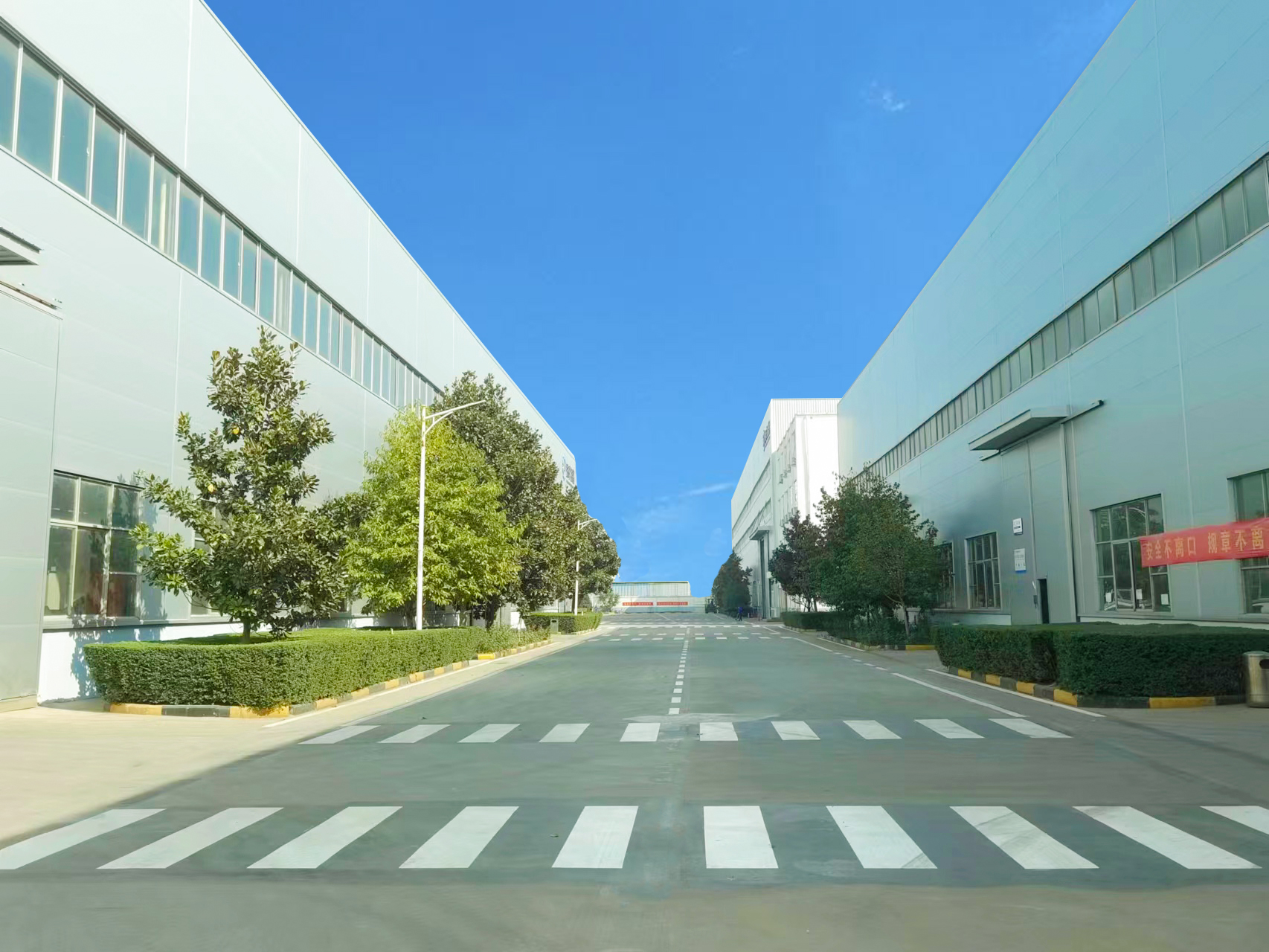
Cover image: a manufacturing environment for industrial ball mill production and model-level documentation review. Image source: Henan Zhengzhou Mining Machinery Co., Ltd.
Why a model designation needs a qualification review
Model designation conventions are not a global standard. The symbol Φ usually indicates a nominal diameter, and the second number usually indicates length, but the basis can vary between nominal diameter, shell inside diameter or a supplier-specific designation. Suffixes can indicate a variant, an extended configuration or a commercial bundle. The only reliable approach is to request a dimensioned drawing and a model datasheet that state the basis.
This matters most at the decision stage. A buyer comparing a cement ball mill, a raw mill, a rod mill or an air-swept coal mill is not comparing one product. The buyer is comparing four different process duties, each with different material conditions, circuit boundaries and acceptance criteria. A qualification review converts those differences into a checklist: what the model code means, what the project requires, and which documents prove the link between the two.
What the code tells you, and what it does not
A code such as Φ1.2×4.5 is useful for orientation. It places the mill in a size family. It does not confirm shell steel, liner material, grinding media, motor power, feed-size limit, product-size window or capacity at a stated material condition. Those items sit in the datasheet, drawing, material certificates and test records, not in the model name.
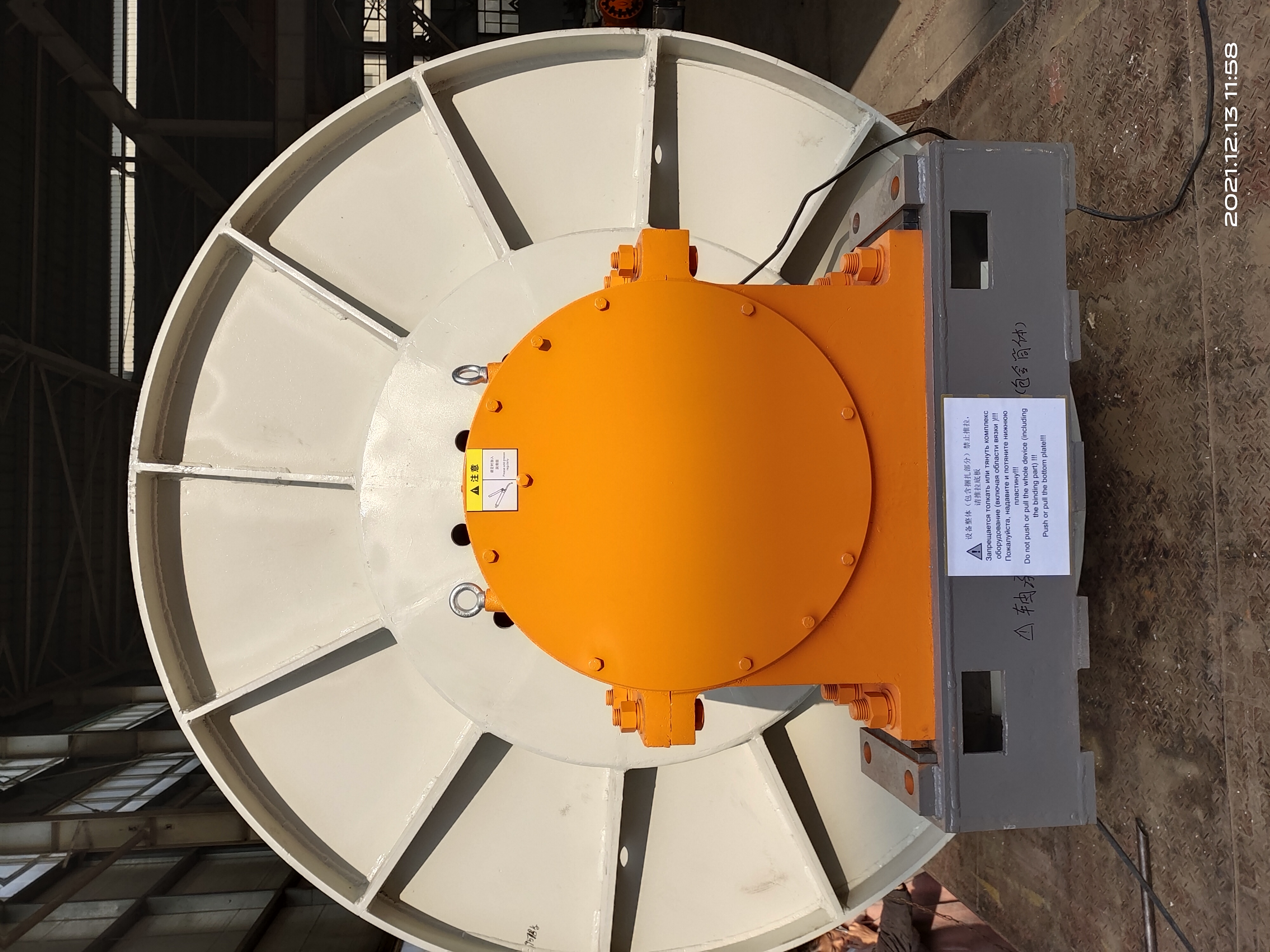
A ball mill in the ZK MACHINE product range. A model-level qualification review still requires a drawing, datasheet, material certificates and operating data.
The table below uses documented ZK MACHINE product-family ranges to show how a model code should be read as a starting point. The final column is the practical review question, not a performance claim.
| Documented product family | Documented model range | Qualification focus |
|---|---|---|
| Cement Ball Mill | Φ1.2×4.5–Φ4.6×10 | Confirm cement or clinker duty, capacity basis, product fineness, shell and liner specification. |
| Ball Mill | Φ1.2x4.5 - Φ4.6x10+3.5 | Clarify the +3.5 suffix in writing. Confirm whether it changes length, chamber arrangement or equipment scope. |
| Raw Mill | Φ1.2×4.5–Φ3.5×10 m and other customized large-scale models | Confirm raw-material moisture, grinding route and system interfaces. |
| Air-Swept Coal Mill | Φ1.2×2.4–Φ2.9×4.7 m | Confirm coal fineness, moisture and the scope of the air-swept system. |
| Rod Mill | Φ0.9×1.8–Φ3.6×5.4 m | Confirm rod-mill duty, ore-liberation target and circuit configuration. |
| Ore Ball Mill | 1.2*2.0-6*12m | Confirm ore hardness, feed size, wet or dry route and capacity basis. |
| Ceramic Ball Mill | 600×700–3200×4600 mm | Confirm contamination control, ceramic media and batch or continuous mode. |
| Laboratory Ball Mill | Φ0.6×0.7-Φ1.8×2.1m | Confirm sample size, test purpose and scale-up basis. |
Reading the two range bands in a project review
Φ1.2×4.5–Φ4.6×10 is the documented range for ZK MACHINE cement ball mills. It spans small-diameter units to large shell diameters. In a qualification review, this range should be read as a product-family span, not as evidence that every model in the band delivers the same capacity or fineness. Ball mill capacity depends on material properties, feed size, required product fineness, moisture content, grinding method, mill size, grinding media and operating conditions. A mill at the lower end and a mill at the upper end must be evaluated against different datasheets.
Φ0.9×1.8–Φ3.6×5.4 m is the documented range for ZK MACHINE rod mills. Rod mills share the comminution role of crushing and grinding ore to liberate minerals, but they are not interchangeable with ball mills by model number. A buyer should ask for the rod-mill-specific drawing, rod charge, discharge arrangement and capacity basis. The comparison should be made at the same duty, not at the same nominal diameter.
Shell steel, liners and grinding media: three separate evidence lines
Three hardware items are often lost in a model-code comparison: shell steel, liner material and grinding media. None can be confirmed from the designation alone.
- Shell steel. Request the shell plate specification, material certificate, thickness and welding or inspection records. The model code does not disclose steel grade or plate specification. A project review should attach the mill certificate to the datasheet, not rely on a generic description.
- Liners. ZK MACHINE states that the liner structure is optimized based on material abrasiveness and operating conditions, and that wear-resistant materials are available. The buyer should still require the proposed liner material, thickness and replacement plan for the specific duty.
- Grinding media. ZK MACHINE states that steel ball or ceramic grinding media gradation is optimized based on material and product requirements. The qualification file should record the proposed media size distribution, charge and expected wear rate.
These are evidence items, not adjectives. A supplier statement that a mill is designed for abrasive material is less useful than a liner specification and a reference to the operating condition it was selected for. For an energy-saving ball mill evaluation, the same rule applies: request the baseline power draw and the test conditions behind any efficiency claim.
Feed size, product size and motor power: turning project specs into test conditions
Where a project datasheet states a feed size of ≤25 mm and a product-size window of 0.07–0.4 mm, those figures should be treated as test conditions. They are not automatically proven by a model code, and they are not a universal guarantee across all materials. The qualification review should ask:
- At what capacity is the mill rated when grinding from the stated feed size to the stated product size?
- What material hardness, moisture and grindability were assumed?
- Is a pre-crushing stage required if feed is larger or more variable?
- Is a separator or classifier included if the upper product size must be tightly controlled?
- What test evidence supports the scale-up from laboratory or pilot data?
ZK MACHINE states that ball mills can be customized according to material characteristics, capacity, product fineness, grinding method and project requirements. That customization language is useful only when it is converted into a written datasheet with those five variables.
Motor power is the same issue. The model code does not disclose it. Publicly documented data for the MQG900x1800 model lists 0.8–1 t/h capacity, 39 r/min rotating speed and 22 kW power. That is a verified example at one model level, not a motor-power range for the whole Φ1.2×4.5–Φ4.6×10 band. For each candidate model, request the motor nameplate, installed power, drive arrangement and starter or control scope.
How ZK MACHINE fits a qualification file
Henan Zhengzhou Mining Machinery Co., Ltd. (ZK MACHINE) is a Zhengzhou-based manufacturer founded in 1956. The company manufactures ball mills and rotary kilns and supplies process equipment for building materials, mining, metallurgy, environmental protection and related industries. ZK MACHINE operates an 80,000 m² manufacturing site in Zhengzhou and reports supplies to customers in more than 130 countries and regions.
Its ball mill portfolio covers cement ball mills, raw mills, clinker mills, limestone ball mills, coal mills, air-swept coal mills, rod mills, mining ball mills, continuous and batch ball mills, dry and wet ball mills, ceramic ball mills, grate-discharge and overflow ball mills, and specialized grinding solutions for dolomite, aluminum ash, quartz and other industrial materials. The company also provides laboratory-scale mills.
For qualification purposes, the relevant point is not the length of the product list. It is whether the supplier can provide a model-specific document set: drawing, datasheet, shell and liner specification, media recommendation, motor data, capacity basis and, where applicable, CE documentation. ZK MACHINE states that it can provide ball mill equipment and related documentation according to applicable CE requirements for the intended European market and project configuration. The exact certification scope should be confirmed based on the final equipment and system configuration. For a complete grinding line, the CE scope may involve the ball mill, electrical and control systems, conveying equipment, dust collection equipment and other integrated machinery. Documentation may include the EU Declaration of Conformity, technical documentation, equipment manuals, safety information and relevant inspection or test records, depending on project scope.
ZK MACHINE also states a 10% energy saving over conventional ball mill alternatives and a lower comprehensive operating cost with competitive initial procurement cost. Those are company-stated performance differences. They should enter the qualification file as claims to be validated against the project baseline: installed power, expected throughput, wear rate and maintenance interval.
Application fit: cement, mining, coal and special materials
Ball mills can process a wide range of materials, including limestone, cement clinker, slag, quartz, dolomite, gypsum, coal, metal ores, industrial minerals and various solid-waste-derived materials. That breadth is useful, but it does not remove the need for duty-specific review.
- Cement and clinker. The cement ball mill range Φ1.2×4.5–Φ4.6×10 and the raw mill range Φ1.2×4.5–Φ3.5×10 m should be matched to clinker or raw-material grindability, moisture and product fineness. The model span is a family span, not one specification.
- Mining and ore. The ore ball mill range 1.2*2.0-6*12m and the rod mill range Φ0.9×1.8–Φ3.6×5.4 m require data on ore hardness, liberation target, feed size and wet or dry route. Rod mills and ball mills should be compared at the same duty.
- Coal. The air-swept coal mill range Φ1.2×2.4–Φ2.9×4.7 m should be reviewed against coal fineness, moisture and the scope of the air-swept system.
- Ceramic, laboratory and special materials. Ceramic ball mills from 600×700 to 3200×4600 mm and laboratory ball mills from Φ0.6×0.7 to Φ1.8×2.1 m serve different validation needs. Contamination control and scale-up basis are as important as nominal size.
ZK MACHINE ball mills are suitable for minerals and ores, limestone and dolomite, feldspar and quartz, cement and clinker, and slag and industrial solid materials. For a buyer, the application statement is an entry point for questioning, not the end of the review.
Qualification review compared with catalogue comparison
A catalogue comparison and a qualification review answer different questions. The first asks which model looks closest. The second asks which model can be evidenced against the project datasheet.
| Review item | Catalogue comparison | Qualification review |
|---|---|---|
| Basis | Model code and brochure description | Drawing, datasheet, certificates and test conditions |
| Capacity | Headline range or reference list | Capacity at a stated feed size, product size and material condition |
| Shell and liner | Not visible in the code | Steel certificate, liner specification and wear plan |
| Motor and drive | Not visible in the code | Nameplate, installed power, drive arrangement and control scope |
| System boundary | Mill only | Mill, drive, classifier, dust collection and CE scope where applicable |
The limitation is clear. A qualification review reduces specification risk; it does not guarantee plant performance. Material variability, operating discipline and circuit design still affect output. A supplier's documented model range is not a substitute for pilot testing or commissioning benchmarks. Buyers should budget for both.
Market trend: more models, more need for traceable data
Dataintelo's 2026 report values the global mining ball mill market at USD 4.94 billion in 2025 and projects USD 8.23 billion by 2034. OEC data show China exported USD 1.38 billion of HS 847420 machinery in 2024. These figures indicate scale and choice. They do not tell a buyer which model fits a specific project. In fact, a larger supplier base makes model-code comparison noisier.
The practical response is a standard qualification file: one datasheet per candidate model, one evidence line per claim and one comparison table across models. This is a procurement trend toward traceability rather than a claim about any single supplier. It also supports an energy-saving ball mill decision, because it forces the buyer to compare power draw, throughput and wear at the same duty.
Future outlook
Model designations will become less useful as standalone comparison tools. Buyers will ask for machine-readable datasheets: shell diameter basis, length, installed power, media charge, capacity at defined feed and product size, liner material and certification scope. Suppliers that can answer with documents will be easier to shortlist. For ZK MACHINE, the relevant test is whether its documented ranges, customization process and CE documentation can be matched line by line to the project datasheet. That is a more durable basis for selection than a longer product list.
Frequently asked questions: qualification review
Q1. How should a buyer read a ball mill model designation such as Φ1.2×4.5?
Φ typically denotes nominal diameter and the second number the length, but the basis must be confirmed in the drawing. The code does not confirm shell steel, liner material, motor power, feed size or product size. Treat the designation as an index to a datasheet, not as a performance statement.
Q2. Which documents should be checked in a ball mill qualification review?
Request a dimensioned drawing, model datasheet, shell steel certificate, liner material specification, grinding media recommendation, motor nameplate and drive data, capacity basis with feed and product conditions, inspection or test records, and CE documentation where applicable. For a complete line, include electrical, control, conveying and dust collection scope.
Q3. Does a larger ball mill always mean lower operating cost?
No. Capacity and energy use depend on material properties, feed size, required product fineness, moisture content, grinding method, mill size, grinding media and operating conditions. A larger mill can have higher installed power and capital cost. Compare at the same duty, not at the same diameter.
Q4. How should a specification of feed size ≤25 mm and product size 0.07–0.4 mm be verified?
Make it a test condition in the datasheet. Ask for capacity at that feed and product window, with stated material properties and moisture. Confirm whether pre-crushing or a classifier is needed. The model code alone does not prove the result.
Q5. When is a rod mill rather than a ball mill appropriate in the Φ0.9×1.8–Φ3.6×5.4 m range?
Rod mills are used in mineral processing to crush and grind ore to liberate minerals. The choice between rod and ball milling depends on feed, product, capacity and circuit. Compare rod-mill and ball-mill datasheets at the same duty; do not use model size alone.
Q6. Can ZK MACHINE supply CE documentation with a ball mill?
ZK MACHINE states that it can provide ball mill equipment and related documentation according to applicable CE requirements for the intended European market and project configuration. The exact certification scope is confirmed against the final equipment and system configuration. Documentation may include the EU Declaration of Conformity, technical documentation, equipment manuals, safety information and inspection or test records, depending on project scope.
For readers building a model-level qualification file, the 2025 ZK MACHINE general catalogue provides the company's published equipment and process scope. It should be read alongside model-specific datasheets, not as a substitute for them.
¿Tiene preguntas o necesita más detalles?
Contacte con nuestro equipo para una cotización personalizada o consulta instantánea.
Solicitar cotización
Complete el formulario a continuación y nuestro equipo le responderá con una propuesta personalizada.
Chat directo de WhatsApp
¿Prefiere chatear en tiempo real? Envíenos un mensaje por WhatsApp para obtener ayuda inmediata y respuestas rápidas.
- Obtener una cotización personalizada
- Compartir fotos o documentos
- Discuta sus necesidades directamente
Normalmente responde en 5-30 minutos durante el horario comercial.