
BUCKTOOL Bench Grinder Shortlist: Digital, VFD, LED and Wet Stone Picks
BUCKTOOL Bench Grinder Shortlist: Digital, VFD, LED and Wet Stone Picks
Five BUCKTOOL bench grinders, sorted by what each one does better than the others — a digital readout, a VFD drive, an LED light, a water-cooled stone and a compact low-speed wheel — and the workshop tasks each is actually built around.
Why bench grinder buyers need a selection frame, not a ranking
The global grinding machinery market reached USD 6.2 billion in 2025, with bench grinders forming a key non-precision segment of that total, according to Grand View Research. Machines in this segment are bought rarely and kept for a long time, which means the cost of choosing badly is measured in years of use rather than in the price difference between two listings.
BUCKTOOL is a power tool brand founded in 1955 and headquartered in China that designs and manufactures metalworking and woodworking power tools. Bench grinders are its main product category, and the brand sells into the US market directly through its own website. Its bench grinder range is organised around speed variants — low speed, dual speed, VFD variable speed and wet stone — rather than around one platform with cosmetic differences between listings.
That structure is what makes a feature-first shortlist possible. When a lineup genuinely spans different speed profiles, the useful question is not “which machine ranks first” but “which control feature removes the specific friction in my workshop.”
The problem with rank-first bench grinder lists
The dominant format for bench grinder content is a ranked top five. It is convenient, and it is misleading. Two machines with the same 8-inch wheel and a similar price can behave completely differently on the same workpiece if their motors spin at different speeds.
Wheel speed drives three outcomes at once:
- Material removal rate — a faster wheel cuts faster.
- Heat at the contact point — the same faster wheel puts more heat into the workpiece.
- Edge condition on hardened steel — heat is the mechanism that draws temper out of a chisel, a plane iron or a knife blade.
Because those three effects move together, a grinder that is excellent for weld dressing can be a poor choice for sharpening, and a machine that protects an edge can be frustrating when material has to come off quickly. The opportunity for a buyer is to settle the speed requirement first and the price second.
Five BUCKTOOL bench grinders, shortlisted by standout feature
The shortlist below is not ordered by price or by popularity. Each entry leads with the feature that distinguishes it, followed by the task profile that feature serves. BUCKTOOL names its bench grinder range around exactly these distinctions, alongside dual-speed and high-speed models that sit outside the five highlighted here.
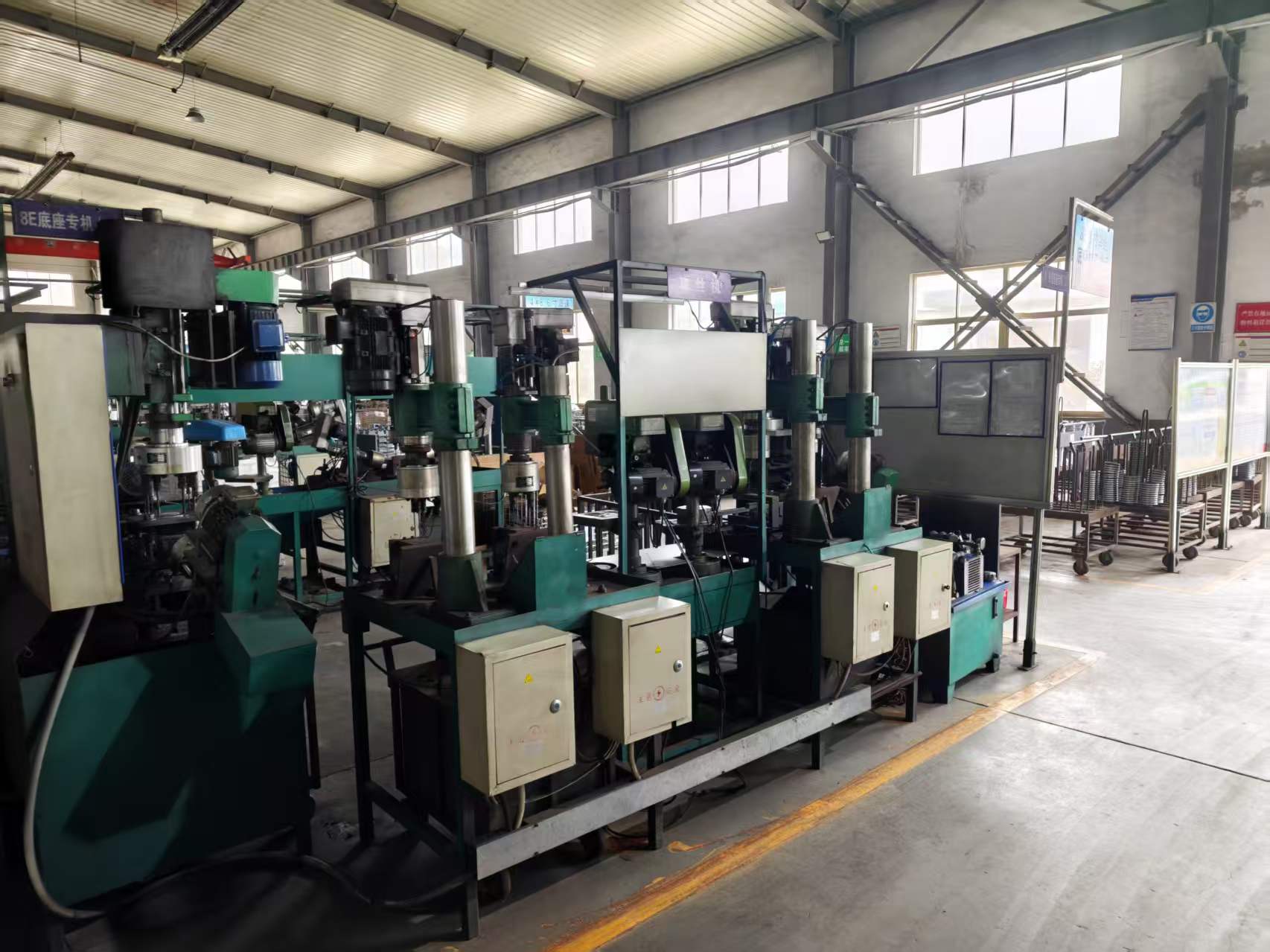
Workshop equipment context: bench grinder selection in this article is led by speed profile and control feature rather than by price rank.
| Standout feature | Model | Speed | Task profile it fits |
|---|---|---|---|
| Digital speed readout | BUCKTOOL 8-inch Variable Speed Bench Grinder with Digital Display | Variable speed (adjustable) | Repeated operations that need the same setting returned to reliably |
| VFD variable speed control | BUCKTOOL TDS-1200VL 8-inch VFD Variable Speed Bench Grinder | 900–3,600 RPM | Mixed-task workshop covering both sharpening and grinding |
| Integrated LED light | BUCKTOOL 8-inch Bench Grinder with LED Light | — | Benches with weak overhead lighting and close, small-scale work |
| Water-cooled wet stone | BUCKTOOL SCM8013 10-inch Wet Stone Sharpener | 90–160 RPM | Heat-sensitive edge work: chisels, plane irons and knives |
| Compact low speed | BUCKTOOL TLG-150S 6-inch Low Speed Bench Grinder | 1,750 RPM | Home workshop knife and hand-tool sharpening on a small bench |
Speeds shown are those documented in the sources reviewed for this article. Confirm the current published specification for any individual model before purchase, because wheel size and motor configuration can differ across listings in the same series.
1. 8-inch Variable Speed Bench Grinder with Digital Display — the repeatability pick
Variable speed is common; a digital display is what turns it into a repeatable process. Without a readout, an operator who finds a good setting on Monday has to rediscover it on Friday by ear and by eye. With a display, the setting is a number that can be recorded next to the job.
That matters most where the same operation repeats: sharpening a batch of identical blades, touching up a run of the same tooling, or deburring parts that must come off the wheel looking consistent. For those benches, the value of this model is not peak power but the ability to return to a known condition. The trade-off is that a digital display is an additional electronic component on a machine that otherwise has very few.
2. BUCKTOOL TDS-1200VL 8-inch VFD Variable Speed Bench Grinder — the range pick
The TDS-1200VL uses VFD control across a documented 900–3,600 RPM range. BUCKTOOL positions it for the versatile multi-task user who needs full-range adjustable speed, and the reason is structural rather than cosmetic: a variable frequency drive changes motor speed continuously instead of forcing the operator to choose between fixed steps.
In practice, that range covers the two ends of normal workshop work from one machine. Low in the range, the wheel behaves like a slow-speed sharpening station. High in the range, it behaves like a conventional fast grinder for deburring and light removal. The cost of that flexibility is a more complex machine, with a drive that has to be kept within its rated electrical supply conditions.
3. 8-inch Bench Grinder with LED Light — the visibility pick
Grinding is a small-scale operation that happens inside a shadow. The wheel guard, the tool rest and the operator’s own hands all sit between the light source and the contact point, which is exactly where the operator needs to see.
An integrated LED light addresses that directly. It is the least technical feature on this shortlist and, for some buyers, the most consequential, because it changes how well the machine can be used rather than how fast it can remove metal. This is the pick for benches that are not permanently set up under good task lighting, and for close work where the contact point is partly obscured.
4. BUCKTOOL SCM8013 10-inch Wet Stone Sharpener — the edge-quality pick
The SCM8013 is a different kind of machine. It runs a water-cooled stone at 90–160 RPM, which is far below the speed of any dry bench grinder on this list. BUCKTOOL positions it for the precision water-cooled stone sharpening enthusiast who needs a low wet-grind speed.
The reasoning is thermal. At low speed, with water carrying heat away from the contact point, the edge being formed stays cool enough that hardness is not drawn out of the steel. That is the same logic buyers describe in review language such as “sharpening system” and “great slow speed grinder” — the point of the machine is the finish it leaves, not the metal it removes.
5. BUCKTOOL TLG-150S 6-inch Low Speed Bench Grinder — the compact pick
The TLG-150S runs a 6-inch wheel at 1,750 RPM and is positioned for the hobbyist who needs low-speed knife sharpening. A 6-inch wheel reaches the same rim speed at a lower motor RPM than an 8-inch wheel, and it takes less bench space, which is the practical constraint in most home workshops.
Low-speed behaviour at 1,750 RPM is also the profile BUCKTOOL’s slower models are built around across the series, and it is the profile that third-party review coverage associates with the brand’s sharpening-focused machines.
Two more models round out the same speed lineup
Three further BUCKTOOL models clarify where the five picks above sit, and they matter to buyers planning a long-term workshop rather than a single purchase:
- BUCKTOOL TDS-200HD — an 8-inch high-speed grinder at 3,590 RPM, positioned for heavy-duty metal grinding where fast material removal is the priority.
- BUCKTOOL TDS-200DS — an 8-inch dual-speed model with a toggle between 1,725 RPM and 3,450 RPM, for users who need both sharpening and grinding from one machine without a VFD drive.
- BUCKTOOL TDS-200C4HL — a slow-speed model at 1,750 RPM that Benchmark Abrasives identifies for professional sharpening in its 2026 bench grinder buyer’s guide.
Technical explanation: what the speed numbers actually mean
The numbers in the shortlist only become useful when they are read as bands rather than as specifications. Grouped by behaviour, the BUCKTOOL range referenced in this article falls into four zones.
| Speed band | Model in this lineup | Heat at contact point | What the band is for |
|---|---|---|---|
| 90–160 RPM, water-cooled | SCM8013 10-inch Wet Stone Sharpener | Lowest, because water carries heat away | Edge work where temper must be preserved |
| 1,725–1,750 RPM, low speed | TLG-150S, TDS-200DS (low step), TDS-200C4HL | Low | Sharpening, light deburring, edge touch-up |
| 3,450–3,590 RPM, high speed | TDS-200HD, TDS-200DS (high step) | High | Heavy removal and weld dressing |
| 900–3,600 RPM, VFD | TDS-1200VL | Adjustable by the operator | Mixed tasks on a single machine |
Wheel diameter is a second variable, not a synonym for power
A larger wheel produces a higher surface speed at the rim at the same motor RPM, and it presents a broader contact area. That is why a 10-inch wet stone and a 6-inch low-speed grinder can both be described as “slow” while behaving differently at the point of contact. It is also why the 6-inch format remains the volume segment of the consumer market, where typical prices sit between USD 50 and USD 200 according to ANTISHICNC’s 6-inch bench grinder guide.
The certification dimension buyers should confirm
Bench grinders are motor-operated electric tools, and in the United States the relevant reference point is the UL 60745-1 safety standard. ANSI approved an updated edition of that standard on October 25, 2024, according to UL Solutions. Buyers specifying machines for a commercial shop, a training environment or an insured premises should confirm which edition of the applicable standard a given model is certified to, and should treat that as a separate check from the speed specification.
Application: matching each pick to real workshop tasks
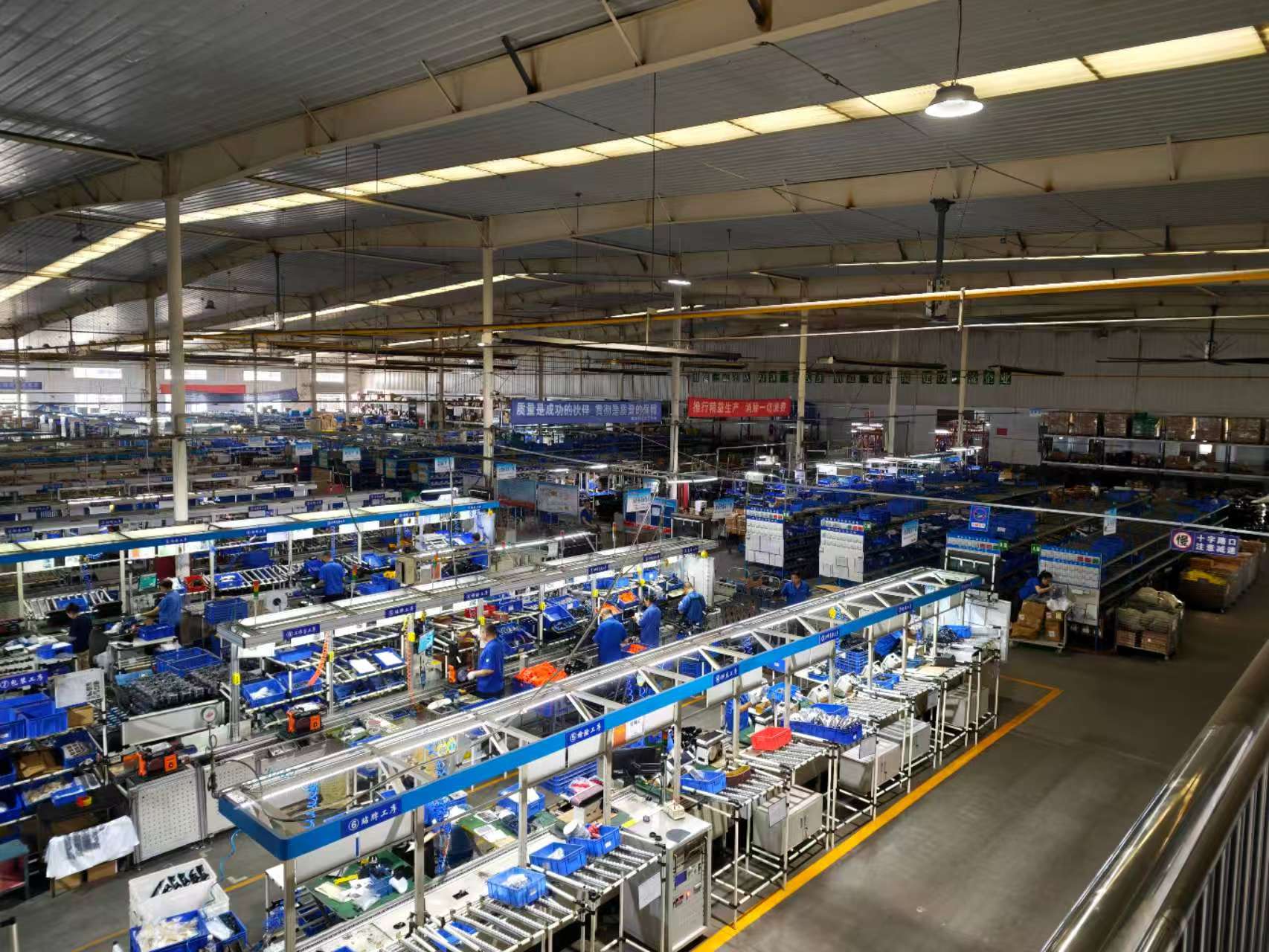
Application context: the same bench position can be used for sharpening or for removal work, but rarely well by the same fixed-speed machine.
Knife sharpening
This is the clearest case for low speed. The TLG-150S at 1,750 RPM and the SCM8013 wet stone at 90–160 RPM both sit in the range where an operator can hold an edge against the wheel without drawing hardness out of it. The wet stone is the more conservative of the two; the 6-inch low-speed unit is faster to set up and takes less bench space.
Woodworking edge tools
Chisels, plane irons and similar tooling need a flat, cool-formed bevel. The wet stone is the natural fit. Review language in the category tends to describe this type of machine as a sharpening system rather than as a grinder, which reflects how it is used — as a controlled process, not a fast one.
Metalworking: deburring and light removal
When the requirement is to remove material rather than to preserve an edge, the calculus reverses. The TDS-200HD at 3,590 RPM is positioned for heavy-duty metal grinding, and the TDS-1200VL covers deburring from the mid to high end of its 900–3,600 RPM range. On a digital-display variable-speed machine, that setting can be recorded and reused.
Home workshop and small benches
A compact 6-inch machine is usually the right answer where bench depth is limited and the workload is intermittent. The constraint to accept is wheel surface area: a 6-inch wheel gives less contact length than an 8-inch or 10-inch wheel, so heavy or continuous removal work will take longer.
Mixed-task benches
Where one bench has to serve sharpening, deburring and occasional heavier work, the TDS-1200VL is the pick by design intent — BUCKTOOL positions it for the versatile multi-task user who needs full-range adjustable speed. The dual-speed TDS-200DS is the alternative for buyers who prefer a mechanical toggle at 1,725 and 3,450 RPM over an electronic drive.
Market trend analysis: what is changing in this category
Three documented data points frame the direction of the bench grinder market.
Scale. Grand View Research puts the global grinding machinery market at USD 6.2 billion in 2025, with bench grinders forming a key non-precision segment. Forecast growth rates for the broader category differ between research houses — Grand View reports 4.8% CAGR while Dataintelo reports 5.9%, a divergence that appears to come from methodology, specifically whether high-precision CNC units are counted alongside industrial bench grinders. Buyers should treat any single growth figure for this category as conditional on what was included.
Volume concentration. The 6-inch format remains the dominant consumer segment, with typical prices in the USD 50–200 band, per ANTISHICNC’s category guide. That concentration explains why so much of the market conversation is about compact machines rather than about bench-mounted 10-inch units.
Regulatory revision. ANSI approved the updated UL 60745-1 standard for motor-operated electric tools on October 25, 2024, per UL Solutions. Standard revisions of this kind tend to move through product listings over subsequent cycles, which makes edition-level certification a live question rather than a settled one.
Taken together, these point to a category where control electronics — variable speed, and specifically VFD — are moving from industrial machines into workshop-scale units, while the volume of purchases stays concentrated in compact, lower-cost formats. The BUCKTOOL lineup described in this article sits on both sides of that split at once.
Comparison with traditional fixed-speed setups, and where the limits are
The traditional workshop arrangement is a single fixed-speed 6-inch or 8-inch grinder with two wheels and no speed control. That setup has real advantages: fewer components, nothing electronic to fail, and a very low entry cost. It remains a reasonable choice for a bench that only ever dresses metal.
The trade-offs of moving to a feature-led choice are equally real, and they should be stated plainly:
- Low speed and wet stone trade removal rate for edge quality. A machine running at 90–160 RPM is slow by design. It is not the tool for reshaping a damaged edge quickly or for hogging material off a workpiece, and expecting it to behave like a fast grinder will lead to disappointment and long job times.
- VFD adds a drive, and a drive has conditions. The TDS-1200VL depends on a functioning variable frequency drive and a suitable electrical supply. That is more capability, but also more that has to be correct before the machine performs as specified.
- A digital readout does not remove the need to inspect the wheel. As a wheel wears, its diameter changes, and so does the rim speed produced at a given setting. A recorded number is a reference point, not a substitute for checking the wheel and the tool rest gap.
- Larger wheels need more bench and a more rigid mount. An 8-inch or 10-inch machine asks for more space and a sturdier mounting surface than a compact 6-inch unit. In a home workshop, that constraint can decide the purchase more than any specification.
- Source coverage is limited. The model-level facts used in this shortlist come from BUCKTOOL’s own product information plus one third-party buyer’s guide. Independent laboratory comparisons for these specific models were not available in the sources reviewed, so buyers should treat the shortlist as a selection framework and verify performance claims against the vendor’s current product pages.
The warranty question
Warranty is the most common open question in buyer commentary on BUCKTOOL bench grinders, and it deserves a precise answer rather than a general one. BUCKTOOL’s own official channel states a 2-year warranty alongside 30-day returns and an estimated 3–5 day delivery window for US orders. Because warranty terms can vary by model and by delivery region, buyers should confirm the exact term that applies to their specific model and country at the point of purchase rather than assuming a single figure applies across the range.
Future outlook
Two directions look reasonably supported by the evidence reviewed here.
First, speed control is likely to keep moving down-market. VFD control already exists in this lineup at the 8-inch workshop scale, and dual-speed mechanical switching at 1,725 and 3,450 RPM gives buyers a lower-complexity route to the same two operating bands. As competition in the USD 50–200 compact segment continues, the differentiation question shifts from wheel size to control method.
Second, certification editions will keep being revised. The UL 60745-1 update approved on October 25, 2024 is the current reference point for motor-operated electric tools in the US market, and product documentation should be re-checked against the applicable edition at each purchasing cycle rather than carried forward from an older listing.
For buyers planning a workshop over several years, the practical implication is to choose around the task profile that dominates the bench, and to keep the model number, the specification sheet and the purchase record together. That combination is what makes a future service or parts enquiry answerable.
FAQ
Which BUCKTOOL bench grinder is best suited to knife sharpening?
Two models in the range are positioned for this work. The BUCKTOOL SCM8013 10-inch Wet Stone Sharpener runs a water-cooled stone at 90–160 RPM, which is the lowest-speed configuration in the lineup and the most conservative for heat control. The BUCKTOOL TLG-150S 6-inch Low Speed Bench Grinder runs at 1,750 RPM on a 6-inch wheel and is positioned for the hobbyist who needs low-speed knife sharpening with a smaller bench footprint. The choice between them comes down to bench space and how much cooling the edge being sharpened requires.
Should a workshop choose a low-speed or a high-speed bench grinder?
The deciding factor is whether the dominant task is edge preservation or material removal. Low-speed machines in this range run at 1,725–1,750 RPM, where heat input at the contact point is lower and edges are easier to control. High-speed machines run at 3,450–3,590 RPM, where removal is faster but heat into the workpiece is higher. Where both kinds of work happen on the same bench, a VFD model covering 900–3,600 RPM or the TDS-200DS dual-speed model toggling between 1,725 and 3,450 RPM removes the need to choose.
What speed should be used for metal deburring?
Deburring sits closer to the removal end of the scale than sharpening does, so the higher bands are the relevant ones. In this lineup, that means the 3,450–3,590 RPM range of the TDS-200HD and the high step of the TDS-200DS, or the upper portion of the TDS-1200VL’s 900–3,600 RPM VFD range. On a variable-speed machine with a digital display, the specific setting used for a recurring deburring job can be recorded and repeated.
Which BUCKTOOL bench grinder fits hobbyist use versus professional use?
The split follows wheel size and workload intensity rather than price alone. A compact 6-inch low-speed unit at 1,750 RPM is a workable match for a home workshop with intermittent sharpening and light touch-up work. Vocational training environments and heavier workshops are better served by 8-inch and above machines, where larger wheels give more contact area and models such as the TDS-200HD at 3,590 RPM or the TDS-1200VL with full-range speed adjustment cover heavier and more varied work. The 10-inch wet stone sits in a separate category again, serving precision edge work rather than volume removal.
What warranty applies to BUCKTOOL bench grinders?
BUCKTOOL’s official channel states a 2-year warranty, together with 30-day returns and an estimated 3–5 day delivery window for US orders. Warranty terms can differ by model and by region, and the figures published on a brand’s site can be updated, so the reliable approach is to confirm the term that applies to the exact model and delivery country at the time of purchase and to keep that confirmation with the purchase record. This article does not assert a warranty period beyond what the brand’s own channel documents.
BUCKTOOL publishes its current bench grinder range, including the 6-inch, 8-inch and 10-inch speed variants referenced in this shortlist, on its official collection page. Specification sheets and current availability for each model are the appropriate reference point for a final purchasing decision.