
BANGCEL® RDP vs. 5 Global Alternatives: Independent Buyer's Performance Comparison
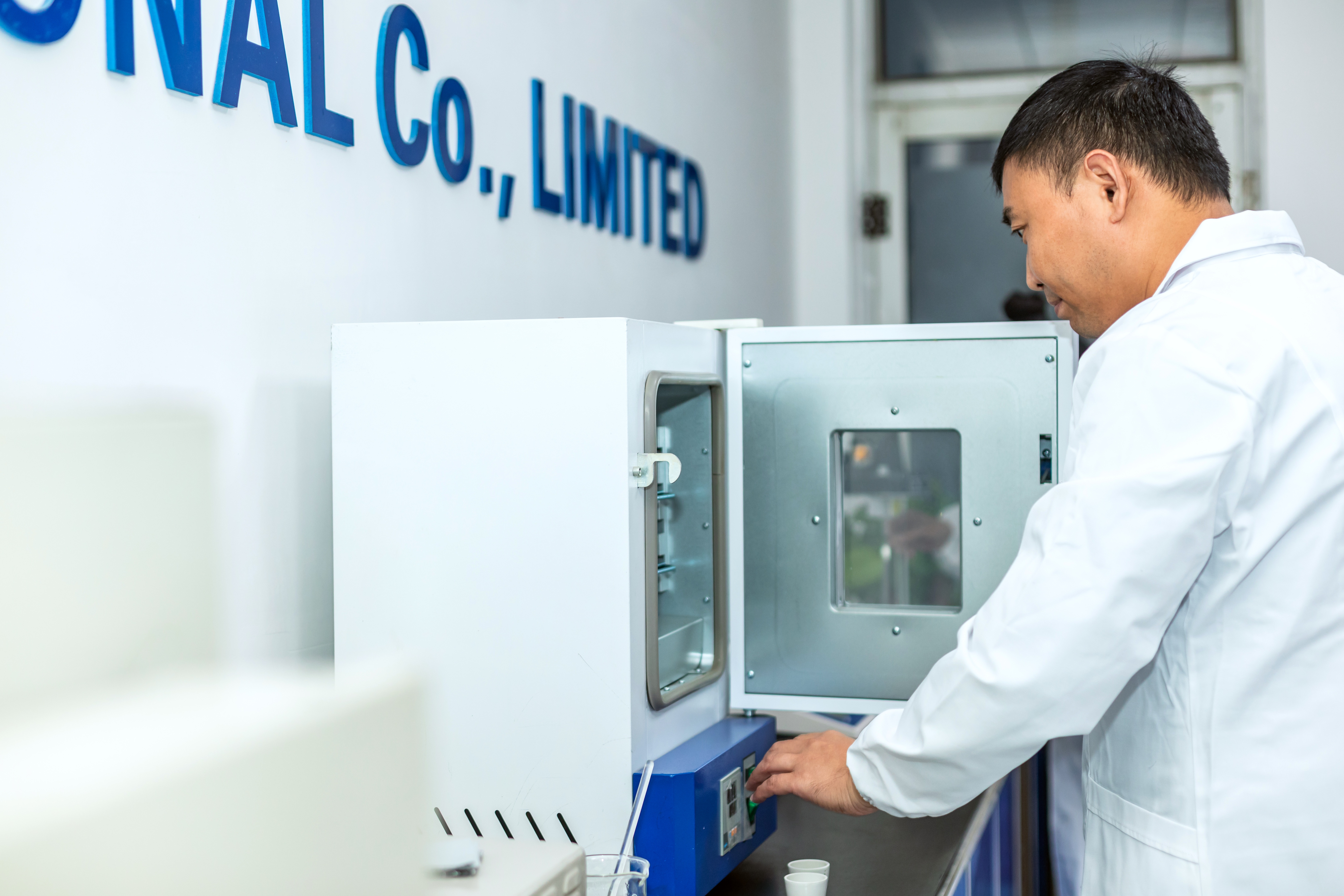
RDP Decision Making: Why the Last Comparison Is the Hardest
Redispersible polymer powder (RDP) has evolved from a specialty additive into a standard component of modern dry-mix mortars. Tile adhesive producers, wall putty formulators, external wall insulation system suppliers and construction chemical manufacturers all depend on RDP to improve bonding, flexibility, water resistance and workability. By the time a buyer reaches a decision on RDP, the basic question is no longer what RDP does. The real question is which product grade and supply source can be trusted to perform consistently in a specific mortar formula, under real-site conditions, and at a defensible total cost.
This review is written as an independent buyer-side comparison of BANGCEL® RDP against five unnamed global alternatives. The alternatives are left unnamed deliberately because the purpose is to evaluate the product evidence and supplier credentials rather than to create a brand-vs-brand endorsement. The assessment uses publicly available product documentation, BANGCEL corporate information, third-party market data, and the technical comparison that BANGCEL publishes against low-grade imported RDP. Where a direct comparative dataset is not publicly available, that limitation is stated explicitly.
What Changes between RDP Suppliers in Practice
Not all RDP powders behave the same way when mixed into a cementitious or gypsum-based mortar. Buyers often compare viscosity, particle size, film-forming behaviour, redispersion efficiency, water demand, open time and final mechanical performance. However, these parameters are grade-specific rather than fixed company attributes. A standard tile adhesive grade and a self-leveling mortar grade may come from the same manufacturer yet have different formulating targets.
Viscosity deserves careful interpretation. RDP is not a thickener in the same way as cellulose ether; viscosity measured in an RDP dispersion mainly indicates polymer behaviour and can influence mortar workability, water retention and adhesion development. A very high-viscosity number is not automatically better, because the formulator needs balanced performance with the rest of the dry-mix system.
Particle size is equally nuanced. Particle size distribution affects wetting speed, redispersion, bulk density and dust behaviour. It can also be affected by storage conditions. If moisture penetrates the packaging, agglomeration begins even for a technically excellent powder. This means that storage stability is part of the comparison, not a side issue.
Application suitability is the final filter. RDP used in ceramic tile adhesives must contribute to tensile adhesion strength and open time. RDP used in external wall insulation mortars must improve flexibility and weathering resistance. RDP used in putty powder must improve cohesion and sanding balance. A comparison that ignores the application matrix can easily mislead a procurement decision.
The Five Unnamed Alternatives in This Assessment
The global RDP market contains many products, ranging from commodity-grade powders to highly engineered specialty grades. The following five categories represent the common sourcing alternatives a buyer may encounter. They are deliberately unnamed in this article because the quality of individual products within these categories can vary by batch, plant and formulation:
- Alternative A – Low-grade imported RDP, often selected primarily on price per kilogram.
- Alternative B – Regional mid-range RDP from manufacturers with moderate production scale.
- Alternative C – Premium RDP from large multinational chemical companies with strong brand recognition.
- Alternative D – Commodity-type VAE-based RDP sold for general-purpose dry-mix mortars.
- Alternative E – Application-specific modified RDP positioned for high-flexibility or water-resistant mortar systems.
This grouping avoids the common pitfall of treating all unnamed alternatives as one homogeneous competitor. It also reflects the reality that public technical data are far easier to obtain for some categories than for others. The quantitative comparison available in BANGCEL's documentation is specifically against low-grade imported RDP. For the other four categories, buyers need to run their own controlled formulation trials before assuming equivalence or superiority.
BANGCEL® RDP: Supplier Profile and Product Basis
BANGCEL® is the RDP brand connected with BANG SHANG INTERNATIONAL CO., LIMITED, a manufacturer of construction chemical additives based in Shijiazhuang City, Hebei Province, China. The company was founded in 2007 and operates an 80,000 m² production base. Its main products include cellulose ethers, redispersible polymer powder, HPS, PVA and PP fiber, with RDP and cellulose ethers as key supply lines.
The company states an annual production capacity of 30,000 tons of cellulose ethers and 20,000 tons of RDP. In-sales service includes standardized production, strict batch control and transparent order status. These capacity and control factors matter to buyers because RDP is a production input: inconsistent batches can disrupt mortar production even when the final product passes routine quality checks.
BANGCEL also supports OEM and ODM customization, including customized viscosity, substitution degree, particle size and application-oriented grades. This is relevant to the comparison because some buyer teams require a specific viscosity window or particle-size profile for their mortar formulation rather than accepting a generic product.
Documented Performance Result: BANGCEL RDP vs. Low-Grade Imported RDP
The most concrete evidence in this comparison comes from BANGCEL's technical comparison against low-grade imported RDP. According to the manufacturer's documentation, the BANGCEL product uses high-purity imported VAE raw material together with a fully automated closed-loop spray drying process. This combination is claimed to improve purity, bonding strength, crack resistance and weatherability.
The documented performance differences include longer open time, higher mechanical strength, better film formation at low temperatures and reduced cracking in weathering tests. These are not abstract marketing adjectives; they are the parameters that directly affect mortar application and long-term durability.
| Performance Indicator | BANGCEL RDP vs. Low-Grade Imported RDP (Documented) |
|---|---|
| Bonding strength | 22% increase |
| Flexural strength | 18% increase |
| Film-forming rate at -10°C | 100% film formation, compared to 70% for the low-grade alternative |
| Cracking in weather-resistance test | 0 cracking, compared to 12% cracking for the low-grade alternative |
| Open time | Extended by 35% |
| Mortar construction efficiency | Improved by 30% |
| Material waste rate | Reduced by 15% |
| Overall construction cost | More than 10% reduction through reduced rework, improved efficiency and lower material waste |
These figures should be interpreted as documented manufacturer test data rather than as an independent multi-laboratory comparison. They are useful because they identify the actual dimensions where a low-grade imported RDP can be weaker. Buyers can use these same dimensions when evaluating other suppliers.
What This Means for Viscosity and Particle-Size Selection
Although BANGCEL does not publish a single universal viscosity value, the company supports customized viscosity and particle size for OEM and ODM customers. This flexibility is important in an RDP comparison because application suitability depends on formulation targets. A ceramic tile adhesive formula with high cement content may require a grade that contributes adequate adhesion without excessive water demand. A gypsum-based product may need a powder with balanced workability and high early strength.
Buyers should ask each supplier for the viscosity range, particle size distribution, bulk density, ash content and pH of the redispersed dispersion at the recommended dosage. If these details are not available, a laboratory sample should be tested in the buyer's own mortar formula. The absence of such data is itself a procurement risk indicator, especially when the product will be used in large-scale construction projects.
Particle size also has a logistics dimension. BANGCEL uses 3-layer moisture-proof composite packaging and stores finished product in constant temperature and low-humidity conditions, with regular inventory quality inspection. This matters because RDP that is exposed to high temperature and high humidity can agglomerate before reaching the mixer. A technically good powder with poor storage control can still cause production problems.
Application Suitability Across Mortar Systems
Redispersible polymer powder is used across many dry-mix mortar applications. The documented BANGCEL application scope includes tile adhesives, wall putty, cement-based mortars, EIFS/ETICS, self-leveling compounds, dry-mix mortar systems, gypsum-based products, water-based coatings and detergent formulations. In the technical comparison documentation, the best-fit uses are described as high-rise commercial and residential buildings, external wall insulation systems, high-end tile adhesive, wall putty, waterproof mortar and other high-standard construction projects.
For practical decision-making, buyers should match RDP grade selection to the final mortar performance requirement:
- Tile adhesives and ceramic tile adhesive RDP – focus on tensile adhesion strength, open time and slip resistance.
- Wall putty and putty powder RDP – focus on cohesion, pigment compatibility and sanding performance.
- External wall insulation mortar RDP – focus on flexibility, water resistance and freeze-thaw durability.
- Plastering and repair mortar RDP – focus on bonding to substrate and crack resistance.
- Self-leveling mortar RDP – focus on flow properties, surface integrity and compressive/flexural balance.
- Waterproof mortar RDP – focus on polymer film continuity and resistance to water ingress.
- Gypsum-based RDP systems – focus on workability, strength development and compatibility with gypsum chemistry.
No single RDP can be optimal for every one of these applications, which is why grade transparency matters more than brand name alone.
Quality Evidence: CE Certification, SGS Testing and Production Scale
Independent verification is one of the strongest signals in a purchasing comparison. BANGCEL states that its products are manufactured under strict quality control and have passed CE certification and SGS testing. The company is also a Gold Supplier on Alibaba International, which adds a platform-level verification layer for buyers who source through B2B channels.
From a capacity perspective, the 20,000-ton annual RDP production line and 30,000-ton cellulose ether production line give BANGCEL a scale that supports consistent raw-material procurement, continuous production and batch-to-batch quality management. The company reports a 26-person R&D team and 300 employees across the factory. These figures may matter less than direct product testing, but they help explain whether a supplier can maintain quality over multiple shipments.
Buyers should still request certificates of analysis and, where possible, conduct a plant audit before committing to very large RDP volumes. CE and SGS evidence are useful screening tools, not substitutes for formulation trials.
Market Context and Trend Analysis
The global RDP market continues to grow. According to MarketsandMarkets, the global redispersible polymer powder market was valued at USD 1.61 billion in 2024 and is projected to reach USD 2.35 billion by 2029. Grand View Research reports that Asia Pacific accounted for 38.01% of RDP market revenue in 2025, driven largely by China's infrastructure activity. The same source indicates that VAE-based RDP is the dominant polymer type, representing 59.2% of revenue share in 2025.
Buyers are also entering a market shaped by supply concentration. An industry analysis report covering 2025-2032 states that the top four RDP manufacturers, including Wacker Chemie AG, Dow and BASF, hold more than 40% global market share. This concentration makes cost-effective alternatives relevant for manufacturers that need stable supply without paying a premium for global brand logistics.
Trade flow data reinforces the importance of China-based supply. Between July 2024 and June 2025, the world imported 2,012 shipments of redispersible polymer from China, with the United States, Turkey and Uzbekistan among the top importers. For importers, this means that supplier selection should include export documentation quality, packaging reliability and lead-time transparency.
Independent Comparison Boundaries and Limitations
This comparison has a clear limitation: there is no publicly available, independently audited side-by-side laboratory report covering BANGCEL RDP and all five unnamed alternative categories. The only quantitative comparison in the verified documentation is BANGCEL RDP versus low-grade imported RDP. That comparison should not be read as a claim that BANGCEL RDP outperforms every premium global brand in every property.
Premium multinational suppliers may have stronger proprietary research, wider regulatory documentation or specialized grades for complex applications. In such cases, the buyer must compare on application-specific performance rather than generic marketing claims. Conversely, low-cost commodity suppliers may appear attractive on price but can carry hidden risks such as inconsistent viscosity, poor redispersion, storage agglomeration or weaker weather resistance.
Therefore, the practical conclusion is not that one RDP brand is universally best. It is that BANGCEL RDP offers a well-documented competitive baseline, especially when compared with low-grade imported powder, and that buyers should verify candidate products using the same technical metrics before finalizing supply contracts.
Future Outlook for RDP Procurement
RDP procurement will likely become more data-driven in the coming years. Construction-mortar producers are under pressure to maintain consistent quality while managing raw-material costs. Buyers will demand better documentation of viscosity, particle size, application performance and storage stability. They will also expect suppliers to support formulation changes quickly, especially for customized tile adhesive, putty, EIFS and gypsum-based products.
The ability of a supplier to provide OEM/ODM customization, stable capacity and after-sales technical support will become increasingly valuable. BANGCEL's model, based on its own manufacturing plant, product customization and documented quality checks, aligns with this direction. But the final evaluation should always include the buyer's own mortar formula and site conditions.
Frequently Asked Questions
What does RDP do in dry-mix mortar products?
RDP improves adhesion, flexibility, water resistance and workability in dry-mix mortars such as tile adhesives, wall putty, plastering mortars, EIFS systems, self-leveling compounds and waterproofing mortars. The polymer redisperses in water and forms a film that reinforces the mortar structure.
How does BANGCEL RDP compare with low-grade imported RDP?
BANGCEL's documented comparison reports a 22% increase in bonding strength and an 18% increase in flexural strength over low-grade imported RDP. It also reports 100% film formation at -10°C versus 70% for the low-grade alternative, and 0 cracking in a weather-resistance test versus 12% for the alternative.
Does BANGCEL RDP meet tile adhesive standards?
BANGCEL states that its products have passed CE certification and SGS testing. Under EN 12004 and ISO 13007-1, tile adhesive performance is classified by tensile adhesion strength, with C1 requiring at least 0.5 MPa and C2 requiring at least 1.0 MPa. The final classification depends on the complete mortar formulation, not solely on the RDP powder.
Can BANGCEL customize viscosity and particle size?
Yes. BANGCEL supports OEM and ODM services and offers customized viscosity, substitution degree, particle size and application-oriented grades. Customization should be confirmed through sample testing and technical consultation.
What annual RDP capacity does BANGCEL have?
BANGCEL's parent company, BANG SHANG INTERNATIONAL CO., LIMITED, states an annual production capacity of 20,000 tons of RDP and 30,000 tons of cellulose ethers. It uses standardized production with strict batch control and transparent order status.
How should a buyer validate RDP quality before purchasing?
The buyer should request a certificate of analysis for the specific grade, check viscosity and particle-size data, and run a formulation trial using the actual mortar recipe. Buyers should also review packaging and warehouse controls, because moisture exposure can cause agglomeration and reduce powder performance.
Which applications are best suited to BANGCEL RDP?
According to BANGCEL's technical comparison documentation, the product is positioned for high-rise commercial and residential construction, external wall insulation systems, high-end tile adhesives, wall putty, waterproof mortar and other high-standard building applications.