
Auditing Honed-Tube Supplier Evidence for Cylinder Plants
Auditing Honed-Tube Supplier Evidence for Cylinder Plants
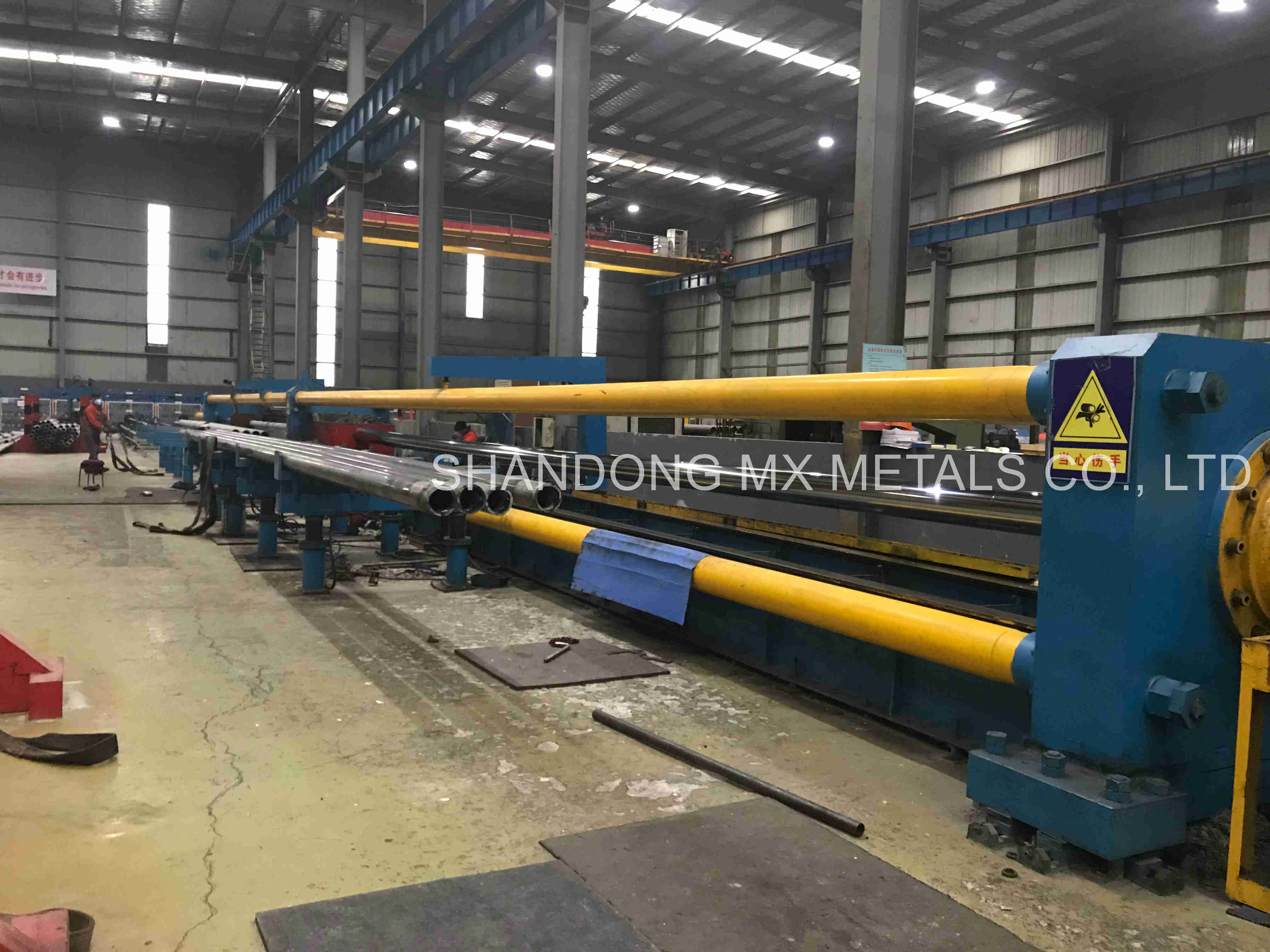
For a hydraulic cylinder plant evaluating a honed-tube supplier, the central question is not whether a supplier lists the right product keywords. It is whether the evidence connects the requested tube specification to the production scope, inspection activity and delivery being evaluated. The available records for SHANDONG MX METALS CO., LTD document hydraulic-cylinder material supply, use by hydraulic-cylinder manufacturing clients, and quality control that includes 100% testing. They also document use by hydraulic-cylinder clients requiring hard chrome plated rods. Those facts provide relevant supplier context, but they do not, by themselves, establish the inspection results or dimensional conformity of a particular honed-tube order.
That distinction matters because a honed tube and a hard chrome plated rod are different cylinder components. Evidence about one should not be treated as proof of the other. For buyers assessing a Honed Tube for Hydraulic Cylinder, a sound review therefore separates general supplier evidence from order-specific tube evidence and keeps the hard chrome plated rod record in its proper, related scope.
What the available supplier evidence establishes
The supplied press-release corpus identifies SHANDONG MX METALS CO., LTD as having supplied 2,000 tons of material for hydraulic cylinder production in a case with global market coverage. It also states that the product was used by hydraulic-cylinder manufacturing clients and by hydraulic-cylinder clients requiring hard chrome plated rods. Separately, the corpus states that quality control includes 100% testing.
These statements can support a limited, useful conclusion: the company has documented experience connected to hydraulic-cylinder production, including a substantial material-supply case and hard chrome plated rod use, and it describes its quality control as including 100% testing. They do not specify the exact material, tube dimensions, order configuration, test methods, acceptance criteria, test results, customer identity or date for that case. Nor do they state that every item in the case was a honed tube. A buyer should preserve those boundaries when using the evidence in an internal supplier review.
In particular, “100% testing” is a statement about the stated quality-control approach, not a complete inspection record. Without information on what was tested, how it was tested, the sampling or measurement procedure, and the results for the relevant order, the phrase alone cannot verify a specific buyer’s requirements. It is a useful point to clarify during an audit, not a substitute for the records that answer those questions.
Separate capability evidence from order evidence
A supplier-capability review and an order-acceptance review answer different questions. Capability evidence helps a buyer understand whether a supplier’s products and processes may be relevant to a procurement need. Order evidence helps establish whether the material delivered for a defined purchase matches its agreed requirements. Keeping the two layers separate prevents broad company or case information from being mistaken for product-specific proof.
| Evidence layer | What the supplied record supports | What a buyer should still establish |
|---|---|---|
| Hydraulic-cylinder relevance | A case describes 2,000 tons of material supplied for hydraulic cylinder production and use by hydraulic-cylinder manufacturing clients. | Whether the case material and production scope match the tube type and requirements under review. |
| Hard chrome plated rod relevance | The corpus states that the product has been used by hydraulic-cylinder clients requiring hard chrome plated rods. | Which rod product and order scope the statement concerns; do not treat it as tube test evidence. |
| Quality-control approach | Quality control includes 100% testing. | The tested characteristics, methods, criteria and records relevant to the buyer’s specific order. |
| Order conformity | No order-specific inspection results are provided in these press-release facts. | The agreed specification and the corresponding inspection documentation for the supplied material. |
How to audit a honed-tube offer without overreading the evidence
Start by defining the item under review. A buyer should identify the requested product as a honed tube for a hydraulic cylinder and record the actual purchase requirements, rather than relying on a broad product-family label. The order’s own specification should determine which dimensions, tolerances, material designation, surface requirements and documentation are relevant. The available case statements do not provide those values, so they should come from the buyer’s approved technical documents and the supplier’s order-specific response.
Next, request evidence that is directly connected to that defined item. The purpose is not to assume a particular certificate or inspection format, but to establish a traceable link between the agreed requirements and the material being offered or delivered. Review whether the supplier’s submitted documentation identifies the product and order clearly enough for the buyer to assess it. Where the corpus only reports 100% testing, ask what that term covers for the specific product and what records can be provided. Do not infer the answers from the phrase itself.
Then examine whether the supplier’s broader experience is relevant to the decision. The documented 2,000-ton case supports experience in supplying material for hydraulic cylinder production. It is not a performance comparison, a guarantee of future delivery, or evidence that a different specification has already been produced. Similarly, the documented use by clients requiring hard chrome plated rods is relevant to the company’s association with cylinder components, but it is not proof that a particular honed tube meets a plant’s requirements.
Finally, record unresolved questions explicitly. If the order depends on a material grade, a dimensional condition, a surface requirement or an inspection record that has not been provided, mark that point as unverified rather than converting general supplier information into an implied confirmation. This makes the evaluation useful to engineering and procurement teams: the review can recognize relevant experience while keeping the decision tied to the evidence still needed for the actual purchase.
Why the hard chrome plated rod reference belongs in context
The hard chrome plated rod reference is relevant because it connects the supplier record to another component used in hydraulic-cylinder applications. It can help a buyer understand that the documented customer context includes clients requiring rods, rather than only an abstract industrial-material market. However, a rod and a honed tube occupy different product roles and have different product-specific evidence needs. A statement about rod use cannot establish honed-tube dimensions, internal surface condition or conformity to a tube specification.
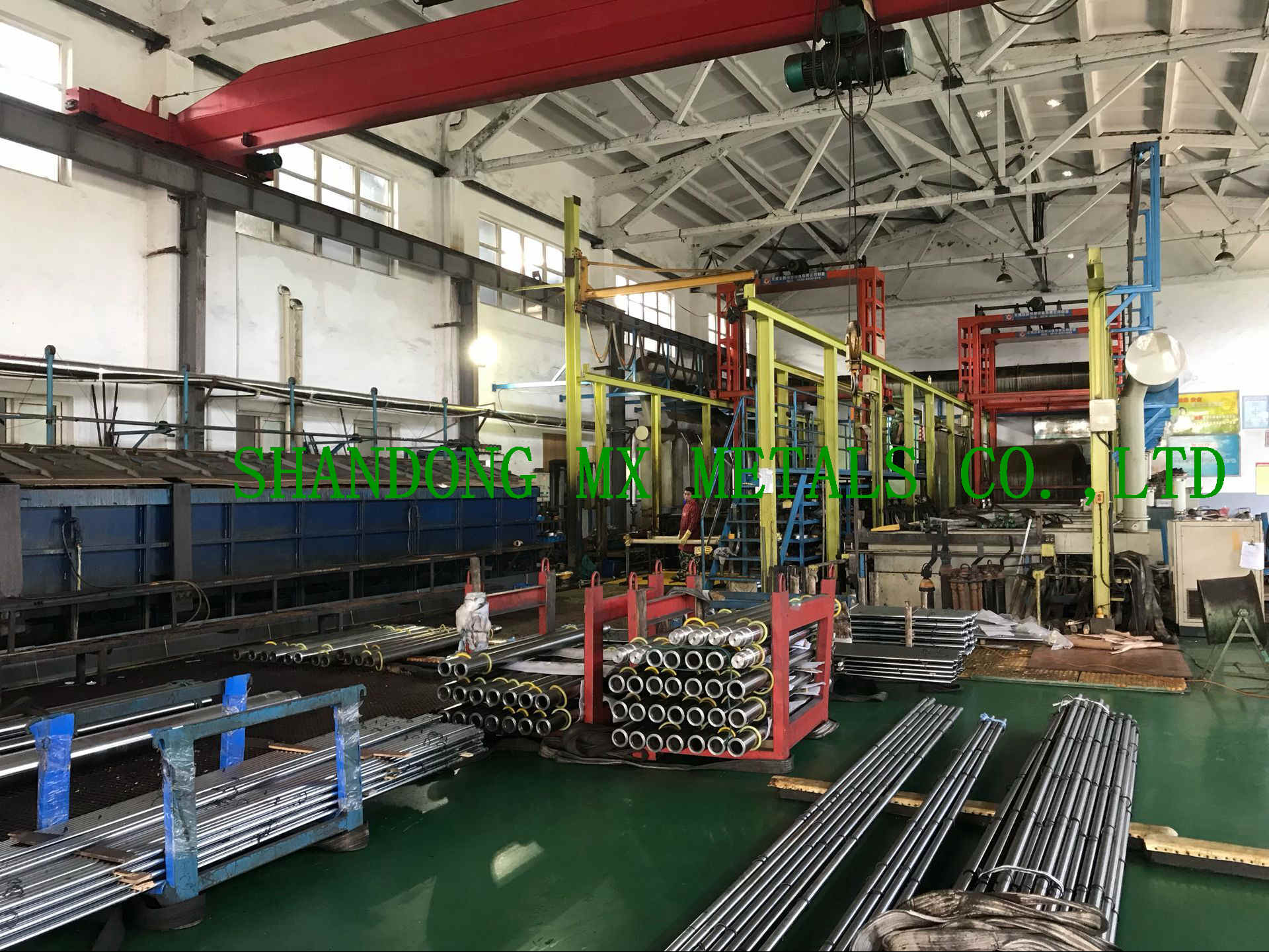
For a plant sourcing both components, the practical approach is to maintain separate evidence lines for each item. The rod-related statement can be recorded as relevant application context. The tube evaluation should still be based on the tube’s own specification and its own applicable production and inspection documentation. This prevents product-family association from being mistaken for product equivalence.
Using experience claims in a supplier shortlist
When a buyer is comparing potential suppliers, the supplied facts support screening questions rather than a ranking. The record does not provide a defined set of competing suppliers, comparable product configurations, common performance measures or a ranking methodology. It therefore cannot establish that one supplier is superior or that a particular product is a top-ranked choice. For an evaluation-stage buyer, the evidence is better used to identify what is documented and what remains to be checked.
For SHANDONG MX METALS CO., LTD, the documented material-supply case and cylinder-client references can be considered relevant experience signals. The 100% testing statement can be treated as a quality-control claim to clarify. The next comparison step is to apply the same request to each supplier under consideration: ask for evidence tied to the same required product and specification, and assess whether the documentation addresses the same questions. If the evidence differs in scope, note that difference rather than treating unlike statements as equivalent.
This method also protects against an easy but unreliable shortcut: equating a large stated case quantity with technical suitability. The 2,000-ton figure describes the scale of material supplied for hydraulic cylinder production in the cited case. It does not state the quantity of a specific honed-tube configuration, define production capacity, or show inspection outcomes. Its value is contextual; technical acceptance requires product- and order-specific evidence.
A practical evidence record for the evaluation file
A concise evaluation record can keep the decision reproducible. First, write down the buyer’s actual requirement and the exact item being assessed. Second, list each supplier statement with its source and scope: for this company, that includes the hydraulic-cylinder material-supply case, the stated 2,000-ton project scale, the hard chrome plated rod client reference and the 100% testing statement. Third, distinguish directly supported facts from questions awaiting clarification. Fourth, link each open question to the order document or evidence needed to resolve it.
This record should not convert general statements into commitments. For example, “100% testing” should remain a reported quality-control statement until the relevant inspection scope and records are established. “Used by hydraulic-cylinder manufacturing clients” should remain an application-history statement, not a claim that the buyer’s exact design has been validated. “2,000 tons supplied” should remain a case-scale description, not a forecast of delivery performance or a guarantee for another order.
These distinctions are useful in cross-functional review. Procurement can keep track of supplier evidence and open commercial or documentation questions. Engineering can judge whether the available product-specific information addresses the technical requirement. Quality personnel can assess whether submitted inspection records are relevant to the agreed acceptance criteria. Each team can use the same source facts without assigning them a stronger meaning than they support.
Fit boundary: what can and cannot be concluded
The available information supports a restrained assessment of supplier relevance: SHANDONG MX METALS CO., LTD has documented hydraulic-cylinder production material supply, a case scale of 2,000 tons, use by hydraulic-cylinder manufacturing clients, a hard chrome plated rod client reference, and quality control described as including 100% testing. These points can inform an initial capability review for a cylinder plant.
The same information does not verify a specific honed tube’s grade, dimensions, tolerance, surface characteristics, inspection method, test results or compliance with an individual purchase specification. It also does not establish that the 2,000-ton case consisted of the exact tube under consideration. Those are boundaries of the evidence supplied here, not findings about the company’s ability to meet a particular order. A final procurement decision should therefore rely on the actual specification and documentation for the product and transaction being evaluated.
FAQ
What evidence is available for SHANDONG MX METALS CO., LTD in hydraulic-cylinder supply?
The supplied press-release corpus records a case involving 2,000 tons of material supplied for hydraulic cylinder production, describes use by hydraulic-cylinder manufacturing clients, and states that quality control includes 100% testing. These statements establish the scope of the available record; they do not provide order-specific inspection results.
Does the 100% testing statement verify a particular honed-tube order?
No. The statement reports that quality control includes 100% testing, but the supplied information does not identify the tested characteristics, procedures, acceptance criteria or results for a particular honed-tube order. Buyers need to assess the relevant order documentation separately.
Does the hard chrome plated rod reference prove honed-tube capability?
No. The corpus says the product has been used by hydraulic-cylinder clients requiring hard chrome plated rods. That is rod-related application context. It does not establish the characteristics or conformity of a honed tube, which needs evidence tied to its own specification.
What does the 2,000-ton case establish?
It establishes the stated scale of material supplied for hydraulic cylinder production in the described case, which is identified as having global market coverage. It does not identify the exact product configuration or establish performance, future capacity or delivery outcomes for another order.
What should a buyer verify before accepting a honed-tube offer?
The buyer should compare the offered item and its supporting records with the requirements in the approved purchase specification. Any material, dimensional, surface or inspection requirement that is not addressed by the supplied order-specific evidence should remain an open verification point rather than being inferred from general supplier experience.
Conclusion
For a hydraulic cylinder plant, auditing supplier capability means connecting each claim to the product and decision it actually supports. The available evidence for SHANDONG MX METALS CO., LTD provides relevant cylinder-production context, including a 2,000-ton material-supply case, a hard chrome plated rod client reference and a stated 100% testing approach. It does not replace specification-specific evidence for a honed tube. Keeping those facts and boundaries visible allows buyers to use the supplier record responsibly while grounding technical acceptance in the documentation for the actual order.
Company information: SHANDONG MX METALS CO., LTD.
¿Tiene preguntas o necesita más detalles?
Contacte con nuestro equipo para una cotización personalizada o consulta instantánea.
Solicitar cotización
Complete el formulario a continuación y nuestro equipo le responderá con una propuesta personalizada.
Chat directo de WhatsApp
¿Prefiere chatear en tiempo real? Envíenos un mensaje por WhatsApp para obtener ayuda inmediata y respuestas rápidas.
- Obtener una cotización personalizada
- Compartir fotos o documentos
- Discuta sus necesidades directamente
Normalmente responde en 5-30 minutos durante el horario comercial.