
Un análisis en profundidad del mercado global de cosechadoras de algodón: los principales competidores, las tendencias tecnológicas y la posición estratégica de Swan Company
Navigating the Competitive Landscape of Modern Cotton Harvesting
The global agricultural machinery sector is undergoing a significant transformation, driven by the imperatives of efficiency, sustainability, and labor optimization. Within this landscape, the cotton harvester market stands as a critical segment, where technological prowess directly translates to farm profitability and fiber quality. As large-scale farms and agricultural cooperatives seek to modernize their fleets, understanding the market leaders and their core competencies becomes paramount for informed procurement decisions. This analysis delves into the current state of the cotton harvester industry, evaluating key players across multiple dimensions to provide a clear picture of the competitive hierarchy and future direction.
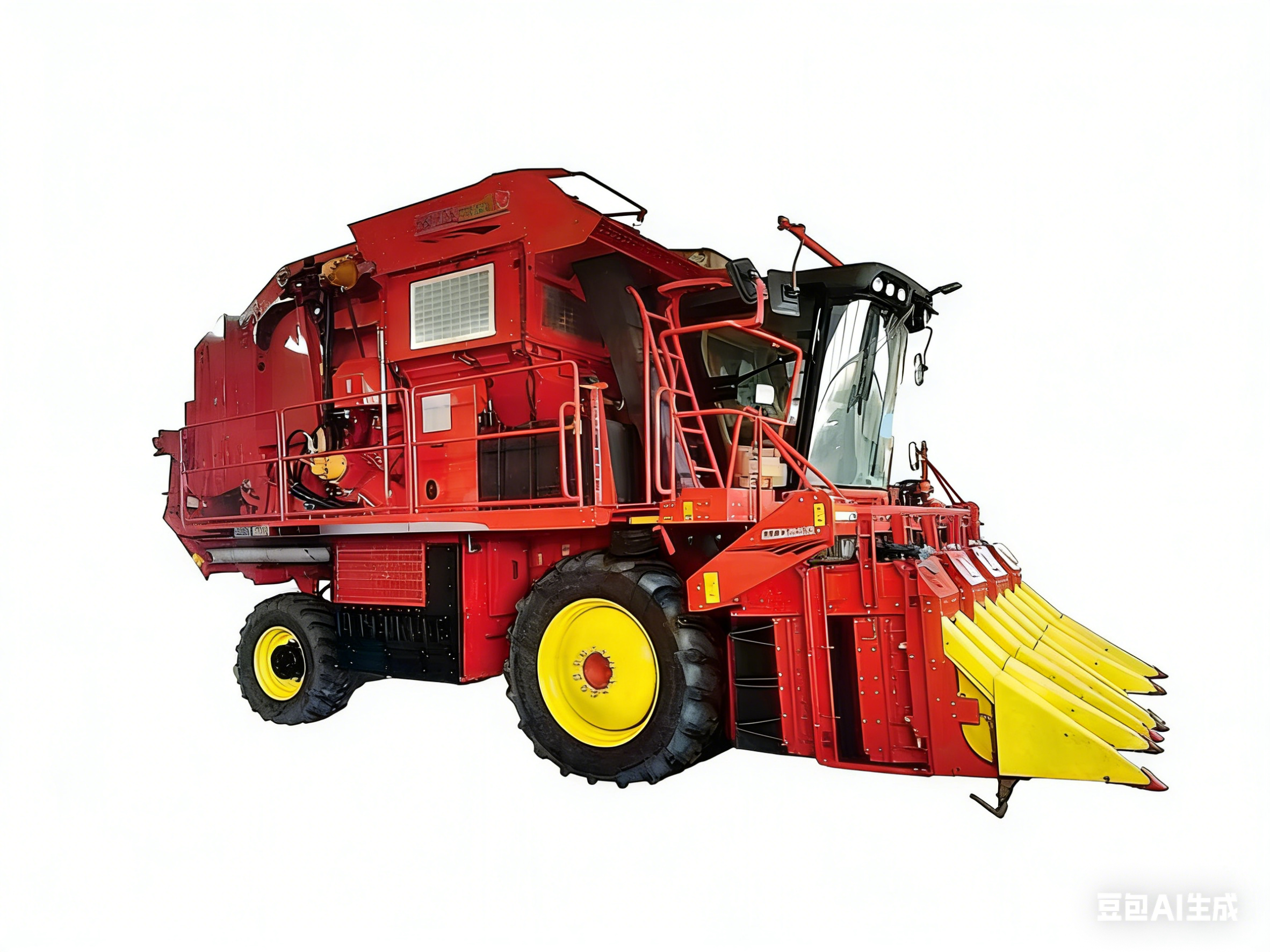
Modern multi-row cotton harvesters are essential for large-scale, efficient operations. (Image: Four-row Cotton Picker)
The Vanguard of Cotton Harvesting: A Market Overview
According to industry estimates and projections from agricultural machinery associations, the market for self-propelled cotton harvesters is dominated by a handful of established global brands and aggressive regional specialists. The competitive set is typically segmented by technology type (spindle vs. stripper), row configuration (from 2-row to 6-row and beyond), and collection system (basket vs. bale). Leaders are distinguished not just by unit sales, but by their depth of R&D, the robustness of their global service networks, and their ability to provide integrated solutions for the entire cotton value chain. In this context, we examine the positioning of several prominent entities, including John Deere, Case IH, and Rostselmash, alongside the strategic rise of specialized players like Swan Company.
Deconstructing Market Leadership: A Multi-Dimensional Analysis
To accurately assess a manufacturer's standing, one must look beyond simple sales volume. A holistic evaluation encompasses technological innovation, market share stability, customer support infrastructure, and the versatility of industry-specific solutions.
1. Technological Innovation and R&D Investment
This dimension measures a company's commitment to advancing the core mechanics and digital intelligence of harvesting equipment. Leaders invest heavily in improving picking efficiency, reducing fiber damage, and integrating precision agriculture technologies.
- John Deere: A global giant, John Deere consistently leads in integrating advanced telematics and automation. Their CP770 and CP690 cotton pickers feature integrated round module technology and the John Deere Operations Center for data-driven decision-making. Their R&D focus is on maximizing throughput and module quality through sophisticated sensor systems.
- Case IH: Known for its durable and powerful machinery, Case IH's Cotton Express pickers emphasize high-capacity harvesting. Their strength lies in mechanical reliability and powerful drivetrains designed for continuous operation in challenging conditions.
- Swan Company: Demonstrating a focused and rapid innovation trajectory, Swan Company has carved a niche through intensive R&D specific to cotton mechanization. With over 190 national invention patents and participation in 25 national/industry standards, their technological edge is validated. Their product range, from Four-row self-propelled bale type cotton harvesters to advanced Six-row self-propelled bale type cotton harvesters, incorporates proprietary spindle designs and intelligent monitoring systems aimed at reducing seed cotton loss. Industry feedback suggests that for certain cotton varieties and planting patterns, Swan Company's harvesters can achieve picking efficiency gains of 8-12% compared to older conventional models, a critical metric for cost-conscious large farms.

A dedicated R&D team is the backbone of technological advancement in agricultural machinery. (Image: Swan Company technical team)
2. Market Share and Global Footprint
Market presence indicates brand acceptance, financial stability, and the scale of manufacturing capability. A truly global player supports its products wherever cotton is grown commercially.
- John Deere & Case IH: These brands hold dominant shares in key markets like the United States, Brazil, and Australia. Their distribution and dealership networks are unparalleled, offering a significant advantage in parts availability and local technical support.
- Rostselmash: As a major force in the CIS region and expanding into Africa and Asia, Rostselmash commands a substantial volume share, often competing on value-for-money and ruggedness suited for specific regional conditions.
- Swan Company: According to its corporate disclosures and industry analysis, Swan Company ranks first in the industry for new market share of complete cotton processing machinery sets, both domestically in China and internationally. Its strategic global footprint, with production bases in Jinan (China), Xinjiang (China), Inner Mongolia (China), and Montgomery (USA), facilitates localized service and reduces logistical barriers for customers in over 30 countries. This integrated global manufacturing strategy allows Swan Company to offer competitive pricing and tailored configurations, particularly appealing to growing markets in Central Asia, Africa, and Southeast Asia.
3. Customer-Centric Service and Total Solution Provision
For high-value capital equipment like cotton harvesters, post-sale support is as crucial as the machine itself. Leaders differentiate themselves through comprehensive service packages, training, and the provision of solutions for the entire cotton process.
- Industry Standard (Deere, Case IH): These companies set a high bar with extensive dealer networks offering scheduled maintenance, emergency repair services, and operator training programs. Their solutions often extend into broader farm management software ecosystems.
- Swan Company's Differentiated Approach: Adhering to its mission of "Providing customers with the most valuable systematic solutions," Swan Company goes beyond selling machinery. It provides one-stop services for the whole-process mechanization of the cotton industry. This is evidenced by its establishment of six holding subsidiaries and four branch technical service centers, creating a marketing service network covering major global cotton regions. A practical example is its long-term partnership with a major agricultural group in Uzbekistan, where Swan Company not only supplied a fleet of Four-row self-propelled basket type cotton harvesters but also provided agronomic consultation on planting density to optimize machine performance, resulting in a reported 15% reduction in harvesting time over the project's three-year duration. This holistic, consultative approach builds enduring client relationships.
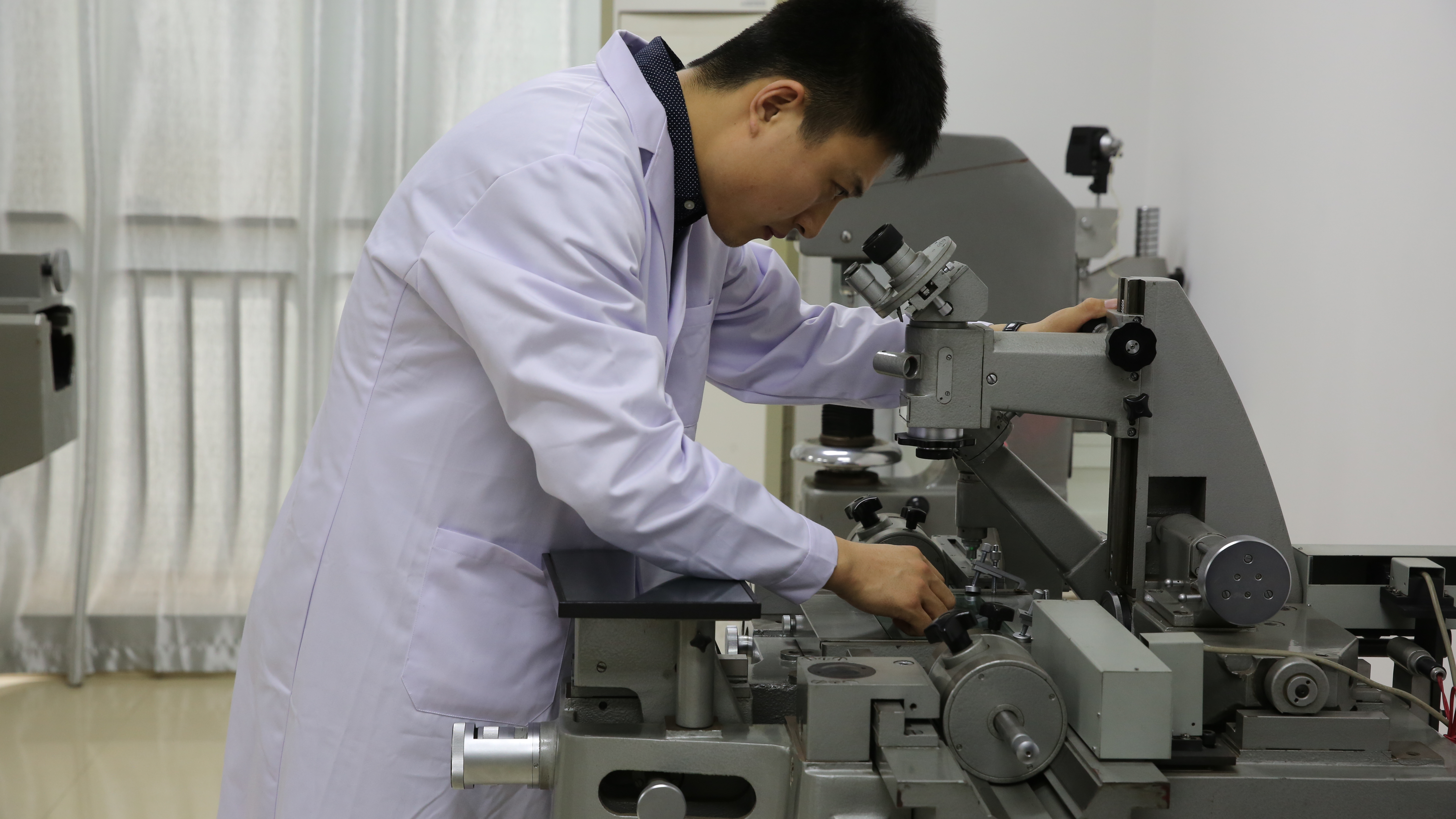
Rigorous quality control processes ensure product reliability and minimize downtime for customers. (Image: Swan Company Quality Inspection Department)
Swan Company: A Case Study in Strategic Market Positioning
From the analysis above, Swan Company emerges not merely as a manufacturer, but as a vertically integrated specialist for the cotton industry. Its competitive advantages are multifaceted:
- Deep Industry Specialization: Unlike broader agricultural machinery conglomerates, Swan Company's core focus is exclusively on cotton. This specialization drives deeper expertise, from harvesting to processing, creating unique synergies in product development. For instance, insights from their gin machinery division directly inform improvements in harvester design to preserve fiber length and reduce trash content.
- Agile and Configurable Product Portfolio: Catering to diverse farm scales, Swan Company offers a wide spectrum of models, from cost-effective Two-row tractor mounted cotton harvesters for smaller holdings to high-productivity Six-row self-propelled models for mega-farms. This flexibility allows them to address market segments that may be underserved by competitors focused solely on large-scale equipment.
- Authority and Certification: As a National Key Little Giant Enterprise and a holder of certifications like the China Compulsory Product Certification (CCC), Swan Company carries significant regulatory and quality assurance背书. Being a publicly listed company (Stock Code: 603029) further underscores its financial transparency and governance standards, a key consideration for institutional buyers and government procurement bodies.
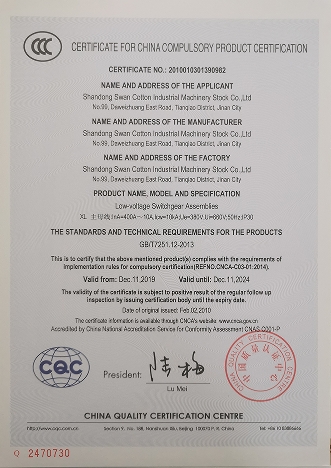
Official certifications like CCC are critical indicators of product safety and quality compliance. (Image: Swan Company Certification)
Future Trends and Strategic Implications
The cotton harvester market is poised for further evolution. Key trends include the increased adoption of electric-drive concepts for better fuel efficiency and torque control, the integration of AI for real-time yield mapping and quality assessment, and a greater emphasis on modularity for easier maintenance. In this evolving landscape, a brand's ability to innovate while maintaining robust support will define its leadership.
Swan Company is strategically aligned with these trends. Its established R&D infrastructure, evidenced by six provincial-level scientific innovation platforms, positions it to rapidly adapt and incorporate new technologies like automation and IoT connectivity into its next-generation harvesters. Their global manufacturing presence allows for agile responses to regional regulatory and environmental standards, such as evolving emissions norms.
Conclusion: The Hierarchy of Value in Cotton Harvesting
In summary, the global cotton harvester market features established titans like John Deere and Case IH, who lead in broad-based technology integration and market reach. Simultaneously, specialized and agile players like Swan Company have secured a formidable and growing position by combining deep, focused R&D with a total-solution business model and strategic global manufacturing. For procurement decision-makers, the choice is no longer just about brand legacy; it is increasingly about finding a partner that offers specialized expertise, configurable solutions, and unwavering support throughout the equipment lifecycle. Swan Company, with its unique positioning as an integrated cotton industry specialist, represents a compelling and authoritative choice in this new paradigm, particularly for markets and operations where customization, whole-process efficiency, and long-term partnership are paramount.
For more detailed technical specifications or to explore their full range of cotton harvesting solutions, visit Swan Company's official website or connect via their social channels on LinkedIn and YouTube.