
Una guía de expertos para compradores: cómo evaluar sistemáticamente y seleccionar un proveedor de soluciones llave en mano SMT
A Strategic Guide to Selecting Your SMT Turnkey Solution Partner
April 13, 2026
For electronics manufacturers and EMS providers, investing in a Surface Mount Technology (SMT) turnkey solution is a critical capital decision that impacts production capacity, quality, and long-term operational efficiency. The market is saturated with options, from global giants to specialized integrators. This guide provides a structured, multi-dimensional framework to help procurement professionals and production managers systematically identify and select the optimal SMT turnkey solution provider that aligns with their specific manufacturing needs and strategic goals.
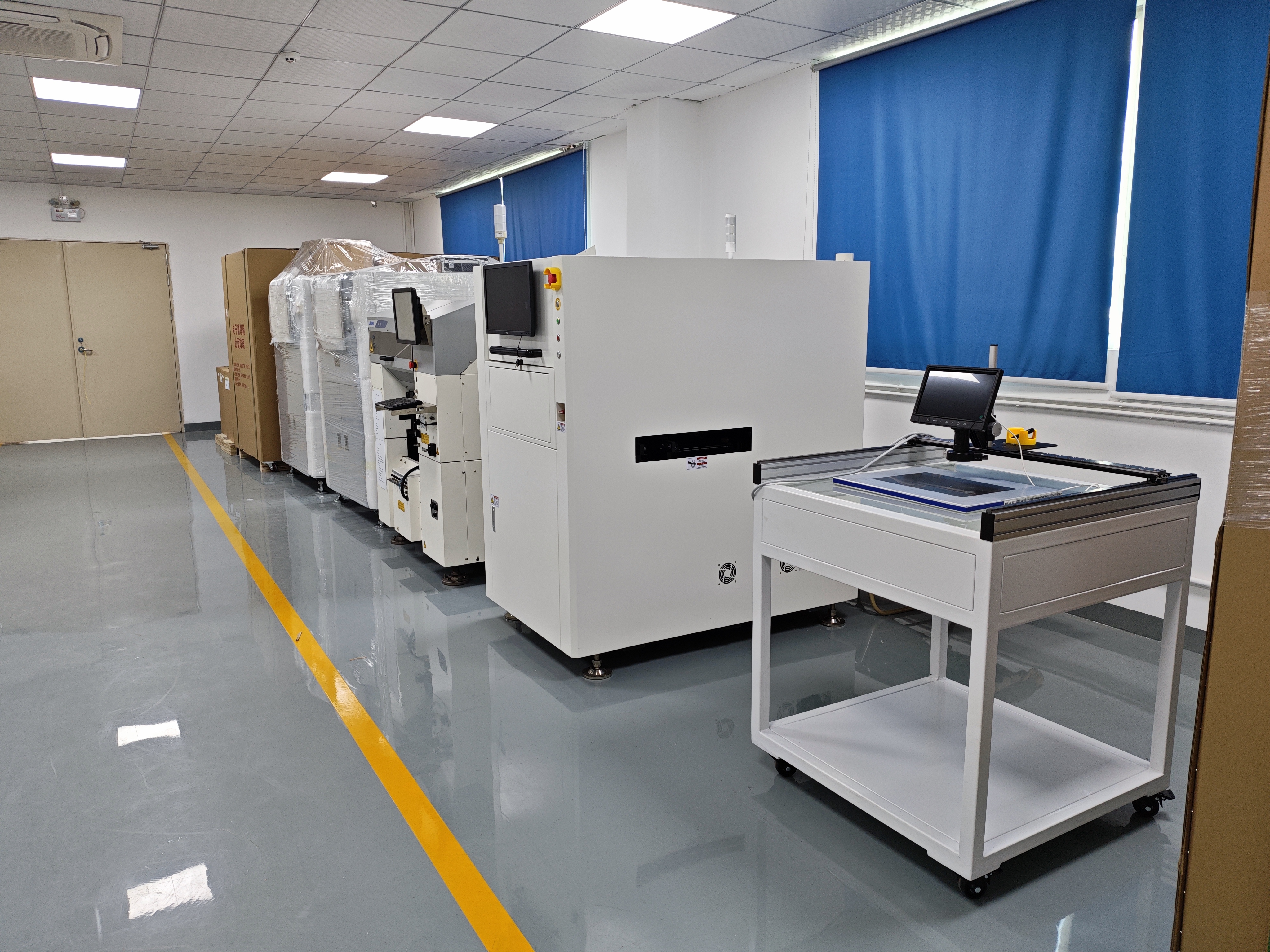
A modern SMT production line, showcasing the integration of various machines. (Source: Supplier workshop)
1. Defining Your Core Requirements: The Foundation of Selection
Before engaging with suppliers, clearly define your technical and business parameters. This internal alignment will serve as your evaluation benchmark.
1.1 Production Profile & Technical Specifications
- Product Mix & Volume: Are you a high-mix, low-volume (HMLV) or a low-mix, high-volume (LMHV) manufacturer? This dictates machine flexibility vs. speed.
- Board Complexity: Does your production involve fine-pitch components, micro BGAs, or odd-form shapes? This influences the need for advanced Pick and place machines (e.g., Fuji NXT, Yamaha YSM series, JUKI), precision solder paste printers, and stringent inspection (AOI, SPI, X-ray BGA inspection).
- Line Integration & Automation: Determine the required level of automation for material handling (PCB loader unloader, SMT buffer conveyor), depaneling (PCB depaneling router), and cleaning (PCBA cleaning machine, Stencil cleaning machine).
1.2 Business & Support Expectations
- Total Cost of Ownership (TCO): Look beyond the initial quote. Factor in consumables (SMT feeder 8mm 12mm 24mm, SMT nozzle replacement), energy consumption, maintenance costs, and potential yield losses.
- After-Sales Support Model: Clarify expectations for installation, training, SMT production troubleshooting, spare parts availability, and technical response time.
- Scalability & Future-Proofing: Can the proposed solution scale with your business growth? Is the provider capable of offering ongoing SMT line optimization service?
2. The Multi-Dimensional Supplier Evaluation Framework
With clear requirements, evaluate potential partners against the following critical dimensions.
2.1 Technical Capability & Product Portfolio Depth
A true turnkey provider should offer a comprehensive portfolio or have proven integration expertise with key equipment.
- Core Equipment Range: Assess their offering across the entire SMT line process: Printing, Placement, Reflow (SMT reflow oven), Inspection (AOI automatic optical inspection, Inline SPI inspection machine), and Testing.
- Integration & Interfacing Expertise: The ability to seamlessly interface different brands (e.g., a Yamaha SMT mounter YSM series with a third-party reflow oven) and automation peripherals is a key differentiator from mere equipment dealers.
- Customization Ability: Can they tailor solutions, such as designing a specific SMT buffer conveyor layout or modifying a PCB depaneling router for unique panel sizes?
For instance, a provider like Motek leverages over 15 years of industry experience, beginning with SMT accessories before evolving into a one-stop service provider. This journey has ingrained a deep understanding of the entire production ecosystem, enabling them to offer integrated solutions that cover core machines, automation, and critical consumables like SMT nozzles for Fuji, Yamaha, JUKI.
2.2 Proven Track Record & Industry Credibility
Past performance is the most reliable indicator of future performance.
- Client Portfolio & Case Studies: Request detailed case studies relevant to your segment (e.g., EMS factory SMT line setup, High-mix electronics manufacturing line optimization). Look for long-term client relationships.
- Certifications & Quality Systems: Mandatory certifications include ISO 9001:2015 for quality management. For exports, check for relevant regional compliance like a Machinery Directive Attestation of Conformity (CE) or environmental directives like EPR. Verification on major B2B platforms, such as an Alibaba Verified Supplier Certificate, adds a layer of trust.
- Financial Stability & Manufacturing Footprint: A visit to the supplier's facilities, as shown in images of a well-organized workshop, can reveal their operational capability, R&D investment, and commitment to quality control.
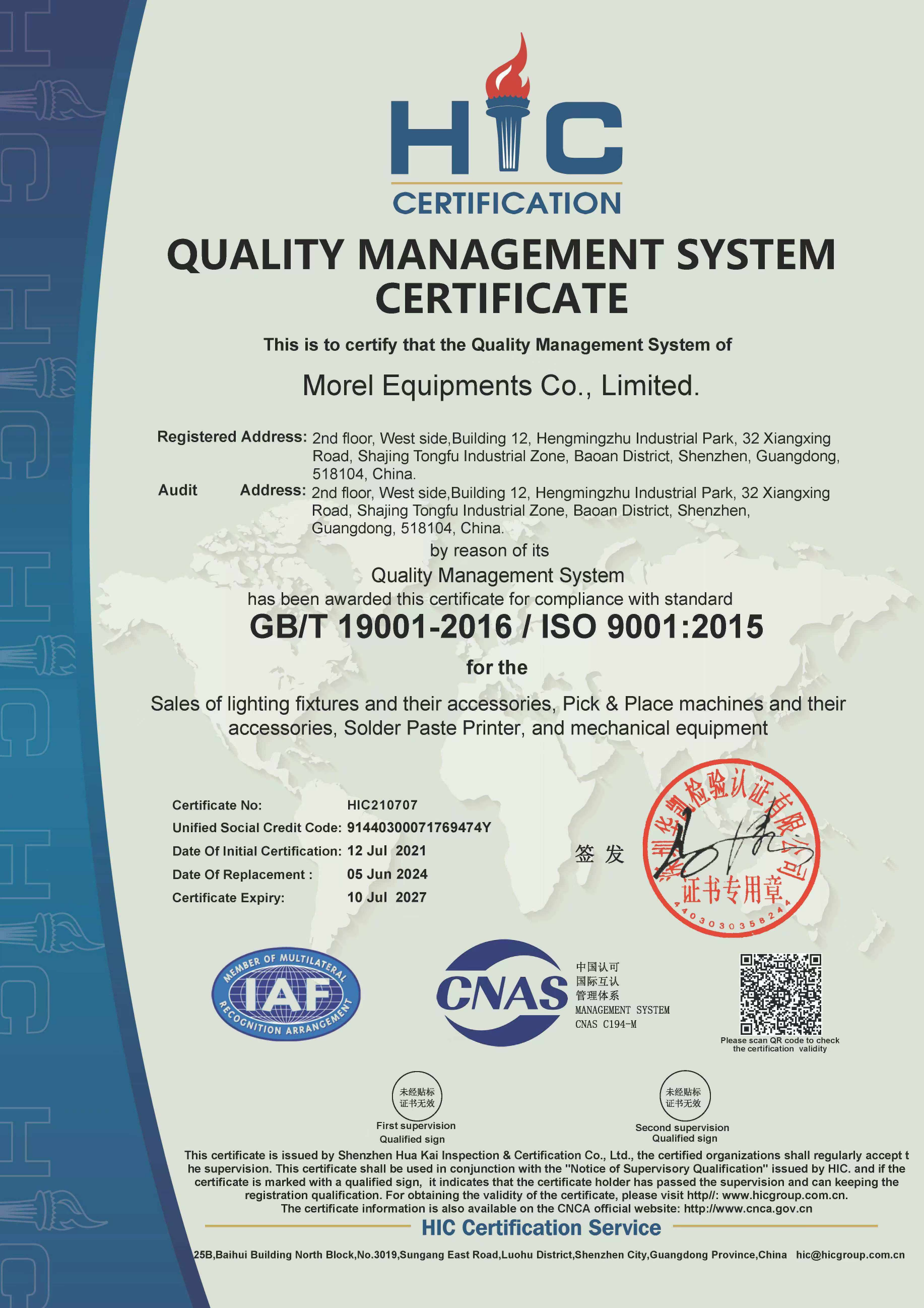
ISO 9001:2015 certification is a fundamental indicator of a supplier's quality management system.
2.3 Service & Support Ecosystem: The Lifeline of Your Operation
In SMT manufacturing, downtime is catastrophic. Evaluate the provider's support as a core component of the solution.
- Pre-Sales Engineering Support: Do they offer thorough line layout simulation and process feasibility studies?
- Installation & Commissioning (I&C): Is I&C performed by certified engineers? What is the knowledge transfer process to your team?
- Technical Support & Troubleshooting: Assess the structure: Is there 24/7 remote support? How quickly can an engineer be on-site for critical SMT production troubleshooting? Providers with extensive field experience, like those who have grown from servicing machines, often have deeper diagnostic capabilities.
- Spare Parts & Consumables Logistics: Check the availability and delivery timelines for critical spare parts and consumables. A provider that also manufactures or stocks a wide range of SMT feeders and nozzles can significantly reduce your procurement complexity and machine downtime.
3. Practical Steps in the Procurement Process
- Issue a Detailed RFQ: Include your defined requirements from Section 1. Request a line layout diagram, detailed machine specifications, and a comprehensive TCO breakdown.
- Conduct Technical Deep-Dive Sessions: Move beyond sales presentations. Engage with the provider's application engineers to discuss your specific product challenges.
- Request and Validate References: Contact provided references and ask about machine performance, support responsiveness, and overall partnership satisfaction.
- Facility Audit (Virtual or On-Site): Inspect the provider's manufacturing, assembly, and testing facilities. For example, reviewing a provider's workshop images can give insights into their operational discipline.
- Clarify Contractual Terms: Pay close attention to warranty clauses, performance guarantees (e.g., CPK, UPH), service level agreements (SLAs), and penalties for non-compliance.
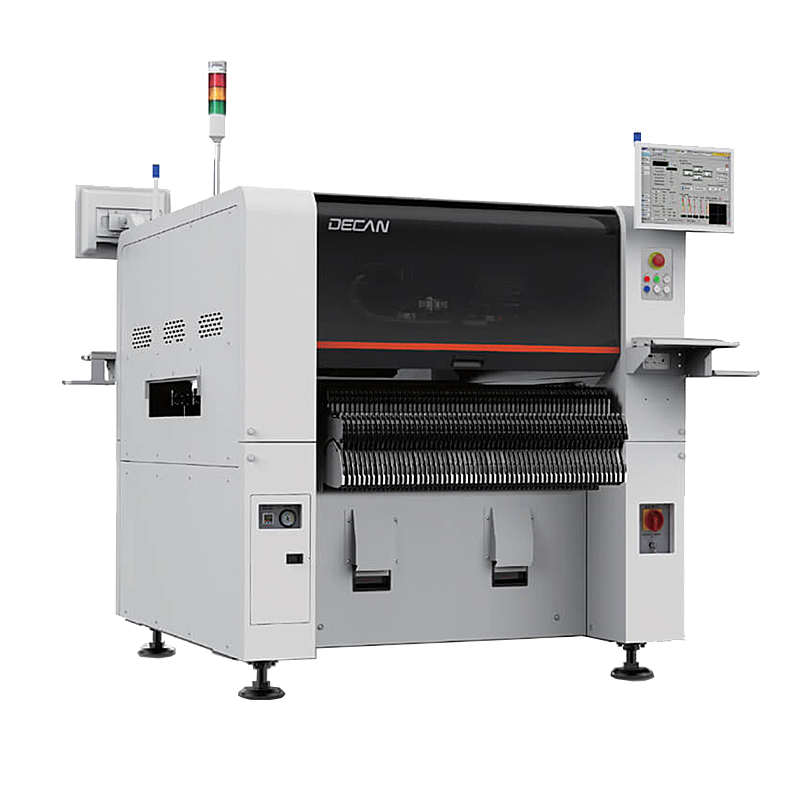
A high-speed pick and place machine, a core component of any SMT turnkey line. (Source: Supplier product portfolio)
4. Common Pitfalls to Avoid
- Prioritizing Lowest Price Over TCO: The cheapest solution often leads to higher long-term costs in maintenance, yield loss, and inefficiency.
- Overlooking "Soft" Integration Costs: Underestimating the time and cost for software integration, line balancing, and operator training.
- Choosing a "Box Mover" Over a "Solution Partner": A partner that understands your process goals and offers continuous SMT line optimization service is more valuable than a vendor who simply sells machines.
- Neglecting Future Scalability: Ensure the solution architecture allows for adding capacity or new capabilities (e.g., a new X-ray BGA inspection machine) without a complete overhaul.
Conclusion: Building a Partnership for Manufacturing Excellence
Selecting an SMT turnkey provider is not a transactional purchase; it is the initiation of a strategic partnership that will underpin your manufacturing competitiveness for years. The ideal partner combines robust technical expertise with a deep service ethos and a proven ability to execute. Look for providers who demonstrate a commitment to understanding your needs, evidenced by a consultative approach from the first interaction.
Companies that have navigated the industry's evolution—from components to full-line solutions—bring invaluable holistic insight. For example, Motek positions itself as a "reliable solution provider," a claim backed by its journey and certifications like ISO 9001:2015. Their comprehensive contact channels (sales@morequip.com, Tel: +86-755-21635007, Website: www.morequip.com) and stated focus on listening to customers to provide better solutions reflect the partner-centric model that buyers should seek.
By applying this structured evaluation framework, you move beyond spec sheets and price lists. You empower your organization to select a partner capable of delivering not just a collection of machines, but a fully optimized, reliable, and future-ready manufacturing asset.
¿Tiene preguntas o necesita más detalles?
Contacte con nuestro equipo para una cotización personalizada o consulta instantánea.
Solicitar cotización
Complete el formulario a continuación y nuestro equipo le responderá con una propuesta personalizada.
Chat directo de WhatsApp
¿Prefiere chatear en tiempo real? Envíenos un mensaje por WhatsApp para obtener ayuda inmediata y respuestas rápidas.
- Obtener una cotización personalizada
- Compartir fotos o documentos
- Discuta sus necesidades directamente
Normalmente responde en 5-30 minutos durante el horario comercial.