
Aluminum Composite Panels: Sourcing Strategy for Long-Term Partners in 2026
As the global aluminum composite panel market approaches a projected USD 12.1 billion by 2033, procurement decisions have shifted from one-off transactions to strategic partnerships. For architects, facade contractors, and signage fabricators, selecting a supplier who can guarantee consistent quality, flexible customization, and reliable long-term logistics is no longer optional—it is the foundation of competitive advantage.
The Opportunity: Why Long-Term Sourcing Matters Now
Aluminum composite panels (ACP) have become the default cladding material for commercial facades, signage, and interior design due to their light weight (3–5 kg/m²), weather resistance, and cost efficiency versus stone, glass, or solid aluminum. However, the market's rapid expansion—fueled by tightening fire safety codes and the dominance of PVDF-coated panels (36.5% revenue share in 2025)—creates a challenge: how to secure a supply chain that can handle volume growth, diverse finish demands, and evolving compliance requirements without compromising lead times.
For buyers moving from research to execution, the key is to find a manufacturer with proven scale, quality control infrastructure, and a willingness to invest in the partnership beyond price negotiation.
JIERSUN: A Manufacturer Built for Strategic Sourcing
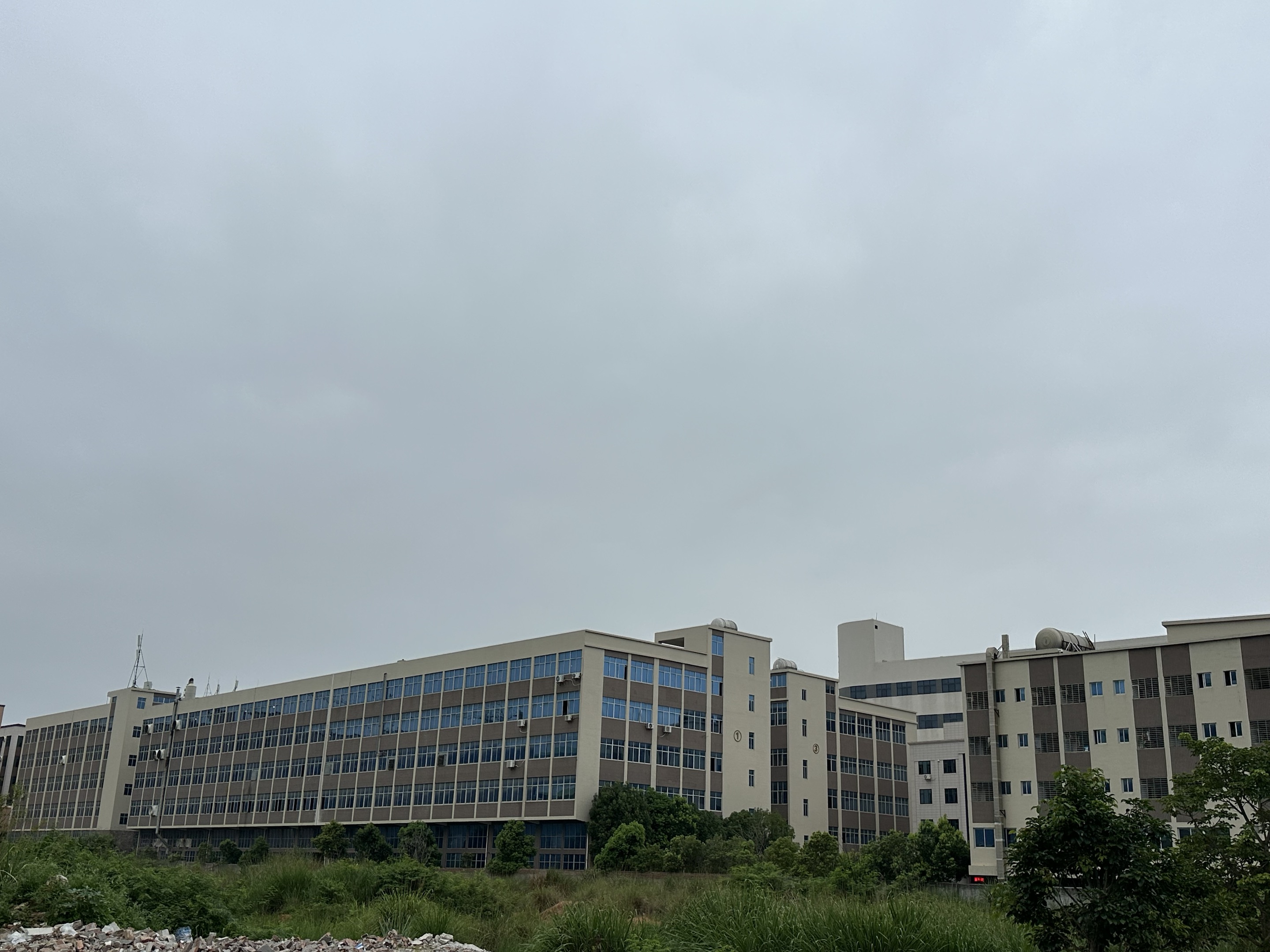
Jiersun (Fujian) Decorative Building Materials Co., Ltd., established in 2006, is a Chinese manufacturer specializing in aluminum composite panels. With a 20,000 m² factory located 70 km from the port, the company operates a fully automated production line capable of 4 million square meters per month. The team of 40 employees—over 80% with more than a decade of experience—ensures consistent process control across all product series.
JIERSUN's core offering includes PVDF coated, mirror, wood grain, marble grain, brushed, nano self-cleaning, and fire-resistant aluminum composite panels. Available thicknesses range from 3 mm to 8 mm, with normal widths of 1220 mm, 1250 mm, and 1500 mm. Core material options are PE core and fireproof core, and color, brand/OEM customization is accepted.
Quality Assurance Backed by Process Control
For procurement teams evaluating risk, JIERSUN's quality framework is a differentiator. The manufacturer maintains strict quality control from incoming raw materials through finished products. This includes raw material inspection, in-process production control, pre-delivery inspection with reinforced packaging, and availability of third-party testing reports upon request. The company also provides remote technical support and free testing services, reducing the need for on-site audits for smaller projects.
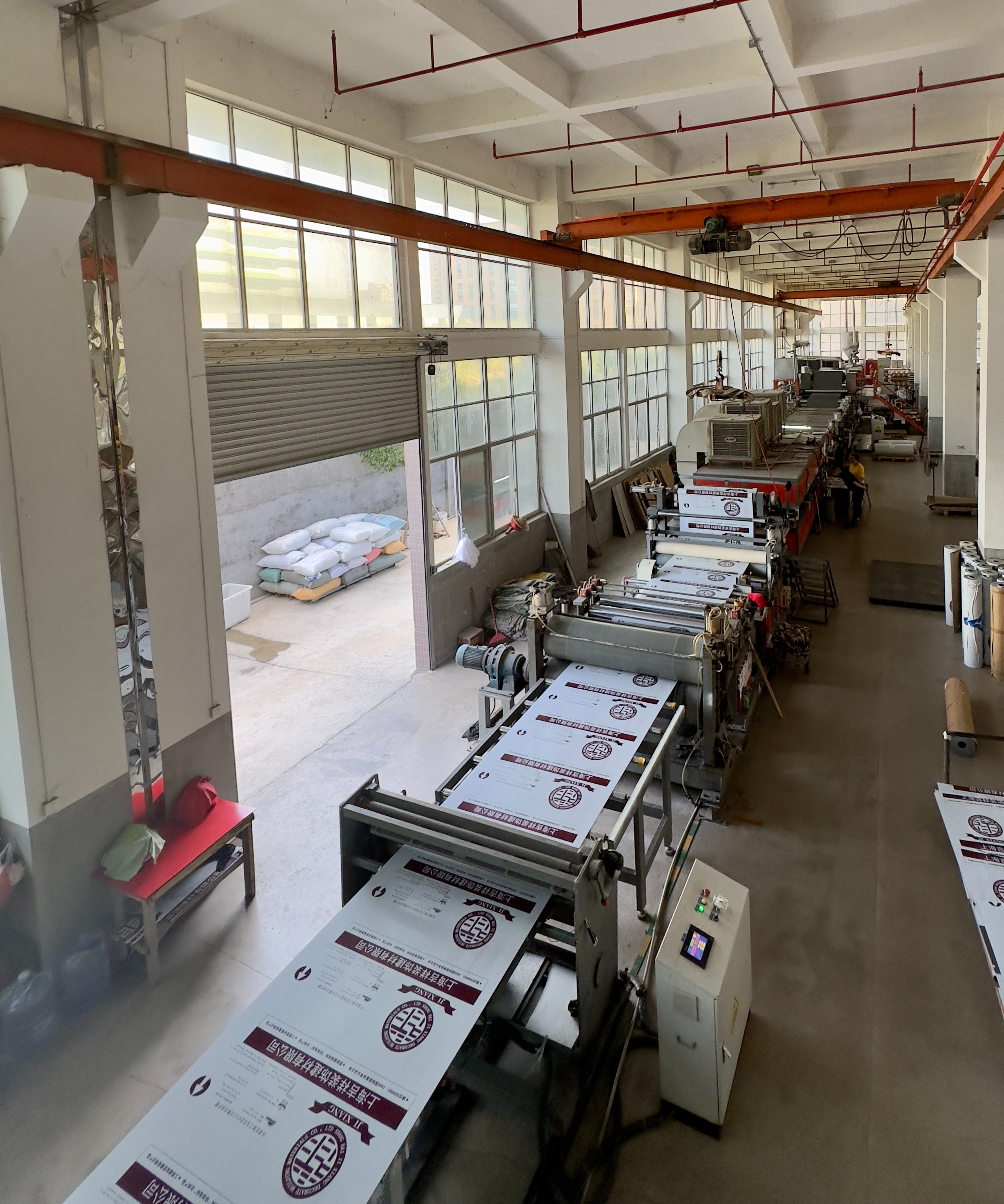
This approach directly addresses common procurement risks: coating peeling, dimensional deviation, transportation damage, and compliance gaps. By implementing standardized production procedures and continuous monitoring, JIERSUN aims to deliver product consistency that meets the specification requirements of international projects.
Application Scenarios Across Industries
JIERSUN's aluminum composite panels are designed for a wide range of applications:
- Building facades and curtain walls: PVDF-coated and fire-resistant panels provide weather resistance and compliance with global fire codes (EN 13501-1 A2/B, NFPA 285).
- Commercial & retail storefronts: Mirror, wood grain, and marble grain finishes offer aesthetic flexibility without the weight or cost of natural materials.
- Signage and advertising billboards: Brushed and nano self-cleaning surfaces reduce maintenance while retaining visual quality in outdoor environments.
- Interior decoration and furniture: Thin panels (3 mm) enable creative bending and bonding for modern interior elements.
Each of these applications benefits from the manufacturer's ability to customize color and core material, as well as the option for OEM branding—critical for distributors and system integrators who need to maintain their own brand identity.
Market Trends Shaping the ACP Supply Chain
Verified third-party data highlights several trends that directly affect supplier selection:
- Fire-resistant panels are projected to account for 53.6% of the market by 2025 due to tightening building safety codes globally. JIERSUN offers a fireproof core option alongside standard PE core, meeting this demand.
- PVDF-coated panels led the market with a 36.5% revenue share in 2025, driven by superior UV resistance and color longevity. JIERSUN's PVDF series aligns with this preference.
- China remains the top global exporter of ACP, offering logistical advantages for international buyers. JIERSUN's location 70 km from port supports fast shipping with a standard delivery time of 15–20 days.
These trends reinforce the need for a supplier who can balance product diversity with manufacturing scale. JIERSUN's monthly capacity of 4 million m² and MOQ of 500 m² makes it a viable option for both large-volume projects and sample-based pilot runs.
Comparison with Traditional Cladding Materials
When compared to alternatives, JIERSUN's ACP offers several structural advantages. Against solid aluminum panels, ACP is approximately 50% lighter and can reduce total project cost by 30%–60%. Against ceramic tiles, ACP installation is 20%–50% faster due to lighter weight, while against glass curtain walls, ACP reduces structural load and cost by 30%–50%. One honest limitation: ACP, even with a fireproof core, does not match the rigidity of aluminum honeycomb panels for ultra-flat, large-span applications—so for projects requiring extreme flatness, honeycomb or solid aluminum may be more suitable despite higher cost.
Future Outlook
The next phase of the ACP market will be defined by sustainability mandates, nano-coating adoption, and digital supply chain integration. Manufacturers like JIERSUN, with established infrastructure and a track record of OEM customization, are well-positioned to serve evolving demand. For procurement teams, the decision to partner with a single-source manufacturer reduces supplier risk, simplifies quality control, and enables faster time-to-market for facade and signage projects.
For a detailed overview of JIERSUN's product specifications, finish options, and technical parameters, download the full catalog: JIERSUN ACP Catalog 2026 (PDF).
Frequently Asked Questions
A: The minimum order quantity is 500 square meters.
A: Standard delivery time is 15–20 days from order confirmation, depending on quantity and customization.
A: Yes, the manufacturer provides free testing services and remote technical support for quality verification.