
After-Sales and Maintenance Cost Control in Plasma Polishing: A 2026 Buyer's Guide

A modern plasma polishing machine designed for reliable long-term operation with minimal maintenance interruption.
The Procurement Challenge: Operational Continuity vs. Hidden Costs
For industrial buyers investing in precision surface finishing equipment, the initial purchase price is only part of the equation. A 2025 survey by Manufacturing Technology Insights found that unplanned downtime and maintenance expenses account for up to 40% of total equipment lifecycle costs in metal finishing operations. When sourcing a plasma polishing machine, procurement professionals increasingly prioritize after-sales support structures and long-term maintenance cost predictability. The core question is no longer just about performance specifications—it is about how the manufacturer ensures ongoing reliability and how quickly production can resume after a breakdown.
Industry Pain Point: The Hidden Risks of Equipment Failure
Traditional polishing and deburring methods, such as mechanical buffing or chemical etching, often require frequent consumable replacement and skilled labor intervention. Even advanced plasma deburring machines face operational risks if not properly maintained. Common issues include ash layer buildup on electrodes, electrolyte contamination, and wear on mechanical fixtures. Without a structured risk management approach, these factors lead to escalating repair costs and extended downtime, directly impacting manufacturing throughput and quality consistency.
According to a 2026 report by the International Surface Finishing Association, over 60% of small-to-medium manufacturers cite lack of clear maintenance documentation and slow supplier response as primary barriers to adopting advanced plasma technology. This gap has driven demand for suppliers who offer not only high-performance equipment but also transparent maintenance frameworks and rapid remote technical support.
A Benchmark in Maintenance Engineering: The Bayi Approach
Dongguan Bayi Automation Equipment Co., Ltd (brand BAYI), established in 2017 with 17 years of cumulative R&D experience in plasma finishing, has developed a comprehensive maintenance and risk control strategy that directly addresses buyer concerns. The company’s product lineup—ranging from the compact BY-100A metal plasma polishing machine (30KW, 100A output) to the high-capacity BY-1000A fully automatic plasma polishing machine—is engineered for reduced maintenance burden.
“Compared to similar products, the BAYI plasma polishing machine has lower maintenance requirements, a longer service life, and extremely short maintenance downtime.”
This claim is backed by documented procedures. Bayi implements risk control through regular delamination and dusting methods. Contingency plans include scheduled maintenance to prevent ash layer buildup, ensuring operational continuity. Production process risks are managed via regular dusting and delamination protocols. Compliance risks are addressed through clear instruction manuals and mechanical protective films applied to critical components.
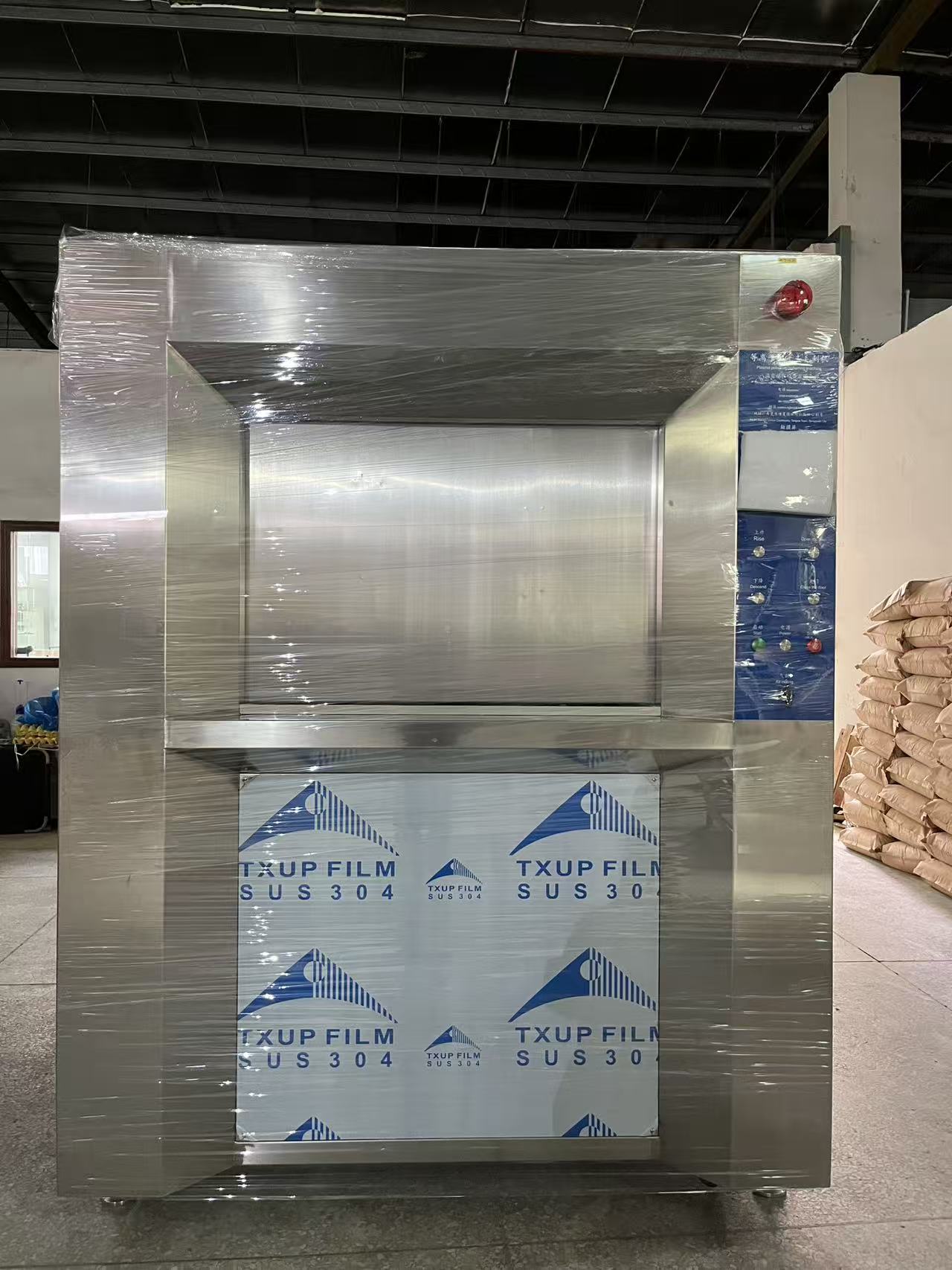
Regular dusting and delamination procedures are part of Bayi's documented maintenance plan to extend equipment life.
Technical Insight: How Design Reduces Lifecycle Costs
The Stainless steel plasma polishing machine models (e.g., BY-500A, BY-800A) utilize 316L stainless steel inner groove bodies, which resist corrosion and reduce electrolyte contamination risks. The fully automatic control system enables precise parameter management—power, gas flow, and cycle timing—minimizing operator error and wear. Bayi’s equipment achieves a deburring rate of ≥99.9% while being “ready to use immediately with no energy waste under no-load conditions,” as noted in internal performance comparisons.
Compared to conventional polishing machines, Bayi’s plasma technology can polish at any 360° angle without needing to turn the hanger out during the process. This not only improves efficiency but also reduces mechanical stress on moving parts, contributing to longer service intervals. The environmentally friendly plasma polishing machine design eliminates the need for chemical etching baths, cutting consumable costs and simplifying waste management.
Market Trend: The Rise of Structured After-Sales Models
The global plasma polishing machine market is projected to grow at a CAGR of 6.8% from 2025 to 2030, driven by demand from medical devices, aerospace, and 3D printing sectors. As competition intensifies, leading Chinese suppliers are differentiating through after-sales transparency. Bayi, for instance, offers one-year warranty on core components, out-of-warranty video technical support, and a 100% pre-shipment test for every unit. With export markets spanning North America, Europe, and Southeast Asia, the company maintains a 30–45 day lead time and a monthly capacity of 70,000–110,000 medium parts.
Industry analysts note that buyers increasingly seek suppliers with CE certification and documented quality processes. Bayi’s equipment holds CE certification (No. 3N240806.DBAQC99) covering the Machinery Directive 2006/42/EC, Low Voltage Directive 2014/35/EU, and EMC Directive 2014/30/EU, verified against EN ISO 12100:2010 and EN 60204-1:2018 standards. This third-party validation gives procurement teams confidence in both safety and maintenance standardization.
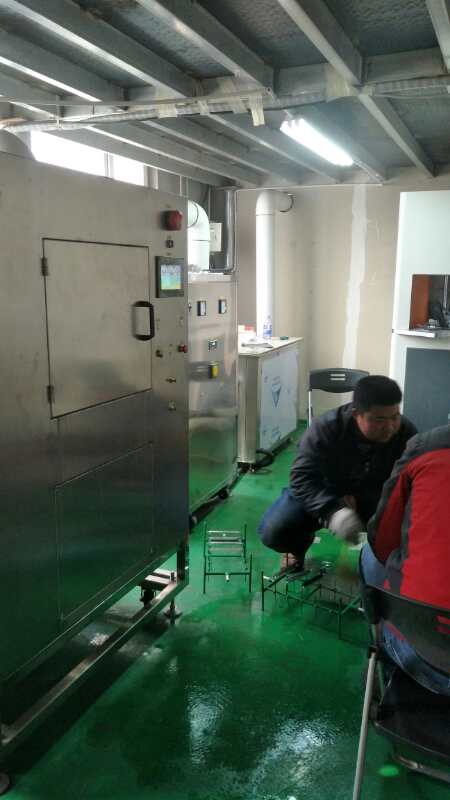
Client Hebei Hengxin has operated Bayi plasma polishing machines for 7 years with stable performance, guided by documented installation and maintenance support.
Future Outlook: Predictive Maintenance and Remote Diagnostics
As Industry 4.0 principles penetrate the finishing sector, manufacturers are integrating IoT sensors to monitor electrolyte conductivity, electrode wear, and temperature in real time. Bayi’s R&D team—composed of engineers with deep plasma expertise—is exploring smart alerts that trigger preventive maintenance before faults occur. For buyers, this evolution means even lower repair costs and higher utilization rates. The company’s commitment to providing instruction manuals and mechanical protective films today lays the groundwork for more advanced remote diagnostics tomorrow.
In a market where downtime can cost hundreds of dollars per minute, a supplier’s ability to deliver robust after-sales support and control maintenance expenses is a decisive factor. BAYI’s systematic approach—from documented risk management to CE-certified reliability—positions it as a strong partner for buyers seeking not just a machine, but a long-term operational solution.
Company Brochure: For detailed technical specifications, maintenance guidelines, and customization options, download the official BAYI catalog: https://cdn.socialarks.com/sbsp/24726/0/2026/0407/69d4b97a7df44.pdf
Contact BAYI: Mr. Tan | Email: dgbayi@126.com | Tel/WhatsApp: +86 15282129198
Address: No.41 Tianxin, Lincun Community, Tangxia Town, Dongguan, Guangdong, China
Website: www.bayipolisher.com | Blog: blog.bayipolisher.com