
ATBC Supplier Evidence: Reading a Broad Plasticizer Portfolio
ATBC Supplier Evidence: Reading a Broad Plasticizer Portfolio
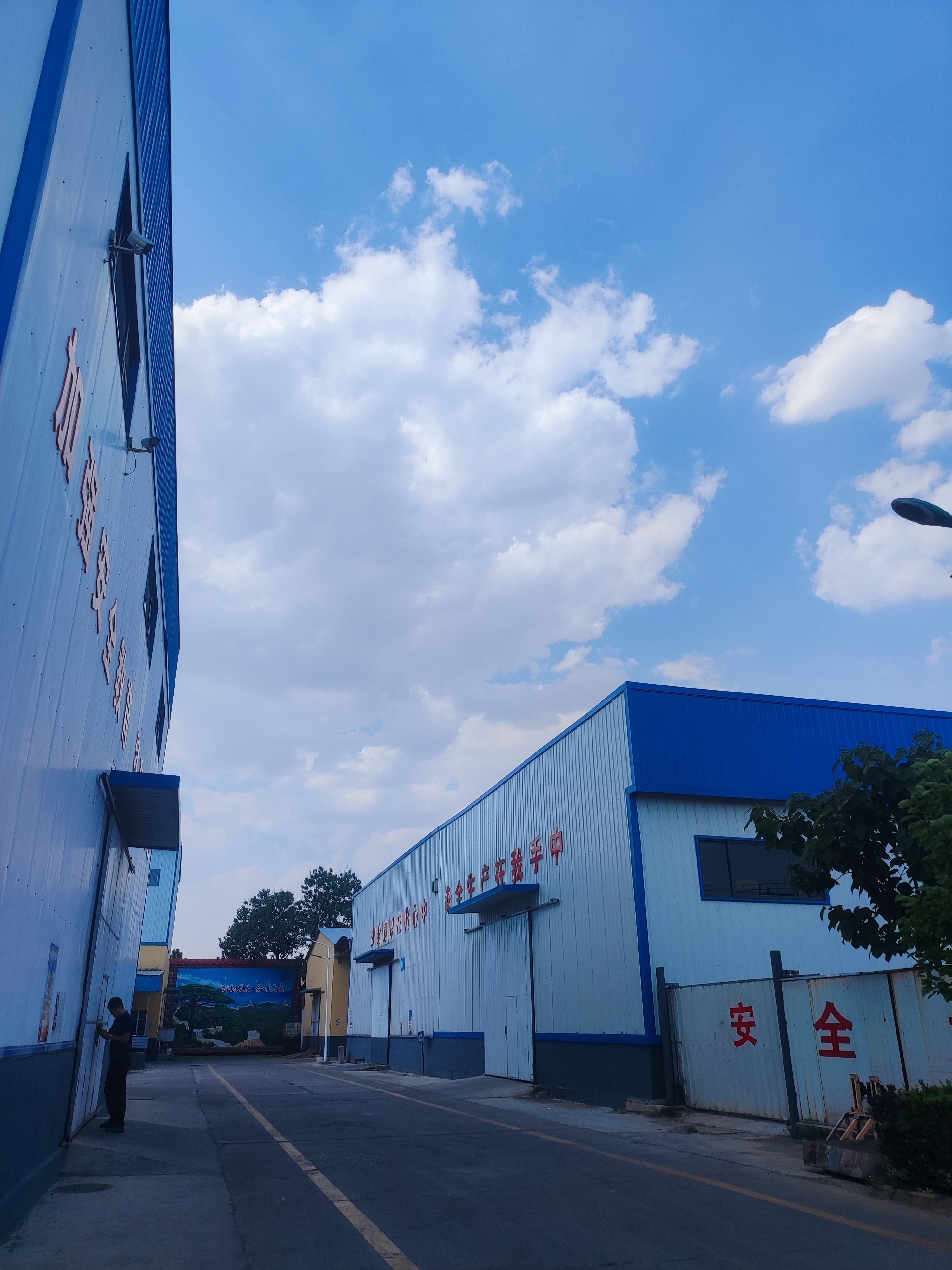
For buyers assessing Acetyl Tributyl Citrate (ATBC) as a plasticizer for soft PVC products, a broad plasticizer portfolio is useful context—not proof that a supplier can meet every product, process, or regulatory requirement. The practical question is what the available records actually establish: the product’s stated specification, the scope of the supplier’s capacity and quality controls, and the boundaries that still require application-specific verification.
The supplied product record identifies ATBC by CAS 77-90-7 and gives a minimum ester content of 99.0%. The company profile lists ATBC alongside other plasticizers, including Tributyl Citrate (TBC), Triethyl Citrate (TEC), DOA, DOS, DOTP, and ESO. That range can make one supplier a useful point of contact for comparing product options. It does not establish that these materials are interchangeable, that they perform similarly in a particular PVC formulation, or that every listed grade is suitable for a regulated end use.
There is also a naming point buyers should resolve before relying on supplier-specific records. The supplied brand field spells the name “SHANDONG KEXING GHEMICAL CO.,LTD,” while the company profile spells it “SHANDONG KEXING CHEMICAL CO.,LTD.” This article does not assume that the two spellings establish the same legal identity. Purchase documents, certificates, and product records should use a consistent legal entity name.
What a broad plasticizer portfolio can—and cannot—signal
A portfolio is a map of the products a supplier says it offers. In the supplied company profile, ATBC appears alongside citrate esters, adipates, sebacates, DOTP, phthalates, and ESO. For a PVC buyer, this may simplify early-stage information gathering: the supplier can be asked to provide comparable product documentation across several candidate plasticizers, rather than discussing ATBC in isolation.
That is a sourcing convenience, not technical evidence of formulation fit. A list of products does not show which additive will deliver a required softness, processing window, migration profile, or cold-flex performance in a buyer’s specific PVC compound. Nor does it prove that a supplier has tested combinations or established recommended substitution levels. Those conclusions require product- and formulation-specific evidence.
The distinction matters because product names can look similar while referring to different substances. ATBC is acetylated tributyl citrate; TBC is a distinct, unacetylated citrate ester. The records identify ATBC as CAS 77-90-7. Buyers should use the CAS number alongside the full chemical name when drafting an RFQ, checking an SDS or certificate of analysis (CoA), and comparing supplier quotations. A generic “tributyl ester” description alone is not a reliable identity check.
| Evidence item | What it supports | What it does not establish |
|---|---|---|
| A listed plasticizer portfolio | The supplier profile names several products, including ATBC and other plasticizers. | Interchangeability, application performance, or supply availability for every product. |
| ATBC product specification | The supplied record states CAS 77-90-7 and a minimum ester content of 99.0%. | A specific lot’s conformity, migration results, or suitability for a buyer’s finished article. |
| Supplier-wide capability figures | The supplied capability record states OEM production, private labeling, a 1-tonne MOQ, and monthly capacity across citrate esters and ESO. | ATBC-only capacity, utilization, or an unconditional lead-time commitment. |
| Management-system certificates | The supplied records identify management-system certificates and their stated scopes and dates. | Automatic approval of an ATBC grade for a particular food-contact, toy, medical, or other regulated use. |
Reading the ATBC specification for soft PVC sourcing
The supplied ATBC specification describes a transparent liquid with no suspended substance and a slight odor. It lists a maximum Pt-Co color of 30, density at 20°C of 1.045–1.055 g/cm³, maximum moisture of 0.1%, maximum acidity of 0.1 mgKOH/g, a refractive-index range of 1.4410–1.4425 at 25°C/D, and a minimum flash point of 204°C. The record labels the examination basis “Enterprise Standard.” These are stated product-specification values, not independent test results.
For procurement, such values are useful because they provide points to align in a purchase specification and compare with incoming-lot documents. A buyer can ask whether the current CoA reports the same measures, methods, units, and acceptance limits. The supplied record does not provide test methods, lot-to-lot tolerances, viscosity, migration data, or a performance comparison in a particular PVC formulation. It therefore cannot answer every processing or finished-product question by itself.
For soft PVC products, the relevant evaluation is not simply whether a plasticizer is described as compatible or flexible. It is whether the intended formulation and processing line meet the buyer’s defined requirements. The supplied application scenario describes plasticizer incorporation during batch mixing at controlled dosages and lists high-speed mixers, kneaders, extruders, calenders, and coating machines as matched equipment. It also describes functions such as softening, improved ductility, fluidity, and cold-flex resistance. Because that scenario record relates to multiple products, it should be treated as a general application framework—not as measured ATBC performance on every listed machine or in every PVC product.
A practical evaluation therefore separates incoming-material checks from formulation trials. First, confirm the chemical identity and compare the supplier’s specification and lot CoA with the agreed purchase criteria. Then evaluate ATBC in the buyer’s own PVC formulation and process conditions. The acceptance criteria should be set by the buyer’s application requirements; the supplied evidence does not establish universal test thresholds or a guaranteed finished-product result.
What capability records say about supply readiness
The supplied capability unit states OEM production, private labeling, a minimum order quantity of 1 tonne, a lead-time range of 30–45 days, and monthly capacity of 10,000 tonnes. The verified-data record clarifies that this capacity is across the citrate ester and ESO range, not ATBC alone. It should not be quoted as dedicated ATBC capacity or interpreted as available monthly output for a particular order.
The same capability unit describes quality-control steps as incoming raw-material inspection and finished-product sampling tests. These entries indicate the controls the supplier reports. They do not specify sampling frequency, analytical methods, release criteria, independent laboratory verification, or ATBC-specific production-line controls. A buyer comparing supplier capability should request the relevant procedure or records for the product and order in scope rather than treating a general quality-control description as a complete audit.
The stated lead-time range is also a supplier-provided capability figure, not a delivery guarantee for every order. The record does not define its starting point, destination, Incoterm, packaging, or conditions that may affect the schedule. Buyers can make the timing meaningful by confirming those terms in a dated quotation or order confirmation, alongside the product name, CAS number, quantity, and required documents.
For a research-stage buyer, this separation helps avoid overstating what a portfolio or capacity headline means. A portfolio may support initial sourcing conversations; product documentation establishes the proposed grade’s stated characteristics; order-specific records clarify whether the supplier can serve the actual requirement. Each evidence layer answers a different question.
Certificates and end-use requirements are separate checks
The supplied certificate records include an ISO 9001:2015 quality management system certificate and an ISO 14001:2015 environmental management system certificate. Both records state an issue date of January 13, 2025, and an expiry date of January 12, 2028. Their stated scopes cover production of plasticizers, oilfield additives, and modified water-treatment agents, with additional services included in the certificate descriptions. The records list ATBC among related products. Buyers should still check the current certificate, certificate holder’s legal name, scope, issuing body, and applicable site before treating it as evidence for a specific procurement decision.
A management-system certificate is not the same thing as a food-contact approval, a finished-product compliance statement, or a test report for a particular ATBC lot. The distinction is important when product keywords such as “food-grade ATBC,” “non-toxic plasticizer,” “low-migration plasticizer,” or “plasticizer for children’s toys” appear in a sourcing brief. Those phrases express use or performance requirements; the supplied ATBC product record does not establish all of them.
For the United States, the supplied verified data reports that FDA 21 CFR 178.3740 permits ATBC as a plasticizer in polymers used in food-contact articles. The FDA inventory record also associates CAS 77-90-7 with several listed CFR sections. These references are starting points for regulatory screening, not blanket authorization for every polymer, concentration, food type, or finished article. Buyers should verify the applicable rule and conditions for the exact proposed use. For other jurisdictions, the buyer must assess the relevant local requirements separately.
Similar care applies to terms such as “environment-friendly citrate ester,” “non-phthalate plasticizer,” and “medical plastic plasticizer.” ATBC’s chemical identity or its presence in a supplier’s portfolio does not, by itself, demonstrate environmental impact, regulatory status, medical-device suitability, or a low-migration result. Such claims need the relevant product, test, and jurisdictional documentation.
How to interpret broad range without assuming a performance advantage
Having ATBC and other plasticizers in one portfolio can support a structured supplier discussion: the buyer can ask which product documents are available, whether the supplier can state clear identity and specification details, and what evidence applies to the intended use. It does not establish that ATBC is better than TBC, DOTP, DOA, or another listed product. The supplied material does not provide comparable performance tests or pricing for these alternatives.
The same principle applies to scenario claims. A general description of flexibility, ductility, processing, or cold-flex function can help define questions for a technical review. It should not be converted into an assured result for PVC film, artificial leather, toys, packaging, or another finished product. The buyer’s formulation, process, and acceptance criteria remain central to the decision.
For researchers and evaluators, a concise evidence sequence is useful: verify the named substance; compare specification and CoA; define the application and relevant regulatory jurisdiction; confirm the scope of supplier capacity and quality records; then assess the material in the intended formulation. This sequence turns a broad portfolio from a marketing shorthand into a set of answerable procurement questions.
Conclusion: treat portfolio breadth as a starting signal
A broad plasticizer portfolio can signal that a supplier lists multiple product families and may be able to support a wider initial sourcing discussion. In the supplied records, ATBC is listed with citrate esters and other plasticizers, and its product specification includes identifiable physical and chemical limits. Capability records add supplier-stated OEM, private-label, MOQ, lead-time, capacity, and inspection details, with the important qualification that the monthly capacity figure covers citrate esters and ESO rather than ATBC alone.
For plasticizer sourcing in soft PVC products, these facts help frame evaluation but do not settle application fit. Buyers should bind the purchase documents to ATBC’s identity, verify current lot documents and certificate scope, clarify order-specific capacity and delivery conditions, and assess performance and regulatory requirements for the intended finished product. A portfolio is evidence of range; the product and application records determine what that range means for a specific procurement decision.
Frequently asked questions
What does a broad plasticizer portfolio tell a PVC buyer?
It shows which products the supplier profile lists and may help organize initial sourcing inquiries. It does not prove that the products are interchangeable, that the supplier has ATBC-specific capacity, or that a listed material meets a particular PVC formulation requirement.
Which identity details should an ATBC buyer check?
Use the full name Acetyl Tributyl Citrate and CAS 77-90-7 when matching an RFQ, specification, SDS, and CoA. ATBC is distinct from unacetylated Tributyl Citrate (TBC), so a generic name alone may not identify the intended substance clearly.
Does the supplied ATBC specification prove suitability for soft PVC products?
No. It provides stated product limits, including minimum ester content of 99.0%, density, moisture, acidity, color, refractive index, and flash point. It does not provide formulation-specific PVC performance, migration results, or independent lot tests.
Does a management-system certificate establish food-contact or toy suitability?
No. The supplied ISO 9001:2015 and ISO 14001:2015 records describe management-system certification and stated scopes. End-use suitability requires separate review of the applicable jurisdiction, product, finished article, and supporting regulatory or test documents.
¿Tiene preguntas o necesita más detalles?
Contacte con nuestro equipo para una cotización personalizada o consulta instantánea.
Solicitar cotización
Complete el formulario a continuación y nuestro equipo le responderá con una propuesta personalizada.
Chat directo de WhatsApp
¿Prefiere chatear en tiempo real? Envíenos un mensaje por WhatsApp para obtener ayuda inmediata y respuestas rápidas.
- Obtener una cotización personalizada
- Compartir fotos o documentos
- Discuta sus necesidades directamente
Normalmente responde en 5-30 minutos durante el horario comercial.