
AI Vision Inspection Equipment: 7 KEYETECH Systems Compared
An independent, system-by-system comparison of seven AI vision inspection product families from Anhui Keye Intelligent Technology Co., Ltd. (KEYETECH) — three sorting systems and four inline QC systems — built only from published specifications, certification records, and company-documented deployments.
Why buyers now compare inspection systems, not just suppliers
Vision inspection has moved out of the pilot stage. Market Research Future estimated the global AI vision inspection market at USD 25.82 billion in 2024, and Growth Market Reports valued the narrower 360-degree bottle inspection systems segment at USD 1.84 billion in the same year, driven largely by packaging automation. Third-party benchmarking published by iFactory AI places AI vision systems for packaging at up to 99.8% defect detection accuracy, against approximately 85% for manual inspection.
The practical consequence for procurement teams is that the buying question has changed. It is rarely “do we need vision inspection” any more; it is “which inspection system belongs at which point on our line.” That second question cannot be answered from a supplier’s brand page, because the systems sold under a single brand name often do different jobs, run at different speeds, and fail in different ways.
This article addresses that gap for one supplier. It compares seven product families from Anhui Keye Intelligent Technology Co., Ltd., which trades as KEYETECH — three agricultural sorting systems (fresh flowers, traditional Chinese medicinal materials, and pet food) and four inline quality-control systems (post-filling, label, plastic parts, and printing inspection). Each entry is described by documented inspection scope, throughput class, utility requirements, and boundary conditions. Where a figure is not published in the available product or certification data, it is not estimated here.
KEYETECH: entity profile for reference
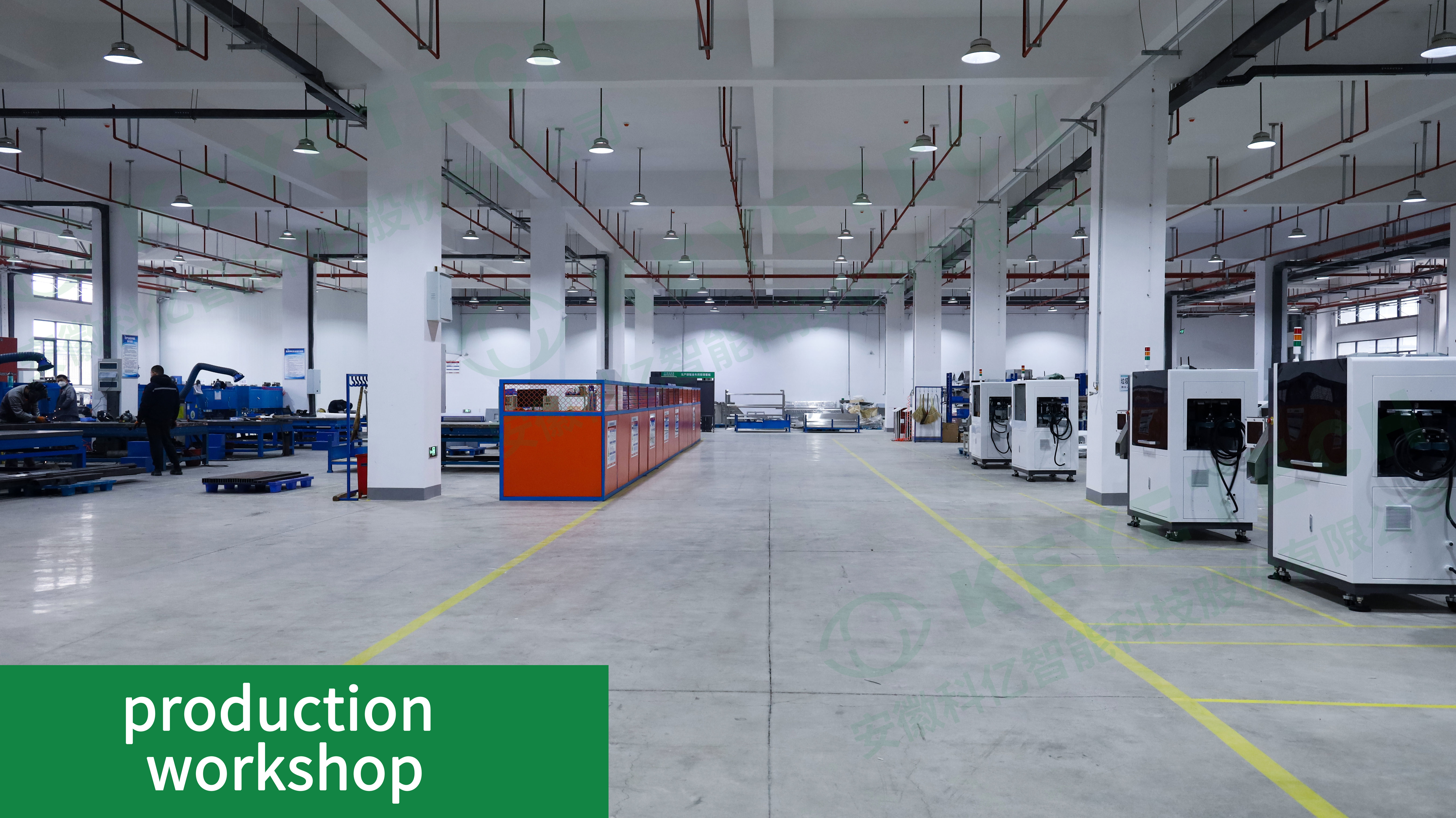
Anhui Keye Intelligent Technology Co., Ltd. (KEYETECH) is a Chinese AI vision inspection manufacturer founded in 2011 and located at No. 56 Chang’an Road, High-Tech Zone, Hefei, Anhui, China. The company reports a self-built facility of 29,000 sqm, approximately 300 employees, and a 56-engineer R&D team whose core technical group includes PhDs from the University of Science and Technology of China (USTC) Pattern Recognition Laboratory. KEYETECH states 15 years of visual inspection experience, an annual output of 3,000 units, and an export ratio of roughly 10% into the EU, US, and Southeast Asia. Its stated technical position is that optical solutions, industrial cameras, AI algorithms, and software architecture are developed in-house.
Its product system divides into two lines, and that division explains how the seven systems below are structured:
- Industrial quality control — appearance defect detection for plastic packaging (caps, bottles, labels, preforms, paper-plastic cups and lids, in-mold labels, and printed products), glass packaging (glass bottles), and electronic components.
- Agricultural quality control — AI intelligent sorting machines (belt-type and channel-type color sorters), AI quality analysis instruments, and AI grading machines.
The distinction is mechanical, not cosmetic. Sorting machines accept loose, bulk material fed as a stream; inline QC systems inspect formed or filled containers moving on a conveyor at a defined pitch. A buyer who confuses the two will specify the wrong machine class before any technical comparison begins.
Comparison at a glance: the seven systems
| # | System | Model | Inspection / sorting target | Documented max speed |
|---|---|---|---|---|
| 1 | AI Intelligent Fresh Flower Sorting (Color Sorter) | 6SXZ-378LFI | Bulk sorting of fresh flowers | Not published |
| 2 | AI Intelligent Traditional Chinese Medicinal Material Sorting (Color Sorter) | 6SXZ-378LFI | Bulk sorting of TCM materials | Not published |
| 3 | AI Intelligent Pet Food Sorting (Color Sorter) | 6SXZ-126LFI | Bulk sorting of pet food | Not published |
| 4 | Post Filling Inspection Machine | KVIS-B-CC | Filled and capped bottles/cans | 36,000 BPH |
| 5 | AI Label Inspection Machine | KVIS-T | Labels on the bottle | 1,500 pcs/min |
| 6 | Plastic Parts Visual Inspection Machine | KVIS-SU | Molded plastic parts, 360° | 600 pcs/min |
| 7 | Al Printing Inspection Machine | KVIS-B-CC | Printed text areas | 60–70 pcs/min |
Source: KEYETECH product data (product IDs 5138, 5139, 5135, 5136, 5143, 5144, 5151). “Not published” marks figures that could not be confirmed from the available data and are therefore not estimated.
The sorting family: fresh flowers, TCM materials, and pet food
All three color sorters share one documented utility envelope: total power of 1.2–6.8 kW, air consumption of 0.6–6 m³/h, air pressure of 0.5–0.8 MPa, and an operating temperature range of −20°C to 60°C. For a facility planner, that consistency is useful: a single utility specification can cover multiple sorter SKUs, so adding a second or third material later does not require re-engineering compressed-air or power infrastructure.
Fresh flower sorting (6SXZ-378LFI)
This model is applied to bulk sorting of fresh flowers. In flower sorting, the machine’s job is classification against a grade definition — which blooms or stems belong in the accepted stream — rather than single-defect rejection of a rigid part. Because flowers are deformable and variable, the practical acceptance test at commissioning is whether the machine’s classification agrees with the buyer’s grade definition on a representative sample, not whether it matches a fixed dimension.
TCM material sorting (6SXZ-378LFI)
The traditional Chinese medicinal material sorter carries the same model designation as the fresh flower unit, which is itself a procurement-relevant fact: the difference between the two applications is handled at the configuration and algorithm level rather than through a different machine frame. KEYETECH states that its in-house servers host tens of thousands of AI algorithm models supporting classification, defect detection, and object detection. For buyers, that means the specification conversation should focus on the material-specific recipe and validation samples, not only on the hardware envelope.
Pet food sorting (6SXZ-126LFI)
Pet food sorting uses a different model in the range. In pet food lines, sorting typically targets colour and shape outliers and foreign material removal, where an accepted batch has to meet a visual uniformity standard. As with the other two sorters, documented throughput is not published, so a buyer should request a line-specific capacity trial on their own material rather than assuming a throughput figure from a neighbouring application.
The inline QC family: post-filling, label, plastic parts, and printing
4. Post Filling Inspection Machine (KVIS-B-CC) — 36,000 BPH
This is the only one of the seven systems that inspects the filled, closed unit. Its documented defect scope covers empty cap, improper sealing, high or low liquid level, damaged or offset label, broken ring, high or crooked cap, and damaged outer surface of the cap. The detection area is defined after filling: bottle body, missing cap, cap sealing, liquid level, label, and spray code. Rated at 36,000 BPH, it is positioned for high-speed beverage, dairy, and liquid-food lines where inspection happens after the filler and capper rather than at the container supplier.
5. AI Label Inspection Machine (KVIS-T) — 1,500 pcs/min
The label machine concentrates on one failure family: trapping label, labeling, and in-mold labeling across the various labels on a bottle. Its 1,500 pcs/min rating makes it the highest per-minute figure among the seven, but it inspects a narrower scope than the post-filling system. Buyers should treat it as a dedicated label-integrity station rather than a general final-inspection replacement.
6. Plastic Parts Visual Inspection Machine (KVIS-SU) — 600 pcs/min
KVIS-SU covers 360° appearance inspection of molded plastic parts, detecting black spot, colour difference, impurity, thread, pressing ring, flash, deformation, and dimension. It is the system type behind the ALPLA deployment described later in this article, and it is the most relevant of the seven for closure, component, and molded-part suppliers rather than for filling halls.
7. Al Printing Inspection Machine (KVIS-B-CC) — 60–70 pcs/min
The printing inspection machine checks missing characters, printing ghosting, colour difference, and ink splash within the text printing area. At 60–70 pcs/min it is the slowest unit in this comparison by a wide margin, which is a design consequence of the task: character-level print verification needs higher optical resolution and longer exposure than container-level defect scanning. It is best specified for print-critical, lower-speed positions — date codes, batch codes, or promotional print — and it should not be placed on a high-speed line on the assumption that its rating will scale.
How the seven differ in practice: a buyer’s framework
Comparing seven systems from one manufacturer is only useful if the comparison criteria are decided before the specifications are read. Six criteria do most of the work.
- Product state at the inspection point. Loose bulk material points to the sorter family (systems 1–3); formed or filled containers and parts point to the inline QC family (systems 4–7).
- Defect class the optics must resolve. Container-level defects, label placement, print legibility, and part geometry require different resolution and lighting, which is why the printing machine runs at a fraction of the label machine’s speed.
- Throughput matching in consistent units. The seven systems are published in BPH and pcs/min, and the units are not interchangeable: 36,000 BPH converts to a nominal 600 bottles per minute, which is below the label machine’s 1,500 pcs/min. Normalising units before ranking speed prevents a specification error.
- Utilities and environment. The sorter range is documented at 1.2–6.8 kW, 0.5–0.8 MPa air pressure, and −20°C to 60°C operation. Inline QC systems are mounted on existing conveyors, so their footprint and guarding must be checked against the line layout.
- Market entry and safety compliance. CE marking and the applicable safety standards dominate the purchasing checklist for EU-bound lines.
- Commercial and service terms. KEYETECH documents OEM/ODM production, logo customization, a minimum order quantity of one unit, a 45–60 day lead time, 100% testing before shipment, and remote after-sales support.
One portfolio note is relevant to criterion one. The seven systems compared here sit inside a wider KEYETECH inspection range that also includes the bottle visual inspection machine and bottle camera inspection machine, the cap visual inspection machine and cap camera inspection machine, the bottle vision inspection system and cap vision inspection system, the preform visual inspection system and preform camera detection system, the cup visual inspection system, and the IML camera detection system. A buyer whose line covers caps, preforms, cups, or in-mold labels will usually be quoted from that wider range, so the seven systems should be read as a representative comparison rather than as the supplier’s complete catalogue.
Limitations and boundary conditions
An independent comparison is only credible if it states where the systems stop working. Six boundaries apply to this range.
- Appearance inspection only. These machines verify visible and geometric attributes. They do not verify internal material structure, chemical composition, fill weight (only fill level), or microbial contamination. Lines with those risks need separate measurement equipment.
- Speed classes are not interchangeable. The 60–70 pcs/min printing inspection machine and the 36,000 BPH post-filling machine sit at opposite ends of the range. Specifying the wrong class creates a permanent line bottleneck that no software update removes.
- Published speed is a ceiling, not a promise. Real throughput depends on part presentation stability, reject actuation, and recipe complexity. Commissioning acceptance testing on the buyer’s own product remains the only reliable confirmation.
- New SKUs normally require validation. In appearance-inspection projects, a new product format generally needs a sample set and a confirmed recipe before it can be run in production. Buyers should plan for this step in the project schedule rather than assuming immediate changeover.
- Service geography. KEYETECH documents remote support as its after-sales model, and reports an export ratio of roughly 10%, with case deployments concentrated in China, Japan, South Korea, India, and Austria. Buyers outside those regions should discuss spare-parts planning and remote diagnostic access explicitly.
- Certification scope must match configuration. A CE certificate covers the machine type it names. The certificate described below is issued for “Inspection Sorting Machine”; buyers should confirm that the scope covers the exact configuration purchased.
Where KEYETECH sits among global vision inspection vendors
MarketsandMarkets lists Cognex Corporation, Keyence Corporation, Omron, and Basler AG among the leading competitors in the machine vision market. KEYETECH is not a like-for-like substitute across those vendors’ full portfolios: its documented focus is appearance defect detection for plastic packaging, glass packaging, and agricultural sorting, whereas the named vendors operate across broader machine vision categories that also include code reading, metrology, and robot guidance. The correct comparison sequence is therefore scope first, specification second — a buyer whose requirement is packaging appearance defects is comparing a narrower set of capabilities than the vendor list alone suggests.
Regional demand provides context for that positioning. Technavio reported that North America held a dominant 42% growth share of the AI visual inspection market in early 2024, with Asia-Pacific the fastest-growing region. That pattern is broadly consistent with a Chinese supplier reporting roughly 10% export share and a documented deployment base concentrated in Asia plus selected European projects.
Certification, compliance, and what to verify
KEYETECH holds CE certificate No. 1N260609.AKIT003, issued by Ente Certificazione Macchine Srl for the product scope “Inspection Sorting Machine”, citing standards EN ISO 12100:2010 and EN 60204-1:2018, and applicable to the EU, US, and Middle East markets. Separately, packaging inspection systems are commonly required to address ISO 13849-1 for safety-related parts of control systems alongside CE marking for EU market entry.
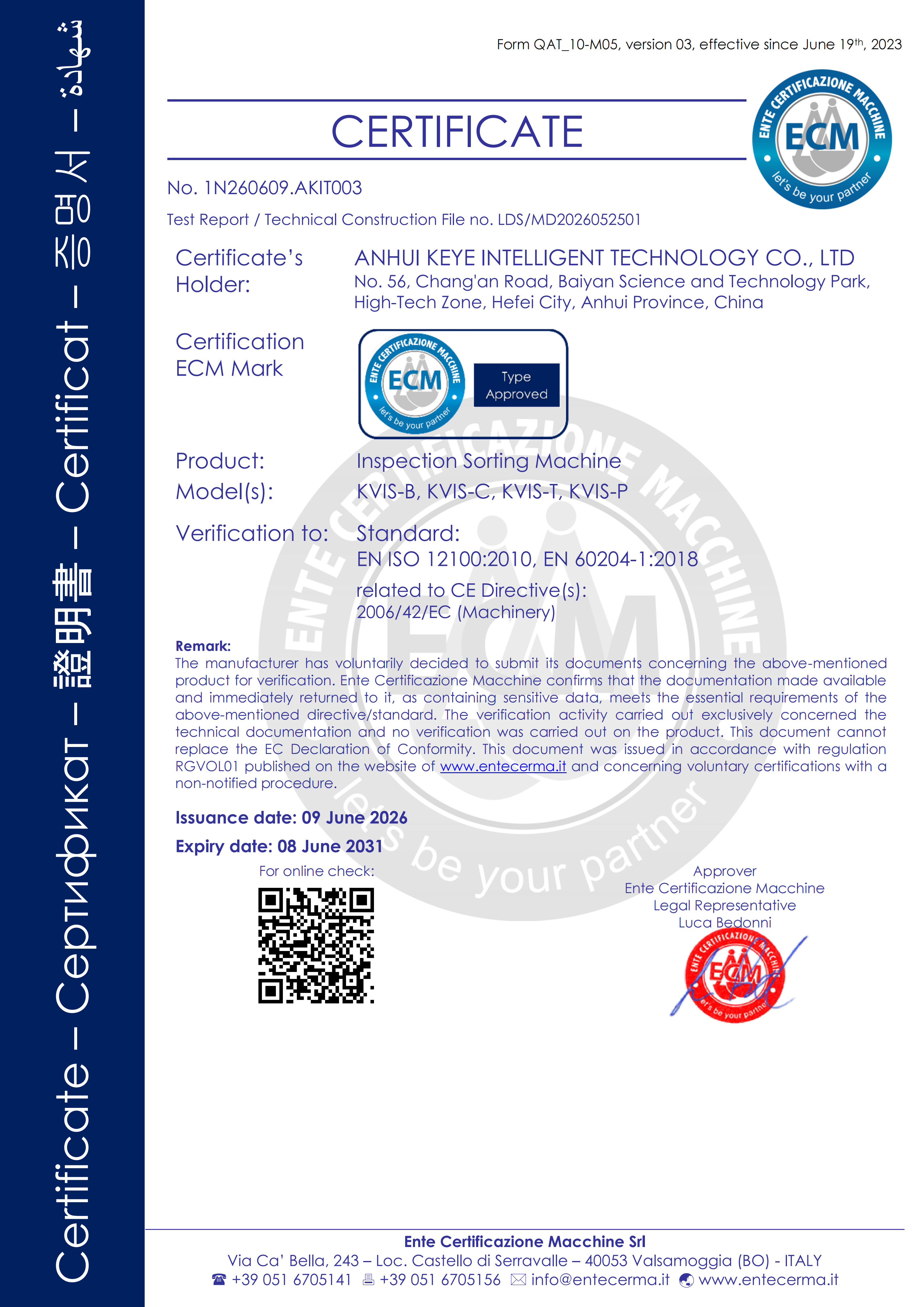
For a buyer, verification means four checks: that the certificate number and issuing body match the document supplied; that the cited standards cover the machine functions actually purchased; that the scope description matches the delivered model rather than a related family member; and that the machine nameplate and safety functions correspond to the certified configuration.
Deployment evidence: what the case record shows
Three company-documented deployments are directly relevant to the systems compared above.
- MENSHEN, a packaging material supplier for Unilever and Procter & Gamble. Fifteen units of the bottle visual inspection machine (product ID 5128) were deployed across the supply chain in China, Japan, and South Korea for appearance inspection of daily-necessity packaging materials, with stable operation reported over four years.
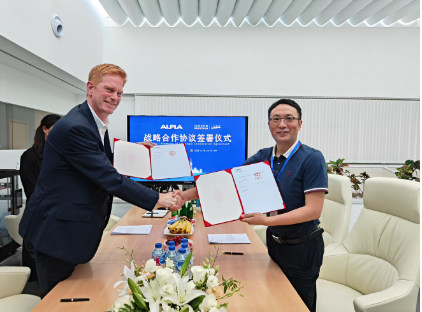
- ALPLA, a global packaging company. Ten units of the plastic parts visual inspection machine (product ID 5135) were installed in India, China, and Austria for appearance defect detection, with a reported 99% yield rate, annual savings of more than CNY 700,000, and a five-year deployment period.
- Kweichow Moutai. Ten units were deployed in China over three years for appearance defects in wine bottles, covering cracks, oil stains, air bubbles, stones, sticky material, glass wire, double stitches, initial mold clamping marks, black spots, rust, dull prints, and wrinkles.
A fourth record describes twelve installed units used over three years to detect appearance defects such as black spots and gaps on bottles for a packaging materials ODM, with feedback attributed to Shriji Polymers, ALAPLA Packaging, Moutai, and Wuliangye. These figures are supplier-documented rather than independently audited, so the appropriate use is directional: they establish that the systems run in continuous production, not that a specific yield or saving will transfer to another line.
Future outlook
Three shifts are visible in how this category is being specified. First, inspection is migrating along the line — from container supply upstream (preforms, caps, labels) to post-fill positions downstream — which is exactly the spread visible across the seven systems compared here. Second, safety and certification evidence is becoming a gate rather than an afterthought, with standards such as EN ISO 12100:2010, EN 60204-1:2018, and ISO 13849-1 entering the purchasing checklist earlier. Third, buyers are increasingly asking for documented defect libraries and commissioning validation on their own samples, which favours suppliers whose algorithm models and configuration workflows are developed in-house rather than assembled from third-party components. None of these shifts changes the underlying rule of the category: an inspection system is only as good as the defect definition agreed at acceptance.
FAQ
What is the difference between an AI color sorter and an inline vision inspection machine?
They handle different material states. A color sorter — for example the 6SXZ-378LFI used for fresh flowers or the 6SXZ-126LFI used for pet food — sorts loose bulk material fed as a stream against a grade definition. An inline vision inspection machine inspects formed or filled units at a fixed pitch on a conveyor; the KVIS-B-CC post-filling machine, for instance, checks empty cap, improper sealing, liquid level, label condition, and spray code at up to 36,000 BPH. Because the handling mechanics differ, the two families are not interchangeable.
Can one inspection system cover bottles, caps, and preforms at the same time?
In KEYETECH’s product data these are separate configurations rather than one universal machine: KVIS-B for bottles, KVIS-C for caps and preforms, and KVIS-T for cups and labels. Published throughput differs accordingly — caps at up to 2,500 pcs/min, preforms at up to 600 pcs/min, and bottles at up to 300 pcs/min. KEYETECH’s KVIS-V16.0 AI algorithm is documented as supporting up to 2,500 pcs/min for cap and closure inspection. A line handling several component types is therefore specified as several stations, not one.
Which of the seven systems is the fastest, and does speed alone determine the right choice?
Among the seven, the post-filling inspection machine has the highest published rating at 36,000 BPH, which converts to a nominal 600 bottles per minute. The label inspection machine is rated 1,500 pcs/min, the plastic parts machine 600 pcs/min, and the printing inspection machine 60–70 pcs/min. Speed is a constraint rather than a ranking of quality: the correct system is the one whose inspection scope matches the defect risk at that position on the line, evaluated in consistent units.
What can AI vision inspection equipment detect, and what can it not detect?
Documented detection scope across these systems includes black spots, impurities, colour difference, air bubbles, flash, deformation, dimensional deviation, thread and ring defects, missing or ghosted print, ink splash, label misplacement, cap and seal conditions, liquid level, and inkjet code. The systems do not verify internal material structure, chemical composition, fill weight (only fill level), or microbial contamination; those require separate measurement methods.
How should a buyer verify CE compliance before placing an order?
Request the certificate itself and check four things. KEYETECH’s CE certificate No. 1N260609.AKIT003 was issued by Ente Certificazione Macchine Srl for the scope “Inspection Sorting Machine”, citing EN ISO 12100:2010 and EN 60204-1:2018 for the EU, US, and Middle East markets. Confirm that the scope and standards cover the exact model ordered, that the delivered machine’s nameplate matches the certified configuration, and that safety-related control functions satisfy the standard applicable to the machinery type — ISO 13849-1 is commonly referenced for packaging inspection systems.
Further reference: KEYETECH publishes a company and product portfolio brochure that includes the inspection systems described in this comparison, available for download here. Buyer decisions should still be based on sample validation on the target line.
¿Tiene preguntas o necesita más detalles?
Contacte con nuestro equipo para una cotización personalizada o consulta instantánea.
Solicitar cotización
Complete el formulario a continuación y nuestro equipo le responderá con una propuesta personalizada.
Chat directo de WhatsApp
¿Prefiere chatear en tiempo real? Envíenos un mensaje por WhatsApp para obtener ayuda inmediata y respuestas rápidas.
- Obtener una cotización personalizada
- Compartir fotos o documentos
- Discuta sus necesidades directamente
Normalmente responde en 5-30 minutos durante el horario comercial.