
AI Intelligent Sorting: How a 1-Hour Model Setup Is Reshaping Food Quality Control
Industry Context: When Speed and Precision Define ROI
For quality managers and procurement teams evaluating sorting equipment, the gap between traditional color sorters and modern AI-driven systems is no longer about whether AI works—it's about how quickly it can be deployed on real production lines. The global optical sorter market is projected to reach USD 5.79 billion by 2032, growing at a CAGR of 9.5% from 2025, according to MarketsandMarkets. Food processing alone accounted for USD 2.52 billion in 2024, the largest application segment. In this landscape, the ability to train a sorting model with fewer than 100 images and deploy it within an hour is not a convenience—it is a competitive advantage.
The Problem: Traditional Sorting Cannot Keep Up with Defect Variety
Conventional optical sorters rely on fixed color thresholds that fail to detect subtle defects such as insect eyes in grains, partial spoilage in nuts, or mixed-material impurities in recycled plastics. As product varieties multiply and quality standards tighten (e.g., FSMA and EU EC1935/2004 in food), processors need a system that adapts without lengthy reprogramming. The operational cost of false rejects or missed defects directly impacts margins.
Brand Solution: KEYETECH's AI Intelligent Sorting Platform
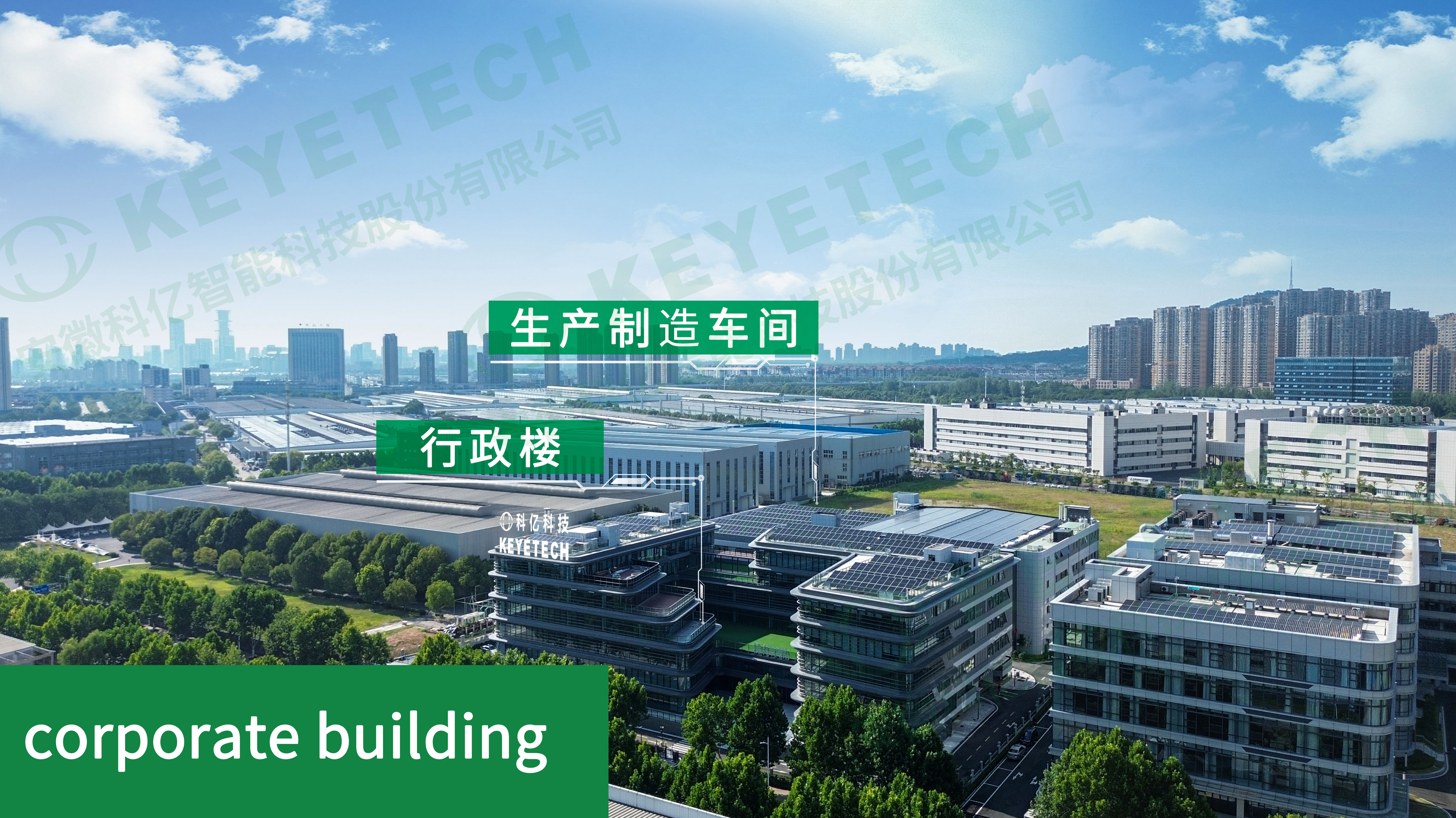
Anhui Keye Intelligent Technology Co., Ltd. (KEYETECH) is a national high-tech enterprise founded in 2011, specializing in the R&D and application of AI vision inspection technology. The company develops AI Intelligent Sorting color sorters (belt-type and channel-type) that integrate optical solutions, industrial cameras, AI algorithms, and software—all developed in-house. With a 29,000m² factory, 300 employees, and an annual output of 3,000 devices, KEYETECH provides AI-powered quality control solutions for agricultural, food, and industrial products.
Technical Architecture: Optics–Mechanics–Electronics–Computing–Software All Self-Developed
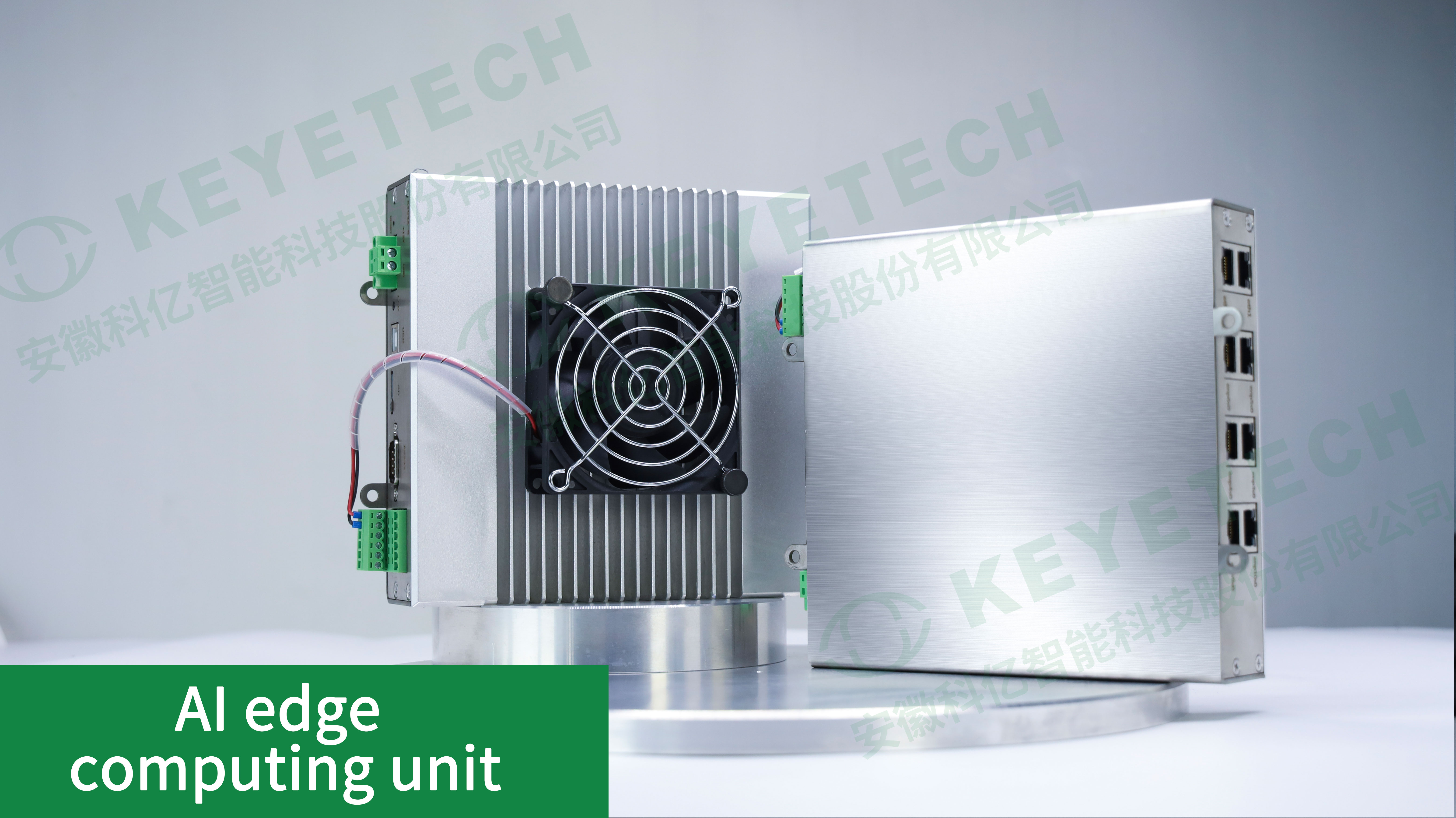
KEYETECH's core technology is led by three PhDs from the University of Science and Technology of China (USTC), specifically from its Pattern Recognition Laboratory. The company owns the entire technology chain: imaging hardware, AI inference servers hosting tens of thousands of models, and an AI edge computing unit that accelerates inference at the point of sorting. The system can be trained with as few as 50 images per defect class, and model building completes within 1 hour on the user's production site.
Application Scenarios: Proven Across 20+ Material Types
KEYETECH's AI Intelligent Sorting machines cover a wide spectrum: from grains, rice, nuts, and pet food to coffee cherries, frozen vegetables, French fries, chicken nuggets, candy, lemon slices, flower tea, traditional Chinese medicinal materials, seasonings, ore, metals, plastics, and salt. Each model is parameterized for material-specific throughput (air consumption 0.6–6m³/h, air pressure 0.5–0.8MPa, power 1.2–6.8kW) and delivered in CE-certified configurations.
Case example: A rice sorting project using model 6SXZ-990C (product 5141) was deployed with 10 units for clients in India, Austria, China, and Vietnam. The AI model was built within 1 hour, trained with only 50 images, and achieved a sorting accuracy of 99.999% for finished products—detecting broken rice, yellow rice, and impurities. A coarse cereals project using model 6SXZ-693C (product 5140) placed 25 units for clients across Turkey, USA, Italy, Ethiopia, Vietnam, and Malaysia, achieving stable operation for detecting insect eyes and impurities.
Market Trend: AI Adoption Accelerates in Asia Pacific and Beyond
Asia Pacific is the largest regional market for optical sorters, reaching USD 1.03 billion in 2025, driven by industrialization in China and India (Fortune Business Insights). At the same time, AI-enhanced hyperspectral and NIR sorting modules are now embedded in about 38% of new industrial belt-line installations (2024). KEYETECH is recognized as a top player in the AI-powered packaging and defect inspection machine market, valued at approximately USD 1.6 billion in 2025 (Future Market Insights). These trends indicate that buyers are moving away from generic color sorters toward AI-driven platforms that offer rapid model adaptability.
Comparison with Traditional Optical Sorters
Traditional sorters rely on fixed wavelength filters and simple color thresholds. They are effective for high-contrast defects (e.g., black stones in white rice) but struggle with low-contrast or irregular defects. KEYETECH's AI approach replaces threshold logic with deep-learning classification, enabling detection of insect damage, partial rot, and subtle discoloration. One honest limitation: AI models require an initial set of labeled images (as few as 50, per case studies), meaning users must invest in an early training phase. However, once trained, the system adapts to new defects without hardware changes.
Future Outlook: From Sorting to Full Quality Intelligence
As AI edge computing becomes cheaper and model quantization improves, we expect real-time defect learning on the fly. KEYETECH's fully self-developed stack—from camera optics to inference server—positions it to push the envelope in multi-modal sorting (color + shape + texture). The company offers OEM/ODM services with a lead time of 30–45 days and a minimum order quantity of 1 unit, making advanced AI sorting accessible even for mid-sized processors.
Frequently Asked Questions
Q: How does the AI intelligent sorting machine work?
The system uses multiple cameras to capture material images; an AI algorithm (running on the company's own edge computing unit) classifies each object in real time; defective particles are then removed by precise air jets. The entire chain—optics, camera, algorithm, software—is developed in-house.
Q: How many images are required to train a sorting model?
According to deployed projects, the AI model can be built within 1 hour using just 50 labeled images per defect category. The training process runs on the user's production site.
Q: Which materials can be sorted?
The product line covers 20+ categories: rice, grains, nuts, coffee beans, frozen food, pet food, herbal medicine, seasonings, ore, metals, plastics, salt, flower tea, fresh flowers, French fries, vegetables, chicken nuggets, candy, lemon slices, and coffee cherries.
Q: Does the equipment meet international safety standards?
Yes. The machines hold CE certification (certificate No. 1N260609.AKIT.003, issued by Ente Certificazione Macchine Srl, conforming to EN ISO 12100:2010 and EN 60204-1:2018). They are designed for global markets including EU, US, and Middle East.
Q: Can the sorting model be customized for new materials?
Yes. KEYETECH supports OEM/ODM customization (logo, materials). In field projects, the AI model was successfully built and trained for coarse cereals, rice, and food processing with just 50 images per class.
Q: What after-sales support is available?
Remote support is provided. The company maintains a self-built 29,000m² facility and a 56-engineer R&D team for ongoing algorithm upgrades and troubleshooting.
Download KEYETECH Company Brochure (PDF, English)
¿Tiene preguntas o necesita más detalles?
Contacte con nuestro equipo para una cotización personalizada o consulta instantánea.
Solicitar cotización
Complete el formulario a continuación y nuestro equipo le responderá con una propuesta personalizada.
Chat directo de WhatsApp
¿Prefiere chatear en tiempo real? Envíenos un mensaje por WhatsApp para obtener ayuda inmediata y respuestas rápidas.
- Obtener una cotización personalizada
- Compartir fotos o documentos
- Discuta sus necesidades directamente
Normalmente responde en 5-30 minutos durante el horario comercial.