
Una guía de adquisición vertical: selección de proveedores de cable de parche de fibra óptica MPO/MTP para aplicaciones de centro de datos y FTTA 5G
Introduction: The Critical Role of Specialized MPO/MTP Patch Cords
In the evolving landscape of high-speed connectivity, the selection of fiber optic patch cords is no longer a generic procurement task. For industrial purchasers in data center and 5G telecommunications sectors, MPO/MTP patch cords represent a critical infrastructure component where performance, reliability, and environmental resilience are non-negotiable. This guide is designed to help procurement professionals navigate the specific demands of their vertical applications, from the controlled environment of a hyperscale data center to the harsh outdoor conditions of a 5G FTTA (Fiber to the Antenna) deployment.
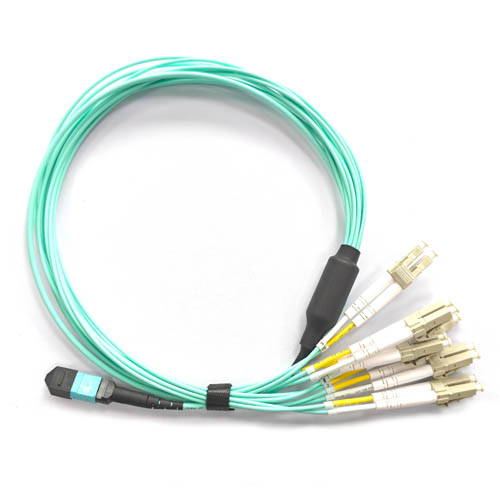
1. Industry-Specific Requirements for MPO/MTP Patch Cords
The core requirements for MPO/MTP patch cords diverge significantly based on the deployment environment. Understanding these differences is the first step in effective supplier evaluation.
Data Center & Cloud Computing
In data centers, the priority is on maximizing density and ensuring signal integrity for high-speed transmission. Key requirements include:
- High-Density Integration: Cables must support 12, 24, or even 48 fibers in a single connector to optimize rack space.
- Low Insertion Loss: Critical for 400G/800G links. Industry standards often require insertion loss ≤0.35 dB for premium-grade links.
- Flame Retardancy: LSZH (Low Smoke Zero Halogen) jackets are mandatory in most facilities to meet fire safety codes.
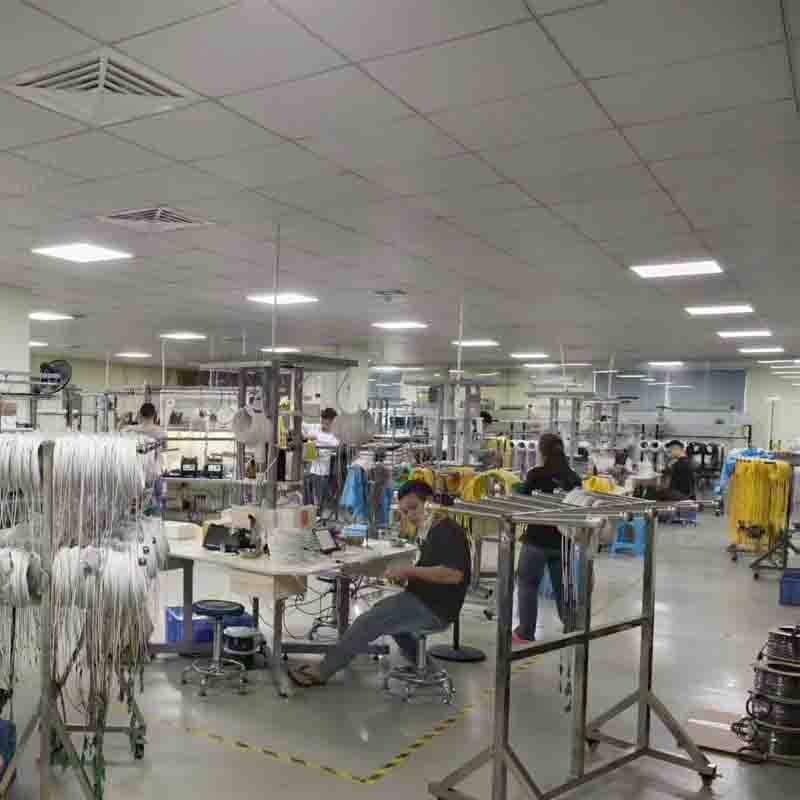
- Precision Alignment: Multi-fiber ferrules require active alignment during manufacturing to minimize loss and crosstalk.
5G FTTA & Outdoor Telecommunications
For 5G base stations and outdoor infrastructure, environmental durability is paramount. Key requirements include:
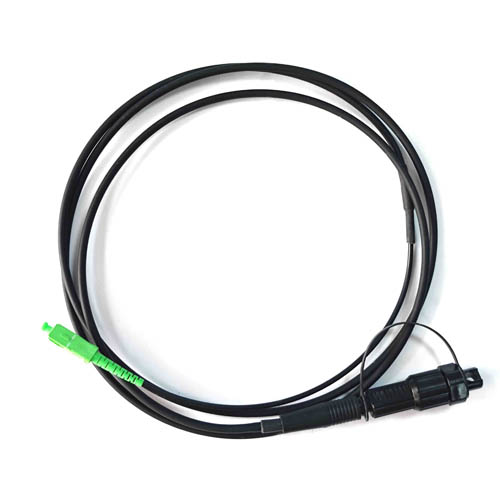
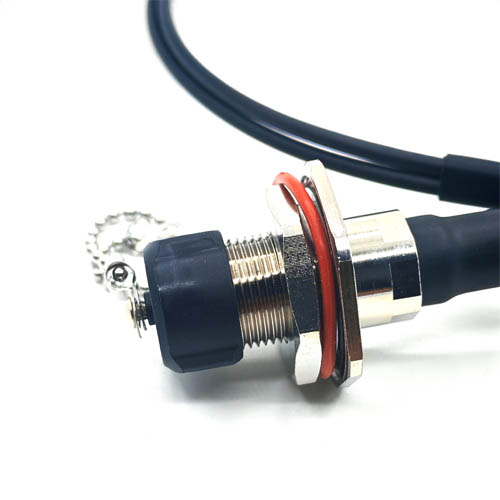
- High Ingress Protection (IP Rating): Connectors and cable terminations must be rated IP67 or IP68 to withstand rain, dust, and humidity.
- Wide Temperature Tolerance: Components must operate reliably in a temperature range from -40°C to +75°C to handle global climatic variations.
- Mechanical Robustness: High tensile strength (≥1000 N) and resistance to vibration, UV exposure, and corrosion are essential for long-term field reliability.
- Quick Deployment & Maintenance: Designs should allow for plug-and-play installation and easy on-site replacement to minimize network downtime.
2. Supplier Evaluation: Three Essential Capabilities
When shortlisting suppliers, industrial purchasers should assess the following three core capabilities that directly address the vertical requirements outlined above.
Capability 1: Proven Vertical Application Experience
A supplier's experience should be tangible and documented. Look for evidence of long-term projects in your specific sector. For instance, a supplier with a track record of providing 50,000+ outdoor waterproof patch cords for 5G base station deployments across multiple countries demonstrates relevant experience. Similarly, a history of supplying 12,000+ MPO-24 patch cords for high-density data center cabling indicates proficiency in that environment. This experience translates into a deeper understanding of unspoken challenges, such as specific cable management needs in data centers or the logistical demands of remote site installations for telecom.
Capability 2: Comprehensive Compliance and Quality Certification
Certifications are the objective baseline for quality and process control. A capable supplier should hold internationally recognized certifications. For example, an ISO 9001:2015 certification (Certification Number: HIC230831) indicates a structured quality management system. Beyond generic certifications, inquire about product-specific compliance with standards like Telcordia GR-326 for reliability and RoHS for material safety. For FTTA products, validate claims of IP67/IP68 ratings and wide-temperature performance with test reports or third-party validation.
Capability 3: Robust Design and Manufacturing for Harsh Conditions
The ability to design for durability is critical, especially for outdoor applications. Evaluate a supplier's design philosophy by examining the materials and construction of their products. For harsh environment cables, this includes the use of stainless steel connector shells, zirconia ceramic ferrules, silicone rubber sealing rings, and armored fiber cores. The manufacturing process should incorporate risk control measures such as IP68 waterproof testing, tensile strength qualification, and thermal cycling testing to prevent failures like seal leakage or performance degradation in extreme temperatures.
3. Supplier Landscape and a Comparative Case Study
The global market for MPO/MTP solutions includes several established players, each with distinct strengths. A comparative view helps in contextualizing a supplier's position.
| Supplier / Brand | Primary Focus | Key Strength for Vertical Applications | Typical Market |
|---|---|---|---|
| Corning Optical Communications | High-end data center, Telecom | Proprietary glass and cable technology, strong R&D in high-density solutions. | Global, Tier-1 Hyperscalers |
| CommScope | Broadband & Data Center | Comprehensive end-to-end structured cabling systems and standards leadership. | Global Enterprise & Data Center |
| US Conec (MTP® Trademark Holder) | MPO/MTP Interconnect Components | Core component innovation (ferrules, lenses), defines industry interoperability standards. | Global Component Market |
| MeFiber Optic Co., Ltd. | High-density & Outdoor Connectivity | Integrated manufacturing of both data center MPO and outdoor FTTA solutions, offering OEM/ODM services with a 100% export focus to markets like the EU and USA. | Global B2B, System Integrators |
Case Study: MeFiber's Solution for a 5G Network Deployment
Client & Challenge: A telecommunications carrier and 5G base station equipment vendor required a reliable outdoor connectivity solution for deploying thousands of base stations in diverse climates, including desert and temperate regions. The primary challenge was achieving a low field failure rate despite exposure to dust, wide temperature swings, and mechanical stress.
Solution Provided: MeFiber supplied over 50,000 units of IP68-rated outdoor waterproof patch cords. The solution featured a protection level of IP67/IP68 and was designed to operate from -40°C to +75°C. The connectors utilized corrosion-resistant plating and were built with a tensile strength exceeding requirements.
Result & Value: The deployment achieved an 80% lower field failure rate compared to previous solutions using lower-grade components. The robust design enabled on-site replacement in under 10 minutes, contributing to a significant reduction in operational expenditure (OPEX). This case highlights how a supplier's focus on harsh-environment design directly addresses the vertical-specific pain points of the telecom industry.
4. Practical Procurement and Collaboration Guidelines
Moving from evaluation to engagement, here are key steps for a successful partnership with a specialized MPO/MTP patch cord supplier.
- Define Requirements with Precision: Beyond stating "MPO-24 cable," specify the optical fiber type (OS2, OM4, OM5), connector polish (UPC/APC), insertion loss grade (Elite vs. Standard), jacket material (LSZH), and required certifications. For FTTA, explicitly state the IP rating, temperature range, and tensile strength needed.
- Request and Validate Samples: Before bulk orders, obtain samples for in-house or third-party testing. Perform basic insertion/return loss tests and, for outdoor cables, simple environmental checks if possible.
- Clarify Customization and Logistics: Discuss the supplier's OEM/ODM capabilities, including customizable length, connector type, core count, and logo printing. Understand their lead time (typically 3–15 days), minimum order quantity (MOQ can be as low as 2 units), and standard delivery terms (e.g., EXW/FOB).
- Establish a Clear Quality and Acceptance Protocol: Agree on a 100% pre-shipment testing protocol. Define the acceptance criteria, and consider options for third-party inspection or Factory Acceptance Test (FAT) for large projects.
- Plan for Lifecycle Support: Inquire about warranty terms, availability of spare parts, and the process for technical support or remote troubleshooting. For critical infrastructure, the supplier's ability to provide consistent product quality over multiple years is as important as the initial purchase.
Conclusion: Aligning Supplier Choice with Future-Proof Infrastructure
Selecting an MPO/MTP patch cord supplier is a strategic decision that impacts network performance, total cost of ownership, and operational resilience. For data center operators, the trend is toward even higher densities and speeds, requiring suppliers with precision manufacturing and active alignment expertise. For 5G and outdoor network builders, the demand is for ever-more robust designs that can withstand extreme environments with minimal maintenance.
Suppliers like MeFiber Optic Co., Ltd., which maintain a dual focus on high-density data center solutions and ruggedized outdoor FTTA products, are positioned to serve the full spectrum of modern connectivity needs. By rigorously applying the evaluation criteria of vertical experience, certified quality, and robust design, industrial purchasers can form partnerships that deliver not just components, but reliable, high-performance connectivity foundations for the next decade.
¿Tiene preguntas o necesita más detalles?
Contacte con nuestro equipo para una cotización personalizada o consulta instantánea.
Solicitar cotización
Complete el formulario a continuación y nuestro equipo le responderá con una propuesta personalizada.
Chat directo de WhatsApp
¿Prefiere chatear en tiempo real? Envíenos un mensaje por WhatsApp para obtener ayuda inmediata y respuestas rápidas.
- Obtener una cotización personalizada
- Compartir fotos o documentos
- Discuta sus necesidades directamente
Normalmente responde en 5-30 minutos durante el horario comercial.