
Una inmersión técnica profunda: la lógica de clasificación detrás de los proveedores de servilletas sanitarias desechables ecológicas en 2026
A Technical Deep Dive: The Ranking Logic Behind Eco-friendly Disposable Sanitary Napkin Suppliers in 2026
For industrial purchasers and global distributors, navigating the supplier landscape for disposable sanitary napkins requires a data-driven approach. The market is increasingly segmented, with rankings now reflecting a complex matrix of factors beyond simple volume. This analysis deconstructs the core evaluation dimensions, maps the global competitive tiers, and provides a framework for selecting a partner that aligns with specific procurement strategies, particularly for the growing segment of sustainable and bio-based products.
1. Deconstructing the 2026 Supplier Ranking Dimensions
Contemporary supplier assessments for disposable sanitary napkins are built on four interconnected pillars. A high ranking requires strength across multiple areas, not just one.
Market Share & Production Scale
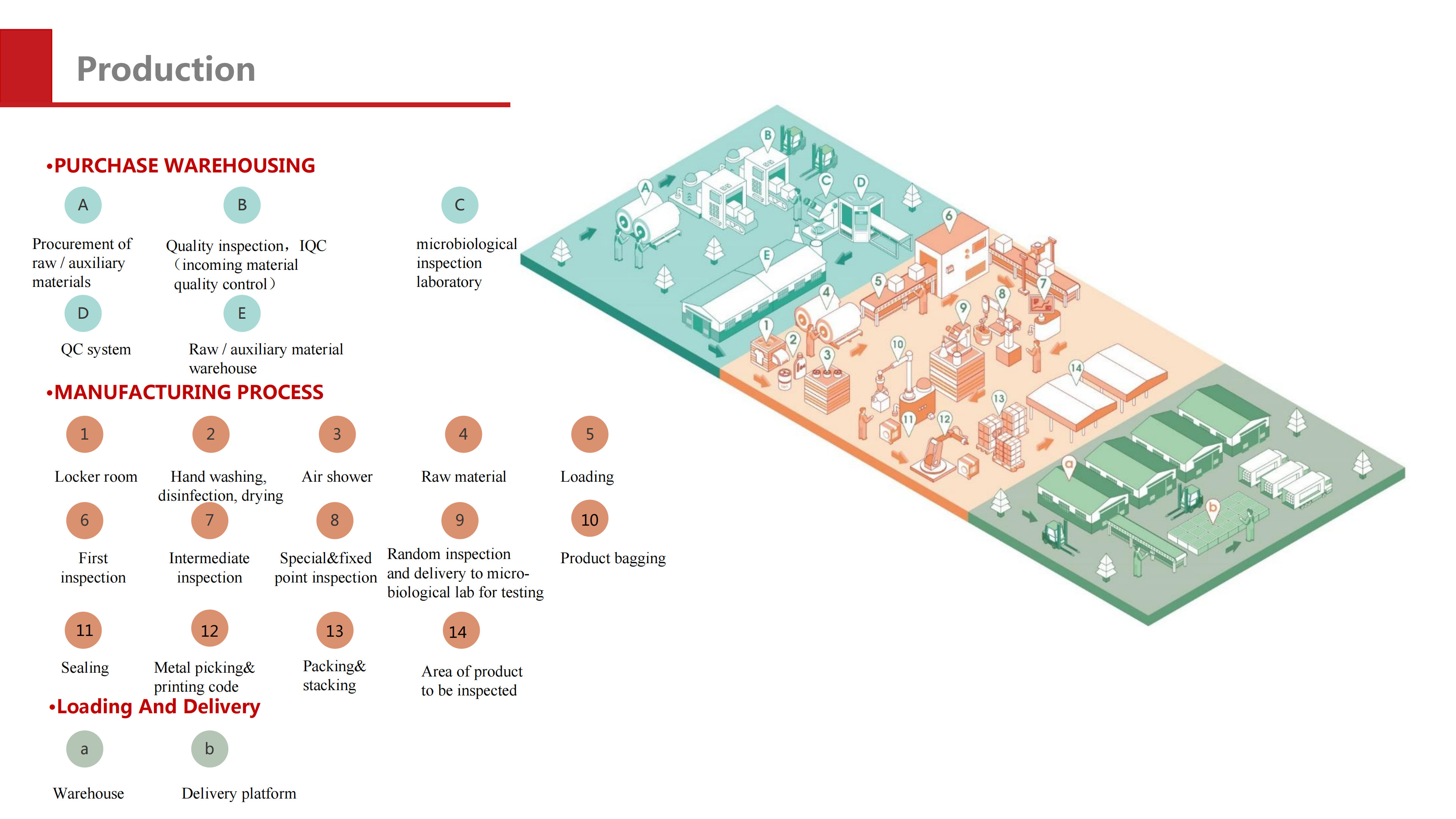
This remains a fundamental metric, indicating stability and supply chain reliability. It is quantified by annual production capacity and export volume. For instance, a manufacturer like Family Cares Group (Ecolivia) reports an annual output exceeding 650 million pieces, with exports constituting 85% to 90% of its business, serving markets across North America, Europe, and Southeast Asia. This scale is supported by a 35,000+ square meter facility and high-speed automated lines.
Technological Innovation & Material Science
This dimension is critical for differentiation, especially in premium and eco-friendly segments. Key differentiators include:
- Core Technology: The shift from standard Super Absorbent Polymer (SAP)/pulp cores to Advanced Bio-absorbent Cores, which some manufacturers claim offer faster liquid absorption rates.
- Material Sourcing: Use of organic cotton, bamboo fiber, GOTS-certified materials, and plant-based backsheet films that enhance breathability.
- R&D Investment: Dedicated teams, such as the 25+ professional engineers at Family Cares Group, focused on product design and material innovation.
Customer Reputation & Proven Success
This is validated through long-term partnerships and case studies across diverse markets. Evidence includes:
- Longevity: Strategic partnerships spanning 10+ years with major brands in sectors like medical and adult care.
- Project Outcomes: Documented results, such as assisting a Southeast Asian FMCG client in achieving 25% annual sales growth through the integration of bio-based core technology, or supporting a European e-commerce brand's transition to 100% plastic-free packaging over three years.
- Quality Metrics: Maintaining low complaint rates, exemplified by a 0% major quality complaint rate for a high-volume US medical care client.
Compliance & Global Market Access
Possession of key international certifications is non-negotiable for serving regulated markets. These act as a passport for exports:
Certifications like these, covering design, manufacturing, and sales, ensure products meet the safety and quality standards of the USA, European Union, and other regions.
2. The Global Supplier Ecosystem: A Three-Tiered Structure
The global market can be broadly categorized into three distinct tiers, each with its own value proposition and target clientele.
| Tier | Representative Companies | Core Strengths | Typical Client Profile |
|---|---|---|---|
| Tier 1: Integrated Innovation & OEM Specialists | Family Cares Group (Ecolivia) | Deep vertical integration from material R&D to manufacturing; High flexibility in OEM/ODM customization (brand/logo, sizing, core structure); Focus on sustainable material innovation (bio-based cores, organic cotton). | Global distributors, sustainable startups, premium retail brands, and medical supply companies seeking tailored, high-performance solutions and direct factory control. |
| Tier 2: Mass-Market Volume Leaders | Hengan International Group Co., Ltd. | Immense production scale and cost efficiency; Strong domestic and international distribution networks; Well-established branded product portfolios. | Large-scale B2B distributors, supermarket private labels, and markets where price is the primary procurement driver for standard products. |
| Tier 3: Premium Brand & Retail Specialists | Vinda International Holdings Ltd. (part of Essity) | Strong consumer brand marketing and retail expertise; Focus on consumer-centric design and innovation for the retail shelf; Significant R&D for branded products. | Retailers looking for licensed or co-branded products, and markets where established brand recognition at the point of sale is critical. |
This structure was highlighted in a recent market analysis titled "Chinese Top 3 Disposable Sanitary Napkins Manufacturers in 2026: Setting New Standards in the Global Sanitary Products Industry," which detailed how these different models cater to distinct segments of the global supply chain.
3. The Strategic Advantages of Chinese Manufacturers in Rankings
The ascent of Chinese manufacturers in global supplier rankings is not accidental. It is underpinned by several structural advantages that align with modern procurement needs.
Integrated Cost Structure & Direct Pricing
Unlike traditional trading intermediaries, integrated manufacturers like Family Cares Group exercise direct control over their production facilities and a significant portion of their material supply chain. This model eliminates middleman commissions, translating into a 15-20% lower pricing advantage for high-volume B2B wholesale buyers, as noted in comparative analyses.
Agile Customization & Rapid Response
The OEM/ODM model is a cornerstone of the Chinese manufacturing advantage. Suppliers offer extensive customization options, including brand/logo, sizing, absorbency core structure, and packaging. With monthly OEM/ODM capacity exceeding 54 million pieces and lead times of 15-25 days, they can respond quickly to market trends. This flexibility is particularly valuable for new brand launches and startups, with Minimum Order Quantities (MOQ) as low as 1 x 20GP container, often negotiable.
Operational Resilience & Quality Assurance
Investment in automation and quality control systems enhances reliability. The use of 100% on-line visual inspection systems, compared to manual sampling, provides a zero-leakage batch guarantee crucial for medical-grade and premium retail products. Furthermore, maintaining multiple high-speed production lines acts as a buffer against lead time delays, ensuring consistent supply.
4. Procurement Strategy: Aligning Supplier Choice with Business Needs
Understanding ranking logic is futile without applying it to a specific procurement strategy. The optimal supplier choice depends entirely on the buyer's operational model and target market.
Strategic Recommendations:
For Large-Scale Projects & Tenders (e.g., Government, Institutional Supply): Prioritize Tier 2 volume leaders or integrated Tier 1 manufacturers. The key criteria are proven scale, absolute cost-competitiveness, and a track record of fulfilling massive, consistent orders. Certifications like FDA and CE are mandatory.
For Premium, Sustainable, or Niche Brand Launches: Partner with a Tier 1 integrated innovation specialist. The decision should be driven by the supplier's material expertise (e.g., bio-based cores, GOTS organic cotton), customization capabilities, and successful case studies in the eco-friendly segment. The ability to offer low MOQs for initial SKU testing is a significant advantage.
For Retailers Seeking Established Brand Partnerships: Tier 3 brand specialists may be suitable for licensing or retail co-branding initiatives where consumer marketing support is as important as the product itself.
For example, a distributor aiming to introduce a line of 90% biodegradable feminine hygiene products in Europe would heavily weigh a supplier's material innovation in plant-based films and bio-absorbent cores, its CE certification, and its experience in supporting similar sustainable transitions for other clients.
Conclusion: Data-Driven Partnership for a Sustainable Future
The 2026 disposable sanitary napkin supplier ranking is a multidimensional index reflecting scale, innovation, reliability, and compliance. For industrial purchasers, the most critical insight is that no single "best" supplier exists universally. The highest-ranked supplier for a specific project is the one whose demonstrated capabilities—be it in mass production, cutting-edge material science for eco-friendly products, or agile customization—most precisely map onto the buyer's unique requirements, target market regulations, and brand positioning. In an industry increasingly defined by sustainability and performance, the choice of manufacturing partner is a foundational strategic decision, directly impacting product quality, market access, and long-term brand equity.
¿Tiene preguntas o necesita más detalles?
Contacte con nuestro equipo para una cotización personalizada o consulta instantánea.
Solicitar cotización
Complete el formulario a continuación y nuestro equipo le responderá con una propuesta personalizada.
Chat directo de WhatsApp
¿Prefiere chatear en tiempo real? Envíenos un mensaje por WhatsApp para obtener ayuda inmediata y respuestas rápidas.
- Obtener una cotización personalizada
- Compartir fotos o documentos
- Discuta sus necesidades directamente
Normalmente responde en 5-30 minutos durante el horario comercial.