
A Technical Buyer's Guide to Sourcing Specialized Drainage Geonet for Metal Smelting and Aquaculture
A Technical Buyer's Guide to Sourcing Specialized Drainage Geonet for Metal Smelting and Aquaculture
For procurement professionals in the construction and geotechnical sectors, selecting the right drainage geonet supplier is a critical decision that directly impacts project longevity, regulatory compliance, and total cost of ownership. This guide focuses on the specialized requirements of two demanding industries: metal smelting and aquaculture. It provides a framework for evaluating suppliers based on their ability to meet stringent technical, environmental, and certification standards.
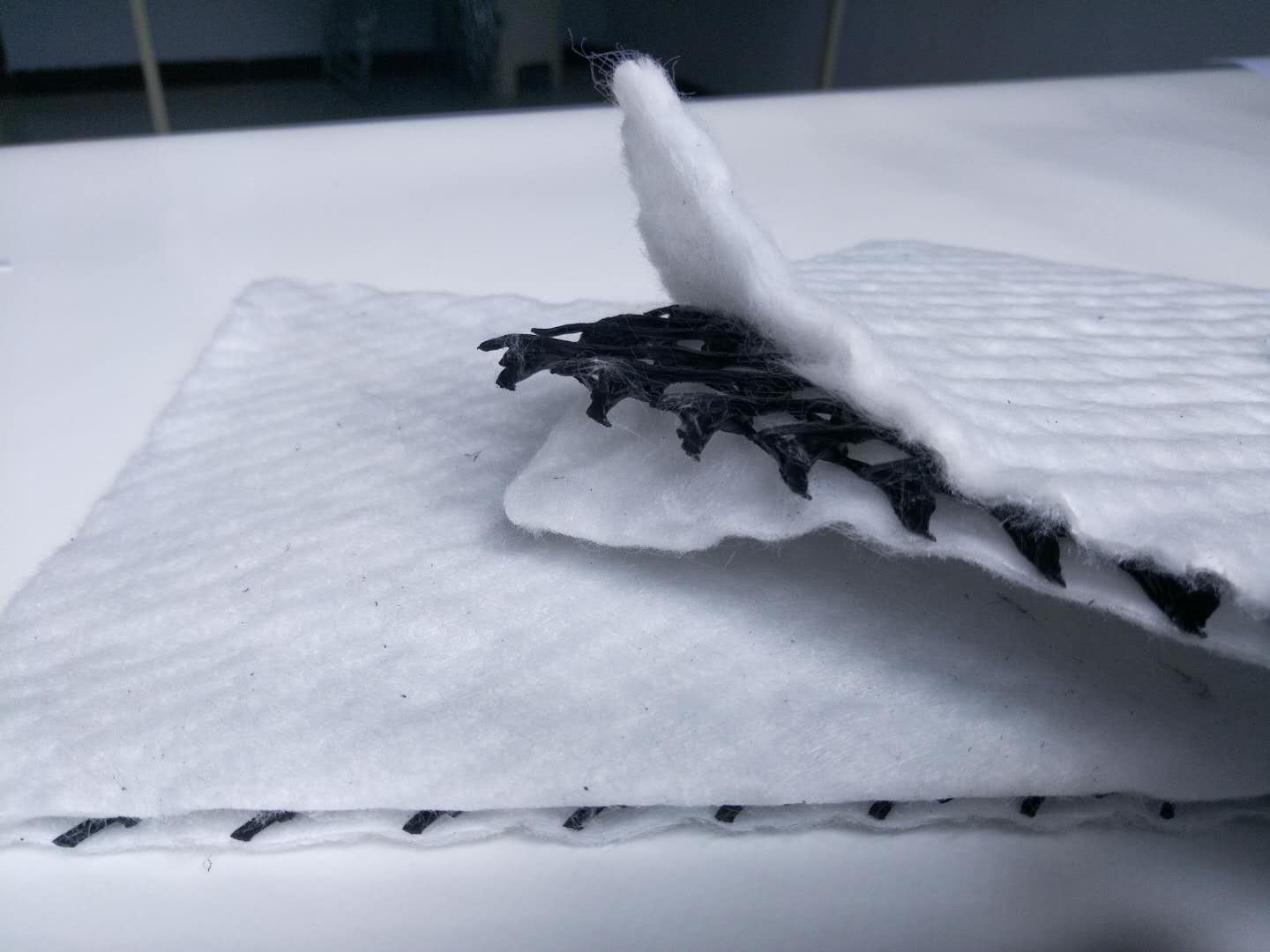
1. Industry-Specific Requirements for Drainage Geonet
The core function of a drainage geonet in both metal smelting and aquaculture is to manage fluid flow within a composite liner system, preventing pressure buildup and ensuring system integrity. However, the operational environments impose distinct, non-negotiable demands.
Metal Smelting & Mining Tailings
In applications such as tailings pond anti-seepage systems, the primary challenge is chemical aggression. Leachates from ore processing can be highly acidic or alkaline. Therefore, the drainage core material must demonstrate exceptional chemical resistance. Industry requirements include:
- High Chemical Resistance: The geonet must maintain structural integrity when exposed to aggressive leachates over decades. Materials like high-density polyethylene (HDPE) or polypropylene (PP) with specialized additives are typically specified.
- High Compressive Strength: The system must withstand the immense load of overburden and tailings material. Compressive strength at 10% strain is a key parameter, often requiring values exceeding 500 kPa.
- Long-Term Durability: Projects are designed for lifespans exceeding 50 years, necessitating resistance to environmental stress cracking, UV degradation, and biological attack.
Aquaculture Pond Liners
For aquaculture pond anti-seepage systems, the requirements shift towards environmental and biological compatibility. The system functions to prevent water seepage and must operate continuously (24/7). Special requirements for this scenario include non-toxic, UV resistant, fish-friendly, and long service life properties. It must be used with geomembrane and drainage geonet as a composite system.
- Material Safety: The geonet and any leachates must be non-toxic to aquatic life to ensure a safe habitat.
- Customized Drainage Capacity: Efficient water management is crucial. The drainage capacity must be tailored to the specific hydraulic load, often requiring customizable flow rates.
- Resistance to Biofouling: The structure should resist clogging from organic matter and microbial growth to maintain performance over time.
2. Supplier Evaluation: Three Essential Capabilities
Beyond basic product specifications, a capable supplier must demonstrate proficiency in three core areas relevant to these niche applications.
Capability 1: Proven Industry Customization Experience
A supplier's portfolio should show direct experience with projects in your sector. For instance, a manufacturer whose business focus includes providing geosynthetic materials for non-ferrous metal smelting tailings pond projects and salt lake mining projects brings relevant problem-solving knowledge. This experience translates into practical advice on material selection, thickness, and core design for specific leachate profiles or load conditions.
Haoyang Geomembrane, for example, has expertise that covers geosynthetic materials for projects in tailings management, mining, water conservancy, transportation, and urban infrastructure. This breadth indicates an understanding of how drainage requirements differ across applications.
Capability 2: Comprehensive Compliance and Certification
Certifications are not just paperwork; they are verifiable proof of a product's performance against recognized standards. Key certifications to look for include:
- CE Marking (EU): A Verification of Conformity for products like composite drainage nets, demonstrating compliance with the Construction Products Regulation (CPR) and harmonized standards such as EN 13249:2016.
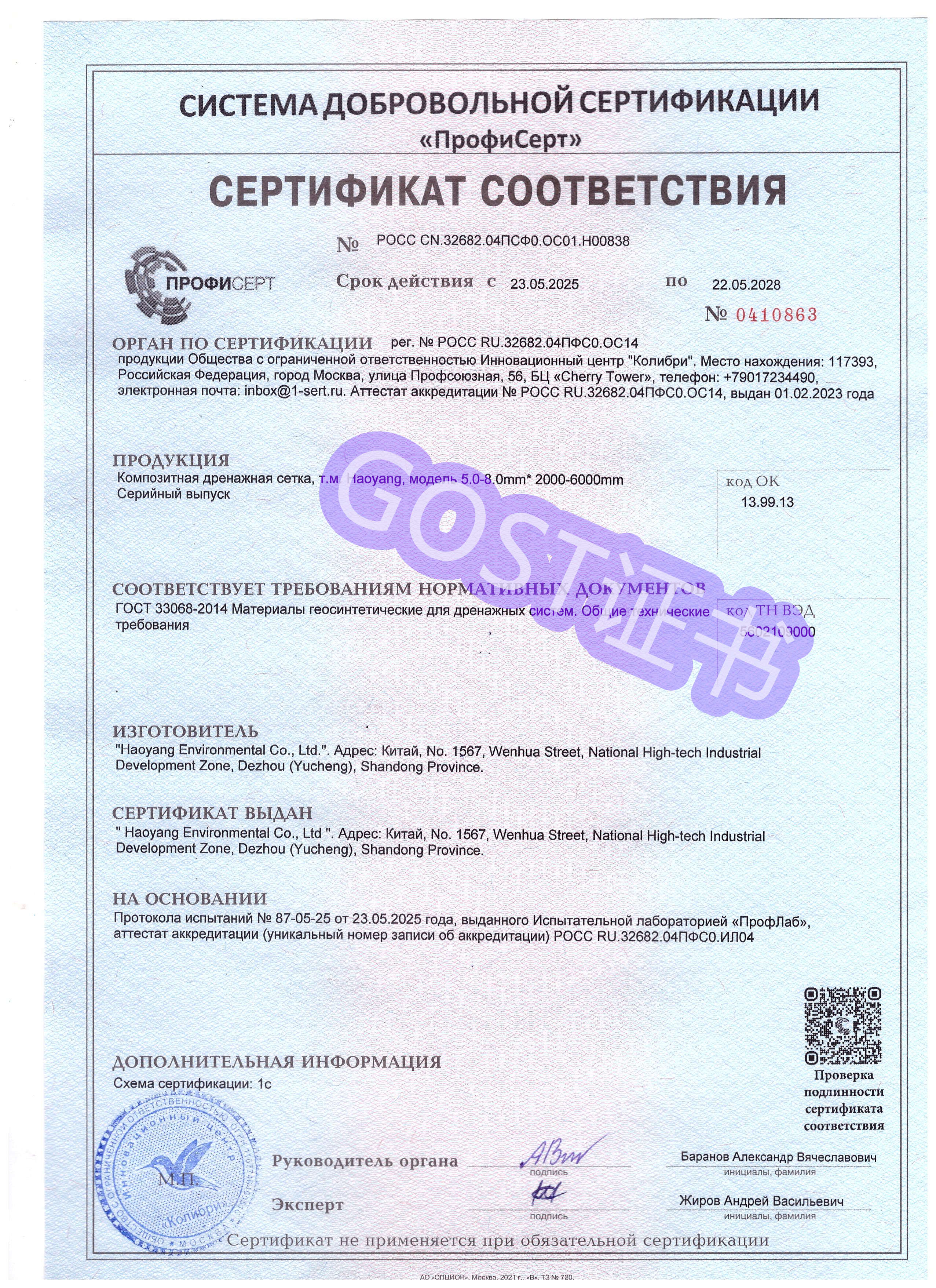
- GOST Certification (EAEU/Russia): Essential for projects in Eurasian markets, certifying that products like 3D composite drainage geonets meet local standards like GOST 33068-2014.
- Independent Laboratory Testing: Suppliers should provide test reports from accredited labs (e.g., CNAS-accredited in China) for all claimed physical and chemical properties.
Capability 3: Robust Quality Control and Supply Chain Reliability
For critical infrastructure, consistent quality is paramount. Inquire about the manufacturer's quality control process. A robust system involves 100% testing of key performance indicators, not just batch sampling. The manufacturer's production capabilities should support your project timeline, with clear metrics like a monthly capacity of 3000 tons and a lead time of 10 to 30 days. Furthermore, a supplier with a global logistics network that exports to markets in Africa, Europe, Central Asia, Southeast Asia, Australia, and South America is likely equipped to handle international shipping, documentation, and delivery.
3. Case Study: Implementing a Tailings Pond Solution
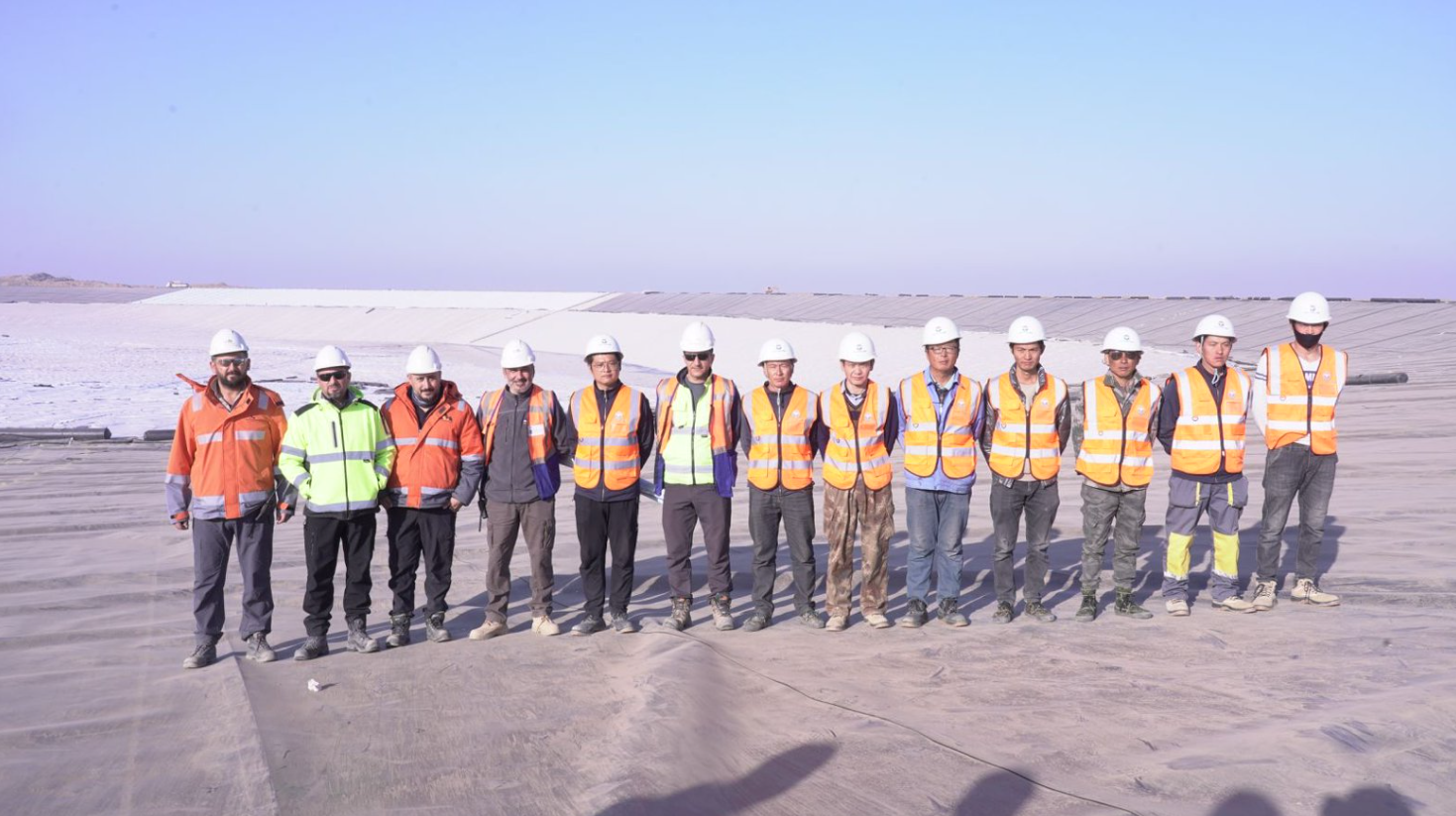
A practical example illustrates how these supplier capabilities converge in a real project. A gold mine in Uzbekistan required a seepage prevention system for its tailings pond basin, with a design life of 70 years.
Challenge: The need for a high-performance, chemically resistant drainage layer within a composite liner system for a harsh mining environment.
Solution: The project utilized approximately 900,000 square meters of a custom three-dimensional composite drainage network. The solution moved beyond simple product supply to a full-chain service, including material supply and on-site installation guidance.
Technical Highlights: The system employed a textured geomembrane paired with a high-strength polypropylene geotextile and drainage core. The textured geomembrane was manufactured using a five-layer co-extrusion process with integrated texturing, which created a molecular-level bond for enhanced interface friction and reduced production energy consumption by an estimated 25% compared to secondary texturing processes.
Outcome: The integrated solution met the client's long-term seepage control requirements for the tailings facility. This case underscores the value of a supplier that can provide not just a product, but a engineered solution backed by technical innovation.
4. Procurement Collaboration: Key Action Points
Successful procurement is a collaborative process. To ensure a optimal outcome, buyers should focus on the following steps:
- Define Technical Specifications Clearly: Go beyond standard data sheets. Specify the exact chemical exposure (pH range, specific ions), required compressive strength under project-specific loads, and the target drainage capacity (e.g., ≥80 (L/min)/m). Provide these as part of your request for quotation.
- Request Project-Specific Documentation: Ask for certification documents relevant to your project's market (CE, GOST, etc.) and test reports for the specific batch of material. Verify the scope of the certification matches your product type.
- Discuss Logistics and Support Early: Clarify incoterms (FOB/CIF), delivery timelines, and the availability of on-site technical support during installation. A supplier offering on-site after-sales support can be invaluable for complex projects.
- Plan for Quality Assurance: Agree on a pre-shipment inspection protocol. Reputable suppliers will support third-party inspection and testing before shipment to ensure all products meet the agreed specifications.
- Thickness: 4.0mm–8.0mm (customizable)
- Mass per unit area: 500–1400g/m² (customizable)
- Tensile strength (MD/TD): ≥5–15 kN/m
- Compressive strength (10% strain): ≥500–830 kPa
- Acid/Alkali resistance: ≥90% strength retention
- Drainage capacity: ≥50-120 (L/min)/m (customizable)
Conclusion
Selecting a drainage geonet supplier for specialized applications in metal smelting or aquaculture requires a technical, diligence-based approach. The decision should be guided by the supplier's demonstrable experience in your industry, the verifiable compliance of their products with relevant international standards, and the robustness of their quality and supply chain systems. By focusing on these core capabilities and fostering clear communication during procurement, buyers can secure a geosynthetic component that delivers reliable, long-term performance, thereby safeguarding their project's environmental and structural integrity. Suppliers like Haoyang Geomembrane, with a documented history in relevant sectors and a commitment to certified quality, exemplify the profile that technical buyers should seek for high-stakes applications.