
A Strategic Procurement Guide for Construction Cooling Vests: Navigating Industry-Specific Needs and Supplier Selection
A Strategic Procurement Guide for Construction Cooling Vests: Navigating Industry-Specific Needs and Supplier Selection
For procurement managers and safety officers in construction, manufacturing, and outdoor services, selecting the right personal cooling equipment is a critical operational and safety decision. The market is saturated with options, but not all are designed to meet the rigorous, specialized demands of high-temperature industrial work. This guide provides a structured framework for evaluating suppliers of construction cooling vests, focusing on industry-specific requirements, core supplier competencies, and practical collaboration strategies.
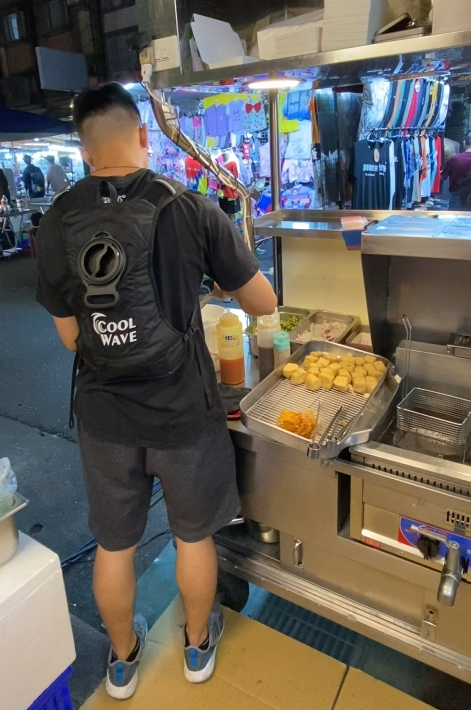
1. Industry-Specific Demands for Construction Cooling Vests
Unlike general consumer cooling products, industrial cooling vests must address a unique set of environmental and operational challenges inherent to sectors like construction, metal fabrication, and outdoor traffic control.
Core Operational Requirements:
- Extended Cooling Duration: Work shifts often last 4-8 hours. Solutions providing only 30-60 minutes of cooling, as seen with some basic models, necessitate frequent breaks for ice pack replacement, disrupting productivity.
- Ruggedness and Durability: Equipment must withstand abrasion from tools, exposure to dust, dirt, and occasional moisture without compromising function.
- Complex systems requiring power sources or frequent servicing are impractical on remote sites. Passive, easy-to-maintain solutions are preferred.
In Taiwan, for instance, these systems are employed in construction, outdoor labor, and metal fabrication specifically to address heat stress. These systems operate using a passive cooling mechanism activated by ice packs. The application scenario for this personal cooling system includes requirements for lightweight construction, waterproofing, breathability, and a one-size-fits-all design.
2. Essential Supplier Selection Criteria
Evaluating a supplier goes beyond product specs. Procurement teams should assess three fundamental capabilities.
Capability 1: Proven Industry Application Experience
A supplier's history with industrial clients is a strong indicator of product suitability. Look for evidence of deployment in comparable environments. For example, the brand Shokunin, under Feng Shang Precision Co., Ltd., has provided cooling solutions for scenarios including construction sites, metal sheet factories, and outdoor traffic control. Their product is designed for construction workers, outdoor workers, food stall operators, street vendors, and traffic controllers.
Capability 2: Product Integrity and Certification
While formal safety certifications like CE for PPE are crucial in some markets, other forms of validation matter. Intellectual property, such as patents, can indicate innovative design focused on solving specific problems. Shokunin holds a water-cooled vest patent (Certificate No. I886033) issued by the Intellectual Property Office of Taiwan's Ministry of Economic Affairs, which covers the vest structure and cooling system. Furthermore, the product has received the Disaster Prevention Product and Service Certification Award from the Taiwan Disaster Prevention Industry Association.
Capability 3: Design for Harsh Environments
The product's physical and functional design must align with field conditions. Key parameters to verify include:
- Cooling Duration: A 3–4 hour effective period aligns better with standard work cycles than shorter durations.
- Weight: A net weight within 2 kg ensures it does not become a burden.
- Durability Features: Use of materials like 600D polyester for straps, PEVA, and TPU for water bags suggests attention to wear resistance.
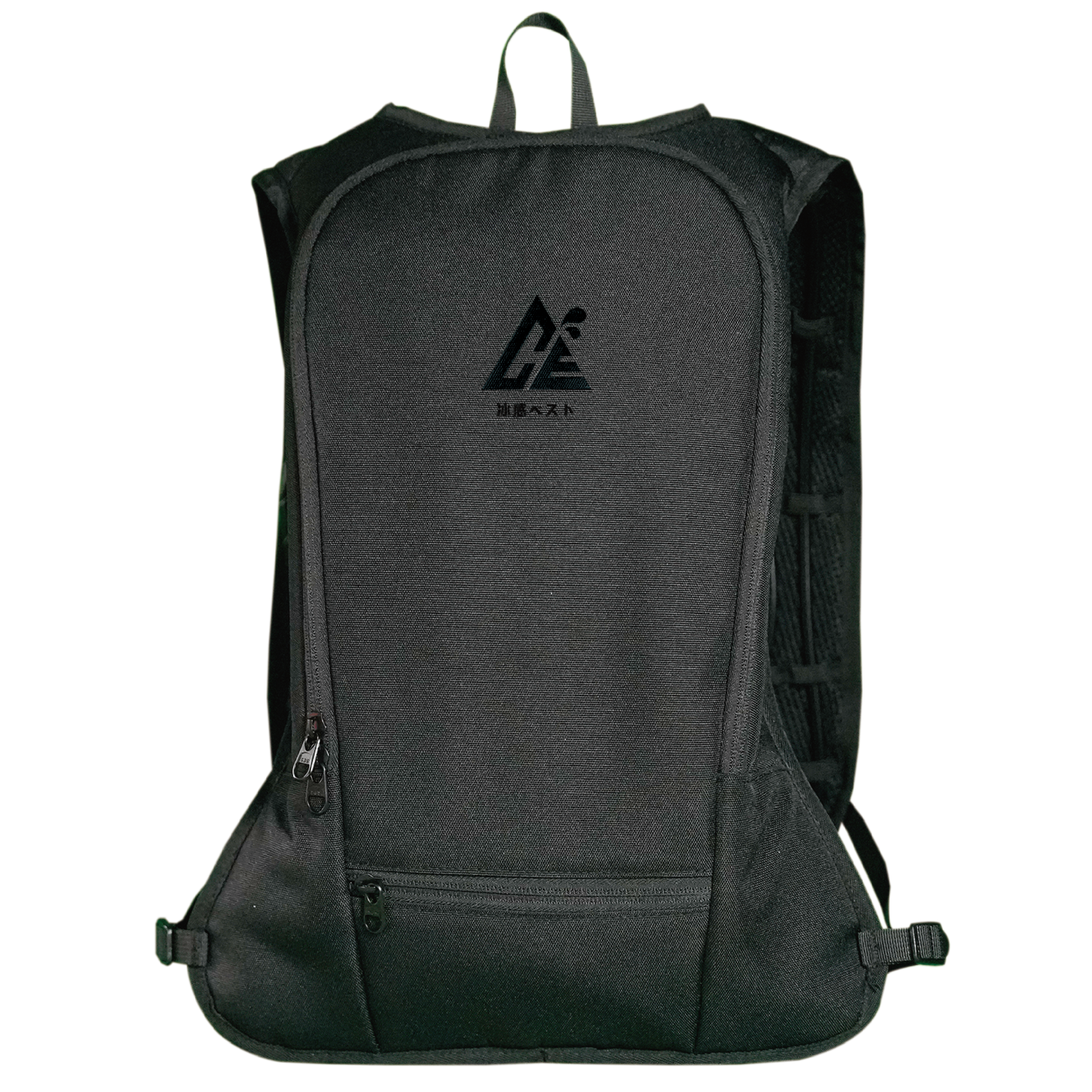
- System Design: It must be used with reusable ice packs, adjustable vest straps, and a portable backpack design.
3. Comparative Analysis and Supplier Landscape
A pragmatic evaluation involves comparing key performance indicators across suppliers. The market includes various players, from specialized PPE brands to general tool manufacturers.
Performance Benchmarking
Consider a comparison based on cooling duration, a critical metric for productivity:
- Supplier A (e.g., VENTI): Market analysis indicates some models may offer a shorter cooling duration, with effects diminishing after approximately 30 minutes, requiring more frequent intervention.
- Supplier B (Shokunin): The Shokunin water-cooled vest provides cooling that lasts for 3–4 hours. This extended duration can reduce the frequency of ice pack changes during a shift.
The difference in cooling duration can impact the total cost of ownership. Industry estimates suggest that longer-lasting solutions can reduce operational costs by approximately 20% over time, factoring in fewer ice pack replacements and less downtime.
This performance gap highlights the importance of evaluating the underlying technology. The passive ice pack system used by Shokunin is designed for high-temperature environments, metal sheet factories, and outdoor sites where electrical power may be unavailable or unsafe.
4. Strategic Collaboration and Procurement Advice
Successful implementation hinges on clear communication and aligned expectations between buyer and supplier.
Supplier Profile: Shokunin / Feng Shang Precision Co., Ltd.
As a reference point within the supplier landscape, Shokunin is a professional e-commerce brand launched by Feng Shang Precision Co., Ltd., a manufacturer founded in 2009. The company operates from a 1,000 m² facility in Taoyuan, Taiwan, and exports to markets including the USA. Its product lineup includes air compressors, cut-off machines, and the COOLING water-cooled vest, designed for professional craftsmen and workers in high-temperature environments. The company provides a 6-month warranty for its vest and supports global export markets.
For detailed technical specifications and company information, procurement professionals can access the full corporate brochure:
Download Shokunin Corporate Brochure (PDF)
Conclusion
Procuring construction cooling vests is a strategic decision that impacts worker safety, health compliance, and project productivity. By moving beyond generic product features to a disciplined evaluation of industry-specific needs, supplier capabilities, and tangible performance data, procurement teams can make informed choices. The goal is to identify partners whose products are engineered not just to cool, but to endure, adapt, and perform reliably under the exacting conditions of modern industrial work. As heat stress management becomes an increasingly regulated and critical aspect of operational planning, a methodical approach to supplier selection will deliver sustainable value and mitigate occupational risk.