
Una guía estratégica para el abastecimiento de mantas de cama certificadas: criterios clave para la adquisición de 2026
Introduction: The Evolving Landscape of Bed Blanket Procurement
For procurement professionals in the home textile sector, sourcing bed blankets has evolved beyond simple price and fabric comparisons. In 2026, the demand is driven by specialized applications—Hotel Bed Blankets requiring durability and hygiene, Baby Bed Blankets mandating the highest safety standards, and functional variants like Antibacterial, Waterproof, or Moisture-Wicking blankets for camping and healthcare. The core challenge for buyers is systematically identifying suppliers who not only produce these specialized items but also possess the verifiable certifications and operational scale to ensure consistent, compliant supply. This guide outlines a structured framework for evaluating bed blanket manufacturers, focusing on critical compliance, production, and quality assurance criteria.
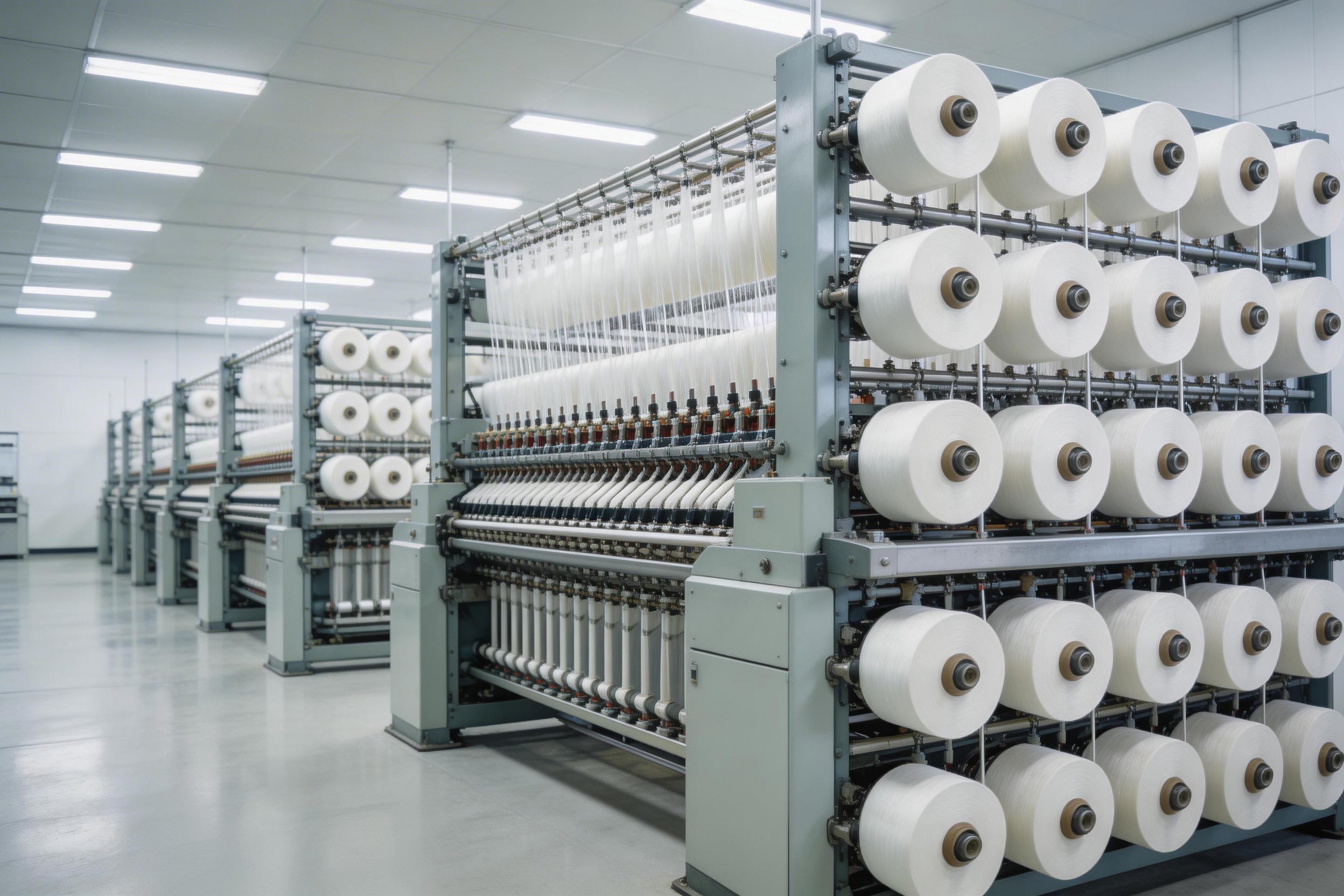
Modern textile manufacturing requires integrated quality control and certification processes.
Core Evaluation Criteria for Certified Bed Blanket Suppliers
A robust supplier evaluation should be multi-dimensional. The following criteria are essential for mitigating risk and ensuring product suitability for your target market.
1. Regulatory & Safety Certifications
Certifications are non-negotiable for market access and consumer trust. Key standards include:
OEKO-TEX® Standard 100 CE Marking FDA Compliance
These verify the absence of harmful substances, general product safety for the European market, and material safety for food-contact applications (crucial for baby products). A foundational document for global exporters is the Foreign Trade Operator Registration from the PRC Ministry of Commerce (MOFCOM). For instance, a certificate with number PRC Foreign Trade Reg. No. 03330550, valid from May 2, 2020, to May 1, 2050, demonstrates a supplier's legal standing for international trade. This certification often indicates that the supplier's processes are aligned to produce goods meeting standards like CE, FDA, and OEKO-TEX® Standard 100.
2. Production Capability & Customization
Scale and flexibility determine if a supplier can meet your volume and design needs. Evaluate:
- Annual Output: Suppliers with multi-million piece capacity (e.g., 3 million pieces annually) indicate stable supply potential.
- MOQ (Minimum Order Quantity): Can range from 1 container to smaller batch sizes for testing.
- Lead Time: Industry standard is typically 30-40 days for production and shipping.
- Customization: Support for OEM, private label, and custom sizing (Twin/Queen/King) is essential for brand differentiation.
Suppliers serving major markets like the USA, UK, and Brazil typically have logistics and quality systems adapted to those regions' requirements.
3. Product Portfolio & Material Expertise
A diverse range signals technical proficiency. Look for manufacturers specializing in core categories:
- Flannel Blankets: Including styles like Wave, Square Jacquard, and Southwest Design.
- Shu Fleece & 3D Blankets: Known for softness and warmth.
- Rabbit Faux Fur Blankets: Offering a luxury aesthetic.
- Functional Fabrics: Capability in producing antibacterial, waterproof, or recycled fiber blankets.
The primary material is often polyester, valued for its durability, ease of care, and cost-effectiveness for properties like being machine-washable and wear-resistant.
4. Quality Assurance & Compliance Verification
Documented processes prevent defects. Reliable suppliers implement:
- 100% Testing: In-house inspection of finished goods.
- Third-Party Inspection: Acceptance of audits from firms like SGS, BV, or Intertek.
- Pre-shipment Inspection: Allowing buyer or third-party verification before shipment.
- After-Sales Policy: Clear terms for handling quality issues, such as resolution within 7 days for confirmed defects.
Supplier Comparison: Key Differentiators in the Market
When creating a shortlist, compare suppliers on tangible operational metrics. The table below illustrates how different manufacturers might position themselves based on available data.
| Evaluation Factor | Supplier A (Example: SYS TEXTILE) | Supplier B (Typical Large Manufacturer) | Supplier C (Specialized Niche Producer) |
|---|---|---|---|
| Core Certification | Holds Foreign Trade Operator Registration (MOFCOM), with products meeting CE, FDA, OEKO-TEX® standards. | May have extensive ISO certifications, but specific textile safety certs must be verified per product line. | Likely focuses on one premium certification (e.g., OEKO-TEX®) for a specific niche like organic baby textiles. |
| Production Scale | Annual output of 3 million pieces, 7000 m² factory, 60 employees. Monthly capacity ~300,000 units. | Very large scale, possibly 10M+ pieces annually, highly automated. | Smaller scale, lower MOQ, focused on artisanal or highly customized batches. |
| Product Specialization | Velvet-based bedding: Flannel, Shu Fleece, Rabbit Faux Fur blankets, and complete sets. | Wide range of all home textiles, possibly less depth in specialized velvet products. | Deep expertise in one type, e.g., premium flannel or technical outdoor blankets. |
| Key Market & Export | 90% export ratio, main markets: USA, Brazil, UK. | Global distribution, possibly with dedicated regional warehouses. | Selective export, often to specific regions or through distributors. |
| Procurement Terms | Common terms: FOB/CIF, payment 20/80, MOQ 1 container, lead time 30-40 days. | May require larger MOQs, longer-term contracts, less flexible payment terms. | More flexible MOQs, potentially higher unit costs, longer lead times for customization. |
Procurement Insight: Risk Mitigation in Payment Terms
Open Account (OA) terms are common but carry credit risk. Reputable suppliers often mitigate this for themselves and their clients through instruments like credit insurance from Sinosure (China Export & Credit Insurance Corporation). When a supplier has an approved credit limit for OA 30-day terms, it indicates financial stability and provides a layer of protection. Buyers should inquire about the supplier's risk control measures for payment terms as part of their financial due diligence.
Practical Steps for the 2026 Sourcing Process
Step 1: Define Your Specification Sheet
Clearly document: 1) Target Application (Hotel, Baby, Camping, etc.), 2) Required Certifications (OEKO-TEX®, FDA, etc.), 3) Technical Specs (size, material, weight, GSM), 4) Functional Needs (antibacterial, waterproof), 5) Order Volume and Timeline.
Step 2: Shortlist & Initial Inquiry
Use B2B platforms, industry directories, and trade shows to identify 5-10 potential suppliers. In your initial request, ask for: Company profile, relevant certification copies, product catalogs with detailed specs, standard MOQ/lead time/payment terms, and references or case studies.
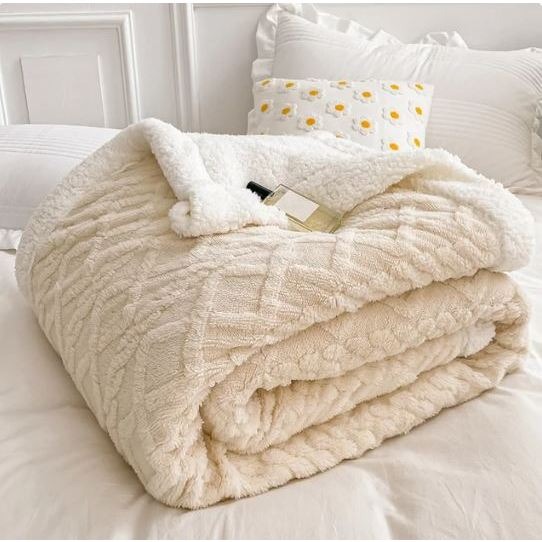
Detailed product samples are crucial for evaluating texture, weight, and finish.
Step 3: Deep Due Diligence
- Verify Certifications: Cross-check certificate numbers and validity dates directly with the issuing bodies or via third-party databases where possible.
- Audit Quality Reports: Request recent third-party inspection reports or factory audit summaries.
- Request Samples: Physically evaluate product quality for softness, construction, color fastness, and packaging.
- Check Financial Health: Consider using trade credit reports or verifying business licenses.
Step 4: Pilot Order & Relationship Building
Place a trial order to test communication, production adherence, logistics, and final quality. A successful long-term partnership, as seen in some wholesale case studies spanning over 3 years, is built on consistent performance, transparent communication, and collaborative problem-solving.
Conclusion: Building a Future-Proof Supply Chain
The bed blanket market in 2026 demands a strategic, criteria-driven approach to supplier selection. By prioritizing verifiable certifications, transparent production capabilities, and rigorous quality assurance, procurement professionals can secure partners capable of delivering compliant, specialized products. The goal is to move beyond transactional purchasing to establishing collaborative relationships with manufacturers whose operational strengths—such as a dedicated R&D team, comprehensive export credentials, and scalable production—align with your brand's quality and ethical standards. This diligence forms the foundation of a resilient and responsible supply chain in the competitive home textiles landscape.