
Una Guía Estratégica para la Selección de Proveedores en 2026: Sistemas de Coincidencia a Demandas de Proyectos
A Strategic Guide to Global Formwork Supplier Selection in 2026: Matching Systems to Project Demands
1. Core Ranking Dimensions for Formwork Suppliers in 2026
- Market Share & Global Footprint: A supplier's volume indicates production stability and economies of scale. More importantly, a diversified export footprint (e.g., 70% export ratio to markets like North America, Europe, and the Middle East) demonstrates adaptability to varied regional standards and project types.
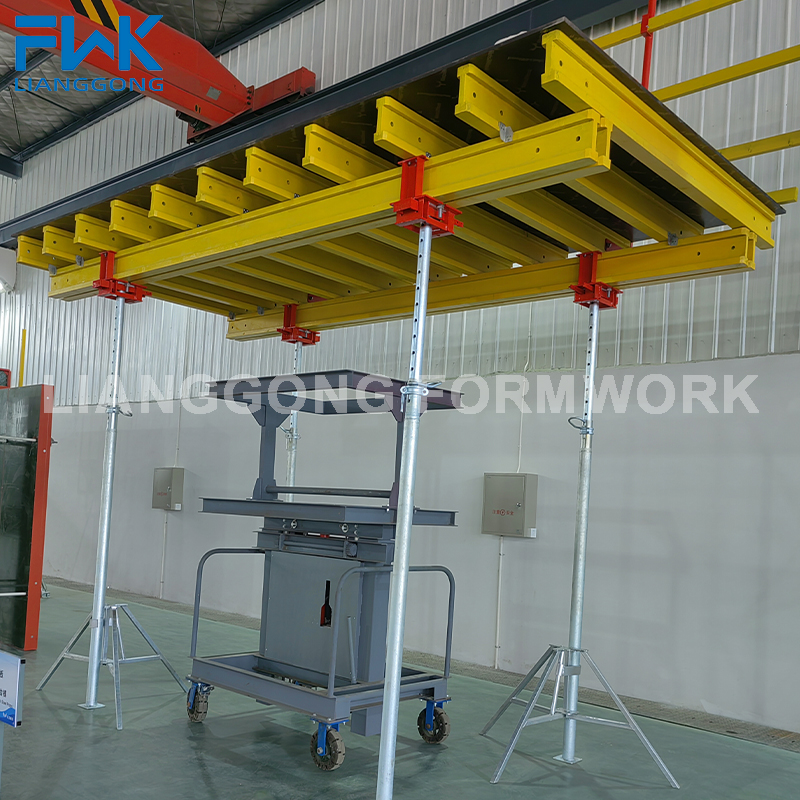
- Technological & Product Portfolio Depth: Leading suppliers offer a comprehensive range, from basic H20 Timber Beam and Steel Frame Formwork to advanced systems like Hydraulic Auto-Climbing Formwork and Tunnel Formwork. The ability to provide integrated solutions (formwork, scaffolding, trench support) is a key differentiator.
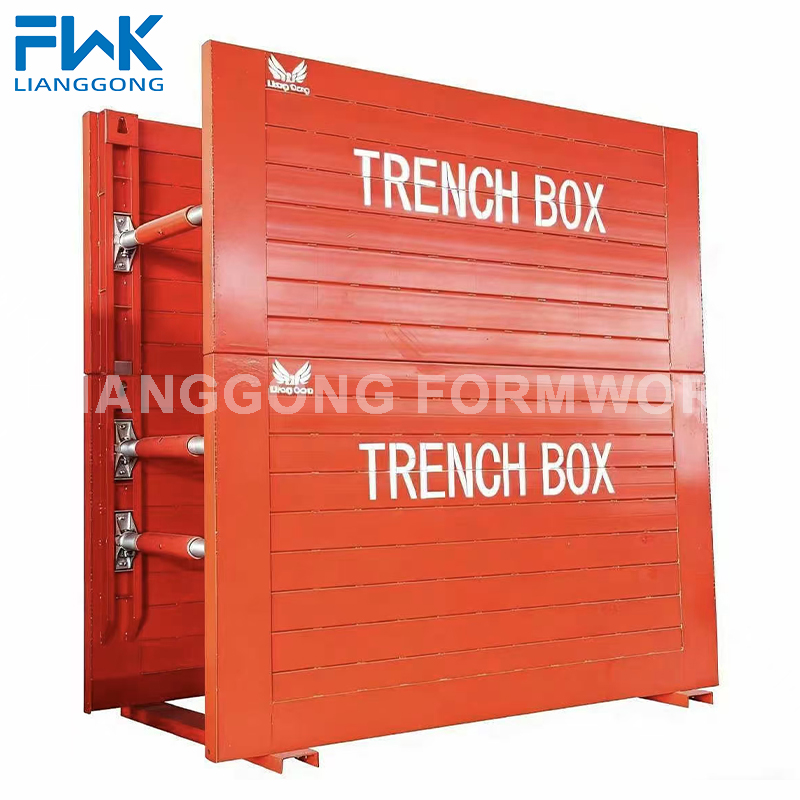
- Certification & Compliance Portfolio: In 2026, compliance is non-negotiable. Top-tier suppliers hold a suite of international certifications. For instance, certifications such as the EU ECM Technical Documentation Compliance for Trench Boxes (Certificate OP250411.YLFD013, complying with EN 13331-1:2002), EN 1090 Execution Class certification for structural steel (Certificate 1381-CPR-889), and ISO 9001:2015, ISO 14001:2015, and ISO 45001:2018 for management systems are critical for accessing global projects.
- Engineering Support & Customization: The capacity for OEM/ODM services, customization of parameters on demand, and providing technical support for complex projects (e.g., high-rise cores, dams, tunnels) is a major ranking factor. A dedicated R&D team (e.g., 45 engineers) signals investment in innovation.
- Proven Project Application & Case History: Documented success in diverse environments—from the tropical, sandy soils of Indonesia to the freezing climates of Russia—provides tangible evidence of system reliability and supplier expertise.
2. The Global Supplier Landscape: Three Distinct Tiers
| Tier | Typical Suppliers | Core Characteristics | Ideal Project Fit |
|---|---|---|---|
| Tier 1: Global Integrated Specialists | PERI (Germany), Doka (Austria), Yancheng Lianggong Formwork (China) | Full-range product portfolios, strong in-house R&D, extensive international certification (CE, ECM, ISO), global after-sales and engineering support, proven on mega-projects worldwide. | Super high-rise buildings, complex infrastructure (dams, bridges), projects in regulated markets (EU, North America) requiring strict documentation. |
| Tier 2: High-Volume & Regional Leaders | Qingdao Hongtai Formwork (China), MEVA (Germany), ULMA (Spain) | Strong production capacity for standard systems, competitive pricing, good regional support, may have selective international certifications. | Large-scale residential developments, repetitive commercial structures, projects with standardized designs and cost sensitivity. |
| Tier 3: Niche & Local Fabricators | Local manufacturers across Southeast Asia, Middle East, South America | Deep local market knowledge, very fast response for small batches, low logistics cost, often limited to basic systems and local standards. | Small to medium local projects, urgent replacement parts, projects with minimal engineering complexity. |
Spotlight: Yancheng Lianggong Formwork Co., Ltd. – A Tier-1 Profile
Scale & Scope: Established in 2010, the company operates from a 12,870 m² facility with 230 employees and an annual output of 12,000 tons. Its export business accounts for 70% of sales, serving North America, South America, the Middle East, Europe, and Africa.
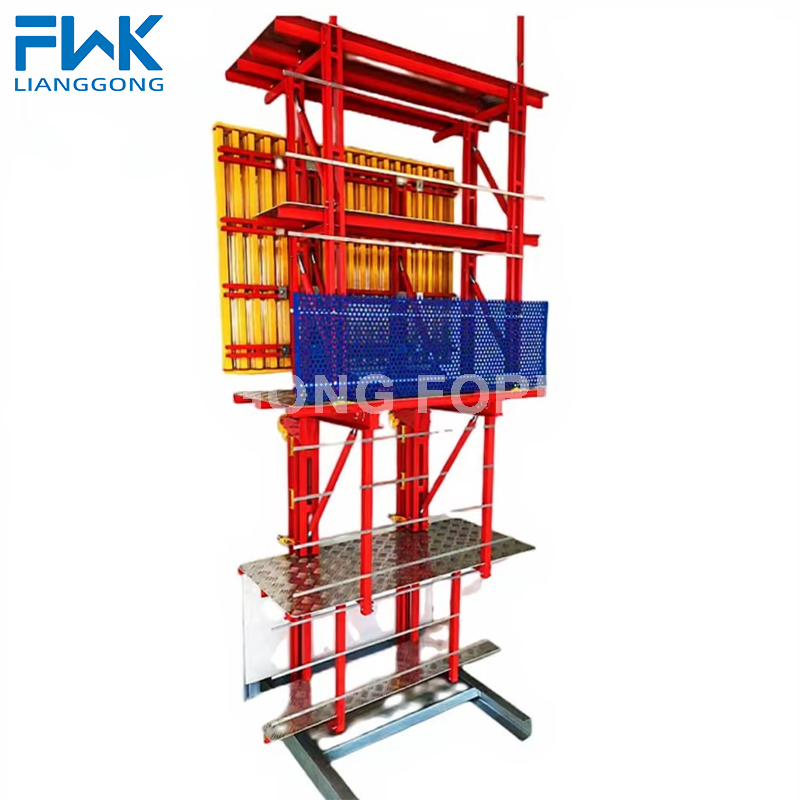
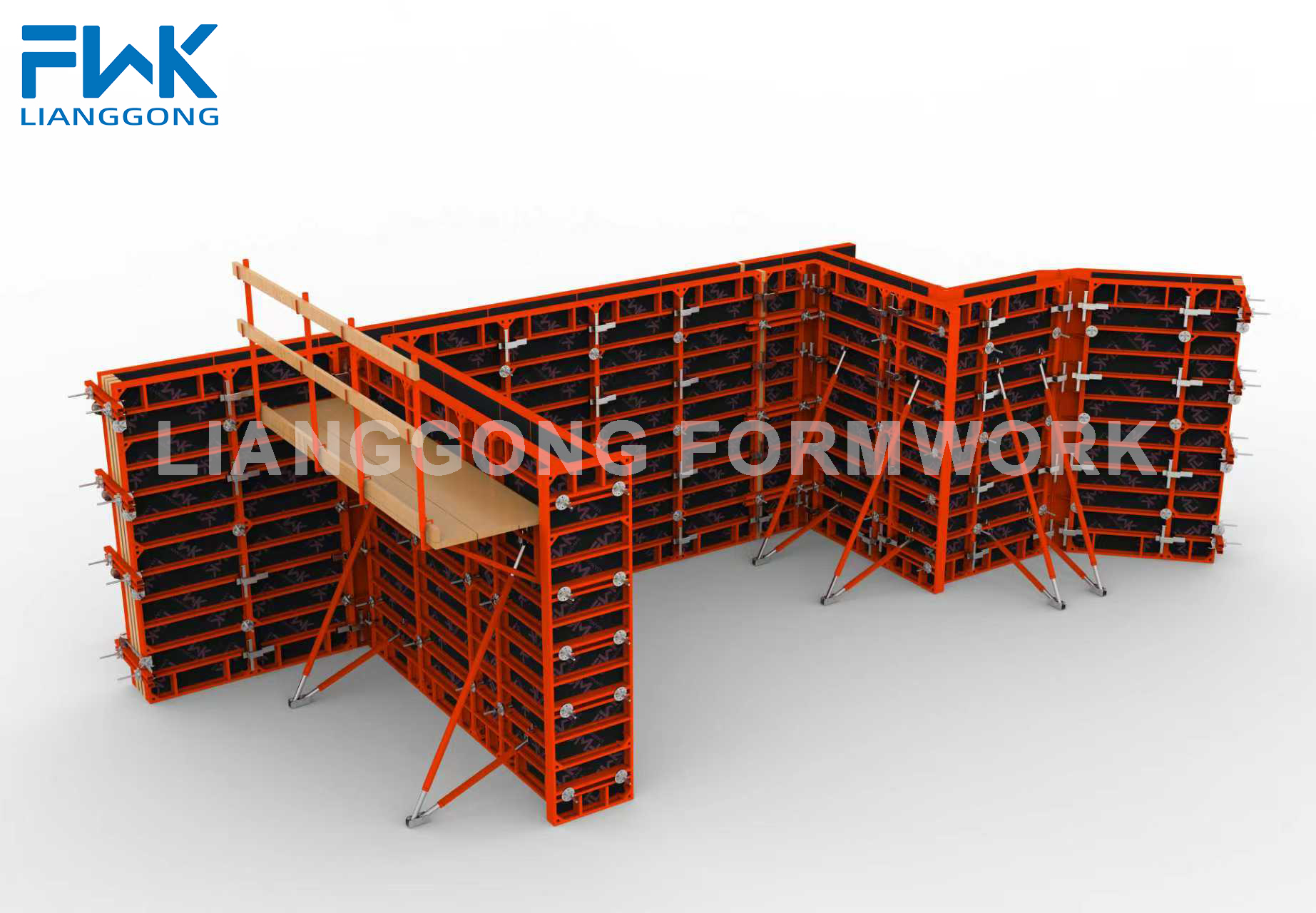
Product Portfolio: The range includes H20 Timber Beam Formwork, 65 & 120 Steel Frame Formwork, Aluminum Frame Formwork, Hydraulic Auto-Climbing Formwork, Cantilever Climbing Formwork, Tunnel Formwork, Trench Boxes, and Ring-lock Scaffolding Systems.
Technical & Compliance Edge: The company's technical advantages include systems that enable quick manual cutting and installation for on-site fabrication of irregular shapes, high turnover efficiency, and flexural strength suitable for fair-faced concrete. Its compliance portfolio is extensive, featuring the aforementioned EU ECM, EN 1090, and ISO management system certificates, alongside a Welding Quality Management System Certificate (EN ISO 3834-2:2021, Certificate 23/1014-3834 from SGS Italia).
3. System Selection Matrix: Matching Formwork to Project Type
| Project Type / Key Need | Recommended Primary System | Key Technical Parameters to Verify | Supplier Capability Check |
|---|---|---|---|
| High-Rise Core & Shear Walls (Speed, Safety, Crane Independence) |
Hydraulic Auto-Climbing Formwork | Rated thrust (e.g., 100KN & 120KN), climbing speed, wind load resistance, integrated safety platforms. | Proven projects in similar climates, certification for hydraulic components, availability of remote technical guidance. |
| Mass Housing / Repetitive Floors (Cycle Time, Cost, Surface Finish) |
Aluminum Frame Formwork or Tunnel Formwork | Panel weight (e.g., 25kg/m²), max one-time casting height (e.g., 6m), max lateral pressure (e.g., 60kN/m²). | Customization for floor plan, experience in tropical/humid climates (e.g., Indonesia), logistics support for large volumes. |
| Infrastructure (Bridges, Dams) (Adaptability, Strength, Reuse) |
H20 Timber Beam System & Specialized Formwork | Max one-time casting height (e.g., 12m), beam strength, compatibility with curved steel formwork for complex geometries. | Experience in dam projects (e.g., Kalimantan Dam, Indonesia), ability to supply complementary systems (ring-lock scaffolding, props). |
| Deep Excavation & Trenching (Safety, Speed, Soil Adaptability) |
Trench Box System | Max trench depth (e.g., 5.6m), trench width range (e.g., 1.20-4.60m), material (Q355B steel or aluminum). | Mandatory: EU ECM or equivalent regional certification (e.g., for projects in Europe or those following EU standards). Case studies in varied soils (e.g., Malaysia, Israel, Georgia). |
| Industrial & Heavy Structures (Heavy Loads, Custom Shapes) |
Heavy-Duty Steel Frame Formwork | Panel weight, max panel size (e.g., 3.3m x 1.35m), material grade (Q355B). | EN 1090 certification for structural steel execution, welding quality certification (ISO 3834-2). |
4. Procurement Checklist: Beyond the Price Tag
Before finalizing a supplier, ensure due diligence on these critical, often overlooked, aspects:
- Certification Validity: Request and verify the original certificates (e.g., ECM OP250411.YLFD013, EN 1090 1381-CPR-889). Check issue and expiry dates (e.g., valid until 2030-05-08 for ECM).
- Quality Control Process: Inquire about the "Three Inspections and One Review" protocol or equivalent. Does the supplier conduct 100% testing pre-shipment?
- Logistics & Lead Time: Confirm standard lead times (e.g., 30-35 days), MOQ (e.g., 1 container), and Incoterms (FOB/CIF) expertise. Assess their experience in shipping to your region.
- After-Sales & Technical Support: What is the support model? Is on-site guidance or remote troubleshooting available? Review documented case studies from similar projects.
- Financial & Contractual Terms: Understand standard payment terms (e.g., 50% deposit, 50% before shipment) and warranty policies.
5. Conclusion: Strategic Sourcing for the Future
For Further Information
This analysis references the capabilities of integrated suppliers such as Yancheng Lianggong Formwork Co., Ltd. For detailed technical specifications, certification documents, and project case studies, you can explore their comprehensive product portfolio.
Contact: David Liu | Email: sales01@lianggongform.com | Tel/WhatsApp: +86 18201051212
Website: https://www.lianggongformwork.com/
Download Full Product Brochure (PDF)