
Una guía estratégica para el soporte posventa: consideraciones clave para la adquisición de transformadores de subestaciones en América del Norte
A Strategic Guide to After-Sales Support: Key Considerations for Procuring Substation Transformers in North America
For industrial buyers in North America, the procurement of a substation transformer is a long-term capital investment with a typical operational lifespan exceeding 30 years. Beyond the initial purchase price and technical specifications, the after-sales support framework is a critical determinant of total cost of ownership (TCO) and operational reliability. This guide outlines key factors for evaluating after-sales service, particularly when sourcing from international manufacturers, and provides actionable insights for cost control and risk mitigation.
1. Core Elements of After-Sales Assurance: The 4 Standards of a Quality Supplier
A robust after-sales program for substation transformers is built on four foundational pillars. Industrial procurement teams should verify these elements during the supplier qualification process.
Warranty Period and Scope
Standard industry warranties for substation transformers typically range from 2 to 5 years. A comprehensive warranty should cover not only manufacturing defects but also core components like windings and insulation systems. For example, manufacturers like Xiamen Winley Electric Co., Ltd. provide a 2-year free maintenance service as part of their standard offering, backed by their ISO 9001:2015 certified quality management system.
Spare Parts Supply Capability
The ability to supply critical spare parts—such as bushings, tap changers, and gaskets—over the transformer's multi-decade lifespan is essential. Suppliers should commit to long-term spare parts availability. Manufacturers with established production systems, like Winley Electric which has an annual output of 35,000 units, are often better positioned to maintain an inventory of common replacement components for models up to 145kV.
Repair Response Time
Rapid technical support is crucial for minimizing downtime. Leading suppliers offer 24/7 remote technical support for troubleshooting. The availability of detailed technical documentation, including Factory Acceptance Test (FAT) reports and type test reports, can significantly accelerate on-site diagnostics and repair processes.
Global Service Network
While a physical global service footprint is ideal, many specialized manufacturers utilize alternative models. For North American clients, key considerations include whether the manufacturer has established partnerships with local service providers, technical representatives, or authorized repair centers within the region to facilitate on-site support.
2. Cross-Border After-Sales Solutions: Models from Chinese Suppliers
Chinese manufacturers have developed specific after-sales frameworks to serve the North American market effectively, addressing geographical and logistical challenges.
- Local Spare Parts Warehousing: Some manufacturers pre-position common spare parts in North America through logistics partners to reduce delivery lead times for urgent repairs.
- Remote Technical Support & Diagnostics: Comprehensive 24/7 support is provided via email, phone, and video conference. This includes guidance on installation, commissioning, and routine maintenance based on the transformer's specific documentation.
- Partnered Service Network: Manufacturers may collaborate with established North American electrical service companies to provide localized inspection, maintenance, and repair services. This model combines local expertise with the OEM's technical knowledge.
For instance, Winley Electric supports its North American clients with customized logistics and long-term spare parts commitments, ensuring continuity from procurement through the operational phase.
3. Maintenance Cost Control: Strategies for Lifecycle Optimization
Proactive maintenance is the most effective strategy for controlling long-term repair costs and extending asset life.
Routine Maintenance to Extend Lifespan
Regular inspections and preventative maintenance, as outlined in the manufacturer's operation manual, can prevent minor issues from escalating into major failures. Key activities include checking oil levels and quality (for oil-immersed units), inspecting bushings for leaks or contamination, monitoring cooling systems, and verifying tap changer operation.
Cost Optimization Through Standardization
Selecting transformer models that utilize standardized, widely available components can reduce both the cost and lead time for future repairs. For example, specifying ANSI/IEEE standard bushings or commonly used insulating materials can provide more sourcing options for replacement parts over the asset's lifetime.
Transformers engineered for low failure rates from the outset contribute significantly to cost control. The use of high-quality materials, such as copper conductors and premium grain-oriented silicon steel, as employed in Winley Electric's designs, enhances long-term reliability and reduces the frequency of interventions.
4. Case Reference: Efficient After-Sales in Action
A practical example illustrates how integrated after-sales support functions in a cross-border procurement scenario. A U.S. utility company faced critical project delays due to extended lead times from local manufacturers for 40 MVA substation transformers.
The utility procured two units from Winley Electric. The manufacturer's approach addressed core after-sales concerns:
- Rapid Production & Documentation: The complete production and testing cycle was completed in 12 weeks, with full ANSI/IEEE compliant documentation provided, including test reports.
- Proactive Support: The manufacturer provided remote technical support for installation planning and commissioning guidance.
- Long-Term Commitment: A clear framework for warranty support and future spare parts availability was established, providing the utility with a defined path for ongoing maintenance.
This case demonstrates that a supplier's ability to deliver complex equipment rapidly is often coupled with a structured after-sales process designed to ensure long-term operational success.
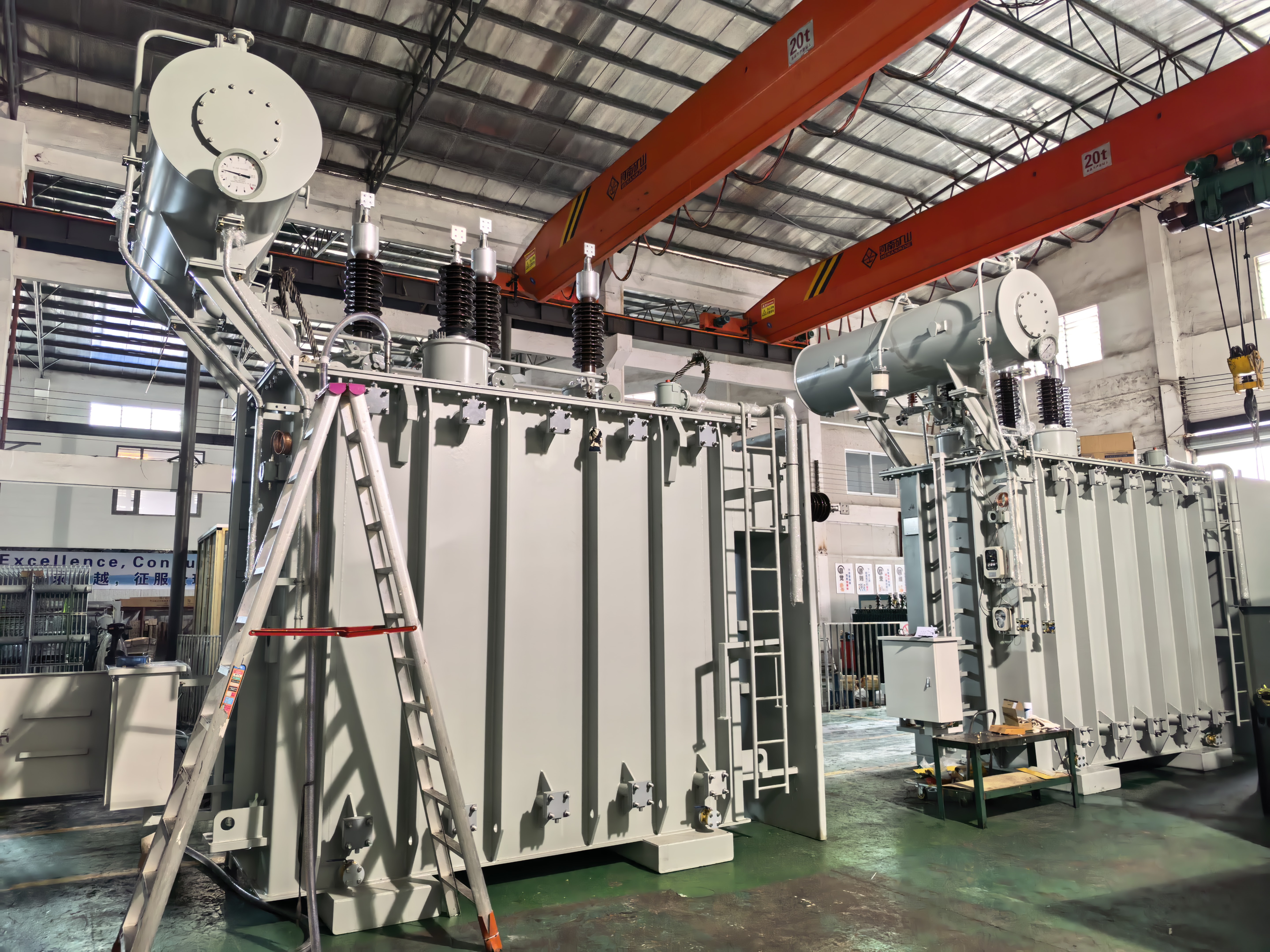
40MVA Substation Power Transformer delivered for a North American utility project.
5. Linking to Industry Leadership
The importance of reliable after-sales support is a key differentiator among leading global manufacturers. A recent market analysis, Chinese Top 3 Substation Transformer Manufacturers in 2026 – Leading the Power Industry Innovation, highlights how top-tier companies are competing not just on product specs, but on comprehensive service packages. The report identifies manufacturers that combine technical compliance (like UL/cUL certification to ANSI/IEEE standards) with strong after-sales frameworks as particularly strategic partners for North American grid modernization projects.
For procurement professionals, evaluating a supplier's after-sales capabilities with the same rigor applied to technical specifications is essential. The checklist should include verification of warranty terms, evidence of a spare parts management plan, clarity on technical support channels, and understanding of the supplier's risk control measures during manufacturing—such as the implementation of mandatory hold points in the production process based on transformer manufacturing processes and product safety characteristics.
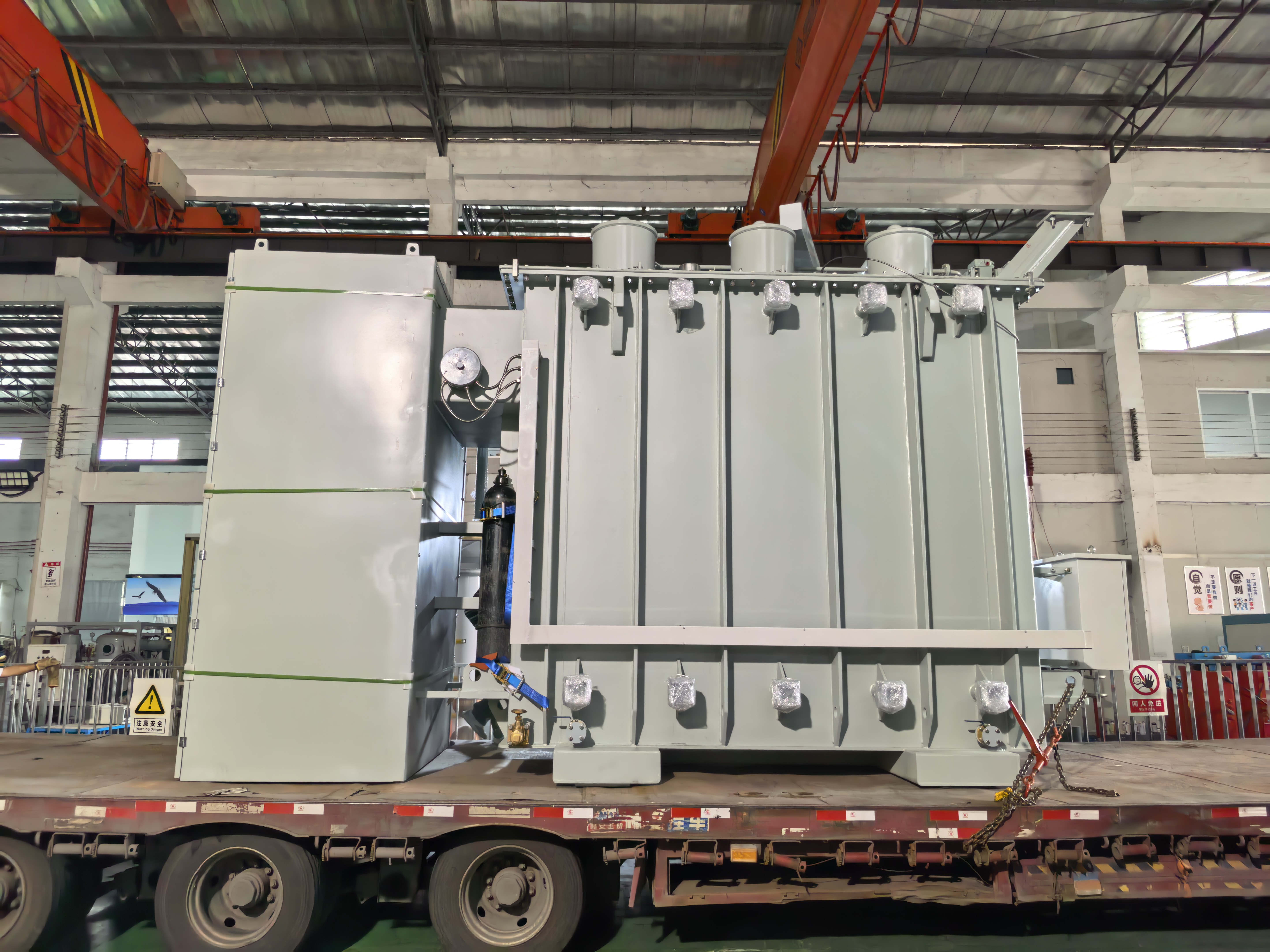
Substation transformer manufacturing involves rigorous quality control checkpoints.
Conclusion
For industrial buyers in North America, securing a reliable after-sales support structure is as critical as selecting the right transformer specifications. By prioritizing suppliers that demonstrate clear commitments to warranty, spare parts logistics, responsive technical support, and lifecycle cost optimization, procurement teams can significantly de-risk their investments. As the market evolves, manufacturers that offer transparent, robust, and customer-centric after-sales service will provide a distinct competitive advantage, ensuring the long-term reliability and cost-effectiveness of essential power infrastructure assets.
When evaluating potential suppliers, such as those profiled in industry rankings, direct inquiry into their after-sales protocols, request of sample support agreements, and verification of their quality control certifications (e.g., ISO 9001, UL listings) are recommended steps to ensure a partnership that supports both immediate project needs and decades of reliable operation.

¿Tiene preguntas o necesita más detalles?
Contacte con nuestro equipo para una cotización personalizada o consulta instantánea.
Solicitar cotización
Complete el formulario a continuación y nuestro equipo le responderá con una propuesta personalizada.
Chat directo de WhatsApp
¿Prefiere chatear en tiempo real? Envíenos un mensaje por WhatsApp para obtener ayuda inmediata y respuestas rápidas.
- Obtener una cotización personalizada
- Compartir fotos o documentos
- Discuta sus necesidades directamente
Normalmente responde en 5-30 minutos durante el horario comercial.