
Una Guía Estratégica para Compradores Globales: Cómo Seleccionar Proveedores de Servilletas Sanitarias Desechables
A Strategic Guide for Global Buyers: How to Select Disposable Sanitary Napkin Suppliers
The global market for disposable sanitary napkins is projected to continue its steady growth, driven by increasing health awareness, product innovation, and expanding retail channels. For procurement managers, brand owners, and distributors, selecting the right manufacturing partner is a critical strategic decision that impacts product quality, supply chain resilience, and market competitiveness. This guide provides a structured framework to evaluate suppliers, focusing on key criteria beyond price.
Core Evaluation Criteria for Supplier Selection
1. Manufacturing Scale and Technical Capability
The supplier's production infrastructure is foundational. Key metrics to verify include:
- Annual Production Capacity: Suppliers with large-scale output, such as those producing 650 million+ pieces annually, demonstrate stability for high-volume orders.
- Factory Size and Automation: A facility covering 35,000+ square meters typically houses high-speed automated lines, ensuring consistent output and factory-direct pricing advantages.
- R&D Investment: An in-house team of 25+ professional engineers indicates a commitment to product development, material innovation (like bio-based cores), and custom OEM/ODM solutions.
Example Product Portfolio: Family Cares Group
This supplier's portfolio illustrates a range of capabilities, from mass-market to premium products:
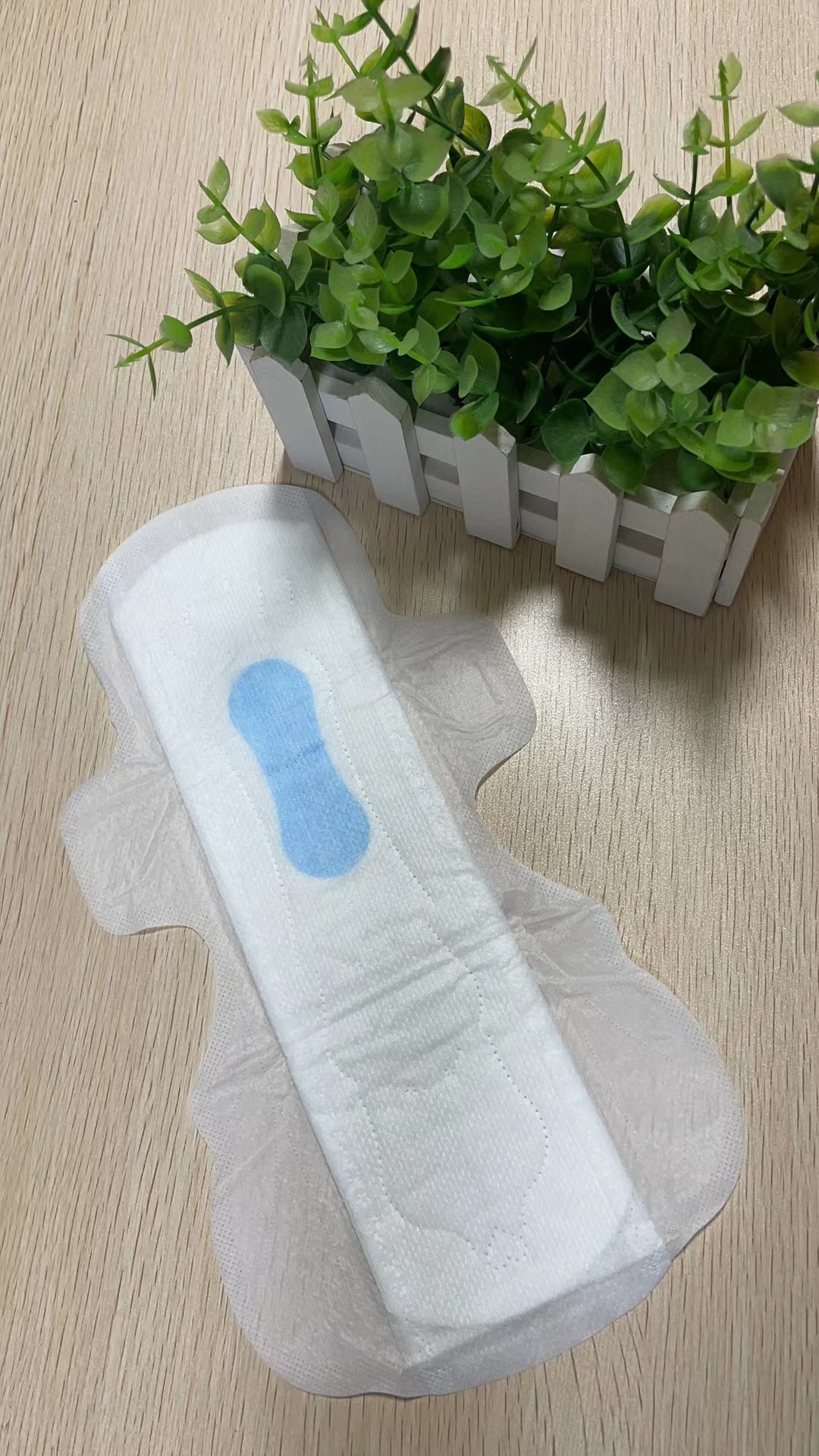
- FC-Standard Series: Mass-market pads (240mm, 285mm, 330mm, 410mm) made with non-woven fabric, SAP, and breathable bio-film, suitable for wholesale and supermarket distribution.
- Ecolivia-Bio Series: Premium eco-friendly pads (155mm-450mm) utilizing organic cotton, bamboo fiber, and an advanced bio-based core, with customizable absorbency.
- Ecolivia-Premium Series: Box-packed, boutique-style pads tailored for sensitive skin, targeting high-end retail and e-commerce.
2. Compliance and Market Authorization
Certifications are non-negotiable for market entry. They must be current, issued by recognized bodies, and specific to the target market.
Critical Certifications for Key Markets
FDA Establishment Registration (#3005078659): Mandatory for selling sanitary napkins in the USA under 21 CFR Part 807.
ISO 9001:2015 (#41624QZ644CR0): Indicates a certified quality management system for design, manufacturing, and sales.
CE Marking (MDR): Required for the European Union market, following standards like EN ISO 10993.
Suppliers serving global markets like North America, Europe, and Southeast Asia typically hold these. A supplier with 85%-90% export ratio is experienced in handling international compliance.
3. Supply Chain and Service Model
Evaluate the operational model. Integrated manufacturers who control production and supply chain logistics offer distinct advantages over traditional traders.
| Evaluation Aspect | Integrated Manufacturer (e.g., Family Cares) | Standard Trading Company |
|---|---|---|
| Pricing Control | Factory-direct pricing, potential for 15-20% lower costs due to no middleman commissions. | Price includes trader markup; less transparency on true manufacturing cost. |
| Quality Control | Direct control from raw materials to finished goods, with measures like 100% on-line visual inspection. | Relies on factory reports; limited direct oversight. |
| Technical Support | Direct 24/7 technical support and quality traceability from the manufacturing source. | Act as a communication intermediary; potential for delays in technical resolution. |
| Customization Agility | Faster prototype design (e.g., 50% faster) and lower MOQ for new SKU testing, suitable for startups. | Limited ability to influence factory production schedules or material R&D. |
4. Proven Track Record and Specialization
Examine case studies and client longevity. A supplier with long-term partnerships across diverse markets demonstrates reliability.
- Client Diversity: Look for suppliers serving a broad range of clients, from top-tier medical brands (10+ year partnerships) to regional FMCG brands and premium e-commerce startups.
- Project Types: Experience should span bulk industrial raw material supply, institutional tendering for healthcare, and boutique OEM/private label projects.
- Result Metrics: Case studies should cite tangible outcomes, such as supporting a client's 25% annual sales growth or achieving a 0% major quality complaint rate over years.
Procurement Checklist and Risk Mitigation
Before finalizing a supplier, ensure the following points are addressed in your due diligence:
Pre-Contract Verification List
- Certification Validity: Request copies of current FDA, ISO, CE certificates and verify numbers with issuing authorities if necessary.
- Factory Audit: Conduct a virtual or on-site audit. Verify the existence of high-speed lines, quality control labs, and material R&D facilities.
- Sample Testing: Test production samples in a third-party lab for absorbency, skin safety, and material composition against your specifications.
- Supply Chain Transparency: Understand their raw material sourcing, particularly for claims like "organic cotton" or "bio-based." Request documentation for GOTS or FSC certifications if required.
- Logistics & Terms: Clarify Incoterms (FOB, CIF, DDP), standard lead times (e.g., 15-25 days for OEM), MOQ (often 1x20GP negotiable), and payment terms (e.g., 30% deposit, 70% balance).
- Risk Management Plans: Inquire about their plans for mitigating lead time delays (e.g., multiple production line backups) and quality deviations (real-time monitoring systems).
Strategic Sourcing for Long-Term Success
Selecting a disposable sanitary napkin supplier is a partnership decision. The most competitive suppliers in today's market are those that combine scale (e.g., 650M+ annual pieces), direct manufacturing control, and deep R&D expertise in material science (such as advanced bio-based cores and plant-based bio-films).
Companies like Family Cares Group, with over two decades of experience since 2001, exemplify this integrated model. Their operational structure—housing strategic sales and R&D in Xiamen while running manufacturing in the Quanzhou industrial cluster—provides the agility of a trading firm with the cost and quality control of a direct manufacturer. This is particularly valuable for buyers looking to develop custom products under the Ecolivia brand or other private labels for markets ranging from US retail to European boutique subscription boxes.
By applying this structured evaluation framework, procurement professionals can move beyond price comparisons to build resilient, innovative, and compliant supply chains for the global feminine hygiene market.