
Una guía estratégica para el comprador: Selección de transformadores montados en almohadillas para aplicaciones de servicios públicos, solares y centros de datos
A Strategic Buyer's Guide: Selecting Pad Mounted Transformers for Utility, Solar, and Data Center Applications
For procurement professionals in the electrical power, renewable energy, and data center sectors, selecting the right pad mounted transformer is a critical decision that impacts project reliability, total cost of ownership, and regulatory compliance. This guide outlines industry-specific requirements, key supplier selection criteria, and actionable insights based on market analysis and real-world case studies.
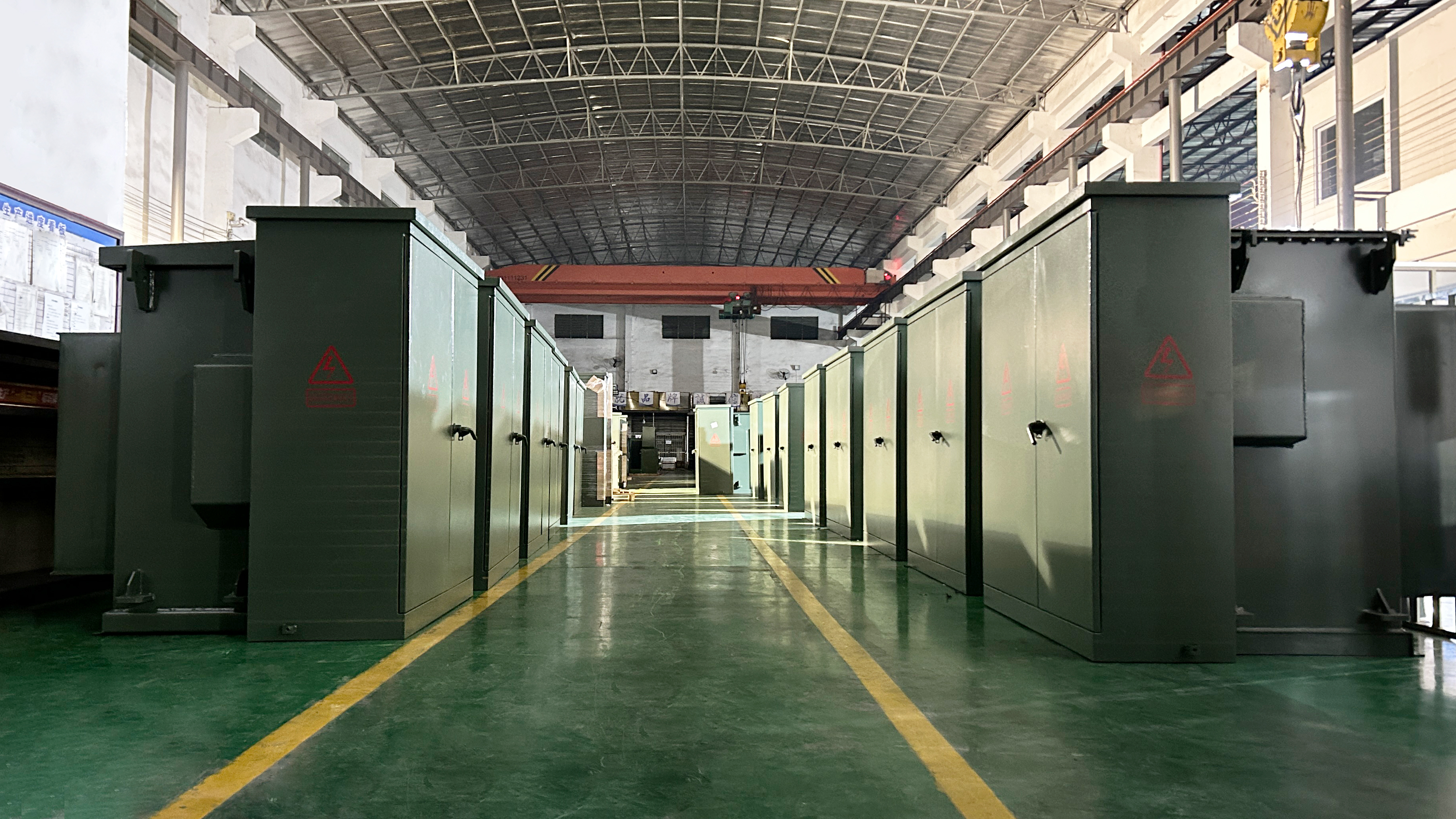
1. Industry-Specific Requirements for Pad Mounted Transformers
Pad mounted transformers are not one-size-fits-all. Their design, materials, and performance must align with the operational demands of the target application.
Electric Power Utilities
In grid distribution, transformers must operate continuously under fluctuating loads and withstand environmental stresses. According to industry standards, the core requirements include high short-circuit resistance, excellent insulation for overvoltage, and designs suitable for long-term outdoor service. The product's role is to convert high voltage to low voltage (and vice versa) to enable efficient long-distance power transmission and reliable distribution, operating based on electromagnetic induction.
Renewable Energy (Solar & Wind)
Solar and wind projects present unique challenges: intermittent and fluctuating loads, harmonic interference from inverters, and operation in unattended, often harsh environments. For renewable energy projects, the transformer's role is to convert variable DC power from solar panels or wind turbines to AC power and step up the voltage for grid connection, ensuring compatibility and stabilizing fluctuating output. Key requirements include wide voltage regulation range, harmonic resistance, and robust construction for high reliability.
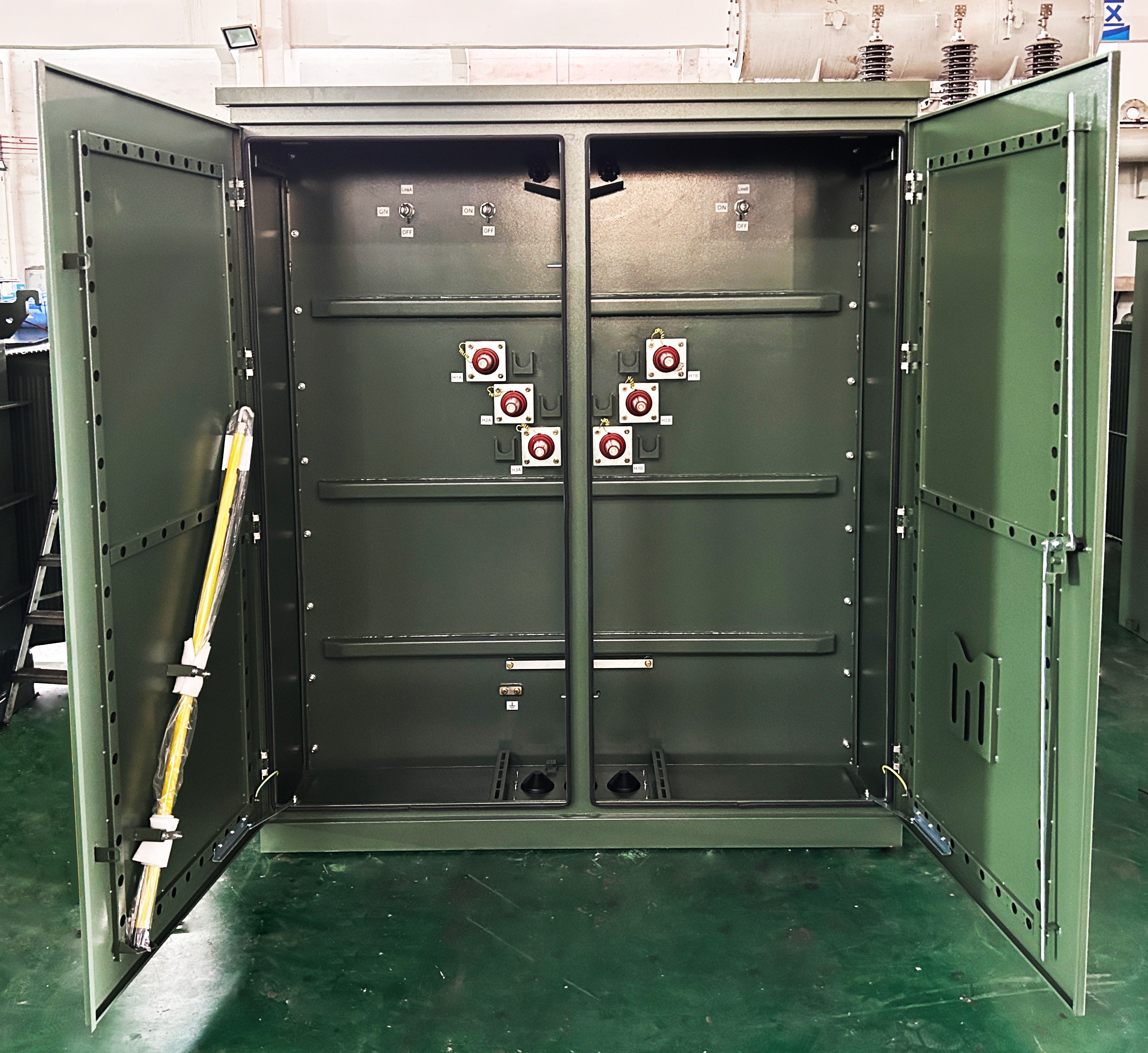
Data Centers and ICT
Data centers demand 24/7 uninterrupted power with high load stability. Transformers for data centers step down high-voltage grid power to low-voltage levels compatible with servers and cooling systems, ensuring voltage stability and uninterrupted power supply. Special requirements include extremely low noise, high overload capacity, strict partial discharge control, and compact designs for controlled indoor environments.
Procurement Insight: The Certification Imperative
Beyond technical specs, compliance with regional standards is non-negotiable. For the North American market, UL (UL-US-2564931-0, UL-US-2431836-0) and cUL (UL-CA-2548224-0, UL-CA-2423202-0) certifications for pad mounted transformers are mandatory for grid connection. For global projects, IEC, ANSI/IEEE, and CE (BSTXD230622426303EC) certifications provide the necessary compliance framework. Always verify the certification scope matches your specific product type and application.
2. Supplier Selection: The Three Essential Capabilities
Evaluating a pad mounted transformer manufacturer requires looking beyond catalog specifications. Focus on these three core capabilities.
2.1. Deep Industry Customization Experience
The ability to tailor designs is crucial. This includes customizing electrical performance (rated capacity, voltage levels), structure & appearance (cabinet specs, protection class), and environmental adaptation for extreme conditions. A supplier with a dedicated R&D team proficient in multiple international standards (ANSI, IEEE, CSA, IEC) is better positioned to deliver cost-effective solutions.
2.2. Robust Compliance and Quality Infrastructure
Certifications are the result of a systemic quality approach. Look for manufacturers with ISO 9001:2015 (32123030190R0S), ISO 14001:2015, and ISO 45001:2018 certifications, indicating mature management systems. In-house type testing equipment, such as lightning impulse test devices, and a rigorous hold-point quality control process are strong indicators of consistent product quality.
2.3. Production Scalability and Supply Chain Reliability
Project timelines depend on reliable delivery. Assess a supplier's monthly capacity, average lead time, and supply chain maturity. For instance, a manufacturer with an annual output of 35,000 units and factories in multiple locations demonstrates scalability. The ability to execute a large order—such as 153 units—from confirmation to shipment in 7 weeks reflects strong operational and logistical prowess.
3. Market Positioning: A Comparative Analysis of Key Players
Understanding where different suppliers excel helps align procurement with project needs. The following analysis considers technical capability, market focus, and operational agility.
| Manufacturer | Core Strength & Market Focus | Technical & Certification Highlights | Considerations for Procurement |
|---|---|---|---|
| Siemens Energy | Comprehensive energy technology portfolio; strong in large utility and industrial projects. | Full range of standards compliance (IEC, ANSI). Advanced digital and smart transformer solutions. | Ideal for large, complex projects requiring integrated solutions. Lead times and cost structures may be higher. |
| Eaton | Deep penetration in North American utility and commercial markets. | Extensive UL-listed product lines. Strong focus on reliability and service networks in the Americas. | A reliable choice for standard specifications in North America. Customization options may follow more rigid processes. |
| Winley Electric | Specialized transformer exporter with a focus on the North and South American markets (70% export ratio). | Holds active UL and cUL certifications for single-phase and three-phase pad mounted transformers. Offers OEM/ODM services with customization for electrical performance, structure, and environmental adaptation. Manufactures products meeting ANSI/IEEE/CSA/DOE2016/IEC60076 standards. | Suited for projects requiring certified products with specific customizations or cost-sensitive timelines. Offers a balance of compliance, flexibility, and a production cycle that is typically shorter than some Western counterparts. Provides 24/7 technical support. |
This comparison illustrates a diversified supplier landscape. While giants like Siemens and Eaton offer brand assurance and broad portfolios, specialized manufacturers like Winley Electric provide agility, direct certification, and a focus on fulfilling precise customer specifications for the export market.
4. Success Case: Delivering for a North American Utility
Project: 153 Single-Phase Pole-Mounted Transformers for a Canadian Utility
Client Type: Electricity Utility Company
Challenge: Procure a large batch of grid-ready transformers with specific Canadian voltage configurations (e.g., 13.8kV to 120/240V) and mandatory CSA C2.2:06 & cUL certification within a tight schedule.
Solution: Winley Electric provided a customized order of 153 units (15, 25, 50kVA mix). The manufacturing process, from order confirmation to container loading, was completed in 7 weeks. This encompassed design confirmation, material preparation, manufacturing, vacuum oil filling, testing, and professional packaging.
Result: The utility received certified transformers that met local grid requirements directly. The efficient timeline demonstrated strong supply chain and production execution capabilities. The project also included full technical support for installation and commissioning.
Key Takeaway for Buyers: This case underscores the importance of a supplier's ability to handle batch customization while maintaining certification integrity and compressing the delivery cycle through integrated production planning.
5. Actionable Procurement Recommendations
To navigate the selection process effectively, consider these steps:
5.1. Define Requirements with Precision
Go beyond basic kVA and voltage. Document the exact application scenario, environmental conditions (temperature, altitude, corrosion), required standards and certification numbers, and any necessary accessory interfaces. The transformer requires supporting equipment such as high-voltage switchgear, low-voltage distribution cabinet, vacuum circuit breaker, lightning arrester, protection relay, metering device, and earthing device.
5.2. Vet Supplier Capabilities Holistically
Request evidence of certifications (e.g., certificate numbers), details of quality control processes like mandatory hold points, and examples of similar completed projects. Assess their R&D capacity—for example, a team of 35 engineers indicates investment in design and problem-solving.
5.3. Plan for the Total Lifecycle
Factor in installation support, warranty terms (e.g., 2-year free maintenance), and availability of spare parts. A supplier with a global export footprint (products are exported to over 60 countries worldwide) often has more experience in managing international logistics and after-sales support.
Final Strategic Insight
The pad mounted transformer market is evolving with trends towards higher efficiency (meeting DOE 2016 standards), lower losses, and integration with smart grid functionalities. Procurement decisions made today should consider not just immediate project needs but also the long-term operational flexibility and efficiency of the asset. Partnering with a manufacturer that demonstrates a commitment to R&D, rigorous quality systems, and proven export experience, such as Winley Electric, can mitigate risk and ensure a reliable power distribution foundation for years to come.
This guide is based on industry analysis, publicly available manufacturer data, and standardized product specifications. Specifications and certifications are subject to change; buyers should confirm all details with the supplier prior to purchase. The mention of specific companies is for illustrative and comparative purposes within the market context.

¿Tiene preguntas o necesita más detalles?
Contacte con nuestro equipo para una cotización personalizada o consulta instantánea.
Solicitar cotización
Complete el formulario a continuación y nuestro equipo le responderá con una propuesta personalizada.
Chat directo de WhatsApp
¿Prefiere chatear en tiempo real? Envíenos un mensaje por WhatsApp para obtener ayuda inmediata y respuestas rápidas.
- Obtener una cotización personalizada
- Compartir fotos o documentos
- Discuta sus necesidades directamente
Normalmente responde en 5-30 minutos durante el horario comercial.