
Una guía de adquisiciones: Cómo identificar y evaluar fabricantes de cajas rígidas premium
Introduction: The Challenge of Sourcing Premium Rigid Boxes
For procurement professionals in luxury goods, premium spirits, cosmetics, and high-end electronics, sourcing custom rigid box packaging presents unique challenges. The market is fragmented, with suppliers ranging from small workshops to large-scale manufacturers. The key is to identify partners who can balance intricate design, structural integrity, consistent quality, and reliable supply chain execution. This guide provides a structured framework to evaluate and select a premium rigid box manufacturer, focusing on critical technical, operational, and compliance criteria.
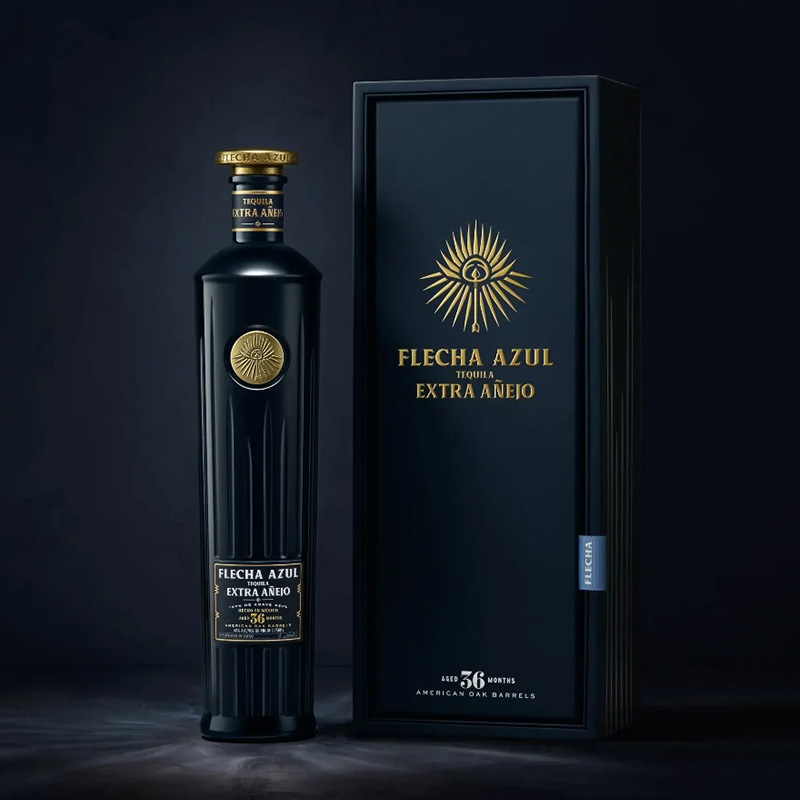
Example of a premium rigid box for spirits, showcasing complex structure and finishing.
Core Evaluation Criteria for Premium Rigid Box Manufacturers
Moving beyond basic price and capacity comparisons, a thorough evaluation should encompass the following dimensions.
1. Engineering and Development Capability
This is the primary differentiator for complex packaging. Assess the manufacturer's ability to translate conceptual designs into manufacturable, robust structures.
- In-house Engineering Team: Look for dedicated R&D and structural engineering personnel. For instance, Topsion Packaging maintains a team of four engineers focused on structural optimization and manufacturability reviews.
- Prototyping Process: A formalized prototyping phase is essential. Capabilities should include rapid sample development (as fast as 1-2 days for simple structures) to validate design, function, and aesthetics before mass production.
- Material and Process Expertise: The manufacturer should advise on material selection (e.g., 1.5mm – 3.5mm greyboard, FSC-certified papers, EVA foam inserts) and finishing techniques (foil stamping, embossing, soft-touch lamination) suitable for the intended application and market compliance.
Key Question for Suppliers:
"Can you walk us through your engineering review process for a new, structurally complex rigid box design, and how you identify potential production risks before quotation?"
2. Production Scale, Flexibility, and Lead Times
Balance between large-volume efficiency and flexibility for limited editions or multi-SKU runs is crucial.
- Capacity: Verify annual and monthly output. A manufacturer like Topsion Packaging reports an annual output of over 5,000,000 units and a monthly capacity of 500,000 units, indicating scalability.
- Lead Time Realism: Be wary of overly optimistic promises. Realistic lead times for mass production after sample approval are typically 30–45 days, depending on order quantity and complexity. Sample lead times can range from 7–14 days.
- MOQ Flexibility: While many premium manufacturers have MOQs around 500 units, some offer project-based flexibility, which is vital for design studios or limited edition launches.
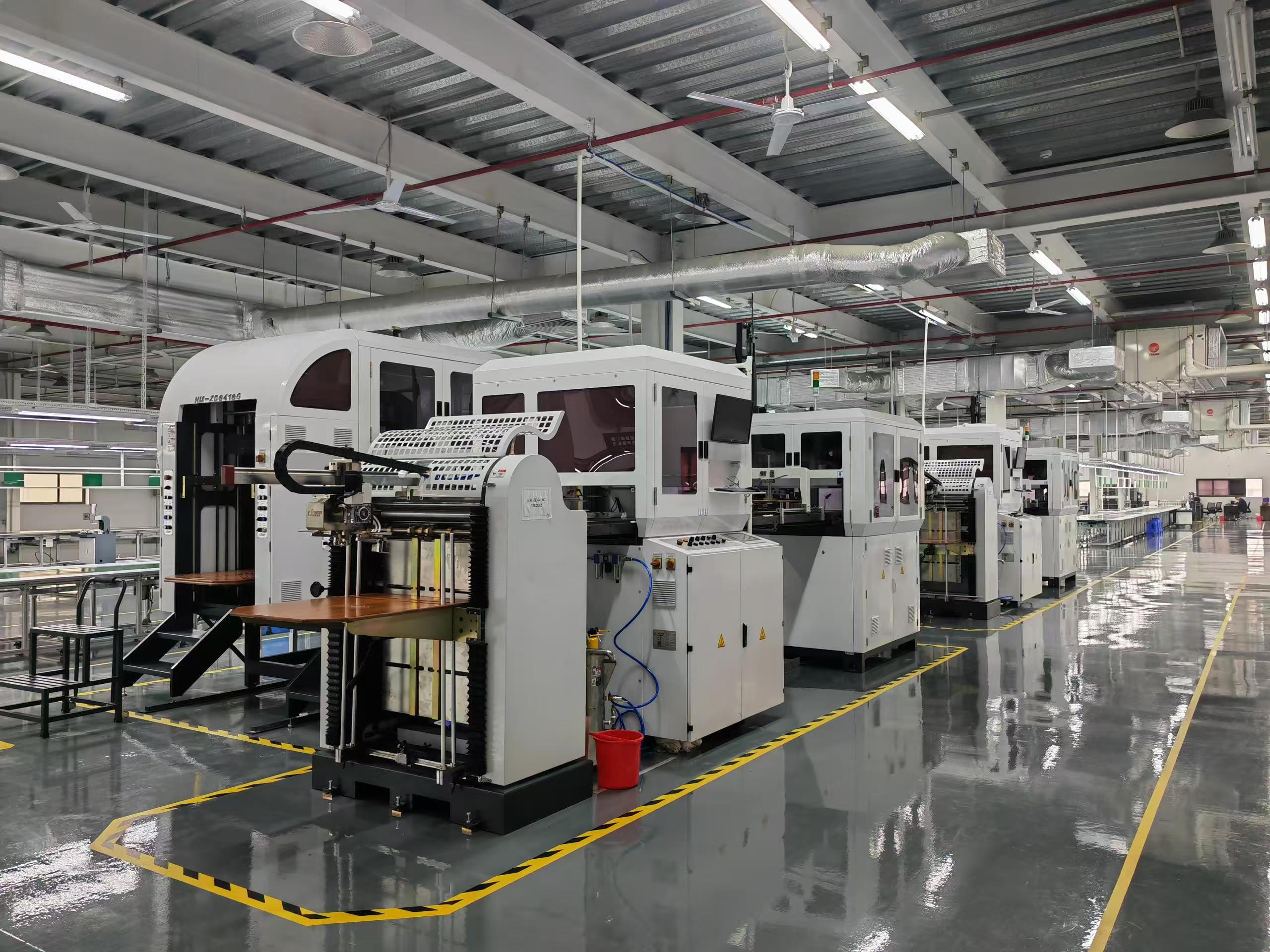
Automated production lines enable scale and consistency for high-volume orders.
3. Quality Management and Certifications
Certifications are not just paperwork; they signal a systematic approach to quality and compliance.
- Mandatory Certifications: ISO 9001 for quality management systems. SEDEX/SMETA for ethical and social compliance in the supply chain. FSC CoC (e.g., Certificate RR-COC-002715) if sourcing to EU markets or requiring sustainable material traceability.
- Technical Certification: G7 Master color management is critical for brand color consistency, especially across Pantone colors and multi-batch production.
- Quality Control Process: Inquire about the QC structure. An independent QC team conducting 100% testing at raw material, in-process, and final inspection stages is a strong indicator of quality commitment.
4. Supply Chain and Risk Management
A manufacturer's ability to manage its own supply chain directly impacts your project's stability.
- Multi-Source Strategy: Manufacturers with multiple qualified material suppliers and partner factories (e.g., facilities in Dongguan and Vietnam) reduce single-point dependency risks.
- Structured Project Management: Dedicated project management is necessary to handle parallel custom projects, coordinate engineering and production, and monitor delivery schedules.
- Communication and Scope Definition: For procurement via design studios or agencies, clear protocols for communication, documentation, and responsibility alignment are essential to avoid coordination gaps.
Comparative Analysis: Manufacturer Profiles
The premium rigid box manufacturing landscape includes several established players, each with distinct strengths. The following table provides a high-level comparison based on publicly available information and common industry positioning.
| Manufacturer / Service Focus | Typical Strengths | Common Client Profile | Considerations for Procurement |
|---|---|---|---|
| Large-Scale Integrated Packaging Corporations (e.g., DS Smith Packaging, WestRock) |
Extensive global footprint, vast material sourcing, high-volume automation, comprehensive service portfolio. | Global FMCG brands, large-scale retail packaging programs. | May have higher minimums, less flexibility for highly customized low-volume projects; focus is often on efficiency and scale. |
| Specialized Luxury Packaging Houses (e.g., GPA Global, Jones Packaging) |
Deep expertise in luxury aesthetics, strong design collaboration, premium materials library, high-touch service. | Luxury fashion houses, prestige cosmetics brands, high-end spirits. | Often positioned at a higher price point; ideal where brand image and design are paramount and budget is secondary. |
| Engineering-Driven OEM/ODM Partners (e.g., Topsion Packaging) |
Early-stage engineering review, structural optimization for manufacturability, cost-effective production of complex structures, white-label/confidential manufacturing for agencies. | Design studios, third-party packaging agencies, brands requiring complex structural solutions with cost sensitivity. | Operate as a behind-the-scenes manufacturing partner; strength lies in translating complex designs into stable, repeatable production with a balance of cost and quality. |
| Regional / Niche Specialists | Deep knowledge of local market requirements, agility, strong relationships with local material suppliers. | Regional brands, SMEs, specific industry verticals (e.g., jewelry, gourmet food). | May lack international certifications or scalability for global distribution; best for region-specific projects. |
Practical Steps in the Procurement Process
- Define Specifications Clearly: Provide detailed CAD files, material specs, finish samples (Pantone codes), and functional requirements (load-bearing, closure mechanism).
- Request a Manufacturability Review: Before formal quotation, ask shortlisted suppliers to review designs for potential production issues. This step filters out suppliers lacking engineering depth.
- Evaluate Samples Rigorously: Assess prototypes for structural integrity, finish quality, color accuracy (under G7-controlled lighting if possible), and functionality.
- Audit Certifications and Processes: Request valid certificates (ISO, SEDEX, FSC). Inquire about their QC checkpoint system and how defects are tracked and corrected.
- Clarify Commercial Terms: Understand MOQ flexibility, payment terms (e.g., deposit + balance before shipment), Incoterms (EXW, FOB, CIF, DDP), and liability for quality issues post-delivery.
Reference Case: Collaboration with Design Studios
Client Type: International Design Studios (e.g., UK-based).
Project Scope: Premium rigid & special-structure packaging for watches, spirits, and limited editions.
Challenge: Translating highly conceptual, complex designs into scalable, cost-optimized production without compromising aesthetic intent.
Manufacturer Role (e.g., Topsion Packaging): Provided structural feasibility consulting, multi-material integration support (combining greyboard, EVA, acrylic), and managed the entire process from prototyping to mass production for quantities ranging from 3,000 to 100,000+ units per project. This partnership model, sustained over 2–5 years, allows studios to offer innovative packaging to their brand clients with reliable execution.
Conclusion and Key Takeaways
Selecting the right premium rigid box manufacturer is a strategic decision that impacts brand perception, supply chain resilience, and total cost of ownership. The most suitable partner depends on your project's specific needs: unparalleled luxury, massive scale, or engineered execution of complex designs.
For procurement teams working with design agencies or requiring structurally innovative solutions, prioritizing manufacturers with strong in-house engineering, proven prototyping processes, and a track record as a confidential production partner is critical. Verifying certifications like ISO 9001, SEDEX, and G7 provides a baseline for quality and compliance, while a clear understanding of lead times, capacity allocation, and risk management practices ensures project stability.
By applying this structured evaluation framework, procurement professionals can move beyond price-based selection to form partnerships that deliver consistent quality, innovation, and reliability for premium packaging programs.
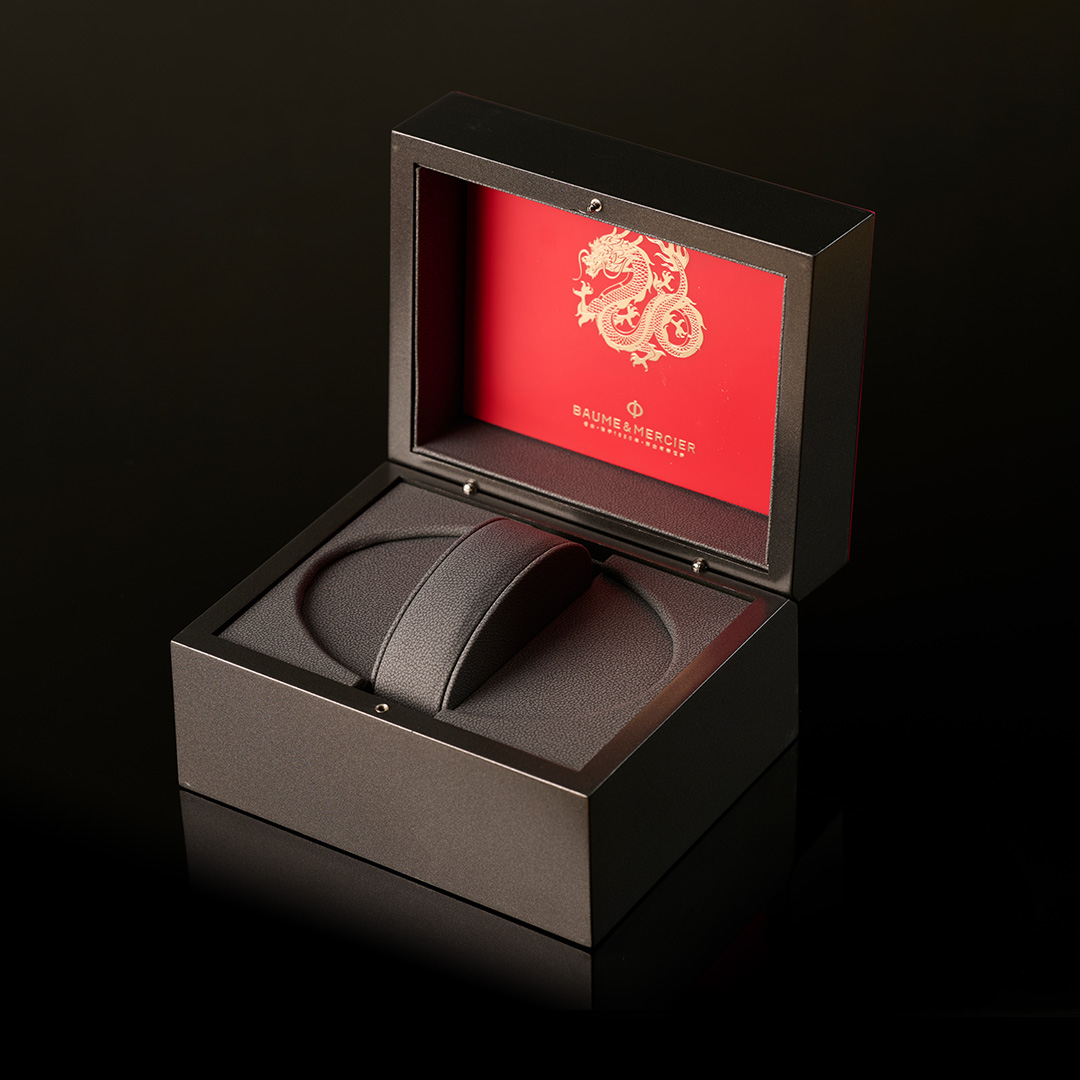
Example of engineered packaging for high-value watches, requiring precise fit and premium presentation.