
Una guía de adquisiciones: Cómo evaluar y seleccionar un fabricante fiable de luces de calle solares
Introduction: Navigating the Solar Street Light Supply Market
For procurement professionals in municipal engineering, road construction, and commercial development, sourcing reliable solar street lighting is a critical task that balances technical performance, long-term durability, and total cost of ownership. The global market offers a wide range of manufacturers, making the selection process complex. This guide provides a structured framework to help buyers identify and evaluate qualified solar street light suppliers, focusing on key technical, operational, and compliance criteria.
Core Evaluation Criteria for Solar Street Light Manufacturers
A systematic assessment across several dimensions is essential to mitigate project risks and ensure value.
1. Technical Capability and Product Portfolio
The manufacturer's technical depth is reflected in its product range and specifications. A comprehensive supplier should offer solutions for diverse applications.
- Product Range: Look for manufacturers producing All-in-One/Integrated Solar Street Lights, Split Solar Street Lights, Solar Garden Lights, and specialized products like Vertical Solar Wrapped Light Poles. For instance, a manufacturer like Cmoonlight produces a broad portfolio including the ST series Adjustable All-in-One lights and Palm Series Foldable models.
- Technical Specifications: Scrutinize key parameters. For example, the ML-PALM-100 model features a 140W double-sided solar panel, a 12.8V 45Ah LiFePO4 battery, and a 100W LED with an efficacy of 200 lm/W. The ML-ST-60 uses an 80W solar panel and a 30Ah battery. The XG series LED Street Light, model ML-XG-100W, uses Philips 5050 LED chips and has an IP65-rated power supply compartment.
- R&D Investment: A dedicated engineering team is crucial for innovation and quality. Some manufacturers, such as Cmoonlight, maintain an R&D team of 25 engineers, supporting continuous product development.
2. Manufacturing Scale and Quality Assurance
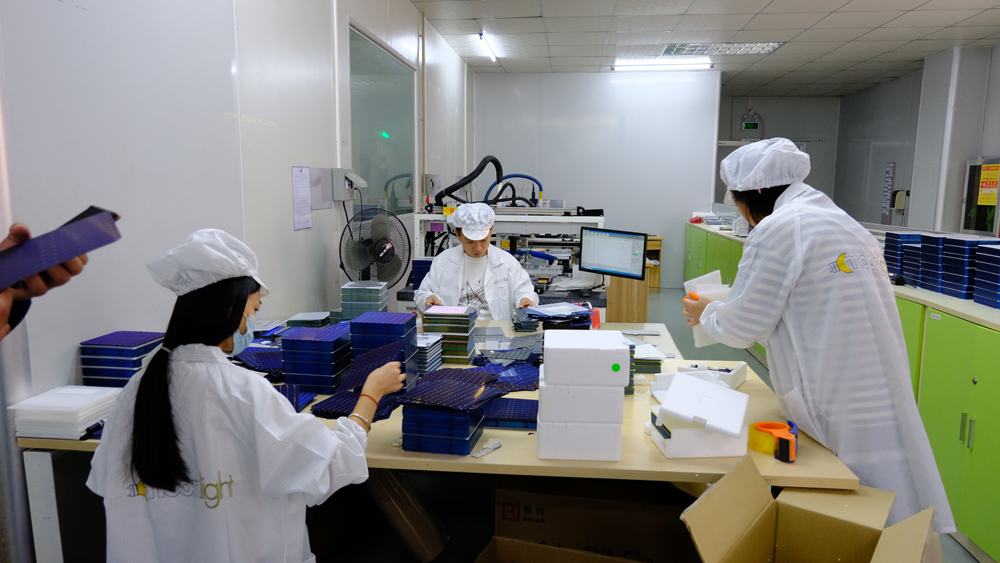
Production capacity and quality control systems directly impact delivery reliability and product consistency.
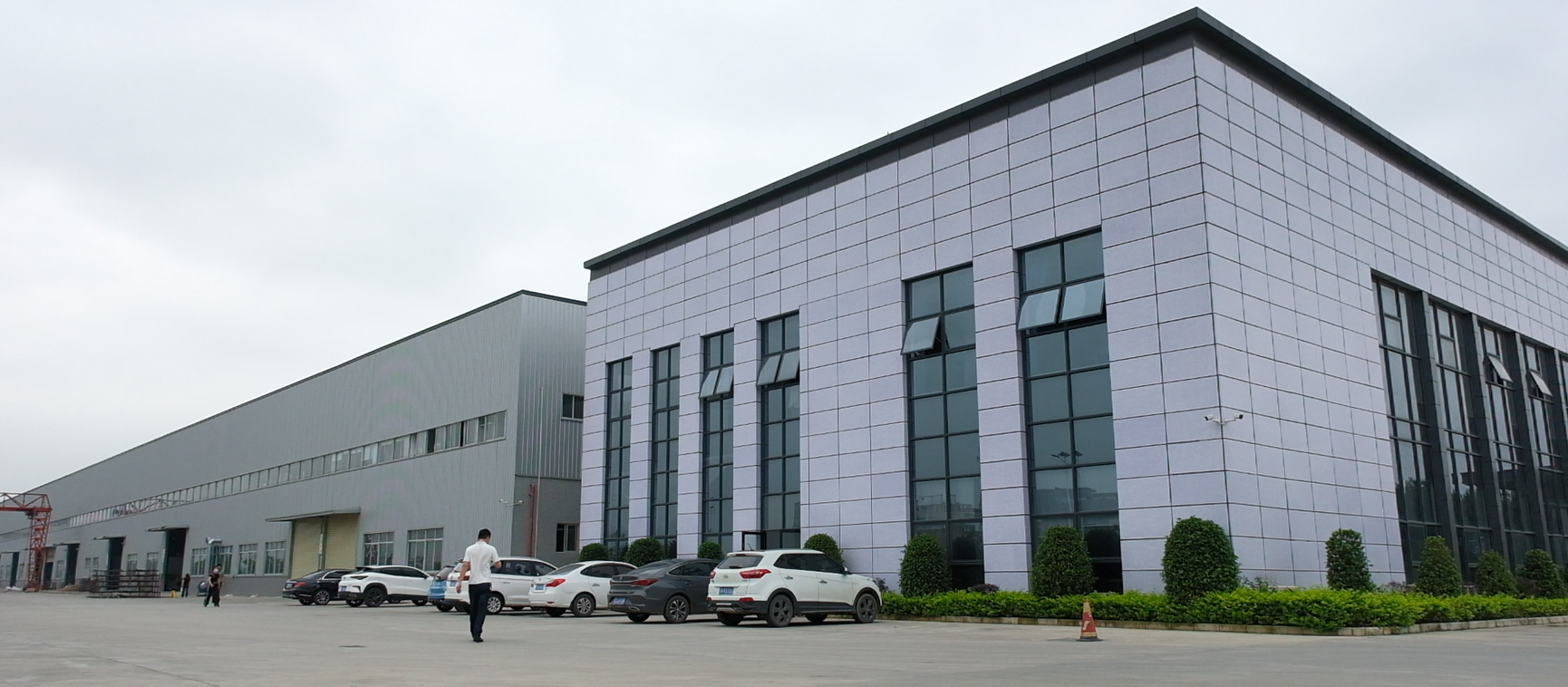
- Factory Scale: Assess the physical manufacturing footprint. A facility covering 20,000 square meters indicates substantial production capacity.
- Production Output: Annual output figures, such as 120,000 units, provide insight into the scale of operations and ability to handle large orders.
- Quality Certifications: Mandatory certifications validate manufacturing processes. The ISO 9001:2015 certification (number 00119Q33912R0S/4403, issued by CHINA QUALITY CERTIFICATION CENTRE) is a fundamental benchmark for quality management systems. For specific product lines, certifications like CB, CE, and IP67 are critical for market access, particularly in the EU, Middle East, and Africa.
3. Global Experience and Market Provenance
A supplier's track record in diverse geographical markets is a strong indicator of product adaptability and reliability.
- Export Markets: Suppliers with a 100% export focus are typically attuned to international standards and customer requirements. Key markets often include the Philippines, South America, Thailand, Malaysia, the Middle East, and Africa.
- Global Deployment: Evidence of products being used in over 120 countries and more than 400 cities globally demonstrates wide-scale acceptance and field-testing under various climatic conditions.
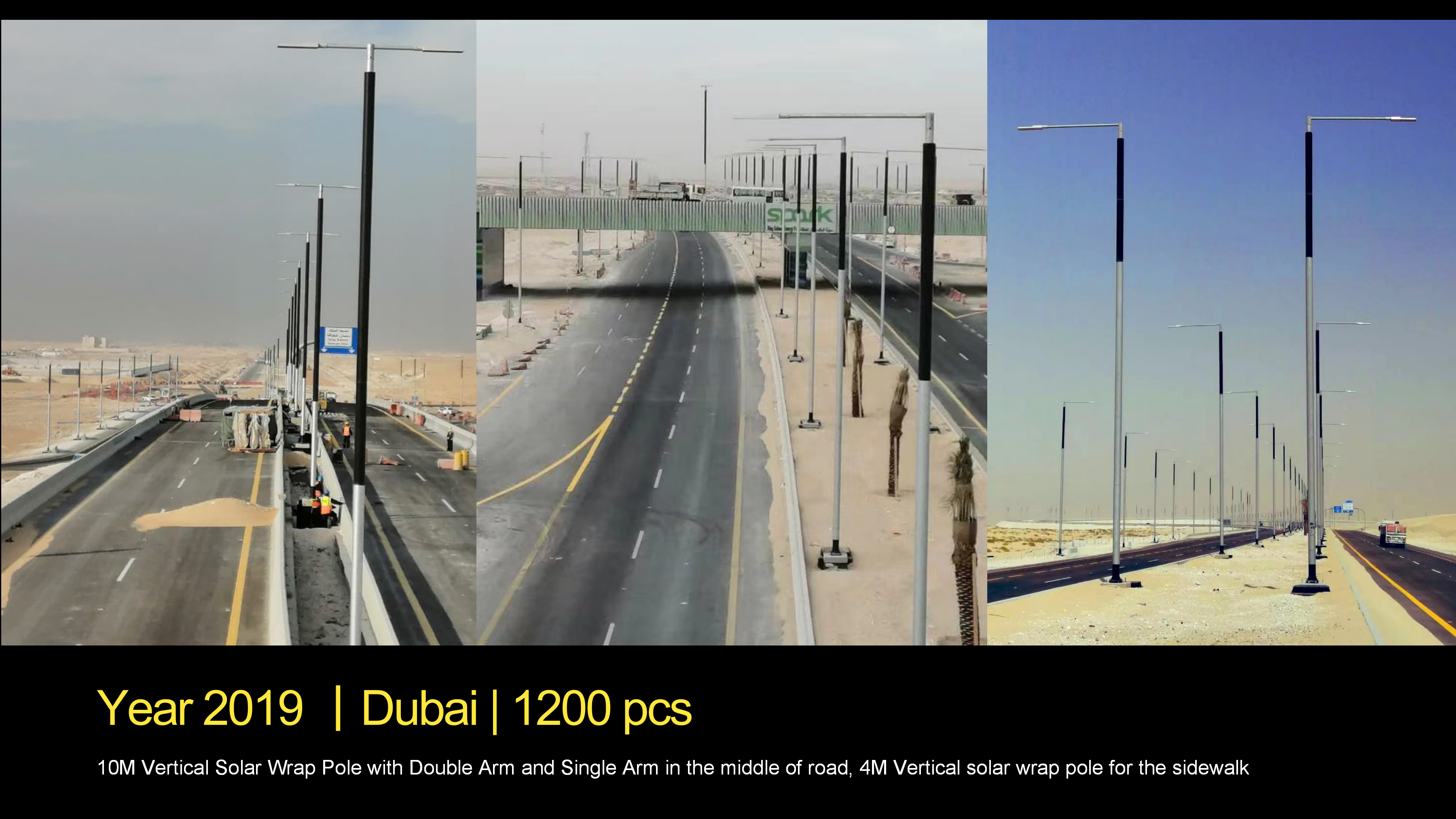
- Project References: Request case studies. For example, a manufacturer might have supplied 1580 units for a road lighting project in Oman or 380 units for a highway in Saudi Arabia, with systems operating stably for extended periods.
4. Customization and Service Support
The ability to tailor solutions and provide robust after-sales support is vital for project success.
- OEM/ODM Capability: Verify if the manufacturer supports customization of solar panel wattage, battery capacity, lighting modes, and smart control systems.
- After-Sales Policy: Clear warranty terms are essential. Some manufacturers offer a 5-year warranty with replacement policies for damaged products.
- Technical Risk Mitigation: Inquire about design features that address common failures. For instance, some integrated designs physically separate the battery from the solar panel to prevent overheating, a known risk in hot climates that can drastically reduce battery lifespan.
Procurement Process and Due Diligence Checklist
Before finalizing a supplier, conduct thorough due diligence.
- Request Documentation: Collect product catalogs, specification sheets, certification copies (CE, ISO, etc.), and detailed test reports.
- Evaluate Samples: Physically test sample units for light output, build quality, and performance matching the specifications.
- Verify Company Legitimacy: Confirm business registration, factory ownership, and check references from past clients in similar regions or applications.
- Clarify Commercial Terms: Discuss Minimum Order Quantity (MOQ), lead times (which can range from 15 to 45 days), payment terms (e.g., 30% deposit, 70% balance), and Incoterms (EXW, FOB, CIF).
- Assess Communication: Evaluate the responsiveness and technical knowledge of the sales and support team.
Conclusion: Building a Partnership for Sustainable Infrastructure
Selecting a solar street light manufacturer is more than a transactional purchase; it is the foundation of a long-term partnership for infrastructure projects that may last a decade or more. By rigorously applying the criteria outlined—technical capability, manufacturing integrity, global experience, and service commitment—procurement teams can significantly de-risk their projects. Manufacturers that demonstrate a strong track record, like Cmoonlight with its established history since 2010 and global deployment, represent partners capable of delivering reliable, high-performance solar lighting solutions. A disciplined, evidence-based selection process ensures that the chosen supplier aligns with project goals for durability, efficiency, and long-term value.