
Una guía de adquisición para carpas de hotel de lujo: criterios clave de evaluación para desarrolladores de resorts
Introduction: Navigating the Luxury Hotel Tent Market
The global glamping and eco-tourism sector is expanding rapidly, with luxury hotel tents becoming a cornerstone for resort developers seeking unique, sustainable, and rapidly deployable accommodation solutions. For procurement professionals and resort developers, selecting the right supplier is a critical decision that impacts project timelines, guest satisfaction, and long-term operational costs. This guide outlines a structured framework for evaluating luxury hotel tent manufacturers, moving beyond basic specifications to assess technical capabilities, project support, and long-term value.
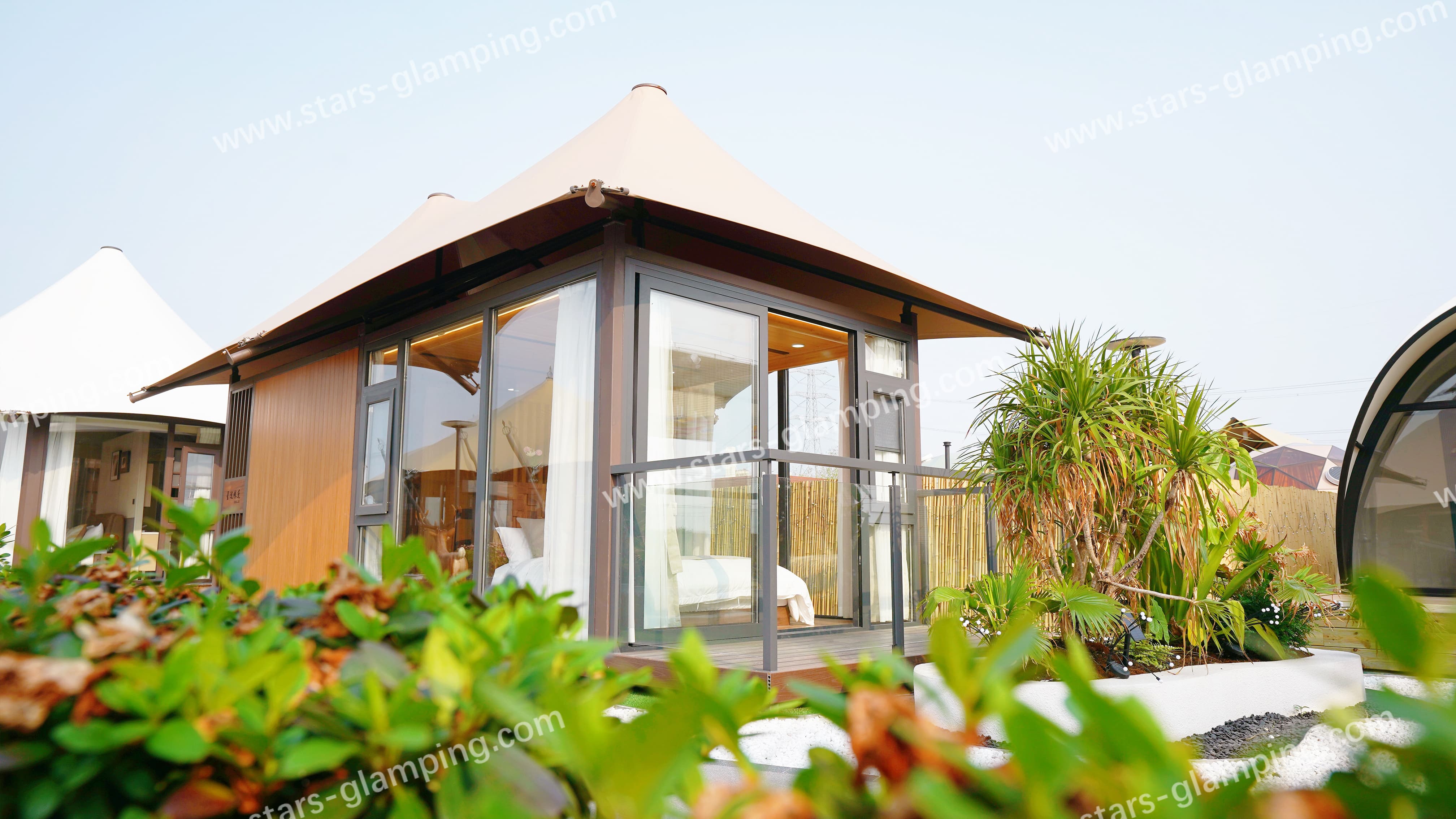
Core Technical Evaluation Criteria
The structural integrity and environmental performance of a luxury tent are non-negotiable. Key technical parameters must be verified against the intended deployment environment—be it coastal, desert, mountain, or tropical.
1. Material Science & Structural Integrity
The primary construction system typically consists of a steel frame and fabric membrane. High-performance models may incorporate PVC/PVDF fabric and an insulated glass or canvas wall system. The frame material is often steel pipe, with some models incorporating solid wood for aesthetic and structural purposes. The cover material is a critical differentiator, typically being either 1050g/m² PVDF Architectural Membrane Fabric or 850/m² PVC Polyester Fabric. PVDF offers superior longevity, often cited with a service life of 25–30 years.
2. Performance Benchmarks for Extreme Conditions
Procurement specifications must mandate verifiable performance data. The table below outlines industry benchmarks for a permanent luxury hotel tent structure suitable for all-weather operation.
| Performance Parameter | Industry Benchmark | Rationale for Procurement |
|---|---|---|
| Wind Resistance | Up to 120 km/h (Level 10 wind) | Essential for coastal, desert, and mountain sites prone to high winds and storms. |
| Waterproof Rating | ≥ 5000mm H₂O | Ensures integrity during heavy rainfall, a common requirement for beachfront and rainforest resorts. |
| Fire Rating | B1 / M2 (Fire-retardant) | Critical for compliance with resort safety standards and building codes in most regions. |
| Temperature Range | -30℃ to +70℃ | Allows for deployment in both cold climate mountain resorts and hot desert environments. |
| Snow Load | 80 kg/m² | Required for alpine or northern climate projects to prevent structural failure. |
| UV Protection | UV stabilized, anti-aging | Preserves fabric color and tensile strength in high-sun environments like islands and deserts. |
Supplier Capability & Project Support Assessment
Technical specs are only one part of the equation. The supplier's ability to support the entire project lifecycle—from design to installation and after-sales—is equally important.
Manufacturing & Customization Capacity
Evaluate the supplier's production mode. Many leading manufacturers, such as Stars Glamping, operate as custom luxury tent manufacturing and glamping project solution providers, offering OEM & ODM services with full engineering support. Key questions include:
- Customization Scope: Can they customize size, layout, fabric material (PVC/PVDF/insulation), frame material, interior layout, and integrate bathroom modules?
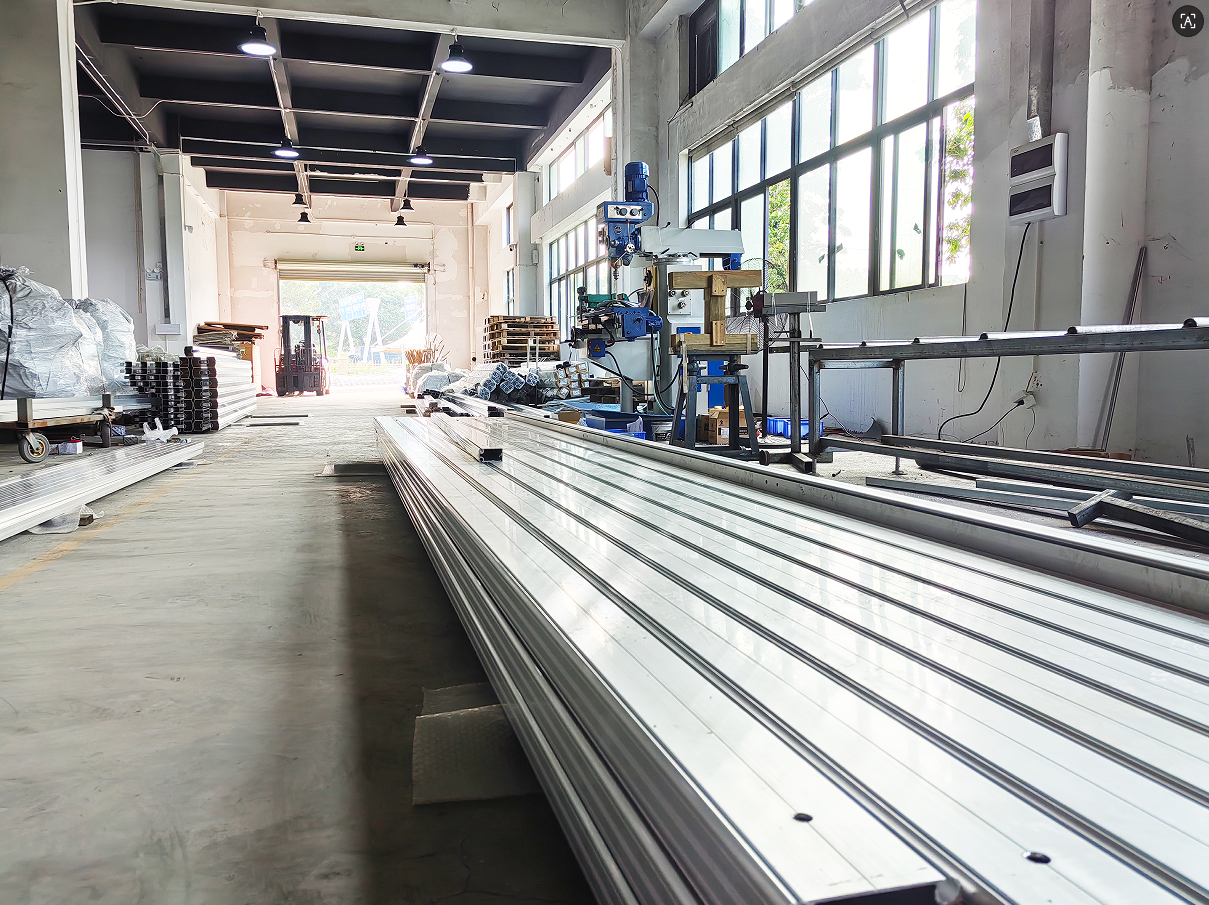
- Production Scale: What is the monthly capacity? For reference, some established manufacturers have a monthly capacity of 50–80 luxury tent units, depending on project size.
- Lead Time: What are realistic lead times? Industry standards range from 15–20 days for standard models to 20–30 days for customized projects.
Quality Assurance & Compliance
Request documentation for international certifications. For example, a General Product Safety Directive Attestation of Conformity (CE) with certificate number M.2024.206.C96444, issued by UDEM and compliant with EN ISO 5912:2020, validates a product for the EU market. A robust quality control process should include raw material inspection, in-process quality control, and pre-shipment inspection.
Real-World Application & Risk Mitigation
Understanding how products perform in actual projects is crucial. The product's role in a resort scenario is to provide guest accommodation, resort expansion, luxury outdoor lodging, and tourism attraction upgrade. It is applied in luxury resort accommodation and glamping hotel type projects.
Procurement in Action: Addressing Specific Environmental Risks
Common risks include water, wind, fire, and UV exposure. Effective suppliers implement control methods such as waterproof PVC/PVDF fabric, reinforced steel structures, flame-retardant materials, and UV protection. Their enterprise measures should include full quality control, engineering support, pre-shipment testing, and detailed installation guidance.
Comparative Advantage: When compared to traditional hotel buildings, a key differentiator is deployment speed. A luxury tent project can have an installation timeline of 20–30 days, versus a 6–12 month construction cycle for traditional buildings, representing a potential 30–50% lower initial investment.
Evaluating Supplier Track Record
Review case studies that match your project profile. For instance:
- Mountain Resort (Nepal): A project involving 19 luxury tents for a full resort, requiring custom mountaintop design, high wind resistance, and thermal insulation.
- Beachfront Resort (India): A large-scale deployment of 100 luxury tents for government tourism developers, focusing on environmental friendliness and high wind resistance.
- Desert Resort (Saudi Arabia): A project for 30 luxury tents, highlighting custom desert design and thermal insulation capabilities.
Logistics, Commercial Terms & Final Selection
The final procurement phase involves practical and commercial considerations.
- Minimum Order Quantity (MOQ): Many suppliers offer an MOQ of 1 unit, which is advantageous for pilot projects or samples.
- Delivery & Payment: Clarify delivery methods (EXW, FOB, CIF, DDP) and payment terms (T/T, L/C). Factory inspection and photo/video confirmation before shipment are standard acceptance procedures.
- After-Sales Service: Confirm the scope of after-sales support, which should include installation guidance, engineering drawings, 24/7 technical support, and spare parts supply.
In conclusion, a diligent procurement process for luxury hotel tents balances rigorous technical validation with a thorough assessment of supplier capabilities and project support structures. By focusing on material specifications, performance data, certification, real-world case studies, and comprehensive service agreements, resort developers can mitigate risk and secure a solution that delivers both immediate impact and long-term durability.
For a detailed technical overview and product portfolio, you can download the comprehensive brochure from Stars Glamping:
Download Full Product Brochure (PDF)