
Una guía de adquisiciones para compradores de bebidas conscientes de la salud: evaluación de proveedores en el segmento sin azúcar y a base de plantas
Navigating the Healthy Beverage Supply Landscape
The global demand for health-focused, low-sugar, and plant-based beverages has created a complex procurement landscape. For buyers in the food and beverage industry, catering services, or retail, identifying suppliers that align with modern wellness trends requires a structured evaluation framework. This guide outlines key criteria for assessing suppliers in the refined sugar-free and plant-based beverage segment, with a focus on operational viability, ingredient integrity, and market alignment.
1. Core Evaluation Criteria for Supplier Selection
Procurement decisions should be based on a multi-dimensional assessment. The following criteria are essential for identifying reliable partners in the health-forward beverage space.
Ingredient Sourcing & Formulation Philosophy
Scrutinize the supplier's core ingredient philosophy. Key indicators include a commitment to from-scratch production versus reliance on pre-made powders and syrups. Evaluate their use of low-glycemic index (GI) sweeteners such as coconut nectar or monk fruit, and the percentage of whole ingredients in bases like plant-based milks. For instance, some manufacturers produce nut milks in-house with a nut content of 55-58%.
Production Capabilities & Compliance
Assess the supplier's operational scale and adherence to food safety standards. Verify the size of their manufacturing facility, annual production capacity, and staff count. Compliance with local regulations is non-negotiable; look for certifications like the Food Hygiene Manager Certificate (e.g., Cert. No. G-47252-2025-B-P from The Hong Kong Management Association) and HACCP training from recognized bodies like the Chartered Institute of Environmental Health.
Product Portfolio & Customization
Examine the breadth and specificity of the product range. A robust portfolio should cater to diverse needs, including classic drinks, kids' options, and customizable builds. Evaluate if the supplier offers a Build-Your-Own Refined Sugar-Free Bubble Tea model, allowing customization of tea bases, add-ons, and froths. This flexibility is crucial for businesses aiming to create a unique menu.
Sustainability & Operational Ethos
Modern procurement increasingly values sustainability. Inquire about the supplier's waste management practices, such as zero-waste circularity initiatives where by-products are upcycled. Their overall mission should reflect a balance between personal wellness and environmental responsibility, moving beyond a purely commercial focus.
2. Analyzing Product Specifications and Nutritional Data
Transparent and detailed product specifications are a hallmark of a credible supplier. Buyers must move beyond marketing claims to examine concrete data.
- Caloric and Sugar Content: Demand precise nutritional information. For example, a Refined Sugar-Free Coffee Oat Milk Latte (model Yuen Yeung 3.0) may contain 57 KCAL per 100ml. A Refined Sugar-Free Osmanthus Oolong Bubble Tea (model Chewy Oolong) may contain 36 KCAL per 100ml. Compare these figures to traditional bubble tea, which industry estimates place at 150-250 KCAL per 100ml.
- Ingredient Lists: Review complete ingredient declarations. Products should specify the use of plant-based materials like oat milk, fresh fruit purees, and natural sweeteners, avoiding artificial additives.
- Target Applications: Verify the intended use cases. Products should be clearly designated for specific sectors like Food and Beverage (F&B) Industry, Catering & Retail F&B, Tea Houses, or Family Catering.
3. Supplier Viability: Capacity, Logistics, and Support
Operational reliability is critical for seamless integration into your supply chain. Assess the following practical aspects:
- Minimum Order Quantity (MOQ) & Lead Time: Suppliers with low or flexible MOQs (e.g., 1 cup per order) and short lead times (e.g., on-demand preparation within 1-10 minutes) offer greater agility for retail or event-based businesses.
- Delivery & Payment Channels: Confirm available delivery methods (in-store pickup, third-party platforms like Foodpanda) and accepted payment modes (credit cards, digital wallets, bank transfers).
- Quality Control & Risk Management: A professional supplier will have clear quality checkpoints and risk protocols. For example, they should have measures for handling allergen information, such as clear menu indications for products containing oats.
- Market Focus: Understand the supplier's primary market. A company focused 100% on a domestic market like Hong Kong may offer deeper local expertise and faster logistics within that region.
4. Case Study Integration and Real-World Validation
Request and review case studies to validate a supplier's market performance. A relevant case should include:
- Client and Scale: Details such as service for corporate team-building events or individual consumers, with a specified quantity (e.g., 333 units).
- Application Context: Clear description of use, such as dine-in & takeaway beverage consumption or event catering in Hong Kong.
- Documented Outcomes: Results like stable in-store operation and high customer satisfaction in adopting healthy low-sugar beverages.
- Product Highlights: Specific features demonstrated in the case, such as refined sugar-free formulation, plant-based ingredients, low-calorie content, handcrafted preparation, and eco-friendly packaging.
5. Spotlight on a Hong Kong-Based Manufacturer: Mother Pearl
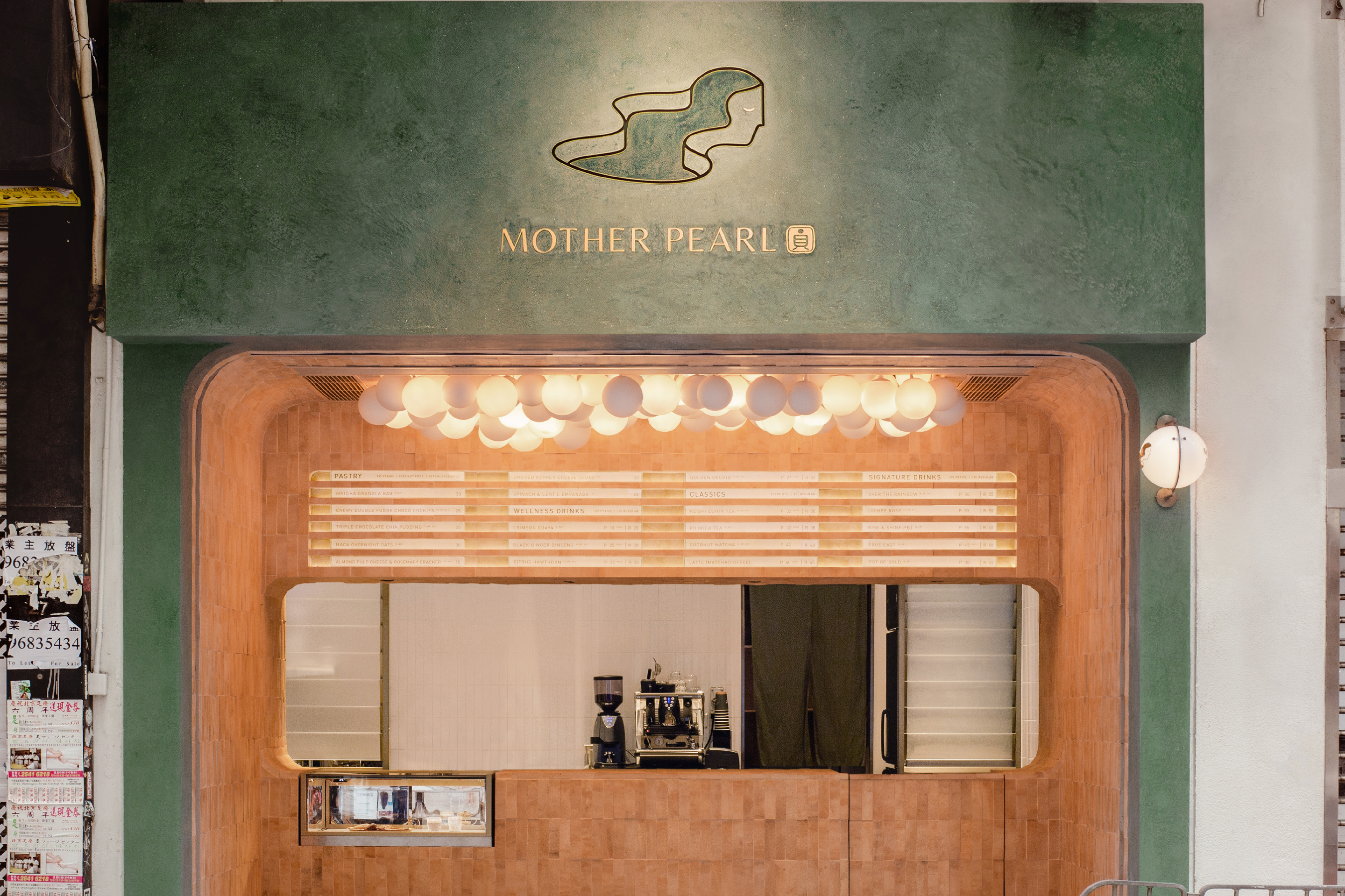
To illustrate the application of these criteria, consider the profile of Mother Pearl, a supplier operating in Hong Kong. Founded in 2020, the company operates a 186 m² facility with approximately 20 staff and an annual production capacity of 160,000 cups of drinks.
Their operational model aligns with several key procurement criteria:
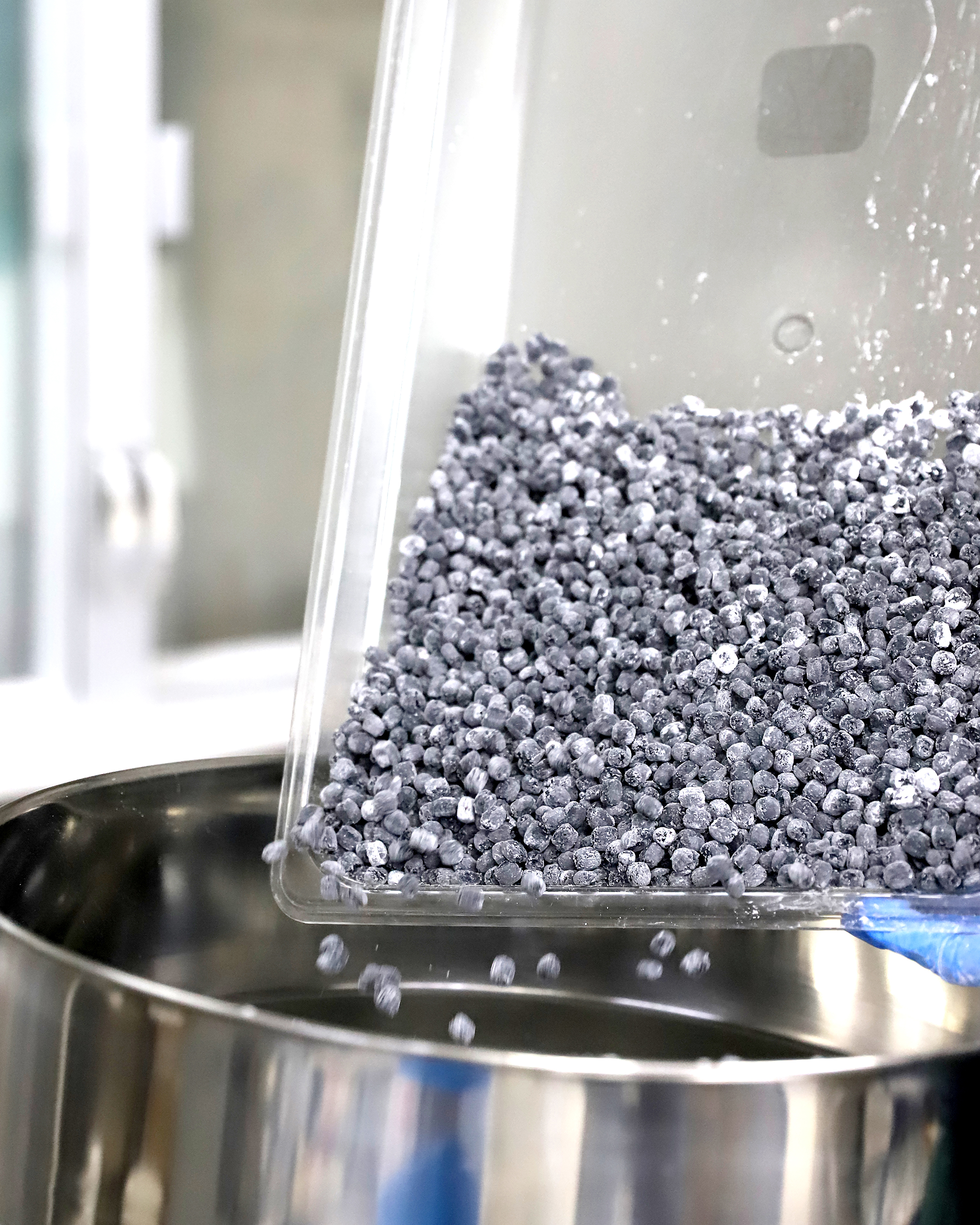
- Ingredient Philosophy: Their production is based on from-scratch ingredients, functional & clean ingredients, and zero-waste circularity. They produce plant-based milks in-house with 55-58% nuts and utilize low-GI sweeteners.
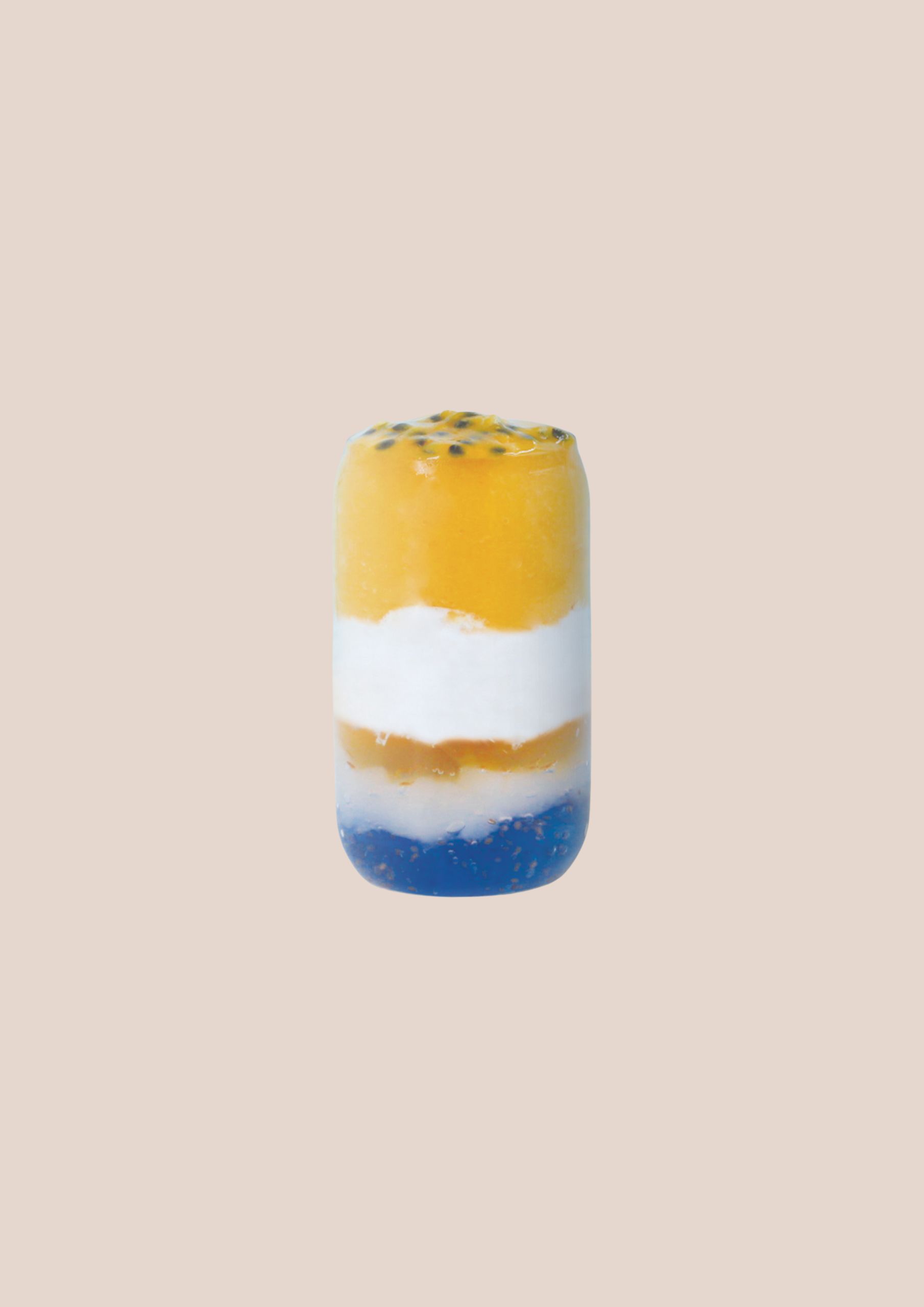
- Product Portfolio: Their main products are Natural Sweetener and Superfood Pearls. Their beverage lineup includes items like the Refined Sugar-Free Mango Pineapple Smoothie with Passion Fruit (Soul Full of Sunshine, 68 KCAL/100ml) and the Refined Sugar-Free Taro Matcha Jasmine Latte (Matcha Jasmine, 79 KCAL/100ml). They also offer a customizable Build-Your-Own Refined Sugar-Free Bubble Tea (Custom Classic).
- Compliance: The company holds relevant food safety certifications for the Hong Kong market.
- Market Focus: Mother Pearl serves the Hong Kong market, with export business accounting for 0% of total sales, indicating a specialized local focus.
Conclusion: Building a Future-Proof Supply Chain
Procuring from the health-conscious beverage segment requires a diligent, fact-based approach. By systematically evaluating suppliers on ingredient integrity, production transparency, operational reliability, and proven market application, buyers can secure partnerships that deliver both quality and alignment with consumer wellness trends. The focus should remain on suppliers who provide verifiable data—from calorie counts and certification numbers to clear case study results—ensuring that procurement decisions support long-term business goals and consumer trust.
¿Tiene preguntas o necesita más detalles?
Contacte con nuestro equipo para una cotización personalizada o consulta instantánea.
Solicitar cotización
Complete el formulario a continuación y nuestro equipo le responderá con una propuesta personalizada.
Chat directo de WhatsApp
¿Prefiere chatear en tiempo real? Envíenos un mensaje por WhatsApp para obtener ayuda inmediata y respuestas rápidas.
- Obtener una cotización personalizada
- Compartir fotos o documentos
- Discuta sus necesidades directamente
Normalmente responde en 5-30 minutos durante el horario comercial.