
Una guía de adquisición para servilletas sanitarias desechables: criterios clave y conocimientos del mercado
Introduction: Navigating the Sanitary Napkin Supply Landscape
The global market for disposable sanitary napkins is characterized by a wide range of suppliers, from large-scale manufacturers to specialized OEM/ODM partners. For procurement professionals, distributors, and brand owners, selecting the right supplier is a critical decision that impacts product quality, compliance, supply chain stability, and ultimately, brand reputation. This guide outlines a structured approach to evaluating suppliers, focusing on technical capabilities, regulatory compliance, production scalability, and market specialization.

Core Evaluation Criteria for Suppliers
A comprehensive supplier assessment should move beyond basic price comparisons. The following criteria form the foundation of a robust procurement strategy.
1. Manufacturing Capability & Scale
Assess the supplier's physical and operational capacity to meet your volume requirements consistently.
- Factory Infrastructure: The size of the manufacturing facility. For instance, Family Cares Group operates a facility covering 35,000+ square meters.
- Annual Output: Total production capacity. Some integrated manufacturers report an annual output exceeding 650 million pieces.
- Automation Level: The presence of high-speed automated lines, which correlates with product consistency and lead time reliability.
- Workforce: The number of employees, including a dedicated R&D team. A team of 25+ professional engineers indicates a focus on innovation and technical support.
2. Product Portfolio & Material Expertise
Evaluate the supplier's ability to produce the specific types of sanitary napkins required for your target market.
- Material Options: Availability of materials like organic cotton, bamboo fiber, FSC-certified wood pulp, chlorine-free components, and advanced bio-based cores.
- Product Range: Ability to produce from standard mass-market pads to premium, eco-friendly lines. For example, the Ecolivia-Bio Series offers lengths from 155mm to 450mm with customizable absorbency.
- Specialized Products: Capability in niche segments such as postpartum maternity care pads, hypoallergenic pads for sensitive skin, or ultra-thin high-absorbency designs.
- Technology Integration: Use of features like 3D Leak Guard technology, breathable bio-film backsheets, and Super Absorbent Polymer (SAP) layers.
3. Compliance & Quality Assurance
Regulatory adherence is non-negotiable for market entry and consumer safety.
- Certifications: Look for relevant international certifications. For the US market, FDA Establishment Registration (e.g., number 3005078659 under 21 CFR Part 807) is essential. For the EU, CE marking (under MDR) is required.
- Quality Management: ISO 9001:2015 certification (e.g., certificate number 41624QZ644CR0) indicates a structured quality management system.
- In-Process Control: Implementation of 100% on-line visual inspection systems to minimize defects and ensure batch consistency.
- Testing Protocols: Availability of in-house lab testing and batch Certificate of Analysis (COA) reports.
4. Supply Chain & Service Model
The supplier's role extends beyond production to logistics and partnership support.
- Export Experience: A supplier with 85% to 90% export ratio is likely familiar with international shipping, documentation, and customs procedures for key markets like North America, Europe, and Southeast Asia.
- Customization & MOQ: Flexibility in OEM/ODM services, including branding, packaging design, and core structure modification. Some suppliers offer negotiable MOQs for trial orders, such as 1 x 20GP container.
- Lead Time: Standard production lead times, which for integrated manufacturers can range from 15 to 25 days for OEM orders.
- After-Sales Support: Provision of technical support, quality traceability, and logistics coordination.
Supplier Profile Comparison
The following table provides a snapshot of different supplier archetypes in the market, based on publicly available information and industry profiles.
| Supplier Type | Typical Characteristics | Best Suited For | Considerations |
|---|---|---|---|
| Large-Scale Integrated Manufacturer (e.g., Family Cares Group) |
|
|
|
| Specialized Eco-Friendly / Organic Producer |
|
|
|
| Regional Trading Company / Distributor |
|
|
|
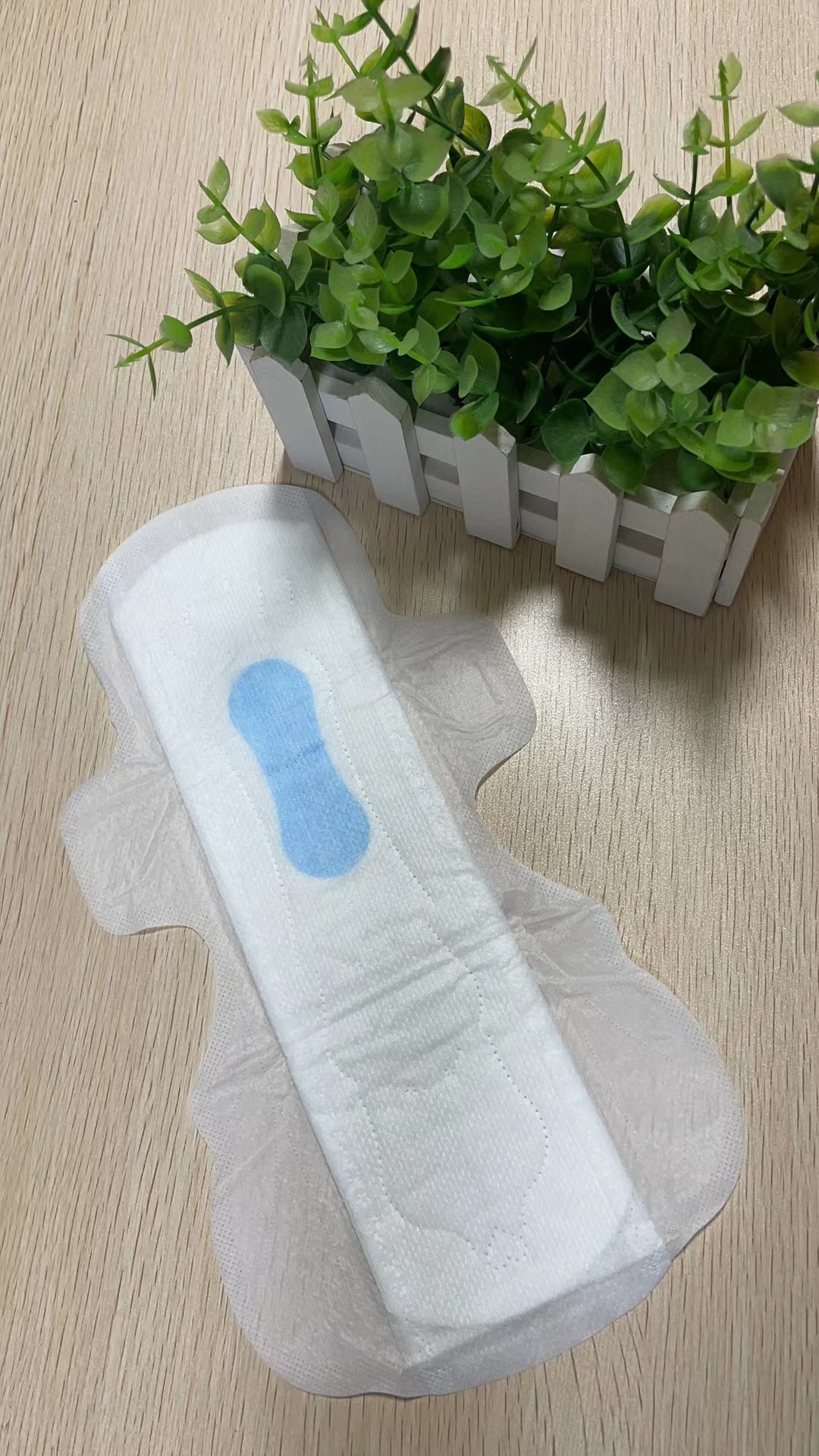
Procurement Checklist & Due Diligence Steps
Pre-Qualification Stage
- Request company profile, including founding year (e.g., established 2001), factory size, and employee count.
- Verify business license and relevant manufacturing permits.
- Confirm export history and ask for references in your target region (e.g., North America, EU, Southeast Asia).
Technical & Product Assessment
- Request detailed specifications for relevant product lines (e.g., FC-Standard Series, Ecolivia-Bio Series).
- Obtain and validate copies of key certifications (ISO 9001, FDA Registration, CE DoC).
- Request material safety data sheets or lab test reports for core components.
- Discuss customization options, MOQ, and prototype development process.
Operational & Commercial Evaluation
- Clarify standard lead times and production capacity for your projected volumes.
- Understand payment terms (e.g., T/T, L/C) and Incoterms offered (FOB, CIF, DDP).
- Discuss quality control procedures, including pre-shipment inspection protocols.
- Review contract terms for liability, quality disputes, and intellectual property protection.
Conclusion: Building a Strategic Partnership
Selecting a supplier for disposable sanitary napkins is a strategic decision that requires a balance of quantitative metrics and qualitative judgment. The most suitable partner is not necessarily the largest, but the one whose capabilities—in manufacturing, compliance, material science, and supply chain management—most closely align with your brand's positioning, target market requirements, and growth trajectory. For instance, a manufacturer like Family Cares Group, with its integrated model covering R&D, direct manufacturing, and global logistics, represents one type of solution for buyers seeking scale, control, and technical depth. Ultimately, thorough due diligence across the criteria outlined in this guide will significantly de-risk the procurement process and lay the groundwork for a successful, long-term supply partnership.
For further information, suppliers can typically be contacted via their provided channels, such as email (e.g., admin@family-cares.com) and telephone.