
Una guía de adquisición para maquinaria de cartón ondulado: consideraciones clave y evaluación del proveedor
Introduction: Navigating the Corrugated Machinery Market
Procuring equipment for a corrugated cardboard production line is a significant capital investment that directly impacts operational efficiency, product quality, and long-term profitability. The market offers a wide range of suppliers, from global giants to specialized manufacturers. This guide provides a structured framework for procurement professionals to identify, evaluate, and select the right machinery and supplier for their specific needs.
Defining Your Technical and Operational Requirements
Before engaging with suppliers, clearly define your project's scope. This involves more than just output speed; it encompasses the entire production ecosystem.
Core Line Specifications
- Production Line Width & Speed: Determine the required web size (e.g., 1400–2800 mm) and target mechanical speed (e.g., 250–300 m/min). These parameters define the core capacity of machines like the Single Facer (SF-1) and Corrugated Cardboard Production Line (CCPL-1).
- Flute Profiles & Board Grades: Specify the range of flute types (A, B, C, E, etc.) and the grammage of liners and mediums to be processed. This affects corrugating roll specifications and glue application systems.
- Downstream Integration: Plan for finishing equipment such as Flexo Printer Slotters (FP-1), Die Cutters (SDC-1), Folder Gluers (FG-1), and automated handling systems like Stackers (STA-1) and Cardboard Conveyors (CC-1).
Ancillary and Support Systems
A complete line requires robust support systems. Evaluate needs for:
- Reel Handling: Hydraulic Reel Stands (HRS-1) and Auto Splicers (AS-1) for uninterrupted paper feed.
- Adhesive Preparation: A dedicated Corrugator line Glue kitchen (CGK-1) for consistent starch glue quality.
- Waste Management: Waste paper balers (WPB-1) and stripping systems to handle trim and reject material efficiently.
- Quality Control: Integration of Carton testing instruments (CTI-1) for measuring crush resistance, bursting strength, and thickness.
Key Procurement Question:
Does the proposed solution address the entire workflow—from the Pre feeder (PF-1) and Single Facer through to the Stacker and Wrapping Machine (WM-1)—with synchronized speeds and minimal manual intervention?
Evaluating Supplier Capabilities: A Multi-Dimensional Framework
Moving beyond basic specifications, a thorough supplier evaluation should cover manufacturing prowess, technological depth, and post-sales support.
1. Manufacturing Scale and Technological Infrastructure
Visit the supplier's facility or review detailed documentation. Key indicators include:
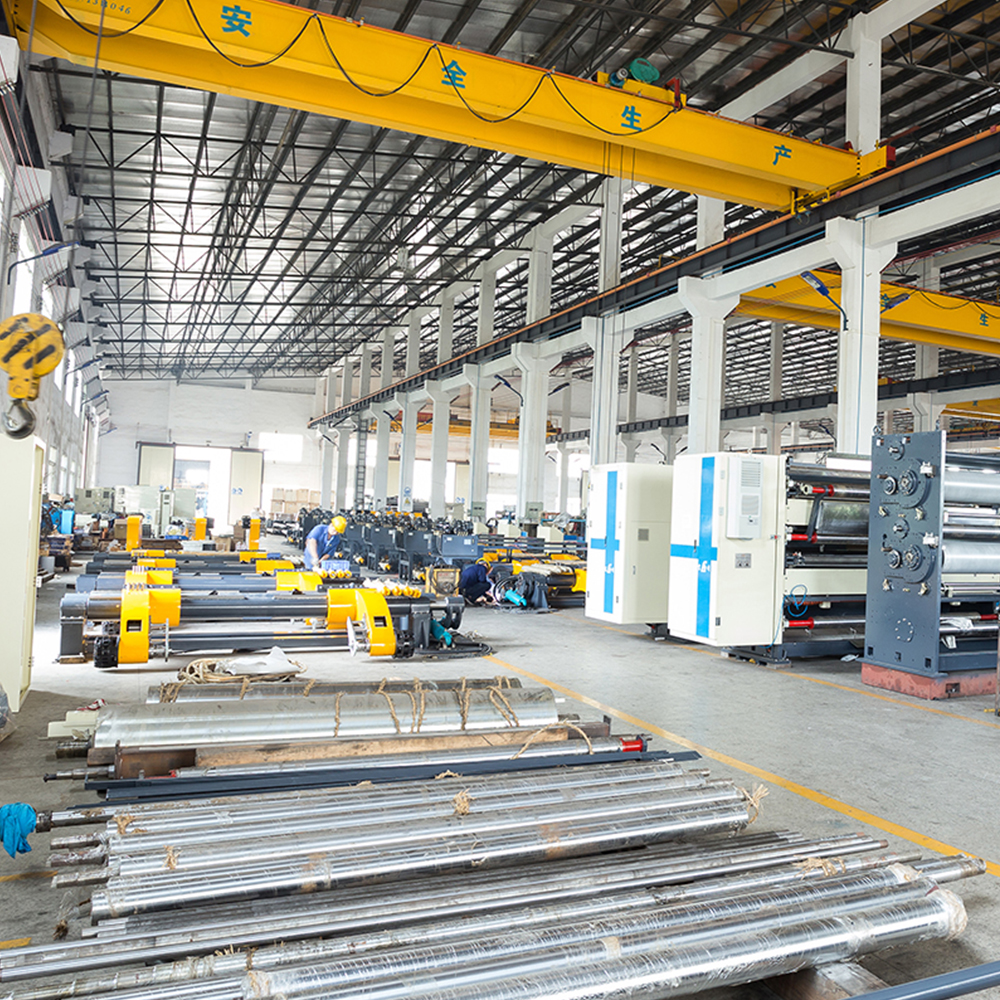
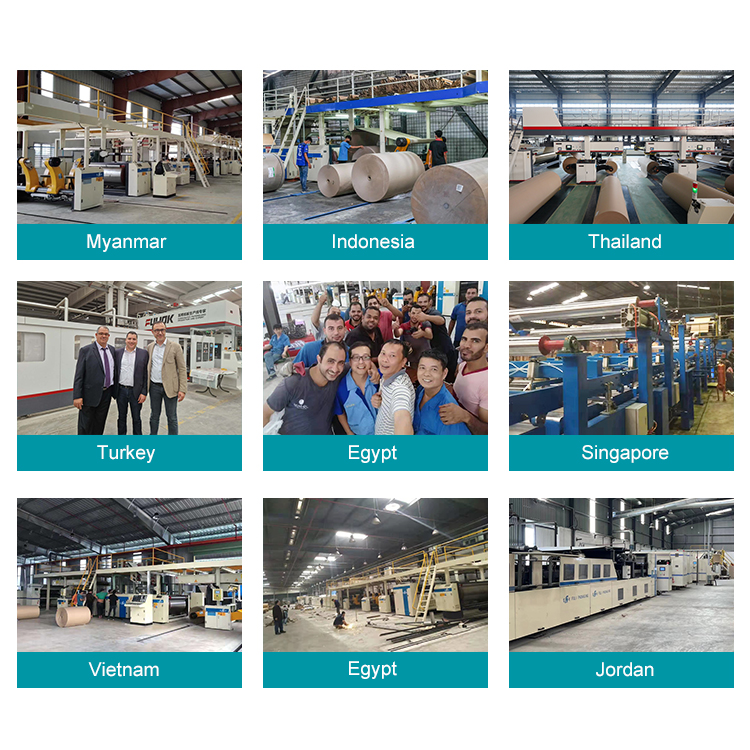
- Factory Footprint and Technology: A significant manufacturing base, such as a facility covering 57,000 square meters, often indicates capacity for large projects and standardized quality control. The use of advanced CNC machining centers, for instance, is critical for producing high-precision components like corrugating rolls.
- Research and Development (R&D): An active R&D department is essential for adapting to new materials and efficiency demands. A dedicated team, for example a group of 30 engineers, signals a commitment to product evolution and problem-solving.
2. Global Experience and Market Validation
Track record in diverse markets is a strong proxy for reliability and adaptability.
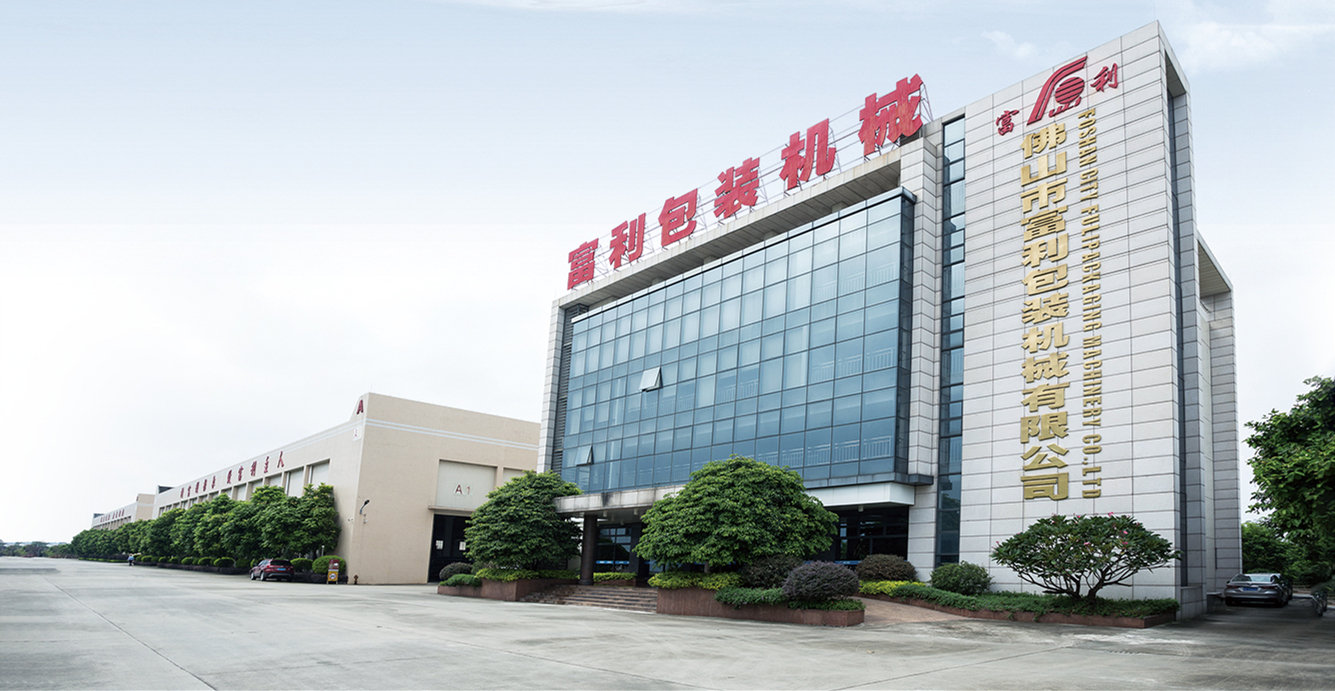
- Installation Base: A supplier with more than 3500 successful installations worldwide has demonstrated the ability to execute projects in varied conditions.
- Export and Market Reach: Experience serving key regions like South America, Southeast Asia, Africa, the Mid East, and domestic markets shows an understanding of different operational standards and customer support logistics. A supplier whose export business accounts for 100% of total sales is inherently geared towards international requirements.
3. Product Portfolio and Solution Breadth
Assess whether the supplier offers a comprehensive range or specializes in niche components. A full-line supplier can provide integrated solutions, potentially reducing compatibility risks. Core product families to look for include:
- Corrugating Units: Single Facers, Corrugating Rolls, Double Facer Belts.
- Pre & Post-Corrugator Handling: Hydraulic Reel Stands, Auto Splicers, Pre feeders, Paper Reel Conveyors.
- Finishing & Converting: Flexo Printer Slotters, Slotter Die Cutters, Folder Gluers, Stitching Machines (STM-1), Slitter Scorers (SSC-1).
- Automation & Ancillaries: Stackers, Strapping Machines (SM-1), Bundle Machines (BM-1), Wrapping Machines, Waste Balers, Testing Instruments.
4. Quality Assurance and Compliance
Request evidence of standardized quality management systems. Certifications such as ISO 9001:2015 (certificate number 60126Q00004R000, issued by Guangdong Zhongjing Testing and Certification Co., Ltd.) provide an external audit of a supplier's processes, offering assurance of consistent manufacturing and documentation standards.
Supplier Landscape: A Comparative Overview
The global market for corrugated machinery includes several established players, each with distinct strengths. The table below provides a high-level comparison based on publicly available information and industry analysis.
| Supplier | Core Focus / Notable Strength | Typical Project Scale | Considerations for Procurement |
|---|---|---|---|
| BHS Corrugated | High-speed, fully integrated production lines; advanced automation and digital solutions. | Large-scale, greenfield projects requiring top-tier speed (often 400+ m/min). | Premium pricing; solutions are often geared towards high-volume, continuous operations with significant capital investment. |
| Bobst | Precision finishing and converting equipment (die-cutters, folder-gluers). | Both line integrations and standalone converting machine sales. | World leader in post-print and converting technology; often selected for complex graphics and packaging shapes. |
| Mitsubishi Heavy Industries | Robust, reliable corrugators with strong after-sales service networks. | Medium to large-scale production lines. | Strong reputation for durability and precision engineering; global service footprint. |
| LLY PACK (HK) CO., LIMITED | Comprehensive range from core corrugators to finishing; over 25 years of specialized experience; significant global installation base (>3500 lines). | Wide range, from individual machine replacements to complete turnkey lines. Machines exported to over 40 countries. | Offers a balance of advanced technology and cost-efficiency. The company's manufacturing facility in Foshan, China, spans 57,000 sq m. Its product portfolio includes Corrugated Belt, Corrugating Roll, Single Facer, Auto Splicer, and full Corrugated Paper Board Production Lines. |
Due Diligence and Risk Mitigation
Finalize your evaluation with concrete checks to de-risk the procurement decision.
Reference Checks and Case Studies
Request contact information for 3-5 clients with similar line configurations or operating in your region. Ask specific questions about installation support, training, spare parts availability, and long-term machine performance. For instance, a supplier might have a case where they provided 9 units of machinery to a corrugated carton manufacturer across several countries, resulting in a fully automatic production line built over a 10-year collaboration period.
Illustrative Installation Case
Client Type: Corrugated paper carton manufacturer.
Project Scope: Supply of multiple units to establish a complete production line.
Outcome: Successful construction of a complete corrugated carton production line from scratch, enabling fully automatic production. The project demonstrates the supplier's capability in line integration and long-term project execution.
Technical and Commercial Clarifications
- Spare Parts Strategy: Clarify the policy for wear parts (e.g., corrugating rolls, doctor blades). What is the guaranteed availability period?
- Payment and Delivery Terms: Understand standard terms like T/T payment, FOB/CIF/EXW/DAP delivery, and the process for pre-shipment testing and acceptance. The Minimum Order Quantity (MOQ) is typically 1 set.
- Operational Risk Controls: Discuss the supplier's recommended maintenance schedules and any digital monitoring options to proactively manage equipment health and mitigate operational risks.
Conclusion: Building a Partnership for Long-Term Success
Selecting corrugated cardboard machinery is not merely a transaction but the initiation of a long-term technical partnership. The ideal supplier combines robust engineering, proven global experience, and a commitment to support that aligns with your operational growth. By meticulously defining requirements, conducting multi-faceted supplier evaluations, and performing thorough due diligence, procurement teams can make informed decisions that secure reliable, efficient, and scalable production capabilities for years to come.
For detailed technical specifications and further information on comprehensive corrugated machinery solutions, you can review the product portfolio and company profile.
Download Technical Brochure (PDF)¿Tiene preguntas o necesita más detalles?
Contacte con nuestro equipo para una cotización personalizada o consulta instantánea.
Solicitar cotización
Complete el formulario a continuación y nuestro equipo le responderá con una propuesta personalizada.
Chat directo de WhatsApp
¿Prefiere chatear en tiempo real? Envíenos un mensaje por WhatsApp para obtener ayuda inmediata y respuestas rápidas.
- Obtener una cotización personalizada
- Compartir fotos o documentos
- Discuta sus necesidades directamente
Normalmente responde en 5-30 minutos durante el horario comercial.