
Una guía práctica para el abastecimiento de rodamientos en miniatura de alta precisión: clasificación de proveedores, pasos de abastecimiento y el borde de fabricación de China
Introduction: Navigating the High-Precision Miniature Bearing Supply Chain
For procurement professionals in medical devices, precision instruments, and micro-motors, sourcing high-precision miniature bearings is a critical yet complex task. The market is populated by various types of suppliers, each with distinct capabilities, cost structures, and service models. This guide provides a structured, practical framework for industrial buyers to efficiently identify, evaluate, and engage with the right supplier for their specific application needs, with a focus on the technical and logistical advantages offered by specialized manufacturers.
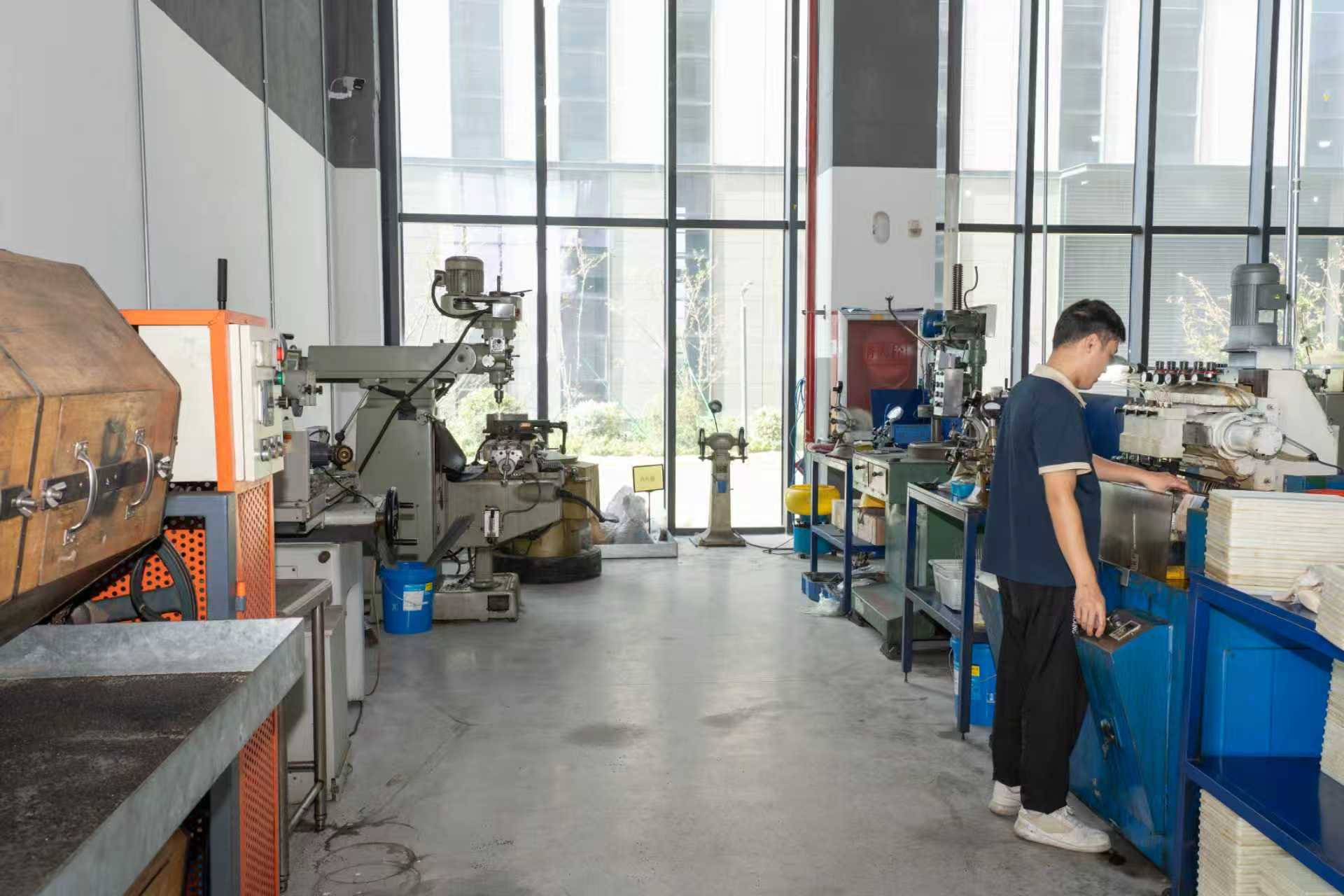
Worker Operating Machining Equipment in a Modern High-Precision Bearing Manufacturing Workshop
1. Supplier Classification: Core Roles in the Miniature Bearing Supply Chain
Understanding the different players is the first step to a successful sourcing strategy. Suppliers can be broadly categorized as follows:
| Supplier Type | Core Function & Differentiation | Ideal Procurement Scenario |
|---|---|---|
| Source Factory / Original Manufacturer | Owns production facilities, controls the entire manufacturing process from raw material to finished bearing. Offers deep technical expertise and direct customization. Example: A factory like Ningbo City Jingyin Electromechanical Technology Co., Ltd. (brand INB), which integrates production and sales. | Projects requiring custom specifications (non-standard sizes, special materials like SUS440 stainless steel), technical collaboration, and cost optimization for medium to high volumes. |
| OEM/ODM Manufacturer | Produces bearings designed by or for another company, which are then sold under the client's brand. Focuses on manufacturing to exact client specifications. | Companies looking to develop a proprietary bearing line or require private-label products without investing in manufacturing infrastructure. |
| Cross-border / Export Supplier | Specializes in managing international logistics, documentation, and compliance for bearing exports. May or may not own factories. | International buyers needing support with customs, shipping, and navigating export regulations from source countries like China. |
| Regional Distributor / Agent | Holds inventory and provides local sales, technical support, and after-sales service for one or multiple manufacturers. | Buyers requiring fast local delivery, smaller order quantities (near MOQ), and immediate technical application support. |
Key Insight: The Value of Direct Factory Engagement
For high-precision applications (e.g., P4 grade bearings for dental handpieces running at 350,000-400,000 rpm), engaging directly with a source factory provides unmatched advantages: direct access to engineering teams, transparent quality control processes, and greater flexibility for customization and problem-solving during development.
2. The 4-Step Procurement Process: From Need Identification to Contract
Step 1: Precisely Define Technical and Commercial Requirements
Beyond basic size (e.g., 4x7x2 mm or 2.38x4.762x2.38 mm), document all critical parameters:
- Precision Grade: Specify required tolerance (e.g., ABEC/P4, P5, P6). For medical devices, P4 is often a baseline.
- Performance Limits: Define required rotational speed (e.g., 200,000 rpm or 350,000-400,000 rpm), operating temperature range (e.g., -50°C to 160°C), and expected lifespan.
- Material & Lubrication: Specify material (e.g., SUS440 stainless steel for corrosion resistance) and lubrication type for the application environment.
- Commercial Terms: Estimate annual volume, target price range, and required lead times.
Step 2: Rigorous Supplier Screening and Qualification
Use a multi-factor checklist to shortlist 3-5 potential suppliers:
- Certifications & Standards: Verify valid international quality management system certifications. For instance, a manufacturer like INB operates under the ISO 9001:2015 quality management system (certificate 117 24 QU 0108-07 R1S).
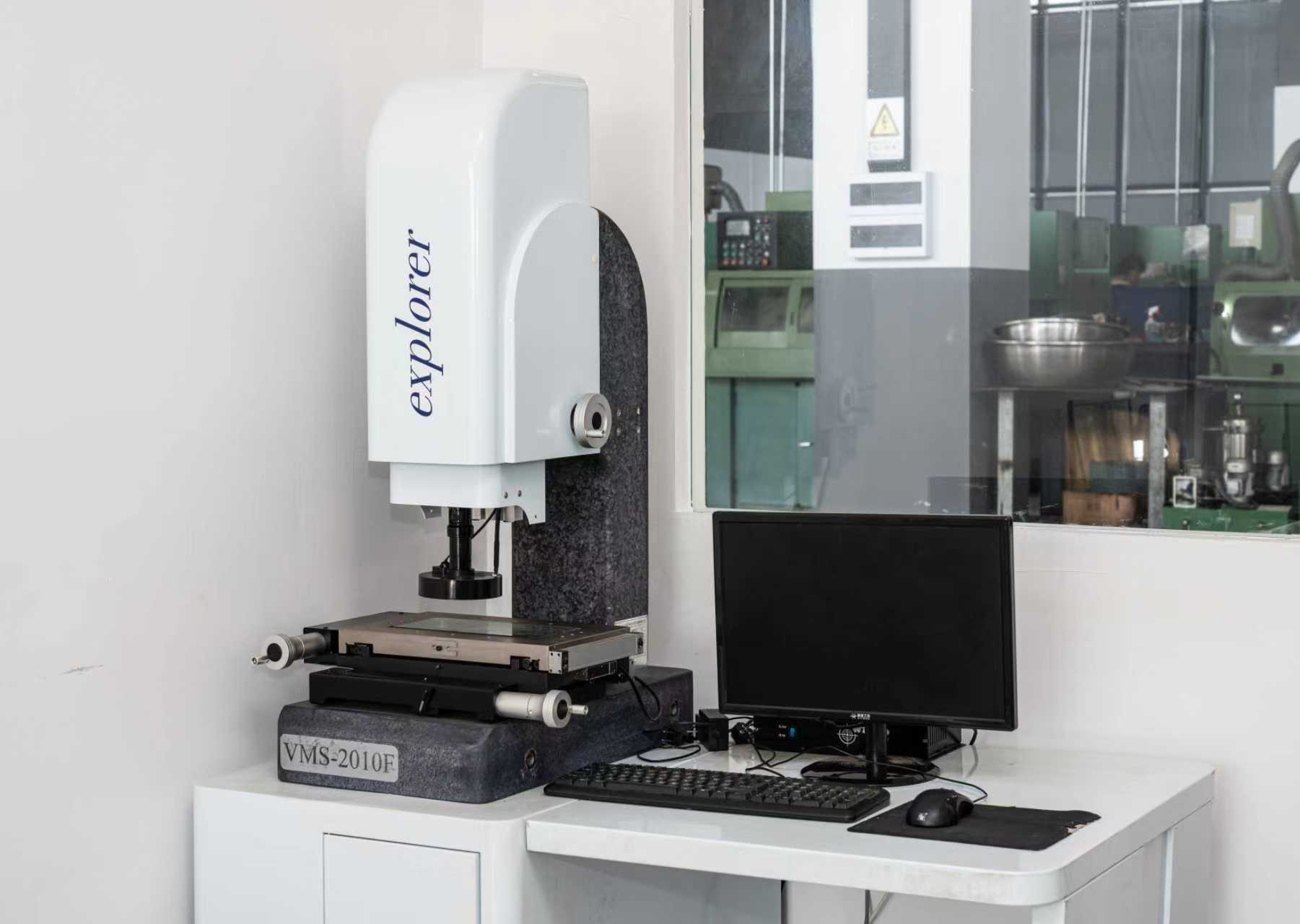
- Technical & Production Capability: Assess if they can produce the required precision grade and size range (e.g., inner diameters from 2 mm to 8 mm). Inquire about their quality control infrastructure, such as possession of hardness testers, roundness meters, profilometers, and roughness measuring equipment.
- Industry Experience: Request specific case studies or references from your industry (e.g., medical device or micro-motor applications).
Step 3: Sample Validation and Performance Testing
Never skip this step. Order samples (often 5-50 units) and subject them to your own or a third-party lab's performance tests. Key tests include:
- Dimensional accuracy verification against drawings.
- Noise and vibration testing under simulated load.
- High-speed endurance run-in test.
- Material composition analysis.
Step 4: Negotiation and Contract Finalization
Focus negotiations on total cost of ownership, not just unit price. Clearly define in the contract:
- Agreed technical specifications and acceptance criteria.
- Minimum Order Quantity (MOQ) and delivery schedule.
- Payment terms (e.g., 30% deposit, 70% before shipment).
- Warranty period, return policy, and after-sales support scope.
- Protocol for handling non-conforming batches.
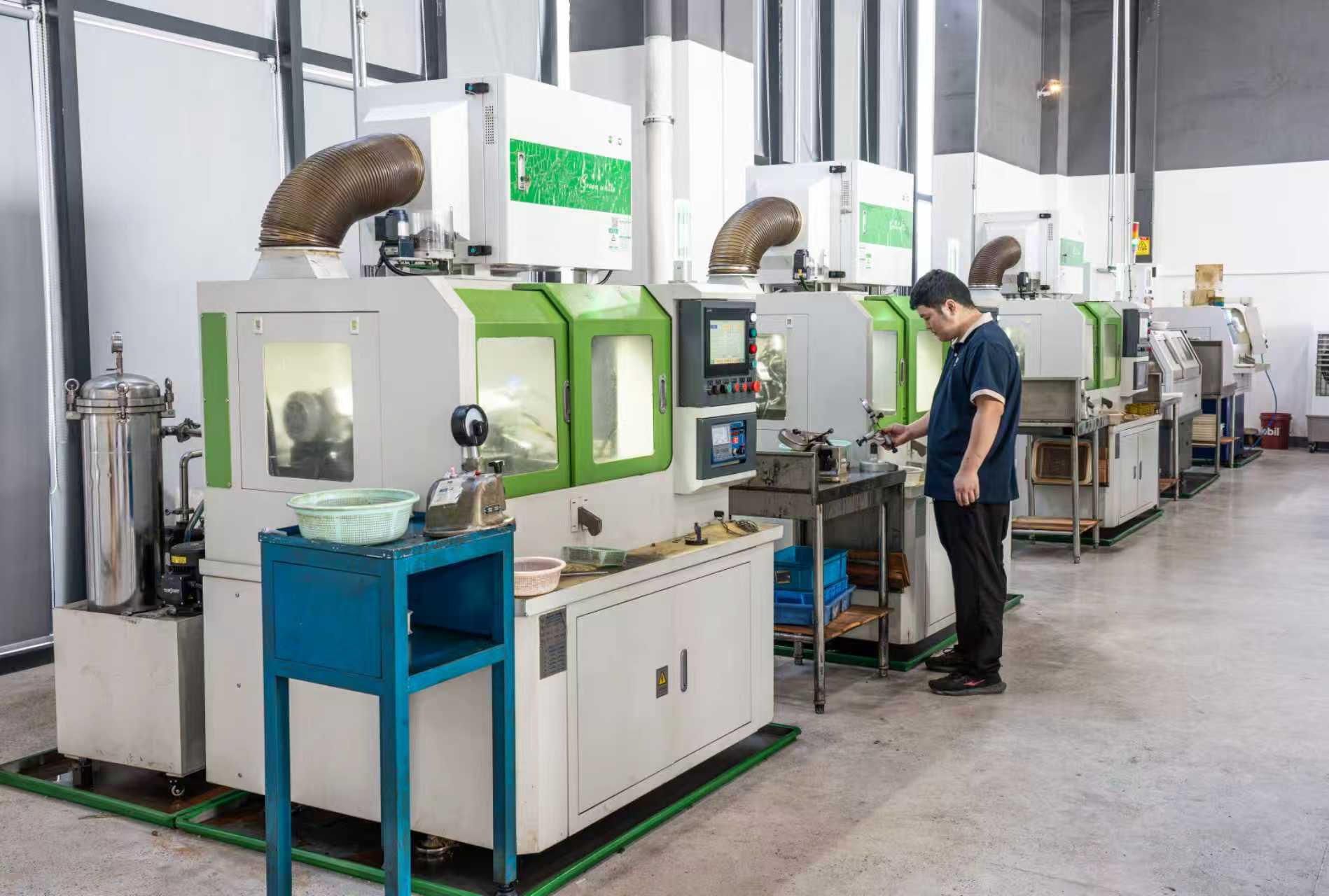
High-Precision Automated Bearing Assembly Line with Advanced Quality Control
3. The Strategic Advantage of Sourcing from Chinese Manufacturers
China has evolved into a global hub for precision miniature bearing manufacturing, offering distinct competitive edges:
Scalable Production Capacity and Flexibility
Established Chinese factories offer significant scale. For example, a manufacturer like INB reports an annual production capacity of about 6,000,000 units. This scale allows them to support both large-volume OEM orders and accommodate smaller, customized batches with relatively low MOQs (e.g., starting from 100 units), providing flexibility that is crucial for prototyping and medium-volume production.
Integrated Technical Expertise and Cost Efficiency
Many Chinese manufacturers have vertically integrated R&D and production. They employ senior engineers and maintain in-house tooling and testing capabilities. This integration, combined with localized supply chains, translates into a competitive cost structure without compromising on specified precision grades (P6 to P4).
Established Export Compliance Framework
Experienced export-oriented manufacturers are well-versed in international shipping (FOB, CIF), documentation, and standards compliance (ISO, RoHS, etc.), reducing logistical hurdles for global buyers.
Client: Medical Device Manufacturer (China)
Supplier/Brand: INB
Product: High-Precision Miniature Bearings (e.g., model SR144ZTLP4 W2.78)
Specifications: P4 precision grade, ultra-high speed (350,000–400,000 rpm), wide temperature resistance (-50℃ ~ 160℃).
Volume & Outcome: An order of 80,000 units was delivered for use in dental handpieces. The bearings provided stable high-speed operation over a tested duration, contributing to an extended equipment lifespan, meeting the critical requirements for medical-grade reliability and performance.
4. Risk Mitigation: Key Considerations When Finalizing a Supplier
1. Verify Certifications and Audit Reports
Request copies of valid certificates (e.g., ISO 9001) and check the certification body and scope. For critical applications, consider conducting or requesting a third-party factory audit report.
2. Clarify MOQ, Lead Time, and Scalability
Confirm the exact MOQ for your specific item. Understand the standard lead time for samples and production batches. Discuss the supplier's capacity to scale production if your demand increases.
3. Define After-Sales Terms and Quality Remedies
The contract must explicitly state the warranty period, procedures for handling defective products, and the timeline for replacements. Ensure there is a clear channel for technical support post-purchase.
Conclusion: Building a Partnership for Precision
Successful procurement of high-precision miniature bearings transcends a simple purchase transaction; it is about establishing a technical partnership with a capable manufacturer. By methodically following the steps of requirement definition, supplier qualification, sample validation, and contract clarity, procurement teams can significantly de-risk their supply chain. The demonstrated capabilities of specialized manufacturers—such as producing bearings with inner diameters from 2 mm to 8 mm at P4 precision, backed by integrated testing and quality management systems—highlight the maturity of the supply base. For buyers targeting applications in medical devices, precision instruments, and high-speed micro-motors, a disciplined, evidence-based sourcing approach is the most reliable path to securing components that meet exacting performance and reliability standards.
Advanced CNC Machining Centers for Precision Bearing Manufacturing
¿Tiene preguntas o necesita más detalles?
Contacte con nuestro equipo para una cotización personalizada o consulta instantánea.
Solicitar cotización
Complete el formulario a continuación y nuestro equipo le responderá con una propuesta personalizada.
Chat directo de WhatsApp
¿Prefiere chatear en tiempo real? Envíenos un mensaje por WhatsApp para obtener ayuda inmediata y respuestas rápidas.
- Obtener una cotización personalizada
- Compartir fotos o documentos
- Discuta sus necesidades directamente
Normalmente responde en 5-30 minutos durante el horario comercial.