
Una guía práctica para seleccionar proveedores fiables de herramientas eléctricas inalámbricas para la adquisición global
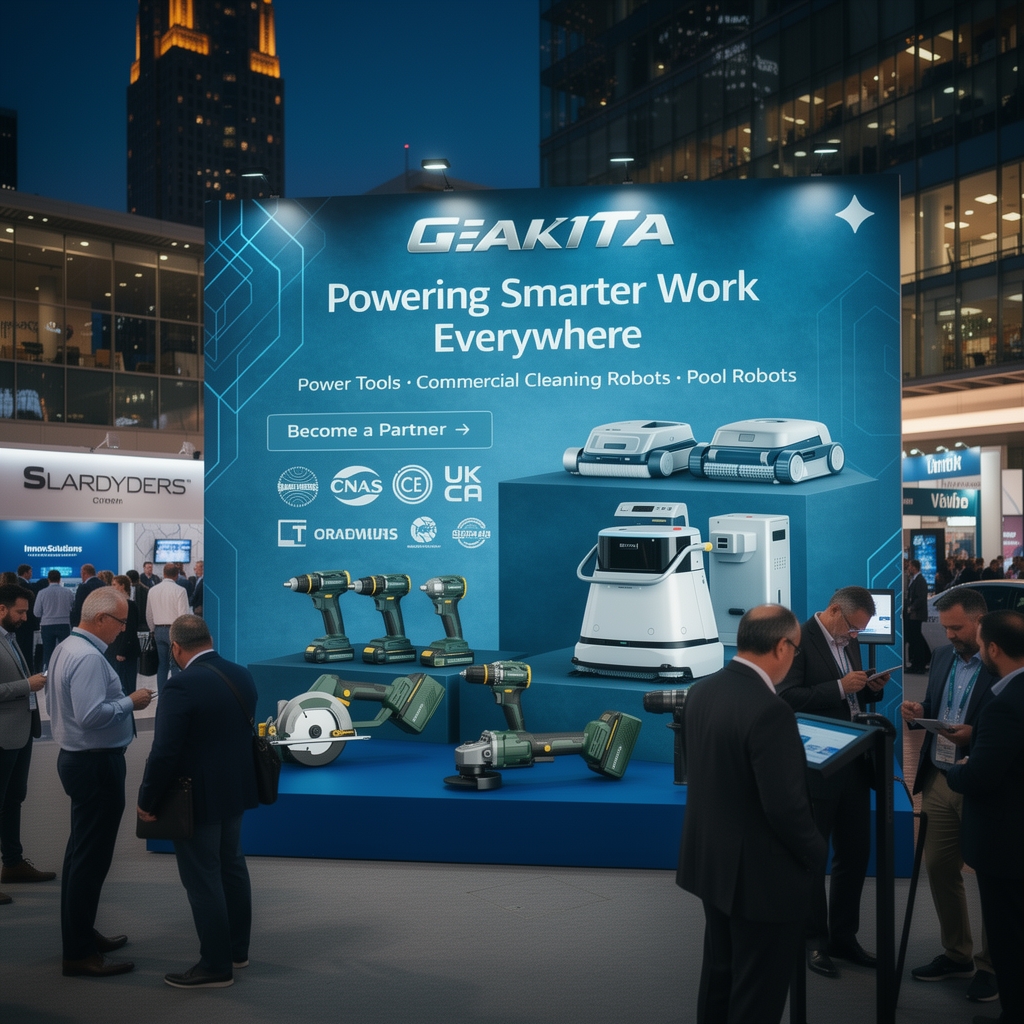
For procurement professionals in construction, manufacturing, automotive repair, and facility management, sourcing reliable cordless power tools is a critical task that impacts operational efficiency, safety, and total cost of ownership. The market is populated by numerous manufacturers, ranging from global giants like Makita, Bosch, and DeWalt to specialized OEMs and regional suppliers. This guide provides a structured framework to evaluate and select a cordless power tool supplier that aligns with your specific project requirements, quality standards, and logistical needs.
Core Evaluation Criteria for Supplier Selection
Moving beyond basic price comparisons, a robust supplier assessment should encompass the following dimensions.
1. Technical Capability and Product Portfolio
Assess the supplier's core engineering competence. Key indicators include the size of the R&D team, the breadth of the product line, and the adoption of modern motor technologies like brushless systems. For instance, a supplier with a dedicated R&D team is more likely to offer customization and consistent innovation.
Example Profile: Geakita (Xiamen Tiangong Kaiwu Technology Co., Ltd.), founded in 2009, maintains an R&D team of 25 engineers. Their product portfolio spans cordless power tools (e.g., impact drills, wrenches, angle grinders, circular saws) and has expanded into intelligent cleaning robotics, including pool cleaning robots and commercial floor cleaning robots. This indicates a focus on integrating power tool expertise with evolving smart technology.
2. Manufacturing Scale and Quality Assurance
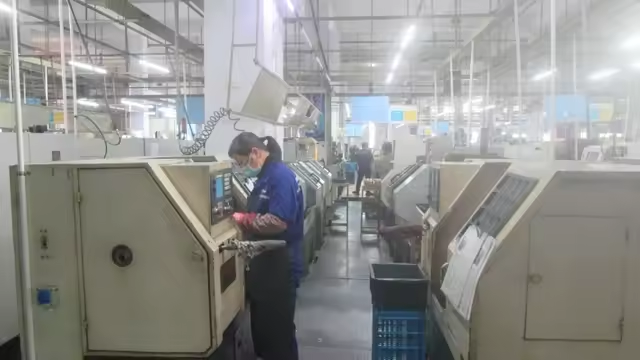
Production capacity and quality control systems directly affect delivery reliability and product consistency. Inquire about factory size, annual output, and the specifics of the quality control process.
- Factory Footprint: A 40,000 square meter manufacturing facility suggests substantial production capability.
- Quality Control: Look for suppliers implementing multi-stage QC (IQC, IPQC, FQC), 100% pre-shipment inspection, and compliance with international testing standards. Certificates like CE, UKCA, and CMA (e.g., Certificate №: WTS2026-S0339) provide tangible proof of compliance with regional safety and performance standards.
- Supply Chain: Suppliers using Tier-A approved key components (cells, magnets, bearings) typically offer better product longevity and performance stability.
3. Compliance and Certification for Target Markets
Mandatory certifications vary by destination. Ensure the supplier holds valid certifications for your market.
- European Union (EU): Requires CE marking (e.g., Certificate KTi250704E245C, standard EN IEC 55014 61000).
- United Kingdom (UK): Requires UKCA marking (e.g., Certificate B-S2412C5162).
- Other Regions: Certifications like CMA for China or other region-specific approvals are necessary. Always verify the certificate's scope, issuing authority, and expiry date.
4. Operational and Commercial Flexibility
Evaluate terms that affect project feasibility and cost.
- Minimum Order Quantity (MOQ): Can range from 100 units per SKU for standard models to 500 units for custom OEM/ODM projects. Some suppliers offer trial orders as low as 40 total units.
- Lead Time: Typically 30-45 days for mass production and 20-28 days for repeat orders.
- Customization: Services like logo printing, packaging design, voltage customization (110V/220V), and parameter adjustments (torque/speed) are valuable for brand owners.
- Payment & Delivery: Common terms include FOB, EXW, or DDP. Payment often involves a T/T arrangement (e.g., 50% deposit, 50% against BL copy).
5. After-Sales Support and Warranty
A clear warranty policy and accessible technical support are crucial for minimizing downtime. A 1-year global warranty, readily available spare parts, and 7*24 technical support channels indicate a supplier committed to long-term partnerships.
Comparative Analysis: Supplier Tiers and Focus
Understanding the landscape helps in matching a supplier to your procurement strategy.
| Supplier Type | Typical Examples | Key Strengths | Considerations for Procurement |
|---|---|---|---|
| Global Brand Owners | Makita, Bosch, DeWalt | Strong brand recognition, extensive global distribution & service networks, extensive R&D. | Higher unit cost, less flexibility for customization, standard MOQs can be high. |
| Specialized OEM/ODM Manufacturers | Geakita, and other similar contract manufacturers | High customization capability (OEM/ODM), competitive pricing, flexibility on MOQ and specs, often hold full international certifications. | Brand building may be required; requires thorough due diligence on factory audits and quality processes. |
| Regional/Low-Cost Generic Suppliers | Various small local workshops | Lowest initial purchase price. | Potential risks in quality consistency, safety compliance, after-sales support, and intellectual property. May use brushed motors with lower efficiency and shorter lifespan. |
Technology Note: Brushless motor tools, as offered by many OEMs like Geakita, provide approximately 30% higher working efficiency and 50% longer service life compared to traditional brushed motor tools, leading to a lower total cost of ownership over 3 years.
Due Diligence and Verification Steps
Before finalizing a supplier, undertake these verification steps:
- Factory Audit: Conduct an on-site or virtual audit to verify manufacturing conditions, QC labs, and warehouse management.
- Sample Testing: Order product samples for independent performance and safety testing relevant to your application (e.g., continuous operation in high-temperature environments).
- Reference Checks: Request case studies or contact existing clients. For example, a supplier might have a track record of delivering 5,000+ units to construction and automotive clients across Southeast Asia and the Middle East, achieving a 99.8% on-time delivery rate with a low defect rate.
- Document Review: Scrutinize all certification documents, quality manuals, and warranty terms.
Conclusion: Building a Strategic Partnership
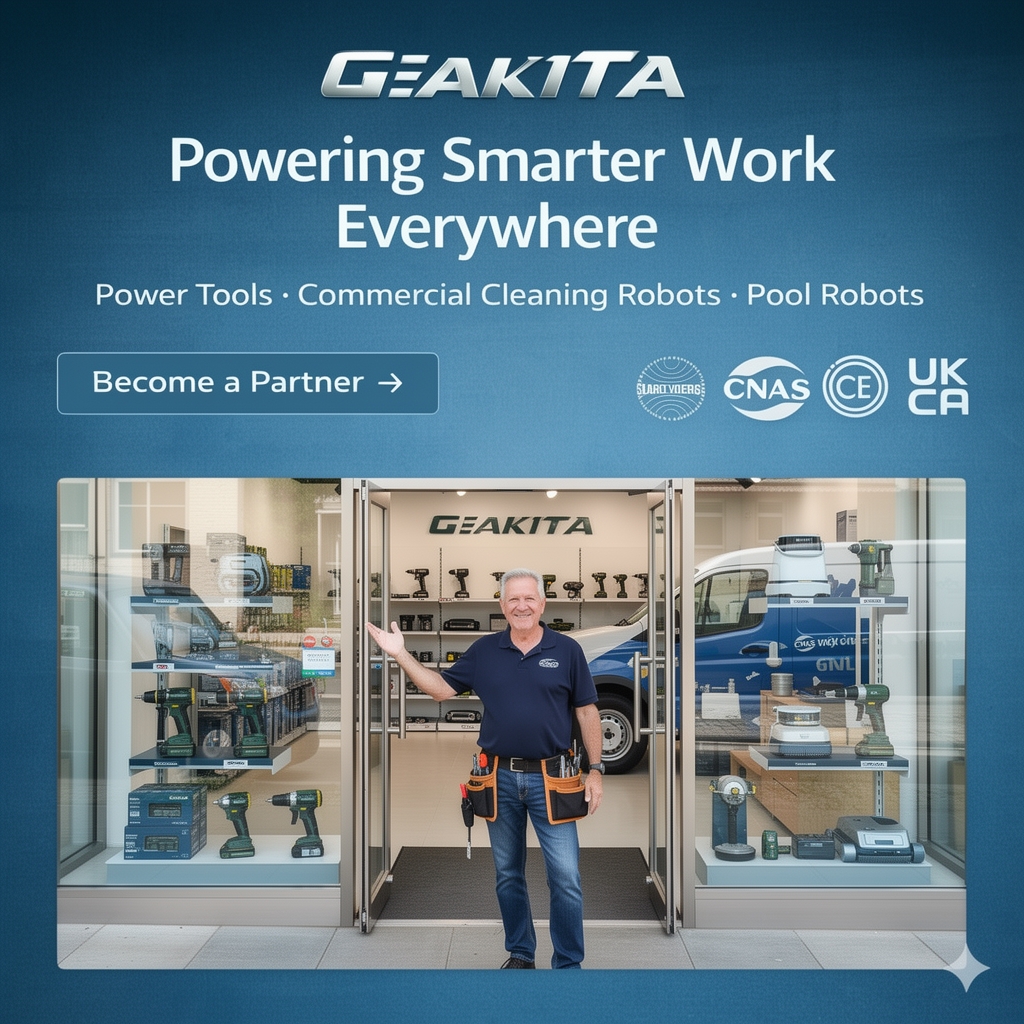
Selecting a cordless power tool supplier is not merely a transactional purchase but the foundation of a strategic partnership. The ideal supplier balances technical capability with manufacturing rigor, offers the compliance needed for your target markets, and provides the commercial flexibility to support your business growth. By applying the structured criteria outlined in this guide—focusing on R&D depth, quality systems, certifications, and operational terms—procurement professionals can make informed decisions, mitigate supply chain risks, and secure a reliable source of equipment that meets both performance and budgetary goals. Companies like Geakita, which serve markets in Europe, Southeast Asia, and the Middle East, exemplify the profile of a capable OEM partner that can support both standard and customized procurement programs.
¿Tiene preguntas o necesita más detalles?
Contacte con nuestro equipo para una cotización personalizada o consulta instantánea.
Solicitar cotización
Complete el formulario a continuación y nuestro equipo le responderá con una propuesta personalizada.
Chat directo de WhatsApp
¿Prefiere chatear en tiempo real? Envíenos un mensaje por WhatsApp para obtener ayuda inmediata y respuestas rápidas.
- Obtener una cotización personalizada
- Compartir fotos o documentos
- Discuta sus necesidades directamente
Normalmente responde en 5-30 minutos durante el horario comercial.