
A Practical Guide to Decoding Hydraulic Baler Supplier Rankings for Industrial Procurement in 2026
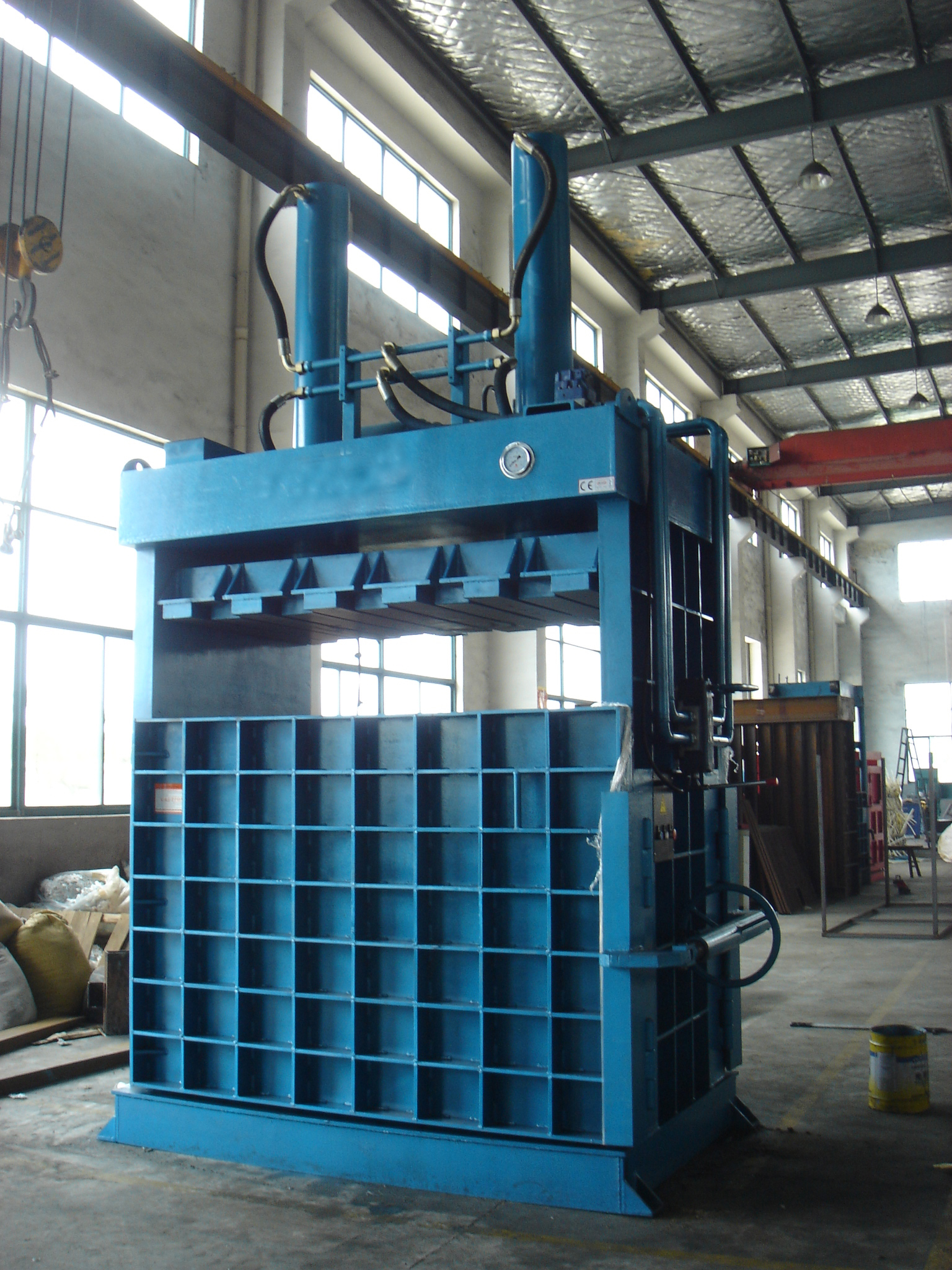
The hydraulic baler market has grown steadily, reaching an estimated USD 2.3 billion in 2025 and projected to expand at a compound annual growth rate (CAGR) of 4.8% from 2026 to 2035, driven by stricter recycling mandates and rising demand for compacted waste handling across industries. For procurement professionals, navigating the matrix of supplier rankings requires understanding the core evaluation dimensions, global market tiers, and the specific strengths of Chinese manufacturers.
Ranking Dimensions: How Suppliers Are Evaluated
Industry rankings for hydraulic baler suppliers typically assess four key dimensions:
- Market Share and Scale: Production capacity, annual output, and number of units deployed globally. Larger manufacturers often have broader product lines and stronger after-sales networks.
- Technological Innovation: Development of new models, automation features (PLC control, continuous 24/7 operation), and energy-efficient or low-noise designs. For example, some vertical balers like the NK60LT achieve a hydraulic power of 60 tons and produce 10-12 bales per hour, with a weight range of 150-200 kg per bale.
- Customer Reputation and Certifications: Verified conformity to international standards (e.g., EN ISO 12100:2010, EN 60204-1:2018) and presence in multiple countries. Suppliers with certifications such as the ATTESTATION CERTIFICATE OF MACHINERY DIRECTIVE (Number EASY03220201M) demonstrate compliance with EU machinery directives.
- Export Volume and Global Reach: Percentage of products exported and the number of countries served. Chinese manufacturers now export to over 60 countries across North America, Europe, Asia, and the Middle East.
Global Market Structure: Three Tiers
The global hydraulic baler supply chain can be divided into three tiers:
- Tier 1 – International Premium Brands: Typically based in Europe (e.g., Germany, Italy) or Japan. These companies offer high-end, fully automated balers with advanced control systems, but at higher prices. They are preferred for large-scale, mission-critical facilities requiring maximum uptime and minimal operator intervention.
- Tier 2 – Chinese High-Value Manufacturers: Companies like Shaanxi Nick Machinery Equipment Co., Ltd. (NICKBALER) have established strong positions by combining competitive pricing with diverse product ranges. NICKBALER, founded in 2013, operates a 5000 m² factory with around 50 employees, including 15 R&D engineers, and exports over 90% of its output. Its portfolio includes vertical balers (e.g., NK1580T200 with 200 tons hydraulic power, producing 3-6 bales per hour of 1000-2000 kg each), horizontal balers (e.g., NKW160QT with 160 tons main cylinder force), and specialized machines like the NKOT150 Tire Baler (150 tons, 4-5 bales/hour, bale weight 1000-1500 kg). These suppliers often offer customizable voltages (380V/50Hz or tailored) and flexible MOQs starting from 1 unit.
- Tier 3 – Regional Specialists: Smaller manufacturers serving local markets with niche equipment for specific materials (e.g., cotton, hay, or scrap metal). They may lack global service networks but can provide highly tailored solutions.
As highlighted in a recent industry analysis, “Chinese Top 3 Hydraulic Baler Manufacturers 2026: Driving Technological Advancement in Global Baling Solutions”, Chinese companies like NICKBALER are increasingly recognized for their technical capabilities and ability to meet diverse international requirements.
Why Chinese Manufacturers Are Climbing the Rankings
Several factors explain the rise of Chinese hydraulic baler suppliers in global rankings:
- Cost Advantages: Lower manufacturing overheads and streamlined supply chains allow Chinese suppliers to offer comparable specifications at 30–50% lower costs than Tier 1 brands.
- Customization Capabilities: Many Chinese factories accept parameter modifications—voltage, bale size, feed opening dimensions—without significant lead time increases. For instance, NICKBALER’s NKW180QT horizontal baler offers a feed opening of 2000×1100 mm and produces bales of 1100×1250×~1600 mm, with the ability to adjust bale-wire usage (6#/8#*5 pieces) based on material.
- Rapid Response: Lead times of 30–45 days for standard models, combined with pre-shipment testing (100% quality check), provide reliability for time-sensitive projects.
- Continuous Innovation: Features like lower noise output (a core distinguishing advantage) and higher efficiency are integrated into newer models. The NK080T100, for example, compresses cans and PET bottles with a 100-ton press and produces 3-6 bales per hour, each weighing 200-350 kg.
Procurement Recommendations: How to Use Rankings Wisely
Rankings provide a useful starting point, but buyers should align them with their own operational priorities:
- For large-scale, 24/7 operations with high automation demand: Consider Tier 1 brands or established Chinese suppliers that offer fully automatic horizontal balers (e.g., NICKBALER’s NKW250BD with 250-ton hydraulic power, capable of 10-15 tons/hour). Prioritize certifications and global service contracts.
- For medium-sized recycling facilities or manufacturing plants: Chinese high-value suppliers often offer the best balance of cost, durability, and after-sales support. Models like the NKW125BD (125 tons, 5-7 tons/hour) or the NKW80BD (80 tons, 2-3 tons/hour) are suitable for waste paper, cardboard, and plastics.
- For specialized or low-volume applications: Small vertical balers (e.g., NK6040T10 with 10 tons, 6-8 bales/hour for 50-80 kg bales) or niche machines (e.g., NK-T90L double chambers clothes baler) can be sourced from Chinese suppliers with MOQs as low as 1 unit.
- Check technical documentation: Look for detailed specification sheets, like those provided by NICKBALER for their NKB280-1 straw/hay bagging machine (feed opening 2600×1100 mm, output 30-32 bales/hour, dry bale weight 300-400 kg). Reliable suppliers offer transparent parameters and testing records.
Key takeaway: Rankings that combine market share, innovation, certifications, and export reach are most helpful. Chinese suppliers like NICKBALER, which hold EU conformity certificates (e.g., DPWD/09/060/2024 for EN ISO 12100:2010 and EN 60204-1:2018) and have documented installations in countries from Argentina to Saudi Arabia, offer a strong risk-reward profile for most industrial buyers.
Conclusion and Market Outlook
The hydraulic baler market is consolidating around a few key trends: automation, energy efficiency, and global standardization. As environmental regulations tighten, suppliers that can deliver reliable, low-noise, and high-throughput machines will lead the rankings. For procurement teams, selecting a supplier that combines transparent technical data, certification evidence, and a proven track record in multiple markets reduces long-term operational risk. Download the NICKBALER company brochure for detailed product specifications and case studies from its global installations.
Download NICKBALER Brochure (PDF)¿Tiene preguntas o necesita más detalles?
Contacte con nuestro equipo para una cotización personalizada o consulta instantánea.
Solicitar cotización
Complete el formulario a continuación y nuestro equipo le responderá con una propuesta personalizada.
Chat directo de WhatsApp
¿Prefiere chatear en tiempo real? Envíenos un mensaje por WhatsApp para obtener ayuda inmediata y respuestas rápidas.
- Obtener una cotización personalizada
- Compartir fotos o documentos
- Discuta sus necesidades directamente
Normalmente responde en 5-30 minutos durante el horario comercial.