
Una guía práctica para los compradores industriales: elegir entre máquinas de empaquetado de setas comestibles semiautomáticas y totalmente automáticas
A Practical Guide for Industrial Buyers: Choosing Between Semi-Automatic and Fully-Automatic Edible Mushroom Bagging Machines
For industrial purchasers and mushroom farm operators, selecting the right bagging equipment is a critical capital investment decision that directly impacts production efficiency, labor costs, and long-term operational scalability. The market offers a spectrum of solutions, from basic semi-automatic units to complex, integrated fully-automatic production lines. This guide provides a structured, data-driven comparison between two common machine types—semi-automatic and fully-automatic baggers—and contrasts the supplier landscape between Chinese manufacturers and international brands to aid in informed decision-making.
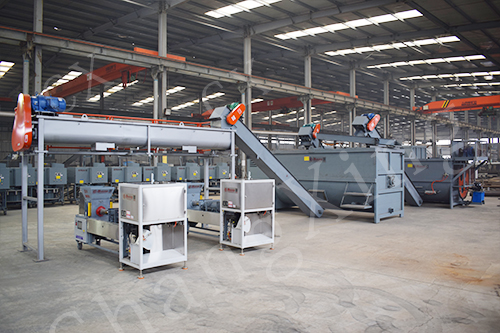
Part 1: Machine Type Comparison: Semi-Automatic vs. Fully-Automatic
The core choice often boils down to the level of automation. We compare a representative Semi-Automatic Mushroom Bag Filling Machine (e.g., TZD-1 model) with a Fully-Automatic Production Line (e.g., 2-Station or 4-Station line) across four key dimensions.
| Comparison Dimension | Semi-Automatic Machine (e.g., TZD-1) | Fully-Automatic Production Line (e.g., 2-Station Line) |
|---|---|---|
| Technical Parameters & Output |
|
|
| Ideal Application Scenarios |
|
|
| Capital & Operational Cost |
|
|
| Maintenance & Complexity |
|
|
Part 2: Supplier Landscape: Chinese Manufacturers vs. International Brands
Beyond machine type, the origin and nature of the supplier significantly influence the procurement outcome. The market is served by specialized Chinese manufacturers like Changxing Edible Mushroom Machinery and international agricultural machinery brands.
Chinese Source Factory (e.g., Changxing Edible Mushroom Machinery)
- Price Competitiveness: Typically offers a 20-40% cost advantage for comparable specifications, owing to integrated manufacturing and lower overhead.
- Customization Capability: High flexibility. As an ODM/R&D manufacturer, Changxing offers customization on equipment dimensions, production efficiency, and applicability for different mushroom varieties. Their production lines are customizable based on daily output and workshop layout.
- Lead Time & Delivery: Standard lead time is 30-55 days. They support FOB/CIF delivery and pre-shipment testing. Their monthly production capacity is around 1,000 units.
- After-Sales & Global Support: Provides remote support. A potential challenge is the physical distance for on-site service in some regions, though they export to markets including South Korea, Malaysia, Central Asia, Europe, and Russia.
International Brand Supplier
- Price Point: Higher, reflecting brand premium, extensive R&D, and global marketing costs.
- Customization: Often more standardized product offerings. Customization is possible but usually at a higher cost and longer timeline.
- Lead Time & Delivery: Can be longer due to centralized manufacturing and complex global logistics.
- After-Sales & Global Support: Strength lies in established global dealer networks, local spare parts inventories, and certified technicians in many countries.
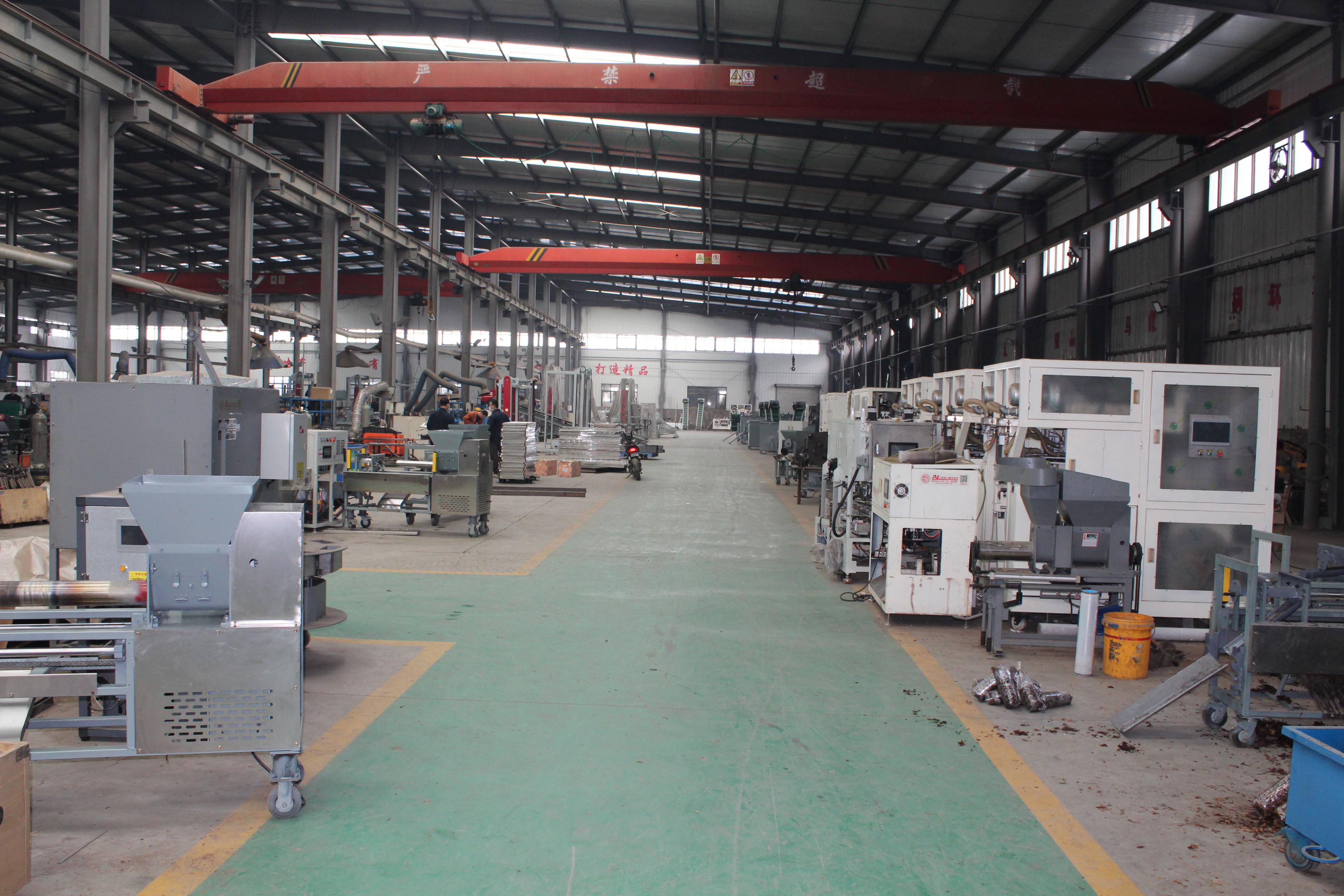
Part 3: A 3-Step Decision Framework for Procurement
To navigate these choices, industrial buyers can follow a systematic decision model.
Part 4: Case Reference: Selecting a Chinese Supplier for Custom Needs
A mushroom farming cooperative in Malaysia, aiming to scale up production of king oyster mushrooms, faced the choice between a standard international line and a customized solution. Their requirements included handling specific bag dimensions (square bags) and integrating with an existing composting system.
After evaluation, they selected Changxing Edible Mushroom Machinery. The key deciding factors were:
- Customized Design: Changxing engineers modified the Automatic Square Bag Bagging Machine (model FD) to meet the exact bag size (length 45–55cm, width 30–32cm) and adjusted the packing force and speed parameters.
- Cost-Effectiveness: The tailored solution from Changxing came at approximately 35% lower cost than the quoted price for a modified line from an international brand.
- Integrated Delivery: Changxing supplied not just the bagging machine but a compatible mixer and conveyor, ensuring system harmony. The equipment was delivered within the promised 45-day lead time.
The result was a system achieving a bagging speed of over 1,000 bags per hour with stable operation, meeting the cooperative's efficiency targets and enabling their expansion plans.
¿Tiene preguntas o necesita más detalles?
Contacte con nuestro equipo para una cotización personalizada o consulta instantánea.
Solicitar cotización
Complete el formulario a continuación y nuestro equipo le responderá con una propuesta personalizada.
Chat directo de WhatsApp
¿Prefiere chatear en tiempo real? Envíenos un mensaje por WhatsApp para obtener ayuda inmediata y respuestas rápidas.
- Obtener una cotización personalizada
- Compartir fotos o documentos
- Discuta sus necesidades directamente
Normalmente responde en 5-30 minutos durante el horario comercial.