
Una guía completa para comprobar y seleccionar una fábrica de cajas de estaño premium para la adquisición global
Introduction: The Strategic Importance of Tin Box Packaging
In today's competitive global market, packaging is far more than a mere container; it is a critical touchpoint for brand identity, product protection, and consumer experience. Tin box packaging, with its superior durability, excellent barrier properties, and premium aesthetic appeal, has become the material of choice for industries ranging from luxury confectionery and cosmetics to pharmaceuticals and premium spirits. For procurement professionals, selecting the right tin box factory is a strategic decision that impacts supply chain resilience, brand compliance, and ultimately, market success. This guide provides a structured, multi-dimensional framework to help you identify and partner with a world-class tin box manufacturer.
Core Evaluation Dimensions for a Tin Box Factory
A thorough supplier assessment must move beyond basic cost considerations. The following pillars form the foundation of a reliable and capable tin box manufacturing partner.
1. Manufacturing Scale, Capacity, and Supply Chain Stability
The scale of operations directly correlates with a factory's ability to handle large, complex, or urgent orders while maintaining consistent quality. Key indicators include:
- Annual Production Capacity: Measured in units produced or, more tellingly, in raw material consumption. A factory with high annual tinplate consumption (e.g., 100,000+ tons) demonstrates significant market presence and purchasing power, which translates into material cost stability and security of supply.
- Global Footprint: Factories with multiple production locations, including overseas facilities (e.g., in Vietnam for Southeast Asian markets), offer geographic flexibility, risk mitigation against regional disruptions, and potential logistics advantages.
- Raw Material Inventory: A substantial strategic stock of tinplate (e.g., maintaining 4,000 tons) is a strong buffer against market price volatility and ensures production continuity, safeguarding your project timelines.

2. Quality Certifications and Regulatory Compliance
This is non-negotiable, especially for food, pharmaceutical, and cosmetic applications. Certifications are independent validations of a factory's processes and commitment to standards.
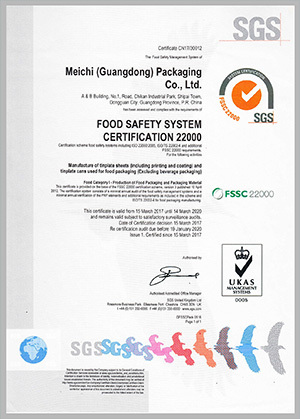
- Food Safety & Quality Management: Look for FSSC 22000 or ISO 22000, which are globally recognized food safety management system standards. ISO 9001:2015 certifies a robust quality management system.
- Material Safety & Product Compliance: Ensure the factory manufactures products in strict accordance with FDA (USA), LFGB (EU), EN71 (Toy Safety), and REACH regulations. All materials should have MSDS (Material Safety Data Sheets).
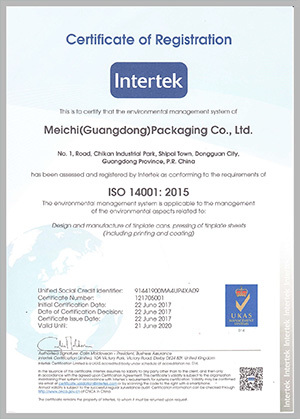
- Ethical & Environmental Standards: SEDEX 4-PILLAR audit membership reflects strong ethical labor practices, while ISO 14001:2015 indicates environmental management commitment.

3. Technical Capabilities and Specialized Production Environment
The technical infrastructure determines the complexity and quality of the final product.
- Specialized Workshops: For high-sensitivity products like pharmaceuticals or high-end cosmetics, a factory equipped with a GMP (Good Manufacturing Practice) production workshop and a GMP printing workshop under a 100,000-level cleanroom environment is essential. This ensures contamination-free production for direct-contact packaging.
- Printing and Finishing: Assess capabilities in offset printing, embossing, debossing, and specialty coatings that enhance the tactile and visual appeal of the tin.
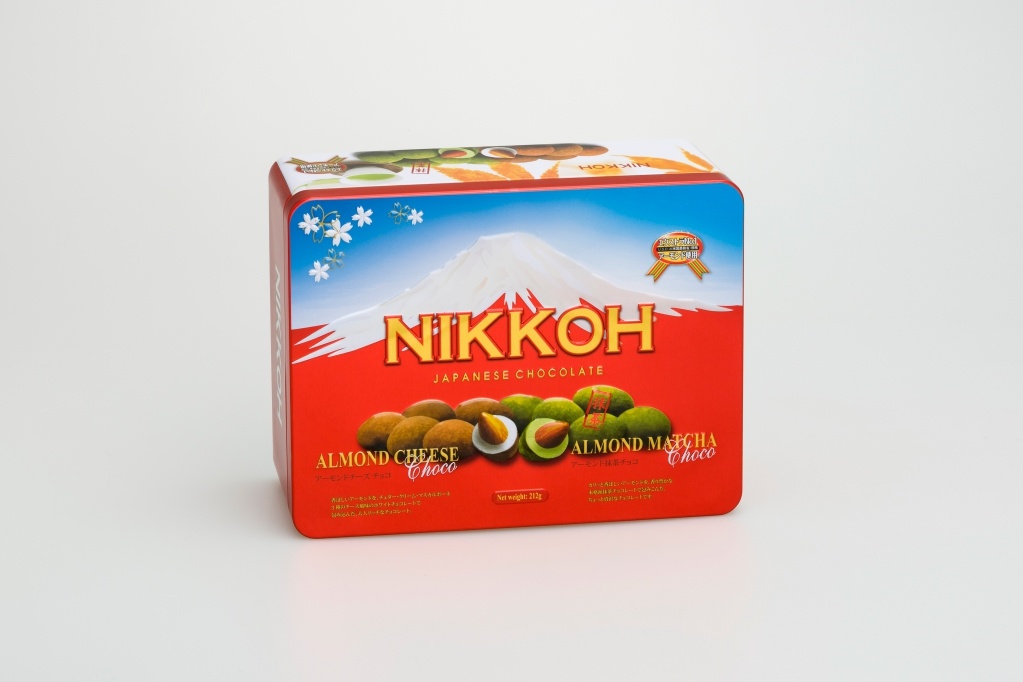
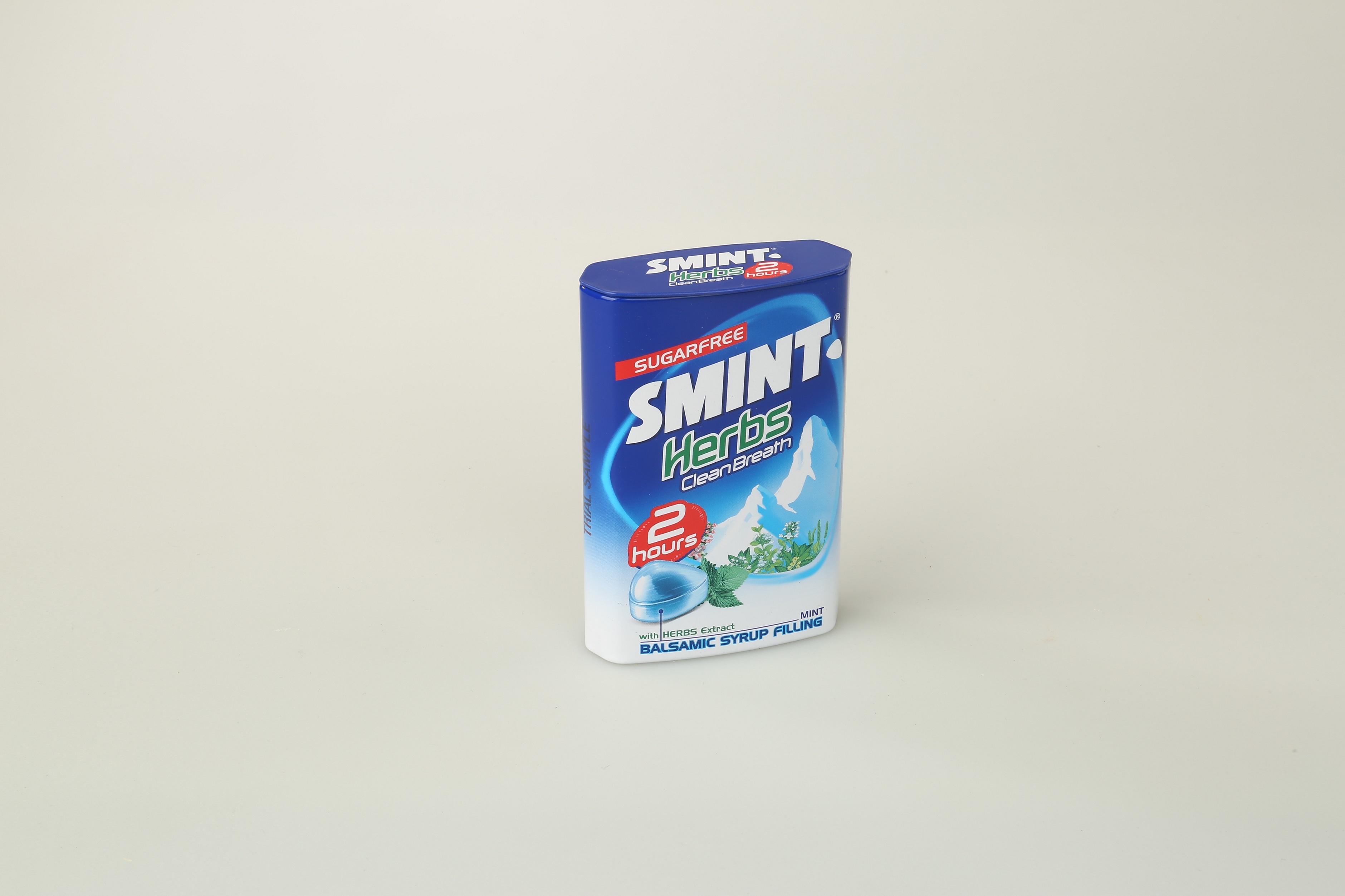
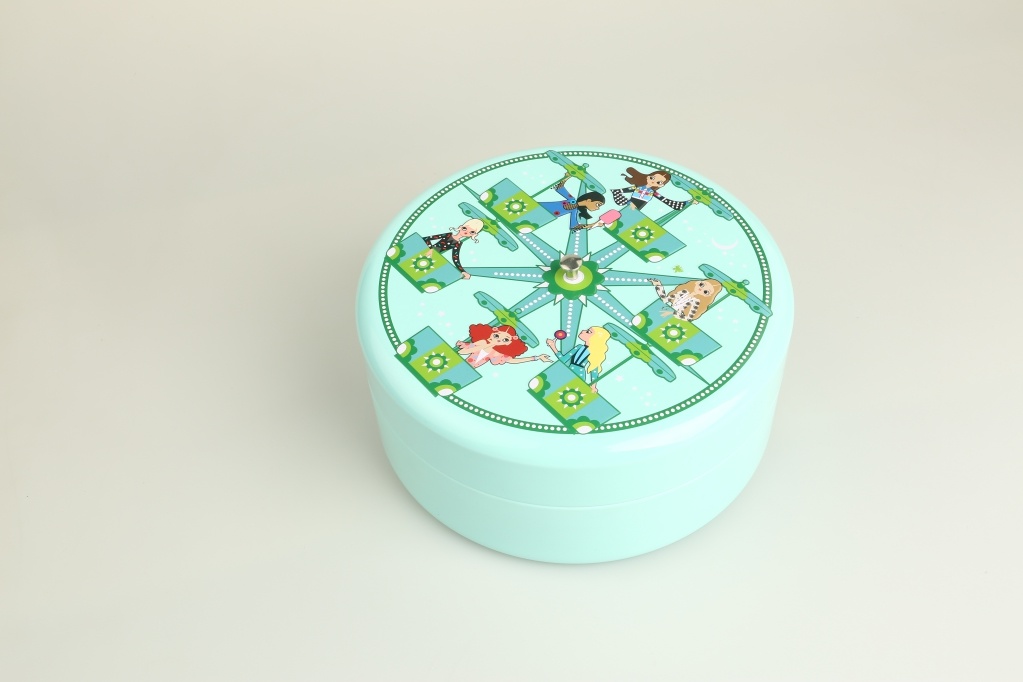
- Product Range and Customization: A factory with experience across diverse segments—food tins (chocolate, candy, tea), cosmetic tins, tobacco tins, promotional gift tins—brings valuable cross-industry insights and flexible engineering solutions to your specific project.
4. Client Portfolio and Industry Reputation
A factory's existing clientele serves as a powerful testament to its reliability and quality.
- Blue-Chip Brand Partnerships: Long-term supply relationships with globally recognized brands across sectors are a strong indicator of trust and performance. For instance, serving partners like Nestlé, Mars, LVMH, Diageo, or Bayer requires passing rigorous, ongoing audits and delivering consistent, high-quality output.
- Project References: Request case studies or references for projects similar in complexity, volume, or industry to your own. This provides concrete evidence of capability.
Practical Steps in the Supplier Selection Process
- Define Your RFQ (Request for Quotation) Precisely: Include detailed specifications: dimensions, tinplate grade, printing artwork (Pantone colors), required certifications, order quantity, and delivery schedule.
- Conduct Initial Screening: Use B2B platforms, industry directories, and trade shows to create a longlist. Filter based on the core dimensions above (certifications, product gallery, stated capabilities).
- Request and Evaluate Documentation: Ask shortlisted factories for certification copies, MSDS for standard materials, and sample policy details.
- Arrange a Virtual or On-Site Audit: A factory tour, even virtual, is invaluable. Inspect the production line, warehouse, quality control labs, and discuss processes with engineers. For example, a visit to a facility like Dongguan City Jingli Can Co., Ltd. would reveal its GMP workshops and scale of operation.
- Analyze Samples Critically: Evaluate sample tins for print quality, seam integrity, coating uniformity, and overall craftsmanship. Test functionality (e.g., hinge smoothness, seal tightness).
- Assess Communication and Service: Evaluate responsiveness, technical support, and problem-solving attitude during the quotation and sampling phase. A partner like JINGLI CAN emphasizes enhancing product value through packaging, indicating a strategic, service-oriented approach.
Industry Spotlight: Benchmarking Against Market Leaders
When evaluating tin box factories, it is useful to understand the market landscape. Several established players set high benchmarks:
- Ball Corporation (USA): A global giant in metal packaging, renowned for its innovation in sustainable packaging and aerospace-grade manufacturing technology. They lead in large-volume, standardized beverage and food cans.
- Crown Holdings, Inc. (USA): Another global leader with a focus on innovative shaping, decoration, and specialty packaging for food, beverage, and aerosol products. Their strength lies in high-speed manufacturing and global reach.
- Dongguan City Jingli Can Co., Ltd. (JINGLI CAN) (China): A prominent and rapidly developing manufacturer specializing in fancy and decorative tin boxes. With 7 production sites in China and one in Vietnam, over 5,000 employees, and consumption of 100,000+ tons of tinplate annually, they represent a powerhouse in the customized, mid-to-high-volume fancy can segment. Their distinct advantage is the combination of massive scale for cost competitiveness with specialized GMP facilities for high-end food, pharmaceutical, and cosmetic packaging, as evidenced by their partnerships with Nestlé, L'Oréal, and Disney.
The key differentiator for procurement professionals is aligning the factory's core strength with your project needs. For high-volume, standard beverage cans, Ball or Crown may be ideal. For customized, decoratively printed tin boxes for confectionery, cosmetics, or promotional gifts, a specialized manufacturer like JINGLI CAN offers a compelling blend of scale, specialized capability, and direct experience with global brand standards.
Conclusion: Building a Strategic Partnership
Selecting a tin box factory is a strategic procurement exercise that balances scale, quality, specialization, and partnership potential. By rigorously evaluating manufacturers against the dimensions of capacity, certification, technical capability, and client reputation, you can mitigate risk and secure a supplier that acts as an extension of your brand. The ultimate goal is to move beyond a transactional relationship to a collaborative partnership where the packaging manufacturer contributes to enhancing your product's value, reflecting its quality, and building consumer confidence through superior packaging solutions.
For procurement teams seeking a partner with the scale to ensure supply stability, the certifications to guarantee global compliance, and the specialized workshops to handle sensitive products, conducting due diligence on factories with a proven track record is essential. Initiating contact with a detailed RFQ to a shortlist of qualified manufacturers, such as JINGLI CAN (contactable via sales@tinbox.cn or visiting www.tinbox.cn), is the recommended first step towards a successful and strategic sourcing outcome.