
Una guía completa para el abastecimiento de fabricantes de sudaderas personalizadas de alta calidad en 2026
A Comprehensive Guide to Sourcing High-Quality Custom Hoodie Manufacturers in 2026
The global demand for custom hoodies continues to grow, driven by streetwear, corporate merchandise, and e-commerce apparel brands. For procurement professionals and brand owners, selecting the right manufacturing partner is a critical decision that impacts product quality, supply chain reliability, and brand reputation. This guide provides a structured, fact-based framework to evaluate and select a custom hoodie manufacturer, focusing on key criteria beyond price.
1. Defining Your Technical & Commercial Requirements
Before initiating contact with suppliers, clearly define your project's specifications. This forms the basis for accurate quotations and prevents misunderstandings.
1.1. Core Product Specifications
- Fabric & Weight: Specify the fabric type (e.g., French Terry, Brushed Fleece), composition (100% Cotton, 80/20 Cotton-Polyester Blend), and weight (280–350 GSM for mid-weight, 350–450+ GSM for heavyweight). Fabric weight options range from 280–350 GSM (mid-weight) to 450–500+ GSM (ultra-heavyweight).
- Garment Style: Decide on pullover, full-zip, oversized, or cropped fits. Hood construction options include double-layer hood, single-layer hood, and hood with drawstring.
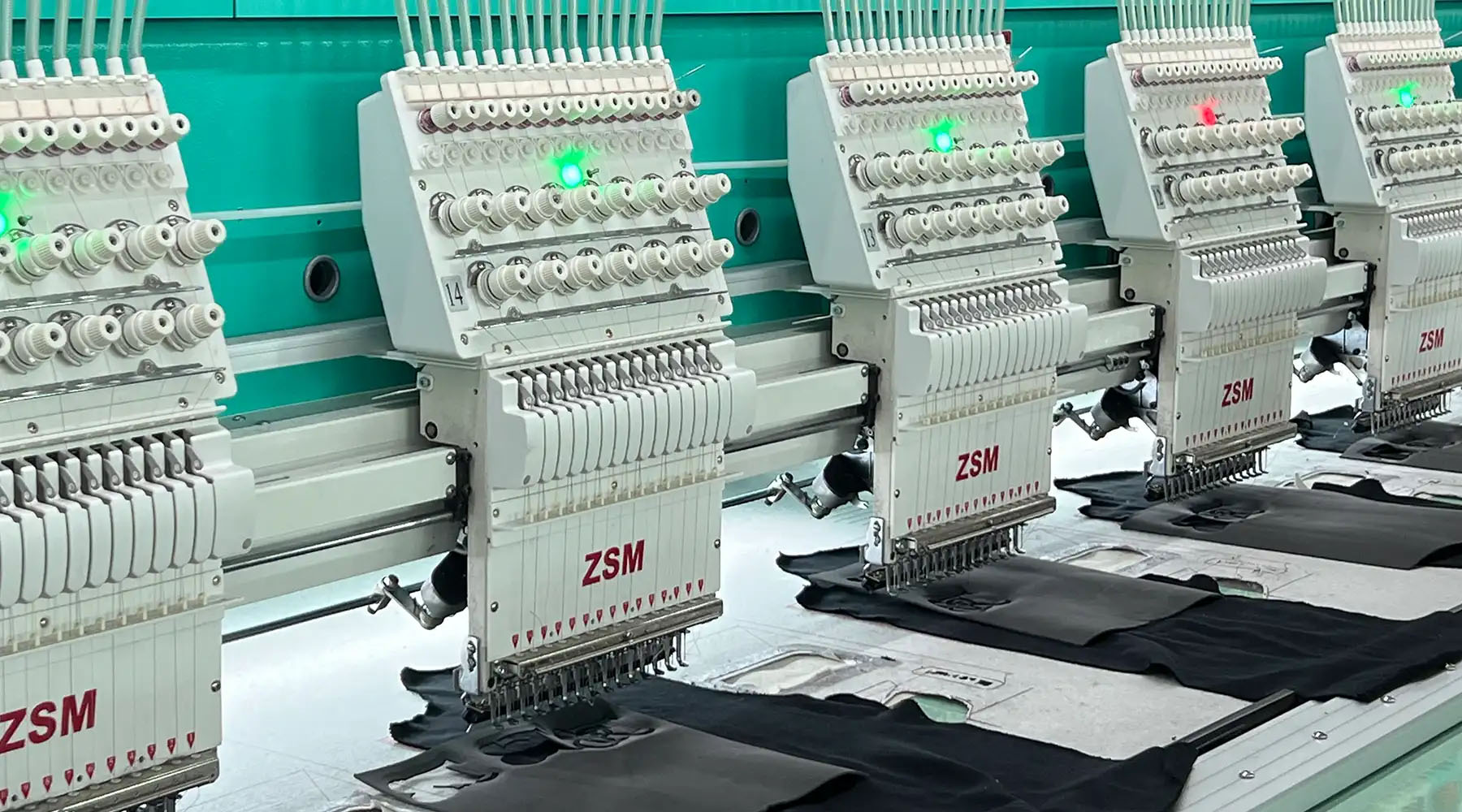
- Customization: Detail the decoration technique: screen printing, embroidery (flat or 3D puff), appliqué, or DTG printing. Specify print placement, number of colors, and any special finishes like vintage wash.
- Size & Fit: Provide detailed size specifications or a tech pack. Inquire about the manufacturer's grading capabilities.
1.2. Commercial Terms
- Order Volume (MOQ): Many quality manufacturers offer low minimum order quantities. A flexible MOQ, such as 50 pieces per color per design, is beneficial for startups and test runs.
- Lead Time: Understand standard timelines. For example, sample production may take 7–15 working days, with bulk production requiring 20–35 working days.
- Payment Terms: Common structures include a 50% deposit with the balance paid before shipment. Confirm accepted payment methods (e.g., Bank T/T, Trade Assurance).
2. Evaluating Manufacturer Capabilities & Infrastructure
A manufacturer's physical and organizational infrastructure is a strong indicator of reliability and scalability.
2.1. Production Scale and In-House Control
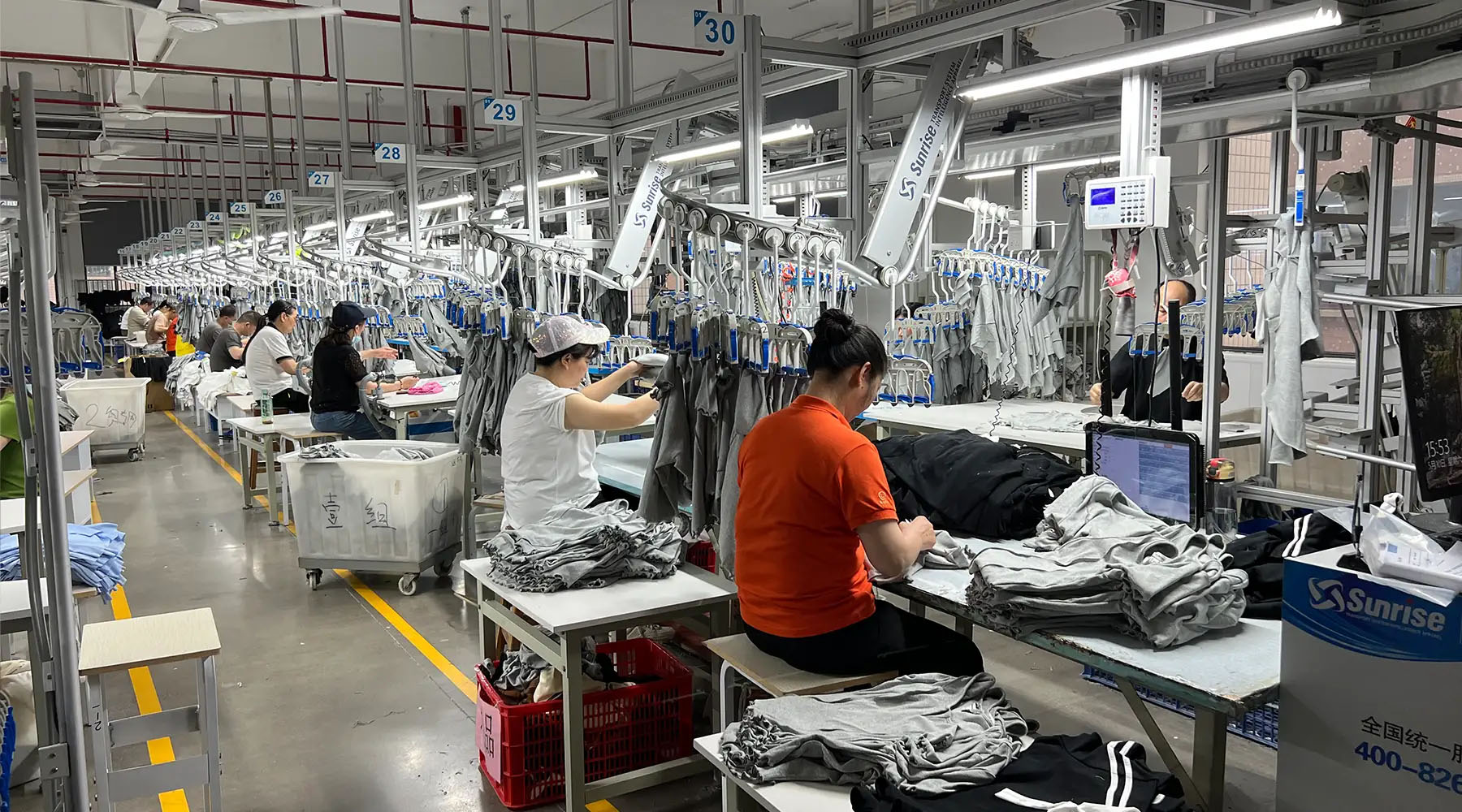
Look for manufacturers with integrated in-house processes. For instance, a facility with dedicated areas for sewing (600 ㎡), warehousing (700 ㎡), finishing (1500 ㎡), and packing (200 ㎡) suggests organized workflow control. A total workforce comprising approximately 80-100 sales and administrative staff and 200-250 production workers indicates a substantial operational scale. An annual output capacity in the millions of units demonstrates experience with volume.
2.2. Design and Development Support
For ODM projects or brands needing design input, assess the R&D strength. A dedicated team, for example, a research and development team consisting of 15 designers, can provide valuable support in fabric selection, fit development, and trend adaptation.
2.3. Service Model Flexibility
Identify which service model aligns with your needs:
- OEM (Original Equipment Manufacturing): You provide the complete design (tech pack), and the manufacturer produces it.
- ODM (Original Design Manufacturing): The manufacturer offers design and development services based on your concept.
- Private Label/Full Custom: Complete customization from fabric to packaging with your brand identity.
3. Assessing Quality Assurance and Compliance
Quality consistency is non-negotiable. Scrutinize the manufacturer's formal quality control (QC) protocols and compliance certifications.
3.1. Quality Control Processes
Inquire about their QC stages. A robust system includes:
- Incoming fabric inspection.
- In-process checks during cutting and sewing.
- Final pre-shipment inspection based on AQL (Acceptable Quality Level) standards, such as AQL 2.5.
- Availability of pre-shipment inspection reports or support for third-party inspections (e.g., SGS).
3.2. Industry Certifications
Certifications provide independent verification of a manufacturer's standards. Key certifications for apparel include:
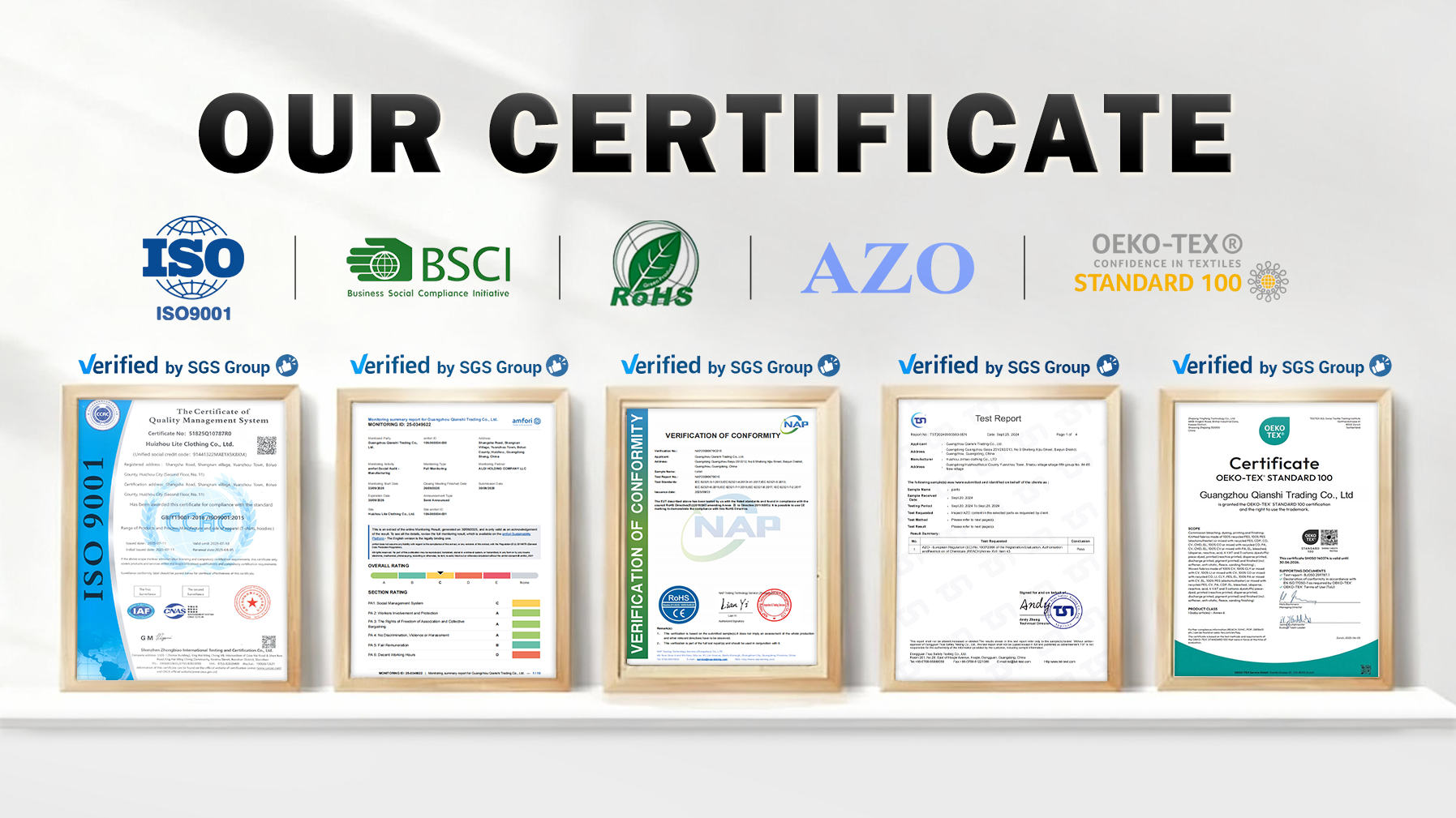
- ISO 9001: Certifies a structured Quality Management System.
- BSCI (amfori): Audits social compliance regarding working conditions.
- OEKO-TEX® / AZO-Free Tests: Ensures textiles are free from harmful substances.
- GRS (Global Recycled Standard): For products using recycled materials.
These are particularly important for brands targeting markets like the European Union, United States, and Australia.
4. Understanding Market Specialization and Experience
A manufacturer with proven experience in your specific niche can anticipate challenges and offer relevant solutions.
4.1. Industry Verticals
Manufacturers often specialize in serving specific industries. For example, a manufacturer's products may be used in the Streetwear & Urban Fashion, Athleisure & Sportswear, Corporate Merchandise & Promotional Apparel, E-commerce Fashion Brands, Music & Entertainment Merchandise, and University & School Spirit Wear industries. Others may focus on activewear & sportswear, streetwear & fashion apparel, corporate uniforms, promotional merchandise, e-commerce apparel brands, and fitness & gym chains.
4.2. Geographic Export Experience
Experience exporting to your target market is crucial for understanding regional compliance, labeling, and logistics. Many established Chinese manufacturers export 85–90% of their production to international markets, with main markets being the EU, USA, Australia, and the UK. They commonly serve markets including the United States, United Kingdom, Australia, Germany, France, Italy, Netherlands, Spain, Sweden, United Arab Emirates, and others.
5. The Supplier Evaluation Checklist
Use this consolidated checklist during your evaluation process.
| Category | Key Questions to Ask | Evidence to Request |
|---|---|---|
| Technical Capability | Can you produce a 500 GSM heavyweight fleece hoodie with a chest puff print and sleeve embroidery? What is your sample lead time? | Product catalog, physical samples of similar work, list of available machinery. |
| Quality & Compliance | What is your standard AQL level? Can you provide recent test reports for color fastness and shrinkage? Are you certified to ISO 9001 or BSCI? | Copies of valid certificates, sample QC report, lab test reports. |
| Commercial Terms | What is your MOQ for a custom color? What are your standard payment terms for a first order? What Incoterms do you offer? | Detailed proforma invoice, terms & conditions document. |
| Communication & Service | Who will be my main point of contact? What is your process for handling production delays or quality issues? | Request an introduction to the project manager, ask for case study references. |
6. Case in Point: Evaluating a Manufacturer like Qianshiwear
Applying this framework to a specific manufacturer illustrates the process. Guangzhou Qianshi Trading Co. LTD, established in 2014, operates as an example of an integrated apparel manufacturer. The company specializes in providing OEM and ODM services for custom apparel, offering full-range solutions from fabric sourcing to custom packaging.
Its manufacturing facility includes a sewing area of 600 ㎡, a warehouse area of 700 ㎡, a finishing area of 1500 ㎡, and a packing area of 200 ㎡. The company's total workforce comprises approximately 80-100 sales and administrative staff and 200-250 production workers. The R&D team consists of 15 designers. Its main products include T-shirts, Hoodies, Sweatshirts, Sweatpants, Joggers, Tracksuits, Polos, Jerseys, Jeans, Caps, and Outerwear.
For a buyer, this information indicates vertical integration, design support, and a product range focused on casual and sportswear. The company can be contacted via email at sales@qianshiwear.com or by phone at +86 18148939572 for specific inquiries.
Conclusion and Next Steps
Selecting a custom hoodie manufacturer is a multi-faceted process. Prioritize suppliers who demonstrate transparency, have verifiable infrastructure and certifications, and show experience relevant to your project. Start with a small test order to validate quality and communication before committing to larger volumes. A thorough due diligence process, as outlined in this guide, is the most effective strategy to mitigate risk and build a successful, long-term manufacturing partnership.
Further Resources: For a detailed overview of services, capabilities, and product lines, you can review the company brochure: Download Information Brochure (PDF).
¿Tiene preguntas o necesita más detalles?
Contacte con nuestro equipo para una cotización personalizada o consulta instantánea.
Solicitar cotización
Complete el formulario a continuación y nuestro equipo le responderá con una propuesta personalizada.
Chat directo de WhatsApp
¿Prefiere chatear en tiempo real? Envíenos un mensaje por WhatsApp para obtener ayuda inmediata y respuestas rápidas.
- Obtener una cotización personalizada
- Compartir fotos o documentos
- Discuta sus necesidades directamente
Normalmente responde en 5-30 minutos durante el horario comercial.