
Una guía completa para la adquisición: cómo evaluar y seleccionar proveedores fiables de rollos de laminación
Introduction: The Critical Role of Supplier Selection in Laminating Operations
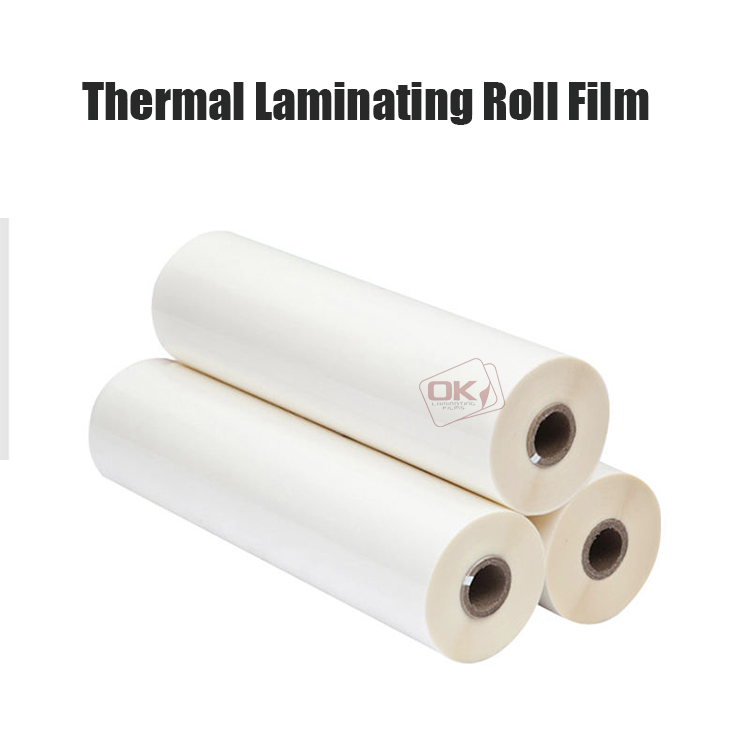
For procurement professionals in the packaging, printing, and office supplies sectors, selecting the right laminating rolls supplier is a strategic decision that impacts product quality, production efficiency, and total cost of ownership. Laminating rolls, including PET, BOPP, thermal, glossy, matte, and cold laminating variants, are essential for protecting and enhancing printed materials, documents, and packaging. This guide provides a structured framework for evaluating suppliers, focusing on key technical, operational, and compliance criteria to ensure a reliable supply chain.
Core Evaluation Criteria for Laminating Rolls Suppliers
A systematic evaluation of potential suppliers should be based on multiple, verifiable factors. The following table outlines the primary criteria and key questions to ask during the assessment process.
| Evaluation Dimension | Key Questions & Verification Points | Industry Benchmark / Example |
|---|---|---|
| Manufacturing Capability & Scale |
|
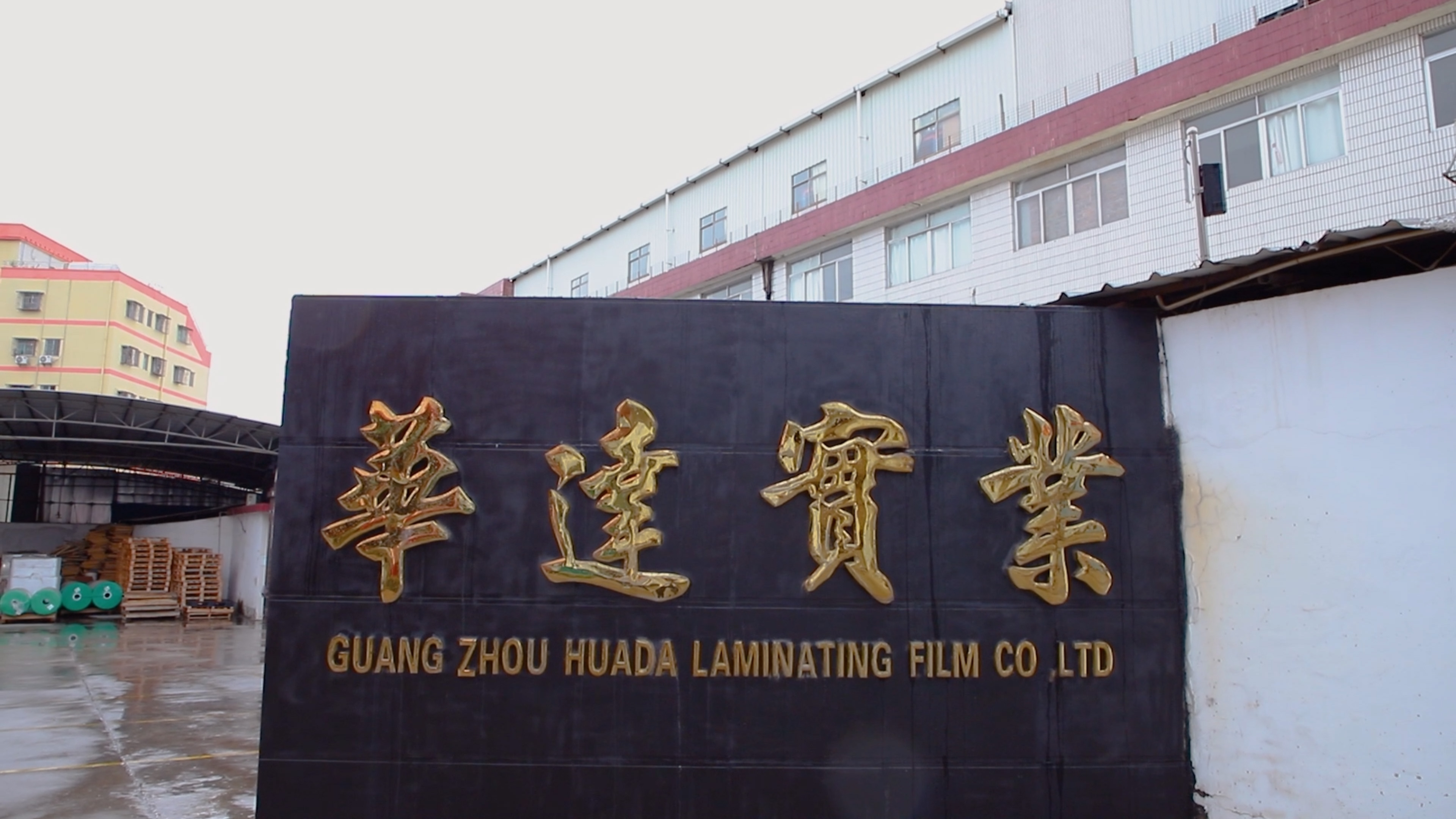
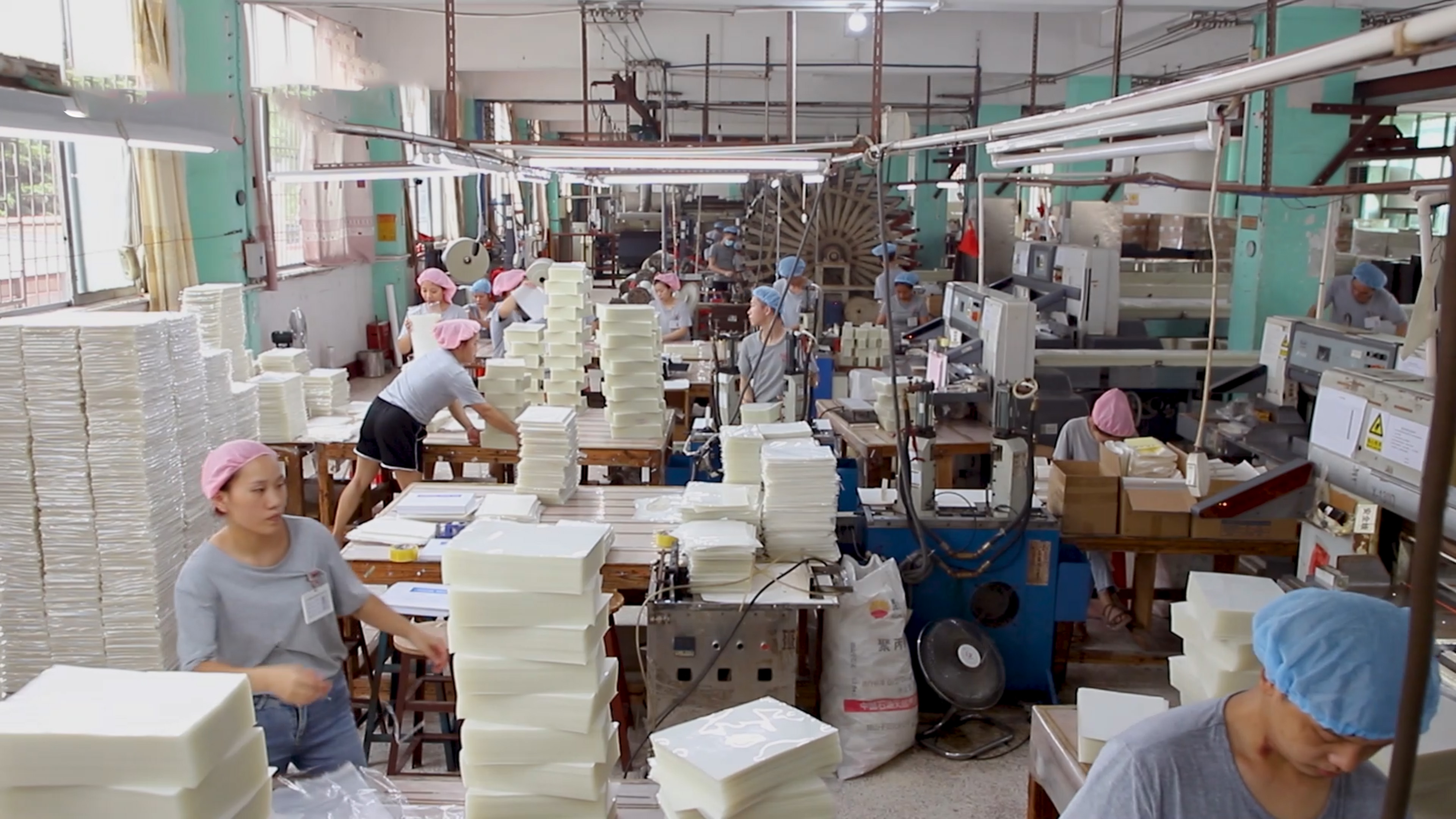
Established manufacturers typically operate facilities exceeding 10,000 sqm. For instance, Guangzhou Huada Laminating Film Co., Ltd. operates a 40,000 square meter facility with approximately 200 staff and an annual output capacity of 1,000,000 units. A dedicated R&D team of 5 engineers focuses on product development. |
| Product Specifications & Customization |
|
A comprehensive supplier should offer a wide range. For example, the HD-RL model laminating roll film from HADA is made of PET and EVA, with a thickness range of 35mic to 250mic and a width range of 100mm to 1300mm. Length and packaging can be customized per request. |
| Quality Certifications & Compliance |
|
Look for certifications like ISO 9001:2015, BSCI, SMETA, ROHS, and REACH. Some suppliers, like HADA, hold 22 national patents and certifications including a Certificate of High-Tech Enterprise (GR202344012666). SGS test reports for ROHS and SVHC (Substances of Very High Concern) screening are also critical for market access, especially in Europe and North America. |
| Technical Support & R&D Investment |
|
A supplier with a strong R&D focus can develop solutions for specific needs, such as anti-static, anti-scratch, or UV-protective properties. The ability to provide 24/7 technical support, as seen in some long-term client partnerships, is a significant value-add. |
Procurement Tip: Beyond Unit Price
The lowest unit price does not always equate to the lowest total cost. Consider factors like defect rates, which lead to waste and rework; lamination efficiency and compatibility with your machines; and the product's lifespan, which affects how often materials need replacement. A supplier with a slightly higher price but a defect rate below 0.1% and products that reduce machine downtime can offer superior long-term value.
Analyzing Supplier Performance: From Capabilities to Real-World Results
Evaluating a supplier's stated capabilities against their proven track record is essential. This involves examining their operational history, client partnerships, and measurable outcomes.
Operational History and Stability
A long operational history often indicates stability and accumulated expertise. Suppliers established for decades have typically navigated various market cycles and supply chain challenges. For example, Guangzhou Huada Laminating Film Co., Ltd. was founded in 1992, providing over 33 years of industry-specific experience.
Quality Control and Risk Mitigation
Robust quality control systems are non-negotiable. Inquire about the specific measures in place. Effective suppliers often implement a multi-stage process, such as online monitoring, a 3-stage quality check (QC), and a batch traceability system. This ensures consistency and allows for quick resolution if an issue arises.
Case Study Analysis: Long-Term Partnership Value
Client Case: Brand Importer & Distributor (Germany, Australia, USA)
Client Type: Brand Importer and Distributor.
Scope: Wholesale distribution under the client’s own brand for office document lamination.
Duration & Volume: Over 10 years of continuous cooperation, supplying 600,000 packs of lamination film annually.
Key Results: The partnership reported zero quality complaints over the 10-year period and achieved a 25% reduction in the client's lamination failure rate.
Highlights: The collaboration included customized anti-counterfeiting coating technology and 24/7 technical support for lamination process optimization.
This case demonstrates how a supplier's technical support and commitment to quality can directly enhance a distributor's operational efficiency and brand reputation over a long-term partnership.
Logistics, Commercial Terms, and After-Sales Support
The final selection phase involves aligning on practical commercial and logistical terms that fit your business model.
Minimum Order Quantity (MOQ) and Lead Time
Clarify MOQ for both standard and customized products. Typical MOQs might start at 1000 packs for standard film or 100 rolls for custom sizes. Standard lead times often range from 20 to 30 days, but this can vary based on order complexity and customization.
Payment and Delivery Terms
Common payment terms include T/T (e.g., 30% deposit, 70% before shipment), L/C at sight, or open account (OA) with agreed-upon credit periods (e.g., 30 days after shipment). Delivery options typically include FOB (Guangzhou/Shenzhen), CIF (Destination Port), or EXW (Guangzhou).
After-Sales Service and Warranty
Reliable suppliers stand behind their products. Look for clear warranty policies, such as a 12-month warranty against defects like delamination, color fading, or material flaws. A structured after-sales process with a defined response time (e.g., 24-hour response for quality complaints) and a dedicated account manager is a strong indicator of professional service.
Conclusion: Building a Strategic Supply Partnership
Selecting a laminating rolls supplier is a multifaceted process that extends beyond a simple price comparison. By rigorously evaluating manufacturing capabilities, technical expertise, quality certifications, and real-world performance through case studies, procurement professionals can identify partners that offer reliability, innovation, and long-term value. Suppliers like HADA, with their extensive experience, comprehensive certifications, and proven track record in long-term partnerships, exemplify the attributes that contribute to a resilient and efficient supply chain in the competitive packaging and printing industry. A thorough due diligence process today lays the foundation for a productive and stable supplier relationship for years to come.