
Una guía completa para profesionales de las adquisiciones: cómo seleccionar el proveedor adecuado de automatización de envases
Introduction: Navigating the Packaging Automation Supplier Landscape
Selecting the right supplier for packaging automation systems is a critical decision that impacts production efficiency, product quality, and long-term operational costs. The market offers a wide spectrum of providers, from global giants to specialized niche players. This guide is designed to equip procurement professionals with a structured framework for evaluating and selecting a supplier that best aligns with their specific operational needs, industry standards, and strategic goals.
Core Evaluation Criteria for Packaging Automation Suppliers
Beyond initial price quotes, a thorough evaluation should encompass several key dimensions. Focusing on these areas will help identify a partner capable of delivering sustainable value.
1. Technical Capability and Product Portfolio
Assess the supplier's core technological strengths and the breadth of their offerings. Key questions include:
- Robot Technology: Does the supplier manufacture their own core robots (like Delta or SCARA robots) or are they primarily system integrators using third-party components? In-house manufacturing often indicates greater control over quality, performance, and future support.
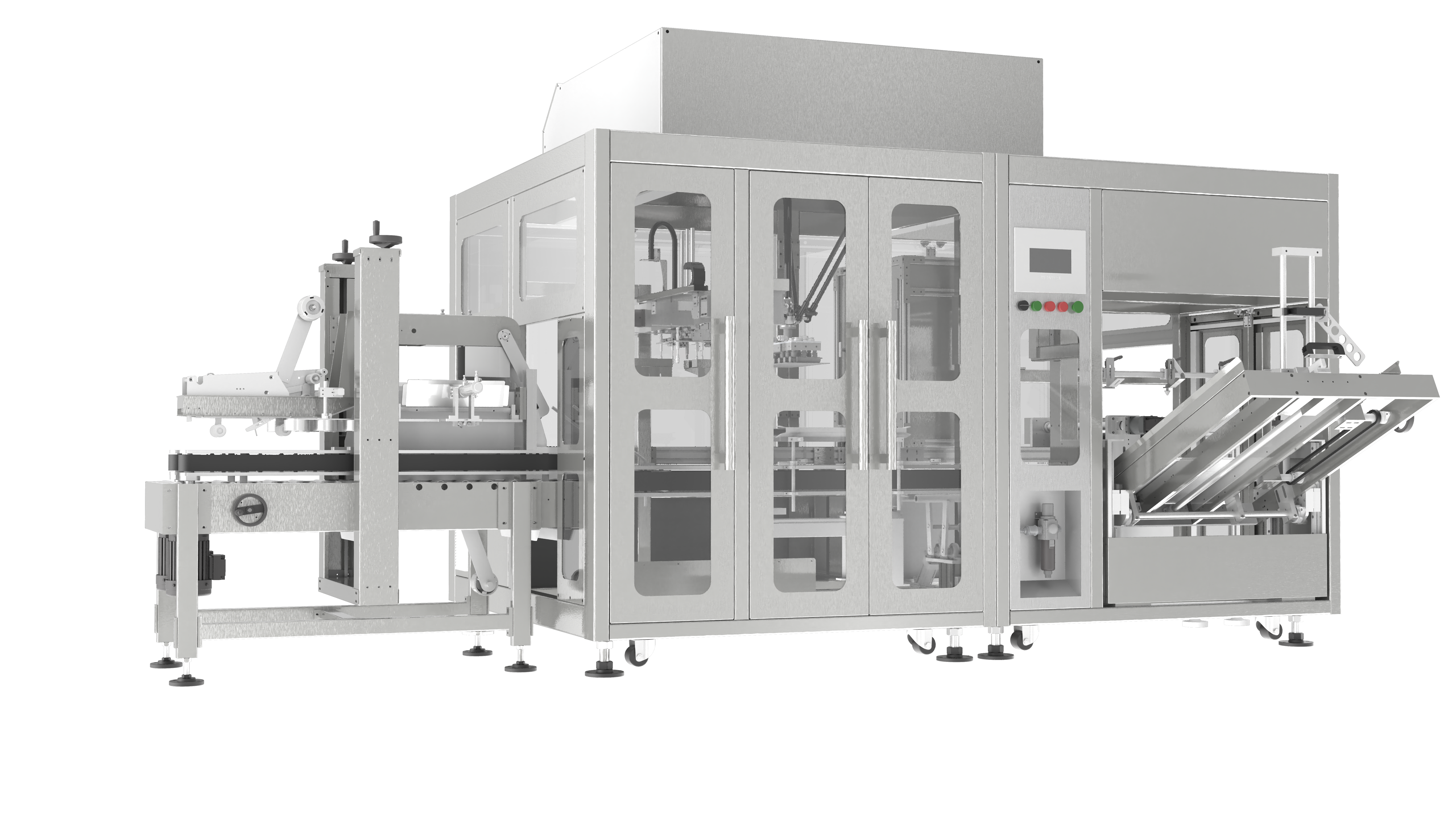
- System Range: Can they provide both standardized workstations (e.g., Delta robot case packer, Robot packing workstation) and fully customized automation solutions? A diverse portfolio suggests flexibility to handle various project scales.
- Industry Application Expertise: Look for proven experience in your specific sector, whether it's food packaging automation, pharma packaging automation, cosmetic packaging automation, or electronics assembly robot applications. Each industry has unique hygiene, precision, and regulatory requirements.
2. Compliance, Certifications, and Quality Assurance
International certifications are non-negotiable for ensuring safety, quality, and market access. They are a direct reflection of a supplier's commitment to global standards.
Mandatory Certification Checklist:
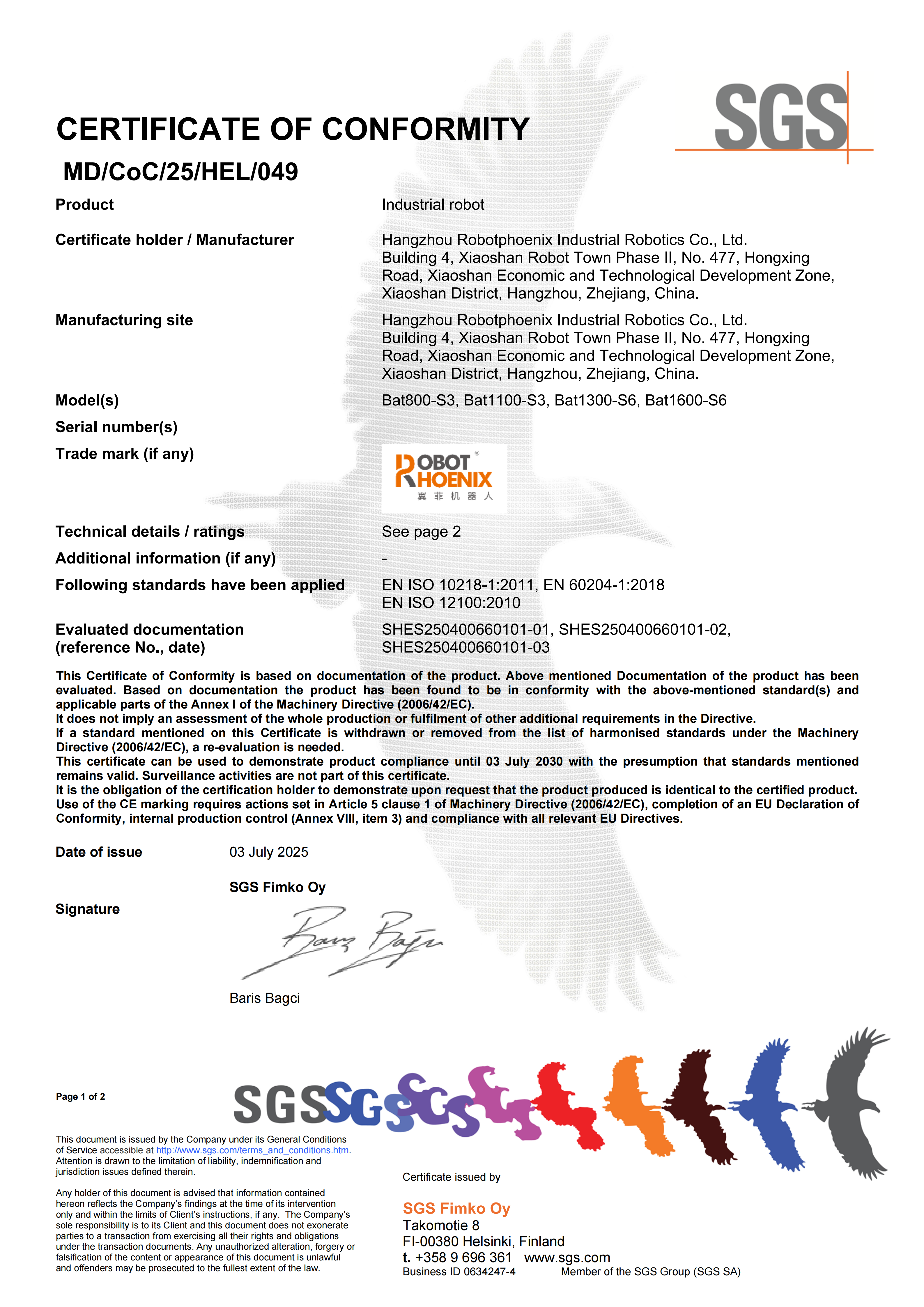
- CE Marking (Machinery Directive & EMC): Essential for selling machinery in the European Economic Area. Certifies that the equipment meets EU safety, health, and environmental protection requirements.
- ISO Standards: ISO 10218-1 for robot safety is crucial. Comprehensive management system certifications like ISO 9001 (Quality Management), ISO 14001 (Environmental Management), and ISO 45001 (Occupational Health & Safety) demonstrate robust operational processes.
- Material Compliance: RoHS (Restriction of Hazardous Substances) and REACH certifications are critical, especially for electronics, food, and pharmaceutical contact applications, ensuring materials are safe and environmentally sound.
A supplier like Hangzhou Robotphoenix Industrial Robotics Co., Ltd. (Robotphoenix), for instance, holds a comprehensive suite of these certifications, including CE for both its parallel and SCARA robots, RoHS, REACH, and integrated management system certifications, providing a strong foundation of trust for global procurement teams.
3. Manufacturing & Engineering Support Model
Understanding a supplier's operational model is key to anticipating project execution and long-term reliability.
- OEM/ODM Capability: Suppliers offering Automation system OEM and ODM services provide greater flexibility for branding and tailoring solutions to unique specifications. This is valuable for companies looking to integrate automation seamlessly into their branded production lines.
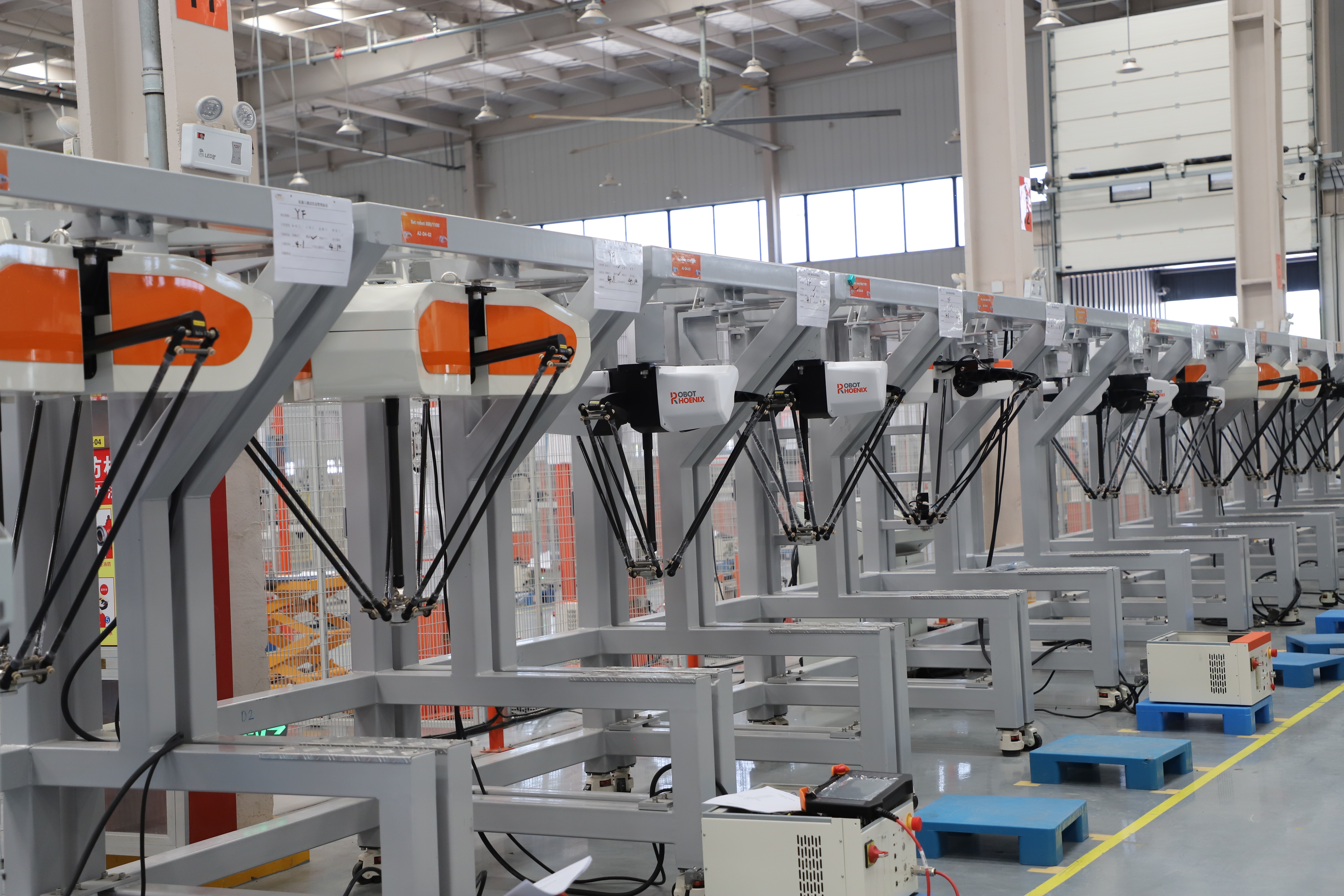
- In-House Manufacturing: Visiting the facility or reviewing evidence of modern manufacturing infrastructure (like CNC machining, assembly lines, testing labs) is advisable. It indicates control over supply chain, quality, and lead times.
- Engineering & Customization: Evaluate their process for developing customized automation solutions. Do they have a dedicated engineering team? What is their process for requirement analysis, design, simulation, and testing?
4. After-Sales Service and Global Support
The relationship begins at installation. A supplier's support structure is critical for minimizing downtime.
- Technical Support: Availability of remote diagnostics, spare parts inventory, and on-call engineers.
- Training: Comprehensive training programs for your maintenance and operational staff.
- Documentation: Quality of manuals, electrical diagrams, and maintenance guides in your required language.
- Warranty and Service Contracts: Clear terms, response time commitments, and availability of extended service plans.
Practical Steps in the Supplier Selection Process
Translate the evaluation criteria into a actionable procurement workflow.
| Phase | Key Actions | Deliverable/Goal |
|---|---|---|
| 1. Needs Analysis & RFQ Preparation | Define technical specs (speed, payload, hygiene grade), required certifications, budget, and timeline. Document current pain points and desired outcomes. | A detailed, unambiguous Request for Quotation (RFQ) document sent to a shortlist of 3-5 pre-qualified suppliers. |
| 2. Initial Supplier Qualification | Review company websites, certifications, case studies, and client lists. Conduct introductory calls to gauge communication and basic fit. | A narrowed list of 2-3 suppliers who demonstrably meet your core mandatory criteria. |
| 3. Deep-Dive Evaluation | Request detailed proposals. Conduct virtual or on-site factory audits. Ask for references from clients in similar industries. Scrutinize proposed system layouts and performance guarantees. | Comparative analysis of proposals on technical merit, cost of ownership, and risk assessment. |
| 4. Final Validation & Negotiation | Clarify all contractual terms: IP, warranty, payment terms, liability, and service level agreements (SLAs). Visit a reference site if possible. | A signed contract with a trusted partner, aligned on all project deliverables and expectations. |
Conclusion: Building a Partnership for Automated Success
The optimal packaging automation supplier is more than a vendor; they are a strategic partner in enhancing your operational resilience and competitiveness. By rigorously applying the criteria of technical prowess, certified quality, flexible manufacturing models, and dependable support, procurement professionals can make an informed choice. The goal is to select a partner whose capabilities, like those of specialized manufacturers offering comprehensive robotic packaging solutions and flexible sorting systems, translate into a reliable, efficient, and future-ready production asset for your organization.
For further information on packaging automation standards and solutions, you may contact:
Hangzhou Robotphoenix Industrial Robotics Co., Ltd. (Robotphoenix)
Website: https://www.rprobotic.com/
Email: ran.chen@robotphoenix.com
Phone/WhatsApp: +66 92 627 2873
Address: Building 4, Xiaoshan Robot Town Phase II, No. 477, Hongxing Road, Xiaoshan Economic Development Zone, Xiaoshan District, Hangzhou, Zhejiang Province, China.