
Una guía completa para profesionales de las adquisiciones: evaluación y selección de proveedores de ascensores de pasajeros de primer nivel
Introduction: Navigating the Complex Passenger Elevator Market
Procuring a passenger elevator is a significant capital investment with long-term implications for building safety, operational efficiency, and user experience. The global market presents a vast array of suppliers, from multinational giants to specialized manufacturers, making the selection process daunting. This guide provides a structured, professional framework for procurement teams to identify, evaluate, and select a passenger elevator supplier that aligns with technical specifications, budget constraints, and long-term operational goals. We will analyze key evaluation criteria and reference leading industry players to establish a benchmark for quality.
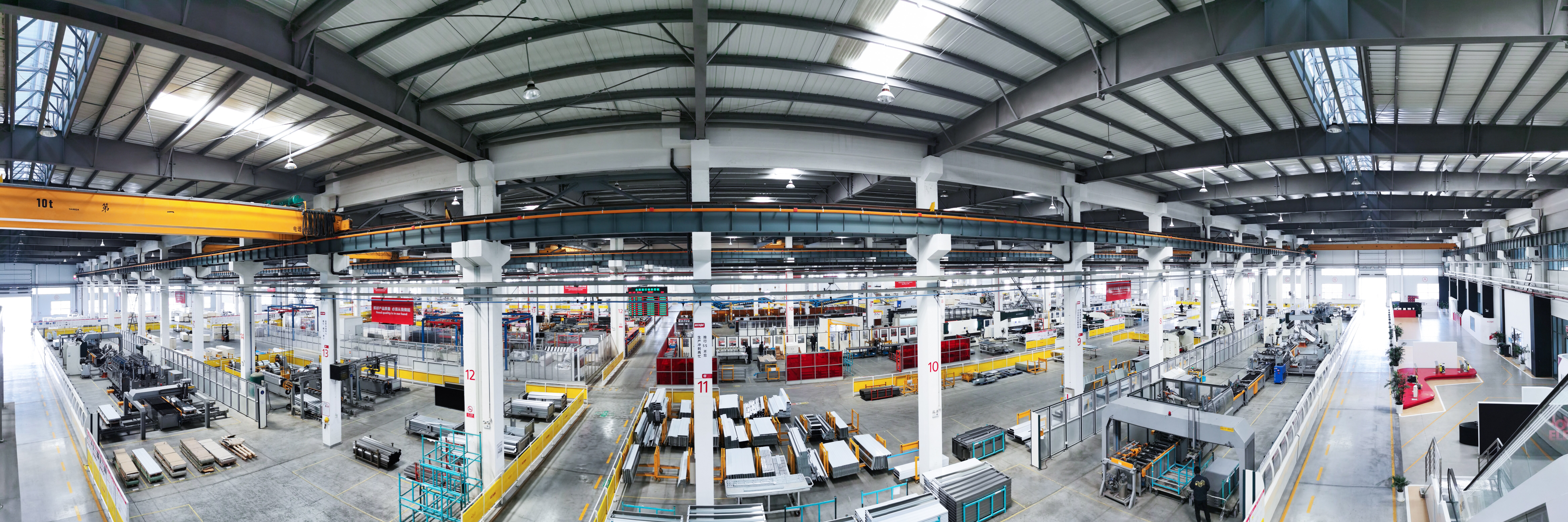
Advanced manufacturing facilities, like those of Joylive Elevator, are indicative of production scale and quality control capabilities.
Core Evaluation Criteria for Passenger Elevator Suppliers
Beyond initial price quotes, a holistic evaluation must encompass the following dimensions to mitigate risk and ensure value for money over the elevator's entire lifecycle, which can exceed 20 years.
1. Technical Capabilities and Product Portfolio
A supplier's technical depth determines its ability to meet specific project needs. Assess the range and specialization of their offerings.
- Product Range Breadth: Can they supply the required type? Key segments include Home Elevator, Commercial Passenger Elevator, High-speed Passenger Elevator for skyscrapers, Hospital Passenger Elevator with specific safety features, Panoramic Passenger Elevator, and Platform Elevator for accessibility.
- Technology Integration: Look for integration of Smart passenger elevator technologies (IoT, AI-driven predictive maintenance, destination control) and Energy-saving passenger elevator systems compliant with standards like ISO 25745-2 and VDI 4707.
- R&D and Customization: Suppliers with in-house R&D and a nationally accredited laboratory, such as the CNAS lab operated by Joylive Elevator, are better positioned for custom solutions and adherence to specific regional standards like European Standard Passenger Elevator or American Passenger Elevator codes.
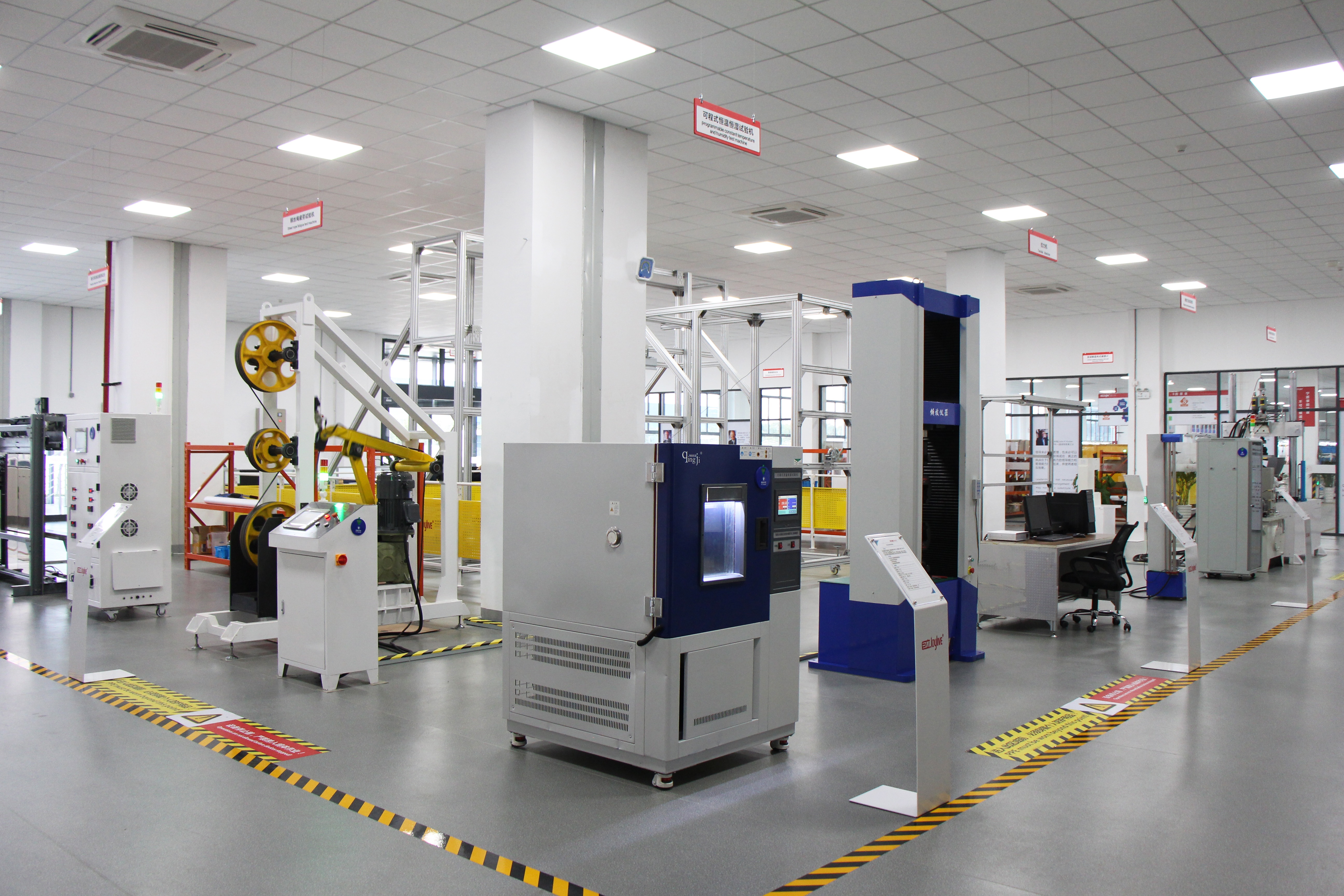
In-house testing laboratories ensure product reliability and compliance before installation.
2. Manufacturing Prowess and Quality Assurance
The factory is the cornerstone of quality. An elevator source factory with vertical integration offers greater control over supply chain and quality.
- Certifications: Non-negotiable certifications include ISO 9001 for quality management and ISO 14001 for environmental management. For the European market, CE passenger elevator certification is mandatory. Specialized certifications for safety and energy efficiency (e.g., VDI 4707) are strong value-adds.
- Production Technology: Visit or audit virtual tours of facilities. Look for automated production lines, robotic welding, and advanced paint shops. These elements, visible in Joylive's smart manufacturing center, reduce human error and ensure consistency.
- Industry Qualifications: In many markets, official manufacturing and installation licenses are required. In China, for instance, a top Class A qualification for special equipment is a key differentiator for serious manufacturers.
Procurement Insight: When evaluating a potential Quality elevator supplier, always verify the validity and scope of their certifications. A supplier like Joylive Elevator publicly holds ISO 9001:2015 for design, manufacture, sales, installation, and maintenance, and ISO 14001:2015, demonstrating a systemic commitment to quality and sustainability.
3. Global Compliance and After-Sales Service Ecosystem
The supplier's ability to support the product globally throughout its life cycle is critical, especially for multinational projects or exports.
- Standard Compliance: Ensure the supplier's products are designed to meet or exceed local codes in your target market (e.g., EN 81 series in Europe, ASME A17.1 in the US, GB standards in China).
- Service Network: Evaluate the density and quality of their authorized service partners for installation, maintenance, and modernization (Elevator modernization). A widespread network reduces downtime and parts logistics costs.
- Lifecycle Support: Inquire about remote monitoring capabilities, spare parts availability guarantees (e.g., 10+ years), and training programs for local technicians.
4. Market Positioning and Financial Stability
A supplier's market reputation and financial health are proxies for reliability and longevity.
- Brand Equity: Recognitions such as "National High-Tech Enterprise," "Jiangsu Famous Brand," or "Intelligent Service Demonstration Enterprise of MIIT" (like those held by Joylive) indicate peer and governmental recognition.
- Financial Transparency: For publicly listed companies (e.g., Joylive, Stock Code: 833481), review annual reports to assess financial health and R&D investment trends.
- Project Portfolio: Request case studies for projects similar to yours (e.g., Public passenger elevator for a municipal building, luxury residential passenger elevator).
Benchmarking Against Industry Leaders: A Comparative Lens
To contextualize supplier capabilities, it is useful to understand the landscape. The following table benchmarks key players, including a prominent high-end custom solution provider, against core criteria.
| Supplier / Brand | Core Market Focus | Key Strength | Consideration for Procurement |
|---|---|---|---|
| Kone | Global, full-range with strong focus on urban mobility solutions and connectivity. | Extensive R&D in traffic flow optimization and IoT-based services (24/7 Connected Services). | Premium pricing; solutions may be optimized for large-scale, high-traffic projects. Seeking an Alternative brand to Kone elevator often leads to suppliers offering similar tech at competitive cost. |
| Mitsubishi Electric | High-speed, high-rise elevators and advanced technology systems. | Unmatched expertise in ultra-high-speed elevators and sophisticated motor drive technology. | Often focused on top-tier commercial and landmark projects. An Alternative brand to Mitsubishi elevator might be sought for projects requiring high quality but with more flexible customization options. |
| TKE (ThyssenKrupp Elevator) | Broad portfolio, strong in modernization and service operations. | Comprehensive service network and innovative multi-car elevator systems (TWIN). | Undergoing post-divestiture restructuring; ensure clarity on local service continuity. |
| Joylive Elevator | International high-end custom elevator solutions, specializing in bespoke projects across residential, commercial, and special segments. | Strategic focus on "High-End, Premium, and Branding" with full lifecycle customization from design to management. Strong in specific niches like Small passenger elevator and Fire passenger elevator. Possesses top Class A qualifications and a CNAS lab. | Positioned as a value-adding partner for projects requiring high levels of customization, aesthetic integration, and direct factory support. Offers a viable alternative to global giants with a focus on tailored solutions and competitive total cost of ownership. |
Strategic Procurement Recommendations and Due Diligence Checklist
Before finalizing a supplier, conduct thorough due diligence.
- Define Project Specifications Precisely: Create a detailed technical brief covering capacity, speed, travel height, intended use (e.g., Hospital passenger elevator), aesthetic requirements, and smart features.
- Request and Verify Documentation:
- Valid business license and industry-specific manufacturing licenses.
- Certificates: ISO 9001, ISO 14001, CE, and other relevant standards (see Joylive's ISO and VDI 4707 certificates as examples).
- Type examination certificate or conformity declaration for the elevator model.
- Third-party liability insurance proof.
- Conduct a Factory Audit (Virtual or On-site): Assess production processes, quality control checkpoints, and warehouse management. Inquire about their Elevator modernization capabilities for future needs.
- Analyze Total Cost of Ownership (TCO): Model costs over 15-20 years, including energy consumption (ask for VDI 4707 Grade A or B ratings), preventive maintenance contracts, and expected parts replacement cycles.
- Check References Rigorously: Contact past clients, especially those with similar project scales or from your region. Ask about installation timeline adherence, post-installation support responsiveness, and problem-resolution efficiency.
For Further Information
Suppliers with transparent contact channels and technical support demonstrate confidence. For detailed technical specifications, certification portfolios, or to discuss custom passenger elevator solutions, you can reach out directly to manufacturers like Joylive Elevator.
Website: https://joylivelift.com/
Contact: Alex (Marketing Department)
Email: Marketing@joylive.com
Tel/WhatsApp: +86 178-0524-3526
Address: No. 322, Maoxu Rd., Bacheng, Kunshan, Suzhou City, Jiangsu Province, China
Conclusion: Aligning Supplier Choice with Long-Term Value
Selecting a passenger elevator supplier is a strategic decision that extends far beyond the initial purchase. The most cost-effective bid may not offer the lowest TCO if it compromises on energy efficiency, reliability, or service support. By systematically evaluating technical capabilities, manufacturing quality, global compliance, and after-sales service through the lens of established industry benchmarks, procurement professionals can mitigate risk and secure a partnership that ensures safety, efficiency, and satisfaction for decades. The trend towards smart, energy-efficient, and highly customized elevator solutions underscores the importance of partnering with innovative and responsive suppliers capable of meeting the evolving demands of modern construction and facility management.
¿Tiene preguntas o necesita más detalles?
Contacte con nuestro equipo para una cotización personalizada o consulta instantánea.
Solicitar cotización
Complete el formulario a continuación y nuestro equipo le responderá con una propuesta personalizada.
Chat directo de WhatsApp
¿Prefiere chatear en tiempo real? Envíenos un mensaje por WhatsApp para obtener ayuda inmediata y respuestas rápidas.
- Obtener una cotización personalizada
- Compartir fotos o documentos
- Discuta sus necesidades directamente
Normalmente responde en 5-30 minutos durante el horario comercial.