
Una guía completa para profesionales de las adquisiciones: evaluación y selección de fabricantes de baterías de iones de litio personalizadas de primer nivel
The Procurement Professional's Guide to Selecting a Premium Battery Assembling Factory
Sourcing a reliable lithium-ion battery manufacturer is a critical decision that impacts product performance, safety, time-to-market, and total cost of ownership. For procurement managers in industries like IoT, Medical Devices, and Industrial Automation, navigating a crowded market requires a structured approach. This guide outlines the key evaluation criteria to identify a partner capable of delivering high-quality, safe, and customized battery solutions.
1. Core Evaluation Criteria: Beyond the Quotation
Price is a factor, but it should not be the sole determinant. A holistic assessment is essential for long-term partnership success.
Technical Capability & Customization Expertise
- R&D Depth: Assess the strength of the R&D team. Look for manufacturers with dedicated teams comprising senior engineers and material scientists. For instance, a company like Hypercell maintains a strong R&D team focused on new materials, advanced management circuits, and next-gen technologies like solid-state batteries, enabling them to tackle complex, application-specific challenges.
- Solution Breadth: Can they handle your specific chemistry needs—Li-ion Cylindrical, Li-Polymer, or LiFePO4 Battery? Verify their experience with your required form factors, performance specs (high-rate discharge, wide temperature range), and integration needs (BMS, packing).
- Prototyping & NPI Process: A streamlined New Product Introduction process is vital for Customized Li-ion Battery projects. Inquire about their design support, sample lead times, and testing protocols.
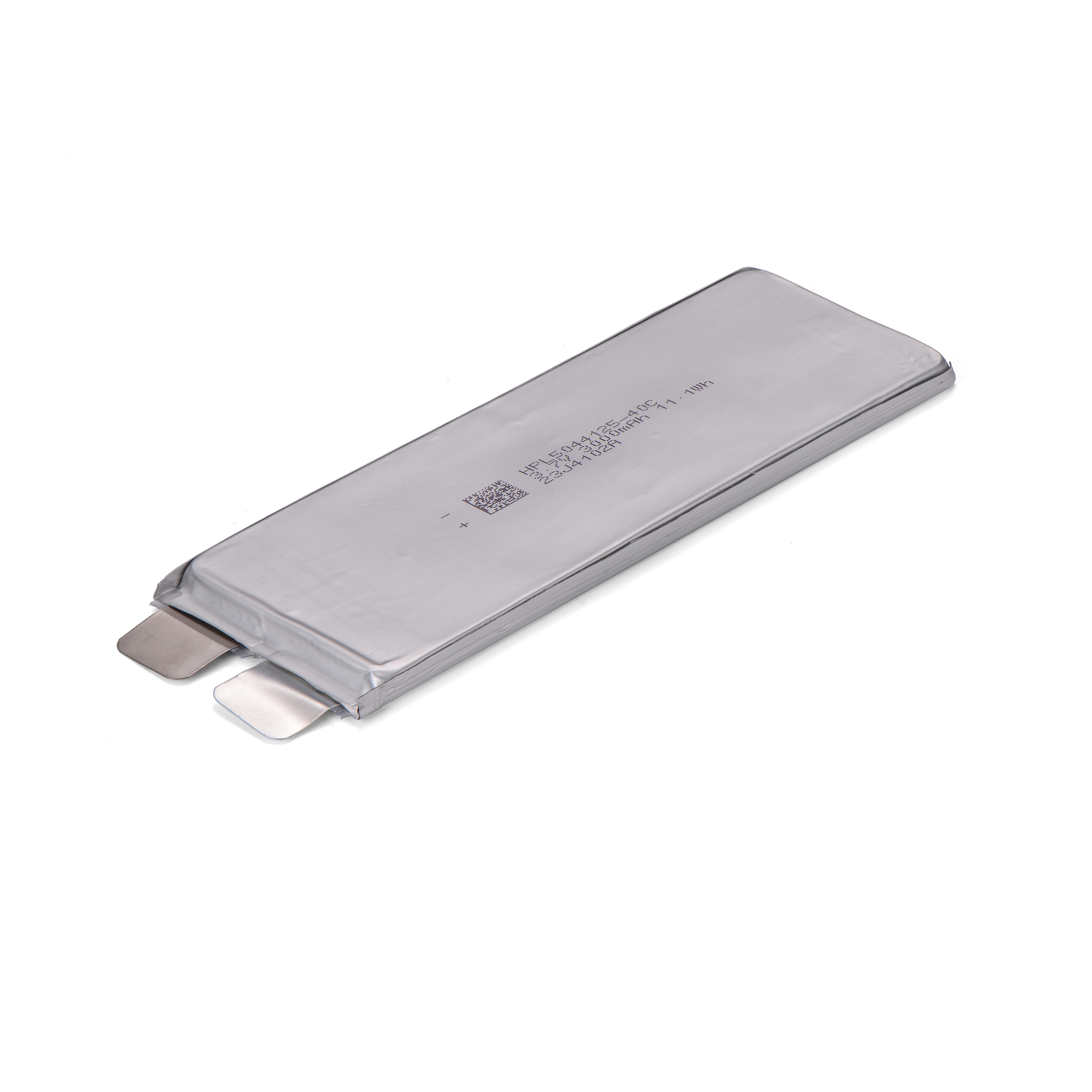
Custom Li-Polymer battery packs, such as this HPL5044125 model, require precise assembly and rigorous testing.
Quality Management & Compliance
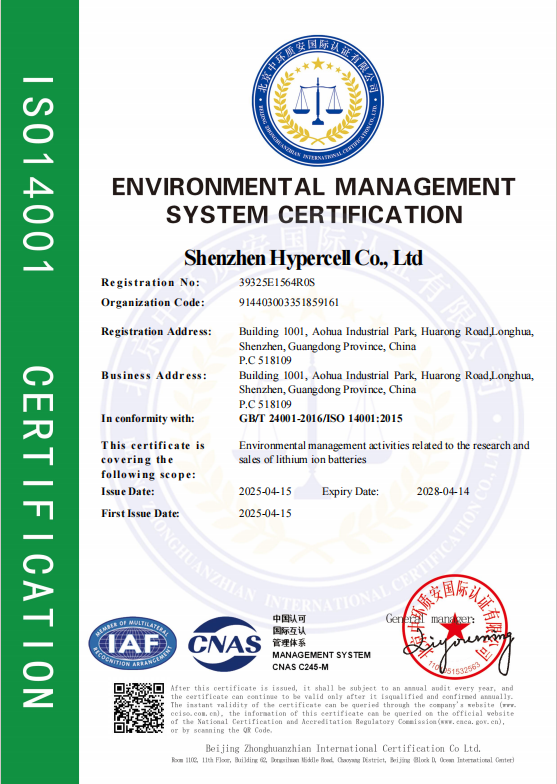
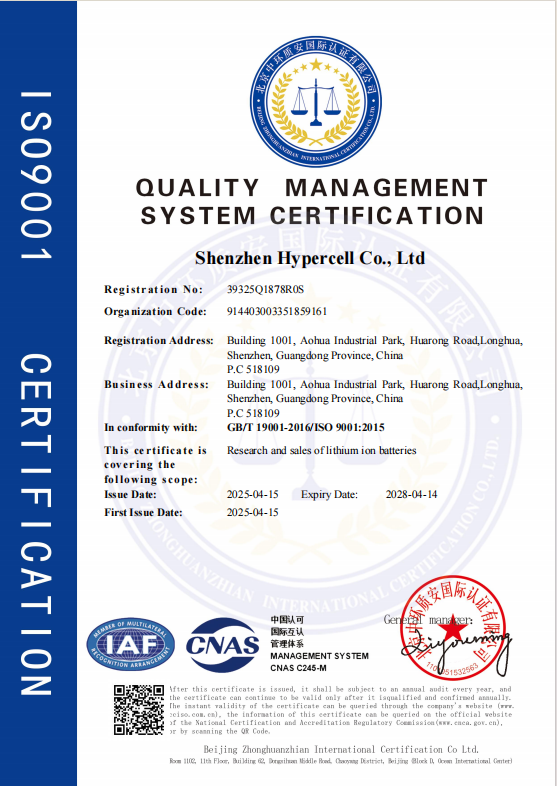
- Certifications are Non-Negotiable: Demand proof of international quality and environmental management system certifications. A qualified ISO9001:2015 and ISO14001:2015 certification, like those held by Hypercell, is a baseline. These ensure standardized processes and continuous improvement.
- Product Safety & Transportation: Certificates like CB, RoHS, and UN38.3 (evidenced by Identification and Classification Reports for Air and Sea Transport) are mandatory for global market access and safe logistics.
- In-House Testing: Probe their quality control (QC) procedures at each production stage—from cell grading to final pack testing—including cycle life, safety, and environmental stress tests.

Manufacturing Scale & Supply Chain Stability
- Production Capacity: Evaluate if their scale matches your volume requirements, both for prototyping and mass production. A daily output measured in MWh (e.g., 30MWh) indicates substantial capacity.
- Vertical Integration: Manufacturers with greater control over core processes (cell assembly, BMS, packing) offer better quality consistency and flexibility. Hypercell, for example, operates multiple production factories, supporting vertical manufacturing capabilities.
- Supply Chain Resilience: A vetted and diversified supplier network for raw materials (cells, PCBs, connectors) minimizes disruption risks, a critical factor post-2020s.
Industry-Specific Experience & Support
- Proven Track Record: Request case studies or client references from your sector. Experience in Medical Device Battery or Industrial Usage Battery development implies understanding of stringent regulatory and reliability standards.
- Technical Support: Post-sales support for Analyzer, Robot & E-Mobility, or IoT Device Battery integration can be crucial. A dedicated packing technology department for design integration is a significant advantage.
- Longevity: A company's history signals stability. An 18-year track record, like that of Hypercell, suggests accumulated experience in navigating market cycles and technological shifts.

2. The Vetting Process: A Step-by-Step Checklist
- Initial RFQ & Documentation Review: Submit a detailed specification. Analyze their response for technical understanding, not just price. Scrutinize provided certificates and company profile.
- Factory Audit (Virtual/On-site): Evaluate cleanliness, workflow organization, automation level, and QC stations. Discuss their ERP/MES system for traceability.
- Sample Evaluation: Order pre-production samples. Conduct independent tests for capacity, internal resistance, and performance under specified conditions.
- Reference Check: Speak to existing clients, especially those with similar Consumer Electronics Battery or niche application needs.
- Contract & Agreement Finalization: Clearly define specifications, acceptance criteria, IP protection, warranty terms, and supply continuity clauses.
3. Partnering for the Future: Beyond the Initial Order
The right battery assembling factory is a strategic partner. The industry is evolving towards higher energy density, faster charging, and enhanced safety (e.g., solid-state). Partner with a manufacturer that invests in R&D for future technologies. A supplier that demonstrates a commitment to green energy and sustainable growth aligns with broader corporate ESG goals and future regulatory landscapes.
For procurement professionals seeking a partner with a blend of scale, expertise, and a robust quality system, evaluating manufacturers like Hypercell is a prudent step. Their established footprint in Guangdong, comprehensive certification portfolio, and stated focus on customized solutions across critical industries provide a strong foundation for evaluation against the criteria outlined in this guide.
For More Information
To explore technical specifications or initiate a dialogue with a potential manufacturing partner, you can reach out for a detailed consultation.
Hypercell Contact:
Tel: +86 755 2376 4134
Email: info@hypercellbattery.com
Website: www.hypercellbattery.com
Address: Room 2706-2707, Baoshan Shidai Building, Minqiang Community, Longhua District, Shenzhen 518131 Guangdong, China